The Routledge Handbook of Translation Studies and Linguistics explores the interrelationships between translation studies and linguistics in six sections of state-of-the-art chapters, written by leading specialists from around the world.
Despite the recognition that corpus-based translation research would benefit from the triangulation of corpora, little has been done in the direction of actually employing combined corpus data and methods in the field.
A collection of thought-provoking essays that treat the political, social, and philosophical themes of Shakespeare's playsIn Shakespearean Issues, Richard Strier has written a set of linked essays bound by a learned view of how to think about Shakespeare's plays and also how to write literary criticism on them.
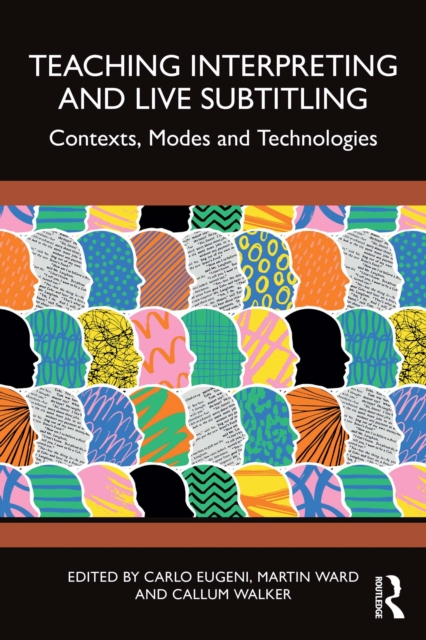
Teaching Interpreting and Live Subtitling: Contexts, Modes and Technologies provides a cross section of multinational perspectives on teaching various dimensions of interpreting and live subtitling, both within dedicated programmes and as part of individual modules on interpreting and/or live subtitling-adjacent programmes.
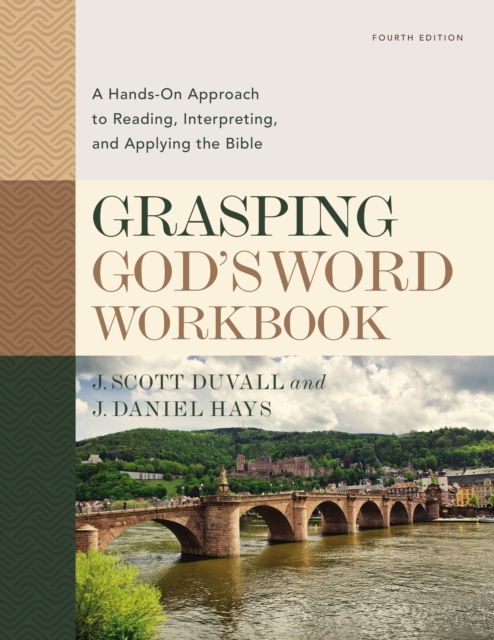
A Companion WORKBOOK to Today's Most Widely Used Textbook for Learning to Interpret and Understand the BibleGrasping God's Word has proven itself in classrooms across the country as an invaluable help to students who want to learn how to read, interpret, and apply the Bible for themselves.
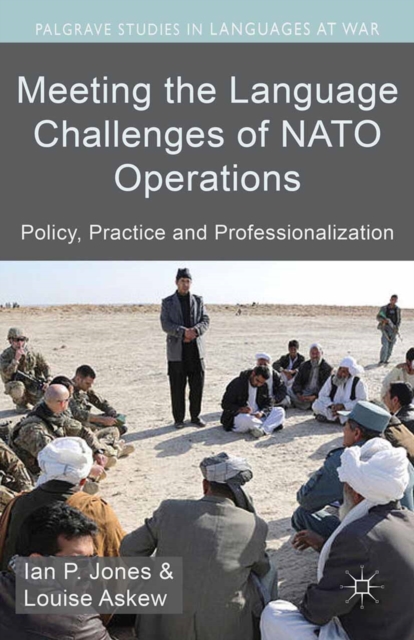
After 40 years of Cold War, NATO found itself intervening in Bosnia-Herzegovina, Kosovo and Afghanistan, where the ability to communicate with local people was essential to the success of the missions.
This book explores the interplay between various semiotic modes in multimodal texts and the ways in which they are employed to express cultural translation, seeking to expand prevailing views of translation and adaptation in light of everchanging social realities.
This book explores the interplay between various semiotic modes in multimodal texts and the ways in which they are employed to express cultural translation, seeking to expand prevailing views of translation and adaptation in light of everchanging social realities.
Considering the importance of pneumatological themes for interpreting Paul's argument of Galatians, Grant Buchanan explores how Paul draws from Jewish traditions of creation and the Spirit and presents a fresh cosmogony to the Galatian church.
Considering the importance of pneumatological themes for interpreting Paul's argument of Galatians, Grant Buchanan explores how Paul draws from Jewish traditions of creation and the Spirit and presents a fresh cosmogony to the Galatian church.
This book builds on Marais's innovative A (Bio)Semiotic Theory of Translation to explore the implications of this conceptualization of translation as the semiotic work from which social-cultural reality emerges and chart the way forward for applications in empirical research.
This book builds on Marais's innovative A (Bio)Semiotic Theory of Translation to explore the implications of this conceptualization of translation as the semiotic work from which social-cultural reality emerges and chart the way forward for applications in empirical research.
This collection offers insights into the transnational and translingual implications of Simone de Beauvoir's Le Deuxieme Sexe (The Second Sex), a text that has served as foundational for feminisms worldwide since its publication in 1949.
This collection offers insights into the transnational and translingual implications of Simone de Beauvoir's Le Deuxieme Sexe (The Second Sex), a text that has served as foundational for feminisms worldwide since its publication in 1949.
From using machine learning to shave seconds off translations, to using natural language processing for accurate real-time translation services, this book covers all the aspects.
In Mapping the Translator: A Study of Liang Shiqiu, the writer studies Liang Shiqiu (1903-1987), who was not only a famous writer and important critic but also one of the most prominent translators in China in the 20th century, most notably the first Chinese to finish a translation of The Complete Works of William Shakespeare.
In Mapping the Translator: A Study of Liang Shiqiu, the writer studies Liang Shiqiu (1903-1987), who was not only a famous writer and important critic but also one of the most prominent translators in China in the 20th century, most notably the first Chinese to finish a translation of The Complete Works of William Shakespeare.
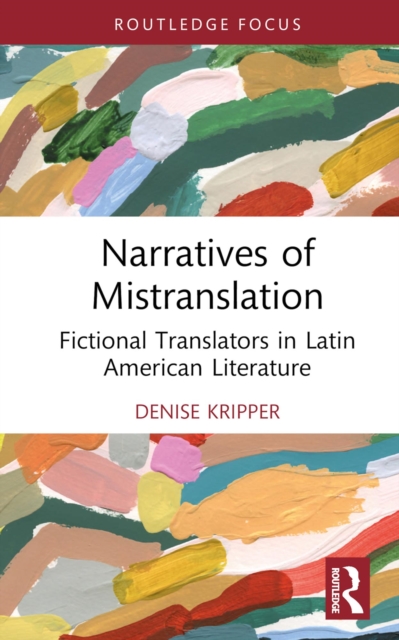
This book offers unique insights into the role of the translator in today's globalized world, exploring Latin American literature featuring translators and interpreters as protagonists in which prevailing understandings of the act of translation are challenged and upended.
This book offers a systematic and comprehensive account of translation competence (TC), reflecting on its different models and conceptualisations throughout its development and outlining future directions for both theory and practice.
This book offers a systematic and comprehensive account of translation competence (TC), reflecting on its different models and conceptualisations throughout its development and outlining future directions for both theory and practice.
This book offers unique insights into the role of the translator in today's globalized world, exploring Latin American literature featuring translators and interpreters as protagonists in which prevailing understandings of the act of translation are challenged and upended.
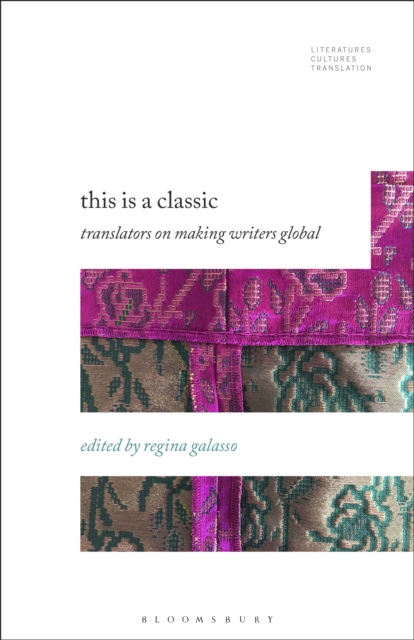
This Is a Classic illuminates the overlooked networks that contribute to the making of literary classics through the voices of multiple translators, without whom writers would have a difficult time reaching a global audience.