This Is a Classic illuminates the overlooked networks that contribute to the making of literary classics through the voices of multiple translators, without whom writers would have a difficult time reaching a global audience.
This Is a Classic illuminates the overlooked networks that contribute to the making of literary classics through the voices of multiple translators, without whom writers would have a difficult time reaching a global audience.
This book offers a new, multidisciplinary way of thinking about the Kingdom of God which fully recognises its sociological and spatial significance in performing boundaries of the sacred.
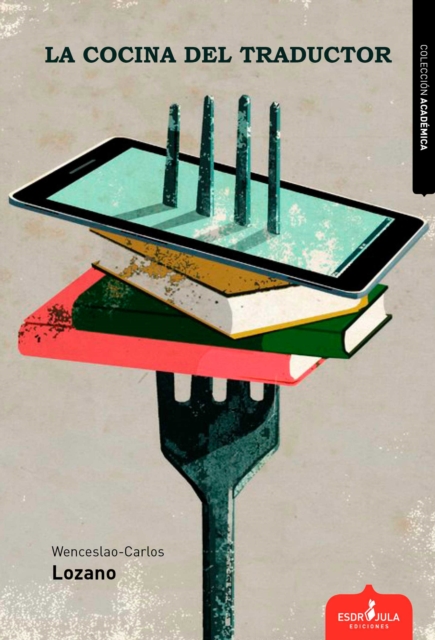
Este volumen recoge ocho trabajos resultantes de la actividad del autor como estudioso y oficiante de este quehacer literario —tres de los cuales inéditos y cinco publicados anteriormente en revistas especializadas—, y viene en cierto modo a complementar una primera recopilación (Literatura y traducción, 2006) de dieciséis estudios académicos dedicados al mismo tema, dando en este caso cuenta de distintos procedimientos de trabajo relativos a la reflexión y a la ejecución traductora, como son el estudio académico, la conferencia, la ponencia congresual, el taller de traducción literaria, la entrevista, la mesa redonda o la reseña.
The contributions in this volume are a reflection of the entire range of Interpreting Studies, from explorations of research methodology and interpreting quality research to public service interpreting today and in the past, risk management strategies in court interpreting, and the interdependencies of interpreters in project networks.
This volume offers an in-depth exploration of the translation activity of Greek women translators in the nineteenth century, illuminating the role of translation as a means of resistance against sociocultural norms and the enduring impact of their work on the rise of feminism in Greece.
This volume offers an in-depth exploration of the translation activity of Greek women translators in the nineteenth century, illuminating the role of translation as a means of resistance against sociocultural norms and the enduring impact of their work on the rise of feminism in Greece.
A Guided Tour of One of the Greatest Theological Works of the Twentieth CenturyKarl Barth's Church Dogmatics is considered by many to be the most important theological work of the twentieth century and for many people reading it, or at least understanding its contents and arguments, is a lifelong goal.
This book celebrates experimental translation, taking a series of exploratory looks at the hypercyborg translator, the collage translator, the smuggler translator, and the heteronymous translator.
Focusing on Rumi, the best-selling Persian mystical poet of the 13th century, this book investigates the reception of his work and thought in North America and Europe - and the phenomenon of 'Rumimania' - to elucidate the complexities of intercultural communication between the West and the Iranian and Islamic worlds.
Focusing on Rumi, the best-selling Persian mystical poet of the 13th century, this book investigates the reception of his work and thought in North America and Europe - and the phenomenon of 'Rumimania' - to elucidate the complexities of intercultural communication between the West and the Iranian and Islamic worlds.
Offering a new perspective on the British experience of the Second World War in Europe, this book provides a series of snapshots of the role which languages played in the key processes of British war-making, moving from frameworks of perception and intelligence gathering, through to liberation/occupation, and on to the aftermath of conflict.
This book presents the latest developments in translation and interpreting (T&I), which has been at the forefront to face the challenges brought by COVID-19.
Community translation or public service translation is on a global scale often unregulated and dependent on individual awareness, good will and even charity work.
Community translation or public service translation is on a global scale often unregulated and dependent on individual awareness, good will and even charity work.
Chingboi Guite Phaipi examines how biblical texts reinforced female subjugation in Northeast Indian tribal societies after tribes had accepted Christianity in the early 20th century.
Chingboi Guite Phaipi examines how biblical texts reinforced female subjugation in Northeast Indian tribal societies after tribes had accepted Christianity in the early 20th century.
Spanning four centuries from the Renaissance to today's avant-garde, Migration and Mutation explores how the sonnet has evolved in and out of translation.
Spanning four centuries from the Renaissance to today's avant-garde, Migration and Mutation explores how the sonnet has evolved in and out of translation.
This edited collection brings together scholars from across the world, including France, Italy, Germany, Hungary, Japan, the USA and India, to offer a truly international perspective on the global reception of Shakespeare's Sonnets from the 18th century to the present.
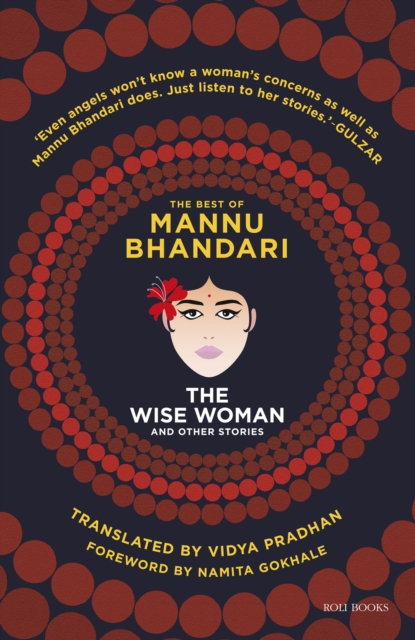
Mannu Bhandari's genius lies not in elevating women to heroines or superior beings; rather, she forces us to acknowledge that flawed, confused, and self-centered women are as worthy of agency and respect.
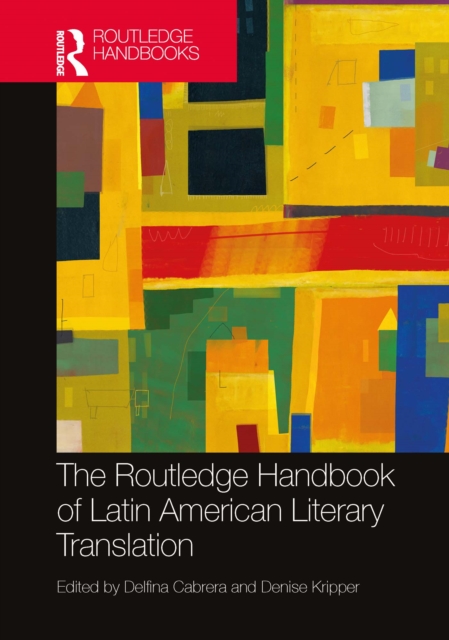
The Routledge Handbook of Latin American Literary Translation offers an understanding of translation in Latin America both at a regional and transnational scale.
The Routledge Handbook of Latin American Literary Translation offers an understanding of translation in Latin America both at a regional and transnational scale.
William Edwy Vine, author of the celebrated Expository Dictionary of New Testament Words, was one of the great evangelical Bible scholars of the twentieth century.
Machine Learning in Translation introduces machine learning (ML) theories and technologies that are most relevant to translation processes, approaching the topic from a human perspective and emphasizing that ML and ML-driven technologies are tools for humans.
The present book features some introductory discussions on martial arts for the international audience and highlights in brief the complexities of translating the genre into English, often from a comparative literature perspective.
Applying Systemic Functional Linguistics (SFL) to Descriptive Translation Studies (DTS), to three translations of a classic Chinese text, Zhao proposes a new model for linking translator positioning with translational norms in the target culture.