This pioneering work advocates for a shift toward inclusivity in the UK translated literature landscape, investigating and challenging unconscious bias around women in translation and building on existing research highlighting the role of translators as activists and agents and the possibilities for these new theoretical models to contribute to meaningful industry change.
This book presents a holistic picture of the practice of an experienced literary translator working in situ, highlighting the value of in-depth process studies for the discipline and offering a model for future similar studies.
This book presents a holistic picture of the practice of an experienced literary translator working in situ, highlighting the value of in-depth process studies for the discipline and offering a model for future similar studies.
Translation and Multimodality: Beyond Words is one of the first books to explore how translation needs to be redefined and reconfigured in contexts where multiple modes of communication, such as writing, images, gesture, and music, occur simultaneously.
Translation and Multimodality: Beyond Words is one of the first books to explore how translation needs to be redefined and reconfigured in contexts where multiple modes of communication, such as writing, images, gesture, and music, occur simultaneously.
This book illustrates the potential of Relevance Theory (RT) in offering a cognitive-pragmatic, cause-effect account of translation and interpreting (T&I), one which more closely engages T&I activity with the mental processes of speakers, listeners, writers, and readers during communicative acts.
This book illustrates the potential of Relevance Theory (RT) in offering a cognitive-pragmatic, cause-effect account of translation and interpreting (T&I), one which more closely engages T&I activity with the mental processes of speakers, listeners, writers, and readers during communicative acts.
Style plays a major role in the translation of literary as well as non-literary texts, and Translation and Style offers an updated survey of this highly interdisciplinary area of translation studies.
Style plays a major role in the translation of literary as well as non-literary texts, and Translation and Style offers an updated survey of this highly interdisciplinary area of translation studies.
This collection reflects on the state of the art of research into the use of translation technologies in the translation of creative texts, encompassing literary texts but also extending beyond to cultural texts, and charts their development and paths for further research.
This collection reflects on the state of the art of research into the use of translation technologies in the translation of creative texts, encompassing literary texts but also extending beyond to cultural texts, and charts their development and paths for further research.
This book explores how the greater amount of pragmatic information encoded in Korean and Japanese can result in pragmatic (in)visibility when translating between those languages and English.
This book explores how the greater amount of pragmatic information encoded in Korean and Japanese can result in pragmatic (in)visibility when translating between those languages and English.
This book analyses the translation policies and practices of international non-governmental organisations (INGOs), engaging in critical questions around the ways in which translation can redress power dynamics between INGOs and the people they work with, and the role of activist researchers in contributing to these debates.
This book analyses the translation policies and practices of international non-governmental organisations (INGOs), engaging in critical questions around the ways in which translation can redress power dynamics between INGOs and the people they work with, and the role of activist researchers in contributing to these debates.
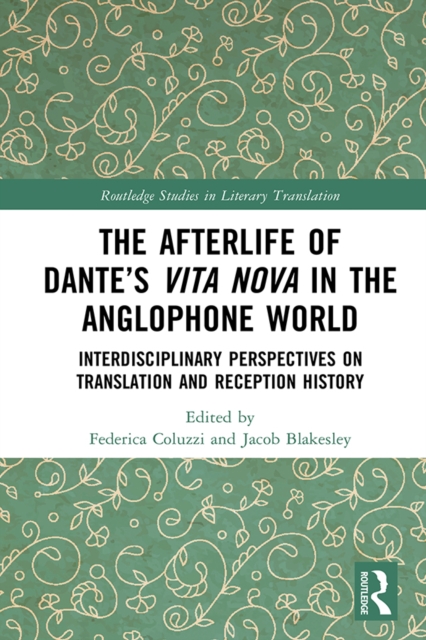
This volume provides the first systematic study of the translation and reception of Dante's Vita Nova in the Anglophone world, reconstructing for the first time the contexts and genesis of its English-language afterlife from the early nineteenth century to the present day.
This volume provides the first systematic study of the translation and reception of Dante's Vita Nova in the Anglophone world, reconstructing for the first time the contexts and genesis of its English-language afterlife from the early nineteenth century to the present day.
Zulawnik focuses on the broad concept of 'controversy' and issues pertaining to the translation of politically and historically controversial texts in East Asia.
Zulawnik focuses on the broad concept of 'controversy' and issues pertaining to the translation of politically and historically controversial texts in East Asia.
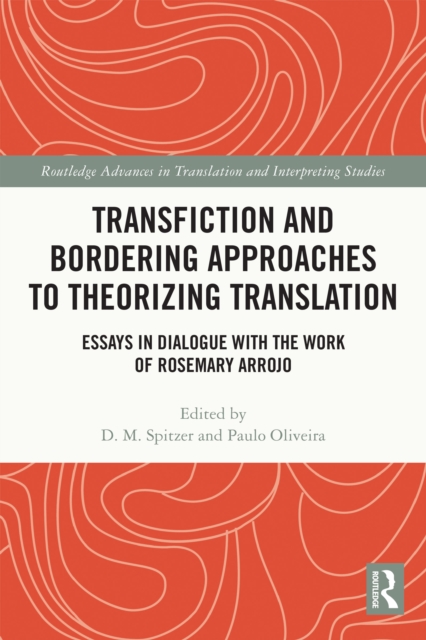
This collection seeks to expand the centers from which scholars theorize translation, building on themes in Rosemary Arrojo's pioneering work on transfiction and the influence of bordering disciplines in investigating and elucidating questions central to the field of translation studies.
This collection seeks to expand the centers from which scholars theorize translation, building on themes in Rosemary Arrojo's pioneering work on transfiction and the influence of bordering disciplines in investigating and elucidating questions central to the field of translation studies.
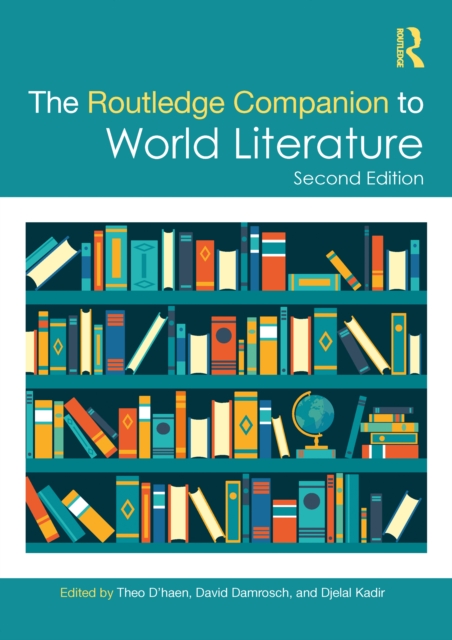
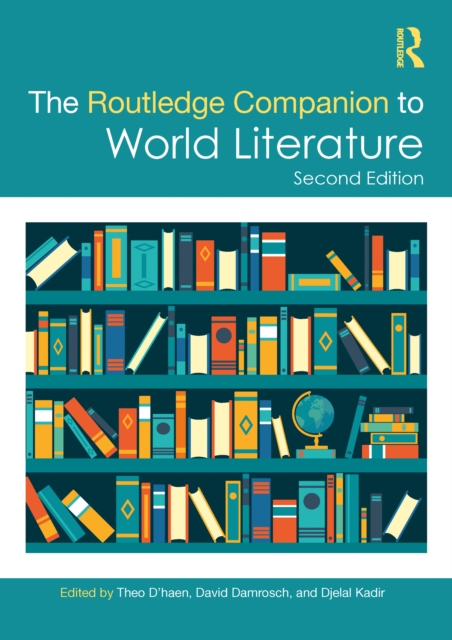
This fully updated new edition of The Routledge Companion to World Literature contains ten brand new chapters on topics such as premodern world literature, migration studies, world history, artificial intelligence, global Englishes, remediation, crime fiction, Lusophone literature, Middle Eastern literature, and oceanic studies.
This fully updated new edition of The Routledge Companion to World Literature contains ten brand new chapters on topics such as premodern world literature, migration studies, world history, artificial intelligence, global Englishes, remediation, crime fiction, Lusophone literature, Middle Eastern literature, and oceanic studies.
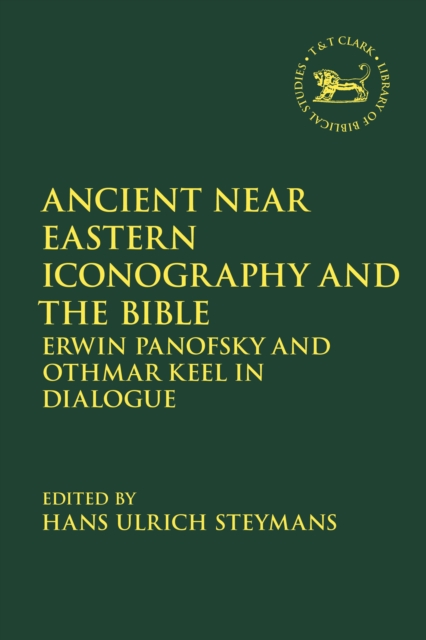
Examines the dilemma of whether ancient Near Eastern images while providing unique aspects of the world-views of the cultures from which the Bible arose can be interpreted in a way that traceably relates them to the biblical text.
This collection explores the notion of reframing as a framework for better understanding the multi-agent and multi-level nature of the translation process, generating new conversations in current debates on translational agency, authority, and power.
The teaching of texts in translation has become an increasingly common practice, but so too has the teaching of texts from languages and cultures with which the instructor may have little or no familiarity.
This collection explores the notion of reframing as a framework for better understanding the multi-agent and multi-level nature of the translation process, generating new conversations in current debates on translational agency, authority, and power.
The teaching of texts in translation has become an increasingly common practice, but so too has the teaching of texts from languages and cultures with which the instructor may have little or no familiarity.