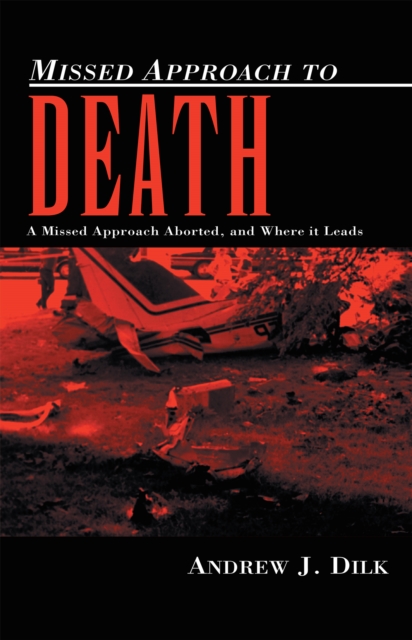
The aviation public is fascinated by accidents such as American 570, TWA, Egypt Air, and now the Columbia shuttle disaster, as well as the hundreds of private airplane accidents throughout the United States annually, including the pathos of the John F.
This book examines the possibilities for the use of satellite imagery in support of UN peacekeeping operations, and also to protect the national security of Canada.
This book examines the possibilities for the use of satellite imagery in support of UN peacekeeping operations, and also to protect the national security of Canada.
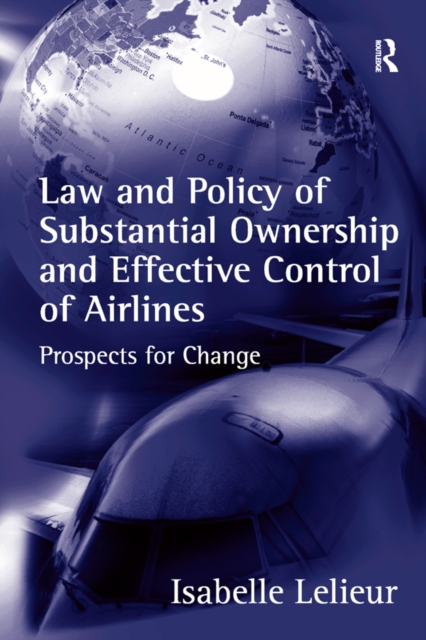
The impact to airlines from airspace closure can be as benign as a two minute extension on an arrival pattern, or as catastrophic as a shoot down from a surface-to-air missile, as the tragic loss of Malaysia Airlines Flight 17 over the Ukraine in July 2014 demonstrates.
The Routledge Handbook of Public Aviation Law is the first book to incorporate a comprehensive analysis of Public Aviation Law - principally international, but also domestic law in a comparative context - in a single volume.
The Routledge Handbook of Public Aviation Law is the first book to incorporate a comprehensive analysis of Public Aviation Law - principally international, but also domestic law in a comparative context - in a single volume.
Sovereignty and jurisdiction are legal doctrines of a complex nature, which have been subject to differing interpretations by scholars in legal literature.
Sovereignty and jurisdiction are legal doctrines of a complex nature, which have been subject to differing interpretations by scholars in legal literature.
This is the third edition of a now-renowned guide that provides an extensive account of the state of the aviation industry and the law that regulates it.
Fundamentals of International Aviation Law and Policy offers students a systematic, tailored and dynamic approach to understanding the legal scenario concerning international civil aviation.
This account of the evolution of outer space law examines key issues that fuel the debates over sovereignty and property rights designed to govern the future colonization and use of heavenly bodies other than our own.
When international rules and regulations governing space travel were first being developed, only a few countries had any space presence and commercial space activity was non-existent.