Mit Blick auf die laufenden Umstrukturierungen in vielen deutschen Diözesen und den sich daraus ergebenden Anforderungen stellt sich die Frage nach der theologischen Positionierung und rechtlichen Normierung der Kleriker in der katholischen Kirche.
This book provides the European structure of liability for failed contract negotiations through a comparative lens, with wider lessons for an international context.
How the privileged legal status of marriage survived decades of constitutional struggle and social change The United States is unusual among wealthy western nations in the degree to which the law channels public benefits and private economic resources through marriage.
In Medieval Poor Law: A Sketch of Canonical Theory and Its Application in England, Brian Tierney provides an insightful and groundbreaking exploration of the Church's pivotal role in the development of social services during the Middle Ages.
In Medieval Poor Law: A Sketch of Canonical Theory and Its Application in England, Brian Tierney provides an insightful and groundbreaking exploration of the Church's pivotal role in the development of social services during the Middle Ages.
Law Writers and the Courts explores the profound yet often overlooked influence of legal commentators on the shaping of American constitutional law in the decades following the Civil War.
Law Writers and the Courts explores the profound yet often overlooked influence of legal commentators on the shaping of American constitutional law in the decades following the Civil War.
The Growth of Criminal Law in Ancient Greece delves into the evolution of legal frameworks and societal attitudes that shaped the concept of crime and criminal law in Greek civilization.
Originally published in 1954 and here reissuing the second edition of 1963, The Nigerian Legal System (now with a new preface by Olusoji Elias), is an account of the history of the courts, the sources and general principles of law in Nigeria.
Originally published in 1954 and here reissuing the second edition of 1963, The Nigerian Legal System (now with a new preface by Olusoji Elias), is an account of the history of the courts, the sources and general principles of law in Nigeria.
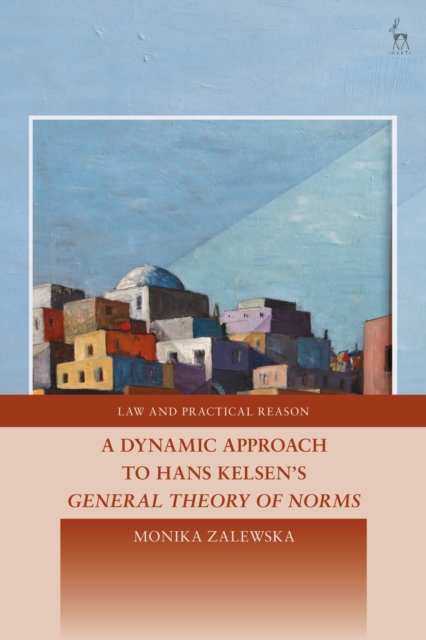
This timely and compelling book delves into the dynamic interpretation of Hans Kelsen's General Theory of Norms through the lens of 21st-century jurisprudential debates.
State Trials, Volume I (first published in 1972) contains cases concerned with treason and the freedom of press gathered from the full edition of State Trials completed in 1826.
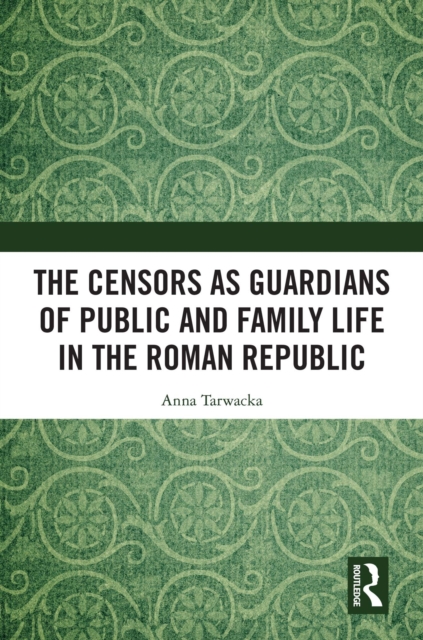
This volume explores the effects of the Roman censorial mark (nota censoria) and the influence of censorial regulations on the development of written law in ancient Rome.
When a B-29 bomber exploded over Georgia in 1948, the victims families were denied access to crucial information relating to the accident because the federal government claimed such access would endanger national security.
This volume explores the effects of the Roman censorial mark (nota censoria) and the influence of censorial regulations on the development of written law in ancient Rome.
This third volume of essays by Peter Linehan deals with matters of perennial interest to all historians of medieval Church and State, and in particular to students of the history of medieval Spain and Portugal and of the papacy in the 12th and 13th centuries.