First published in 1980, but then out of print for several years, this collection, together with The History of Ideas and Doctrines of Canon Law in the Middle Ages, presents a series of fundamental articles by the acknowledged master of medieval canon law studies.
The studies collected here derive in large part from the collaborative Chin history project, to which Professors Chan and Franke have made a massive contributuion.
This book represents a unique contribution to comparative legal studies by presenting the results of an empirical research project on the use of foreign precedents in constitutional interpretation in 31 jurisdictions worldwide.
This latest collection of studies by James Brundage deals with the emergence of the profession of canon law and with aspects of its practice in the period from the 12th to the 14th centuries.
First published in 1956, From School Board to Local Authority is a meticulous and exact inquiry into the events which led up to the famous Cockerton v.
This set reprints many of the 18th century's most notorious works, including eight from "e;The Fifteen Plagues of a Maiden-Head"e; (1707), that resulted in highly publicized court battles and in some cases helped shape laws on censorship that survived into modernity.
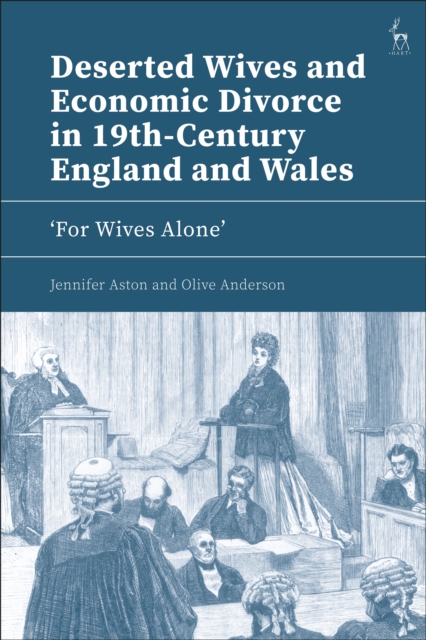
This book considers Section 21 of the Divorce and Matrimonial Causes Act 1857 and its significant impact on previously invisible married women in the 19th century.
This set reprints many of the 18th century's most notorious works, including eight from "e;The Fifteen Plagues of a Maiden-Head"e; (1707), that resulted in highly publicized court battles and in some cases helped shape laws on censorship that survived into modernity.
The book addresses efforts to politically influence and curb the judicial system, by telling the story of the enactment of controversial laws in Norway in 1927.
This set reprints many of the 18th century's most notorious works, including eight from "e;The Fifteen Plagues of a Maiden-Head"e; (1707), that resulted in highly publicized court battles and in some cases helped shape laws on censorship that survived into modernity.
This second selection of articles by Professor Meleze-Modrzejewski deals with the questions of personal status and family ties in Classical law, both Greco-Roman and Eastern.
This set reprints many of the 18th century's most notorious works, including eight from "e;The Fifteen Plagues of a Maiden-Head"e; (1707), that resulted in highly publicized court battles and in some cases helped shape laws on censorship that survived into modernity.
For most Americans, habeas corpus is the cornerstone of our legal system: the principal constitutional check on arbitrary government power, allowing an arrested person to challenge the legality of his detention.
La temática central del texto es el examen de las formas de conflicto que nacieron en la progresiva definición de las formas jurídicas de la nueva república después de la independencia, en particular, de la creación de una sociedad laica que quería limitar los derechos tradicionales de la iglesia en el campo de la educación, la pluralidad jurídica implicada en la permanencia del fuero eclesiástico e imponer, al mismo tiempo, un contra autoritario sobre la libertad de la prensa cuando implicaba críticas a la política oficial.
For most Americans, habeas corpus is the cornerstone of our legal system: the principal constitutional check on arbitrary government power, allowing an arrested person to challenge the legality of his detention.
First published in 1956, From School Board to Local Authority is a meticulous and exact inquiry into the events which led up to the famous Cockerton v.