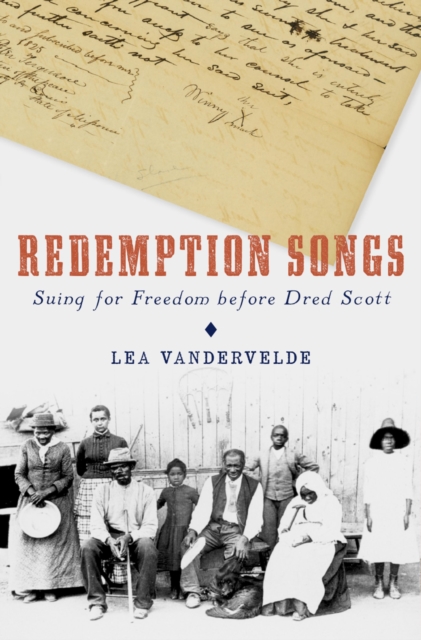
Slavery appears as a figurative construct during the English revolution of the mid-seventeenth century, and again in the American and French revolutions, when radicals represent their treatment as a form of political slavery.
Topics such as military tribunals, same-sex marriage, informative privacy, reproductive rights, affirmative action, and states' rights fill the landscape of contemporary legal debate and media discussion, and they all fall under the umbrella of the Due Process Clauses of the United States Constitution.
Imprisoned by the Past: Warren McCleskey and the American Death Penalty connects the history of the American death penalty to the case of Warren McCleskey.
Crisis and Constitutionalism argues that the late Roman Republic saw, for the first time in the history of political thought, the development of a normative concept of constitution--the concept of a set of constitutional norms designed to guarantee and achieve certain interests of the individual.
Since its founding in 1910--the same year as another national organization devoted to the economic and social welfare aspects of race advancement, the National Urban League--the NAACP has been viewed as the vanguard national civil rights organization in American history.
A New Introduction to American Constitutionalism is the first text to study the entirety of American constitutionalism, not just the traces that appear in Supreme Court decisions.
How did the United States, a nation known for protecting the "e;right to remain silent"e; become notorious for condoning and using controversial tactics like water boarding and extraordinary rendition to extract information?
Abdul-Rahman Mustafa offers a deft new translation of a large extract from the book I'lam al Muwaqqi'in 'An Rabb al 'Alamin, by the thirteenth-century Islamic scholar, Ibn Qayyim al Jawziyya.
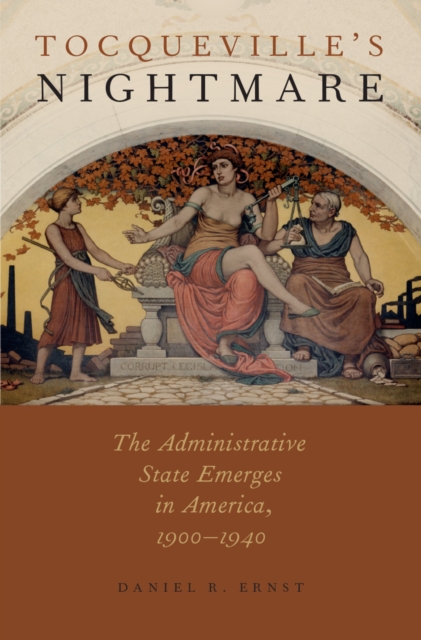
In the 1830s, the French aristocrat Alexis de Tocqueville warned that "e;insufferable despotism"e; would prevail if America ever acquired a national administrative state.
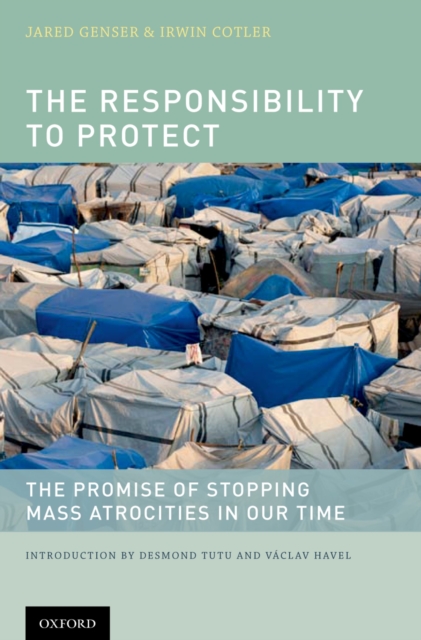
In The Responsibility to Protect: The Promise of Stopping Mass Atrocities in Our Time, Jared Genser and Irwin Cotler provide a comprehensive overview on how this contemporary principle of international law has developed and analyze how best to apply it to current and future humanitarian crises.
In the updated, fourth edition of this classic text which has been translated into over a dozen languages, constitutional scholar and Columbia Law School professor E.
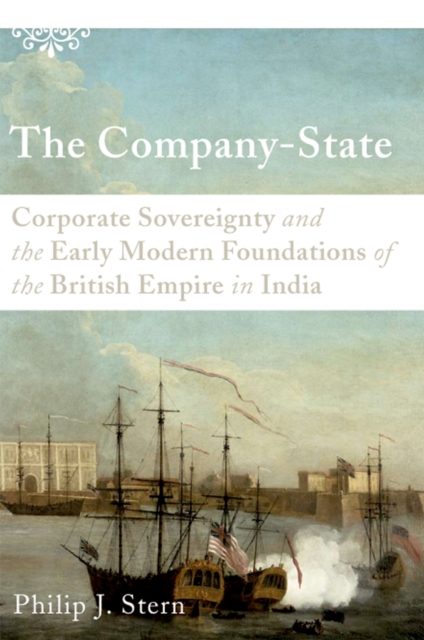
Almost since the event itself in 1757, the English East India Company's victory over the forces of the nawab of Bengal and the territorial acquisitions that followed has been perceived as the moment when the British Empire in India was born.
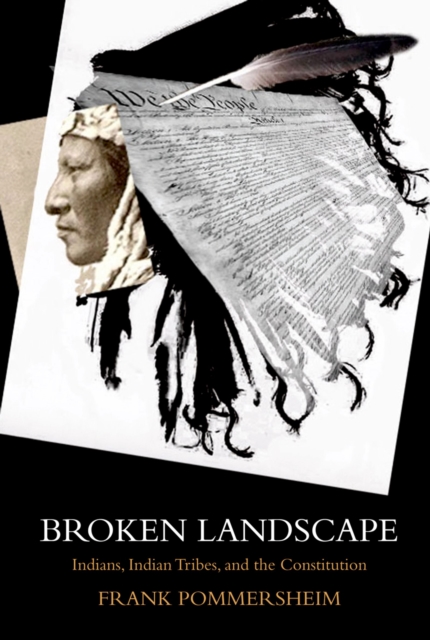
Broken Landscape is a sweeping chronicle of Indian tribal sovereignty under the United States Constitution and the way that legislators have interpreted and misinterpreted tribal sovereignty since the nation's founding.
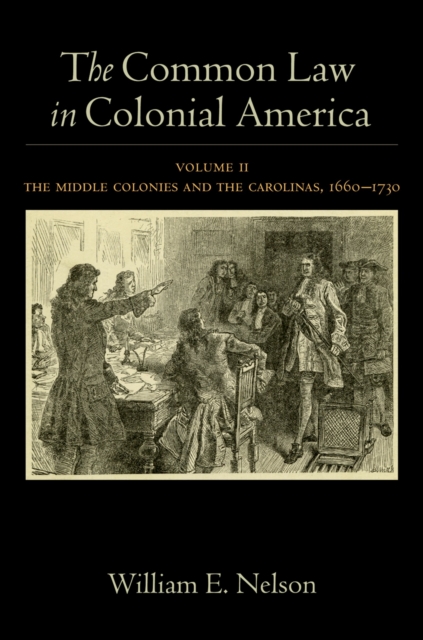
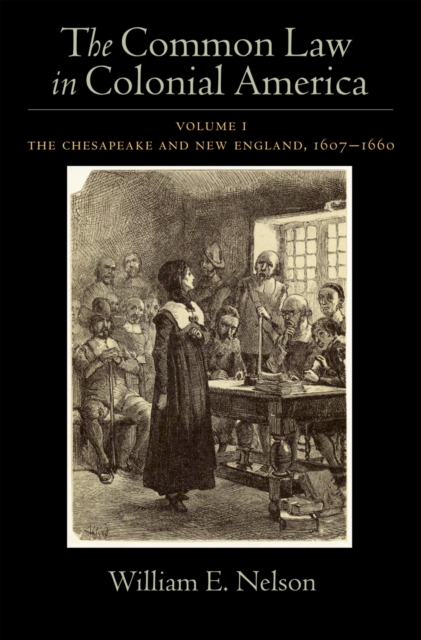
Drawing on groundbreaking and overwhelmingly extensive research into local court records, The Common Law in Colonial America proposes a "e;new beginning"e; in the study of colonial legal history, as it charts the course of the common law in Early America, to reveal how the models of law that emerged differed drastically from that of the English common law.
Mechanical Witness is the first cultural and legal history charting the changing role and theoretical implications of film and video use as courtroom evidence.
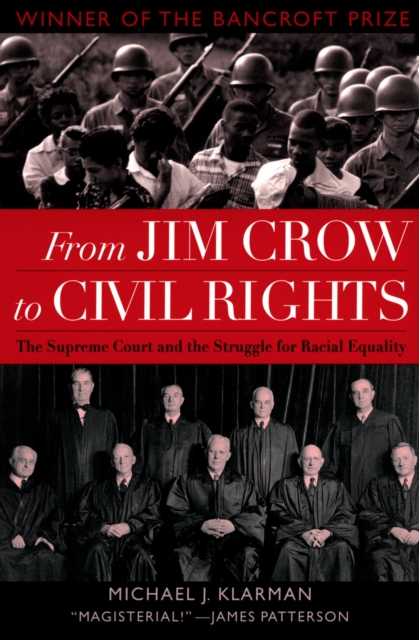
A monumental investigation of the Supreme Court's rulings on race, From Jim Crow To Civil Rights spells out in compelling detail the political and social context within which the Supreme Court Justices operate and the consequences of their decisions for American race relations.
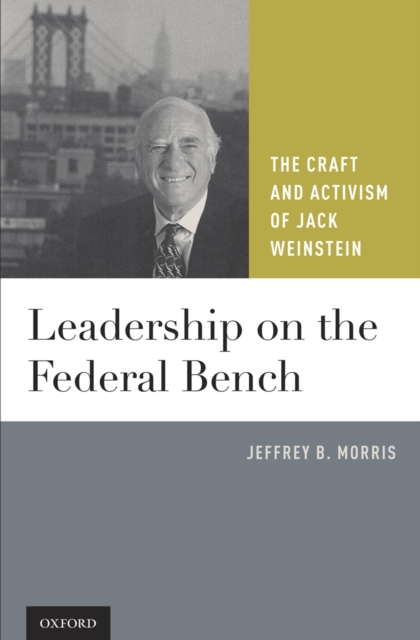
Leadership on the Federal Bench: The Craft and Activism of Jack Weinstein considers the ways a particularly gifted federal judge seized the opportunities available to district judges to influence the results of the cases before him, and employed the tools available to him to make policy having a national impact.
With only 54 years of existence, the Constitution of the State of Alaska is in its developmental infancy compared to the constitutional history of the rest of the United States.
In The Utah State Constitution, Jean Bickmore White offers a comprehensive review of the unique historical background and the 100-year development of the Utah State Constitution.