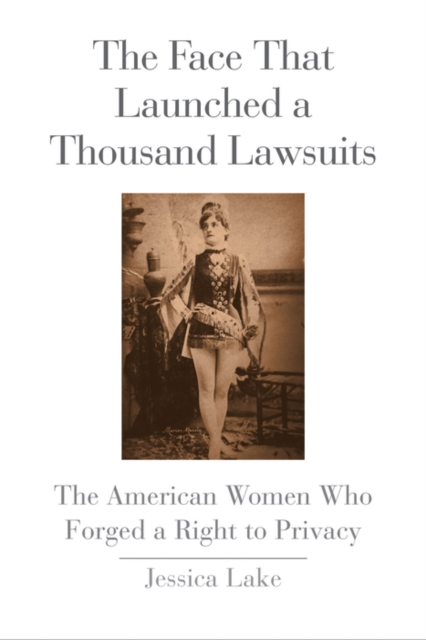
A compelling account of how women shaped the common law right to privacy during the late nineteenth and early twentieth centuries Drawing on a wealth of original research, Jessica Lake documents how the advent of photography and cinema drove women—whose images were being taken and circulated without their consent—to court.
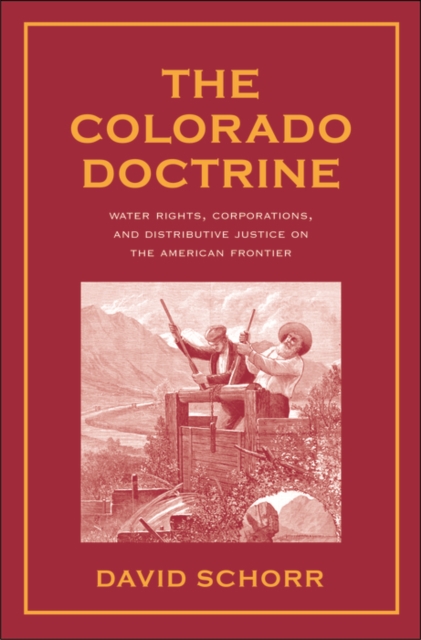
Making extensive use of archival and other primary sources, David Schorr demonstrates that the development of the “appropriation doctrine,” a system of private rights in water, was part of a radical attack on monopoly and corporate power in the arid West.
Erasmus’ Adages—a vast collection of the proverbial wisdom of Greek and Roman antiquity—was published in 1508 and became one of the most influential works of the Renaissance.
A new perspective on United States software development, seen through the patent battles that shaped our technological landscape This first comprehensive history of software patenting explores how patent law made software development the powerful industry that it is today.
In this important work of legal, political, and moral theory, Joseph William Singer offers a controversial new view of property and the entitlements and obligations of its owners.
An examination of how two fundamental concepts of order influence our ideas about sovereignty, citizenship, law, and history Western accounts of natural and political order have deployed two basic ideas: project and system.
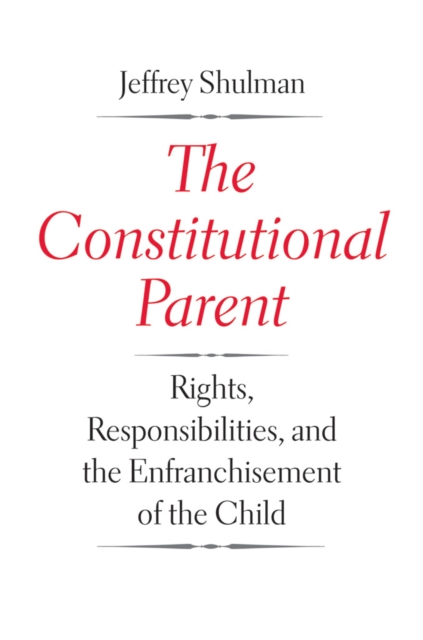
Despite being commonplace in American households a generation ago, corporal punishment of children has been subjected to criticism and shifting attitudes in recent years.
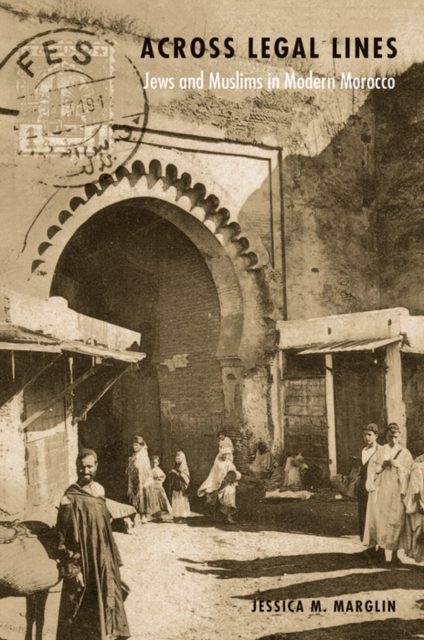
A previously untold story of Jewish-Muslim relations in modern Morocco, showing how law facilitated Jews’ integration into the broader Moroccan society in which they lived Morocco went through immense upheaval in the nineteenth and early twentieth centuries.
A Civil War-era treatise addressing the power of governments in moments of emergency The last work of Abraham Lincoln’s law of war expert Francis Lieber was long considered lost—until Will Smiley and John Fabian Witt discovered it in the National Archives.
Rewriting the Supreme Court's landmark gay rights decision Jack Balkin and an all-star cast of legal scholars, sitting as a hypothetical Supreme Court, rewrite the famous 2015 opinion in Obergefell v.
Cultural views of femininity exerted a powerful influence on the courtroom arguments used to defend or condemn notable women on trial in nineteenth-century and early-twentieth-century America.
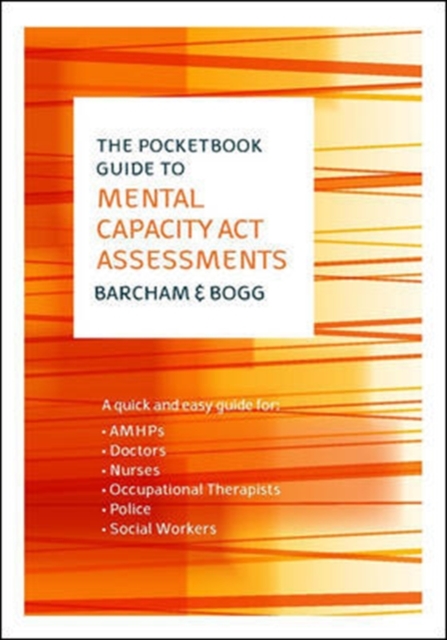
Complete with a foreword by the late Terry Bogg, this handy pocketbook provides accessible guidance to health and social care practitioners on the day-to-day aspects of using and applying the Mental Capacity Act.
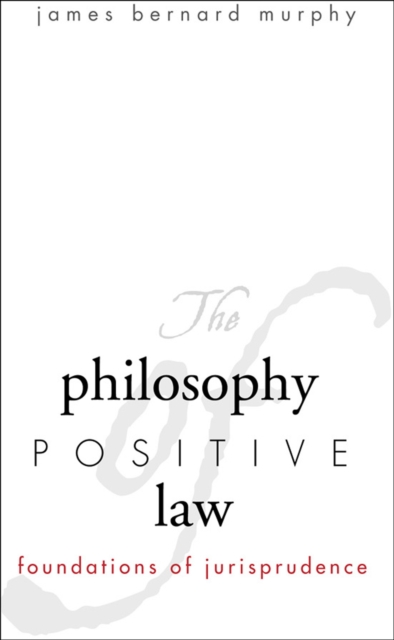
In this first book-length study of positive law, James Bernard Murphy rewrites central chapters in the history of jurisprudence by uncovering a fundamental continuity among four great legal philosophers: Plato, Thomas Aquinas, Thomas Hobbes, and John Austin.
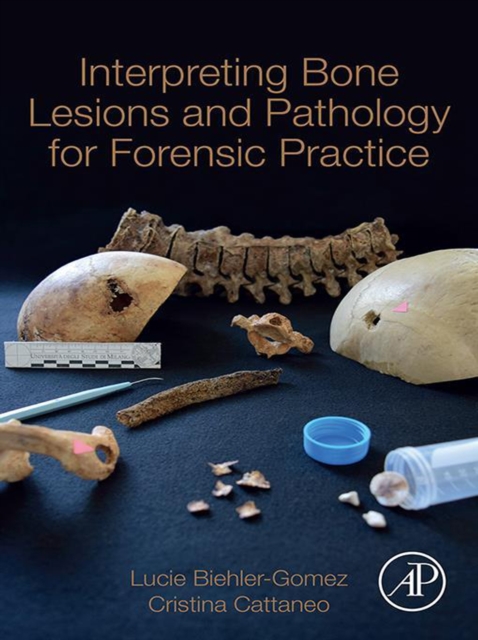
Interpreting Bone Lesions and Pathology for Forensic Practice presents a concise description of the necessary steps for the differential diagnosis of disease and trauma on skeletal remains.
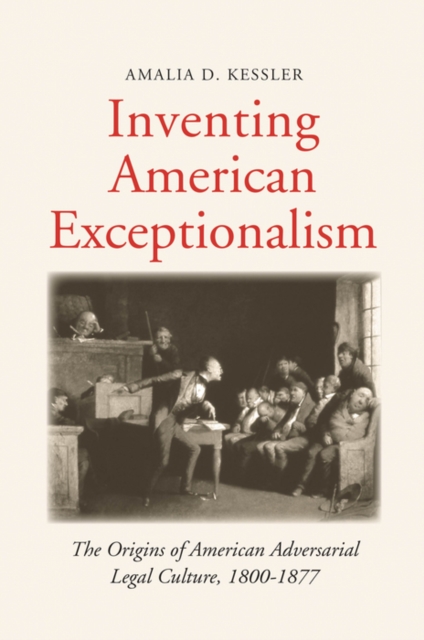
A highly engaging account of the developments—not only legal, but also socioeconomic, political, and cultural—that gave rise to Americans’ distinctively lawyer-driven legal culture When Americans imagine their legal system, it is the adversarial trial—dominated by dueling larger-than-life lawyers undertaking grand public performances—that first comes to mind.
Taiwans modern legal system--quite different from those of both traditional China and the Peoples Republic--has evolved since the advent of Japanese rule in 1895.
No ha habido quizás en Europa otro periodo histórico en el que la ciencia jurídica desempeñara un papel tan relevante como durante la vigencia de la Constitución de Weimar.
Among the greatest intellectual heroes of modern times, Raphael Lemkin lived an extraordinary life of struggle and hardship, yet altered international law and redefined the world’s understanding of group rights.
What happens in the virtual world doesn't always stay in the virtual world Tens of millions of people today are living part of their life in a virtual world.
How vagrancy, as legal and imaginative category, shaped the role of policing in colonialism, racial formation, and resource distribution In this innovative book demonstrating the important role of eighteenth-century literary treatments of policing and vagrancy, Nicolazzo offers a prehistory of police legitimacy in a period that predates the establishment of the modern police force.
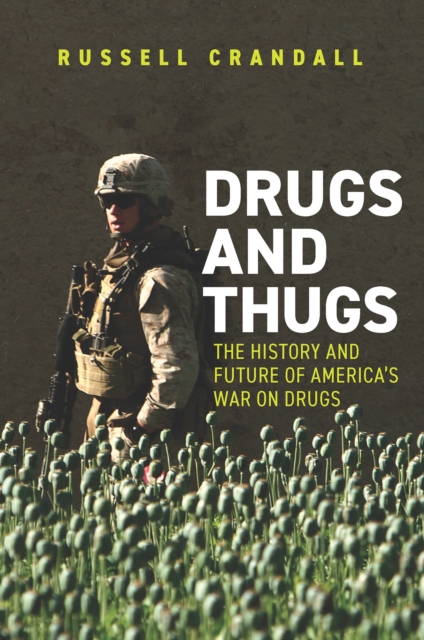
A sweeping and highly readable work on the evolution of America's domestic and global drug war How can the United States chart a path forward in the war on drugs?
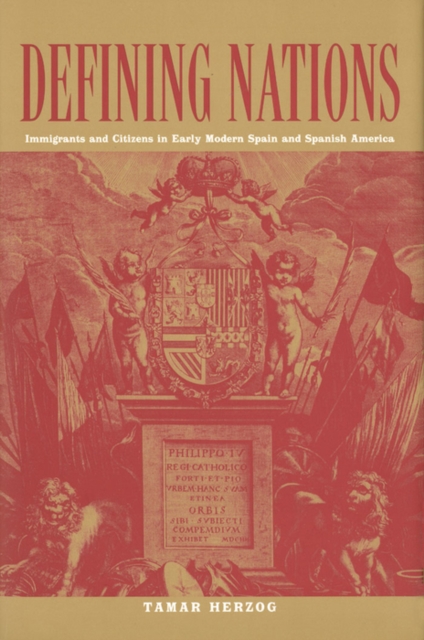
In this book Tamar Herzog explores the emergence of a specifically Spanish concept of community in both Spain and Spanish America in the eighteenth century.
Applications of Time-of-Flight and Orbitrap Mass Spectrometry in Environmental, Food, Doping, and Forensic Analysis deals with the use of high-resolution mass spectrometry (MS) in the analysis of small organic molecules.
A behind-the-scenes look at how the rich and powerful use offshore shell corporations to conceal their wealth and make themselves richerIn 2015, the anonymous leak of the Panama Papers brought to light millions of financial and legal documents exposing how the superrich hide their money using complex webs of offshore vehicles.
Deviance: Social Constructions and Blurred Boundaries draws on up-to-date scholarship across a wide spectrum of deviance categories, providing a symbolic interactionist analysis of the deviance process.
This new edition upon the 50th anniversary of In re Gault includes expanded coverage of the Roberts Courts juvenile justice decisions including Miller v.
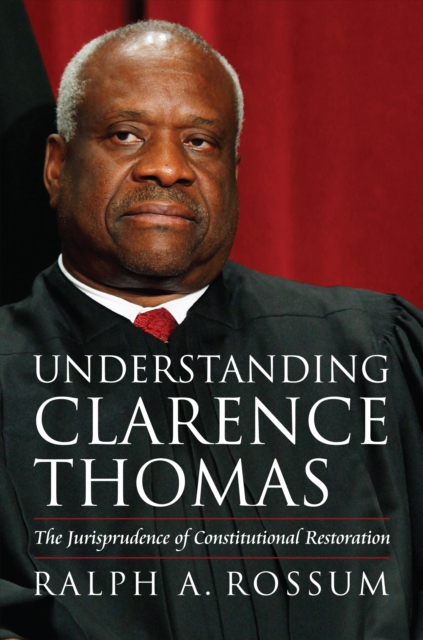
Though Clarence Thomas has been a Supreme Court Justice for nearly 25 years and has written close to five hundred opinions, legal scholars and pundits have given him short shrift, often, in fact, dismissing him as a narrow partisan, a silent presence on the bench, an enemy of his race, a tool of Antonin Scalia.
From the perspective of young lawyers in three key New Deal agencies, this book traces the path of crucial constitutional test cases during the years from 1933 to 1937.