Esta obra plantea los presupuestos fundamentales para el debate sobre el problema territorial colombiano, al tiempo que permite que el lector saque sus propias conclusiones, cosa que no sorprende en la medida en que el mérito del libro reside en dar elementos serios de juicio para, de una vez por todas, empezar las tantas veces aplazada discusión.
Este primer volumen del Curso de Derecho Constitucional Chileno del profesor José Luis Cea Egaña, contiene un completo análisis de la trayectoria constitucional de nuestra República desde 1925 a la fecha y las características y todas las reformas de las cartas fundamentales de aquel año y de 1980, además de la explicación del sentido y alcance de los capítulos I y II de la Constitución actualmente vigente y su legislación complementaria.
En este cuarto y último tomo de su libro Derecho Constitucional Chileno, José Luis Cea analiza todos los órganos de jerarquía constitucional que no habían sido comentados en los volúmenes anteriores, como el Poder Judicial, el Ministerio Público y el Gobierno Interior del Estado.
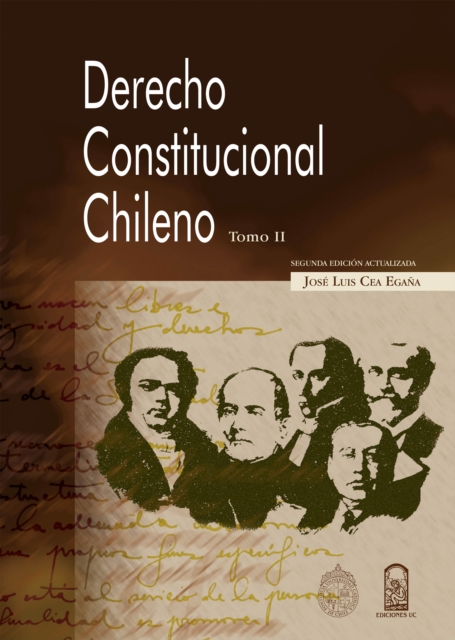
Esta es la segunda edición, ampliada y actualizada, del segundo de los tres volúmenes del curso de Derecho Constitucional Chileno, preparado por el profesor José Luis Cea Egaña.
El tomo II de esta obra, aborda la evolución y antecedentes de la actual Carta Fundamental de 1980 y se presenta un profundo y pormenorizado análisis de los temas que plantean sus capítulos: Bases de la Institucionalidad, Nacionalidad y Ciudadanía, y Derechos y Deberes Fundamentales.
En esta tercera edición del primer tomo de la obra Curso de Derecho Constitucional, enfocado en las bases conceptuales y doctrinarias del Derecho Constitucional, la autora ha enriquecido el trabajo original, que hacía referencia a conceptos fundamentales relacionados con el Estado, el Gobierno, los Derechos Humanos y al modelo democrático constitucional, tanto de Chile como de otros países occidentales.
This book presents an in-depth and nuanced interdisciplinary and comparative analysis of (post-)conflict constitution-making in South Sudan and Somaliland, exploring the ways in which the two emerging states negotiate statehood in a globalised world.
Fragmento de la obra(11 de agosto de 1869)En el nombre de Dios, Uno y Trino, autor, legislador y conservador del Universo, la Convención Nacional del Ecuador ha decretado y sometido a la aprobación del pueblo la siguiente Constitución.
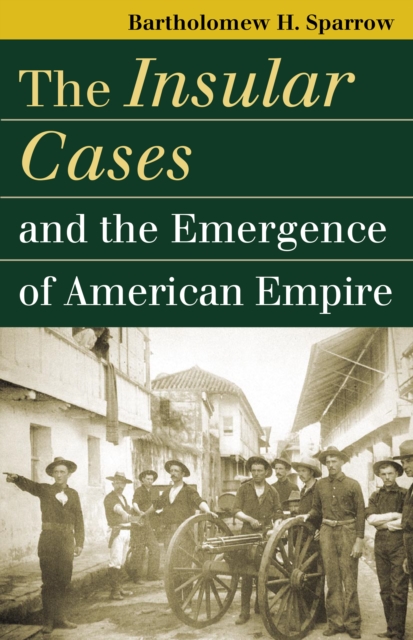
When the United States took control of Cuba, Puerto Rico, the Philippines, and Guam following the Spanish-American War, it was unclear to what degree these islands were actually part of the U.
Los hechos, según sostuvo Kelsen, al formular el modelo concentrado de control jurisdiccional de la Constitución, son ajenos al proceso constitucional.
El Área de Derecho Constitucional de la Pontificia Universidad Católica del Perú, en este período de emergencia sanitaria, realiza periódicamente "Desayunos Constitucionales", en los cuales reflexiona sobre el rol del Estado constitucional bajo el estado de emergencia, a través de la presentación de ponencias de sus profesores e invitados internacionales, analizando la situación de los derechos fundamentales en la lucha contra el coronavirus, desde una perspectiva global, regional y nacional.
Un debate sobre principios constitucionalesEl número 34 (2011) de la prestigiosa Revista Doxa, dedicó como tema de debate la contraposición entre constitucionalismo garantista y constitucionalismo principialista que iniciaba con un texto de Ferrajoli en el que se establecía la distinción, marcando las diferencias desde el lado del constitucionalismo garantista defendido por el jurista italiano.
Carlos Blancas Bustamante presenta un panorama de las instituciones y conceptos básicos del derecho constitucional como disciplina que se ocupa del estudio de las normas jurídicas que regulan el proceso político de las sociedades y la organización y funciones del Estado.
Incluye el texto de la Constitución Política de la Ciudad de México, vigente a partir del 17 de septiembre de 2018, excepto por lo que hace a la materia electoral, la cual está vigente a partir del 6 de febrero de 2017, que se dio a conocer en el Diario Oficial de la Federación y en la Gaceta Oficial de la Ciudad de México el 5 de febrero de 2017.
La presente edición contiene el texto más actualizado de la Constitución Política de los Estados Unidos Mexicanos, al integrar las últimas reformas en materia de desindexación del salario mínimo y de reforma política de la Ciudad de México, publicadas en el Diario Oficial de la Federación los días 27 y 29 de enero de 2016, respectivamente.
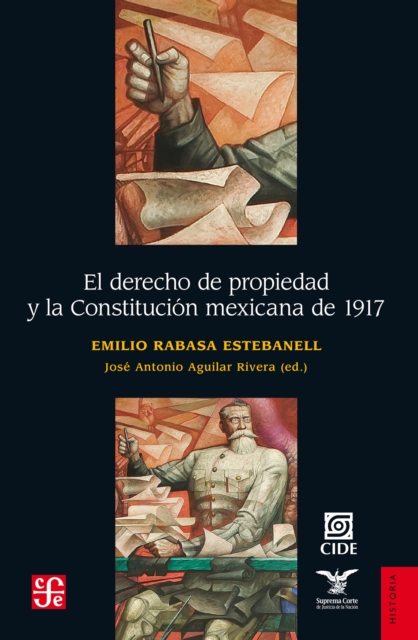
Texto inédito de Emilio Rabasa Estebanell (1856-1930), escrito en abril de 1917, que realiza una crítica jurídica del régimen de propiedad establecido en el artículo 27 de la Constitución de Querétaro.
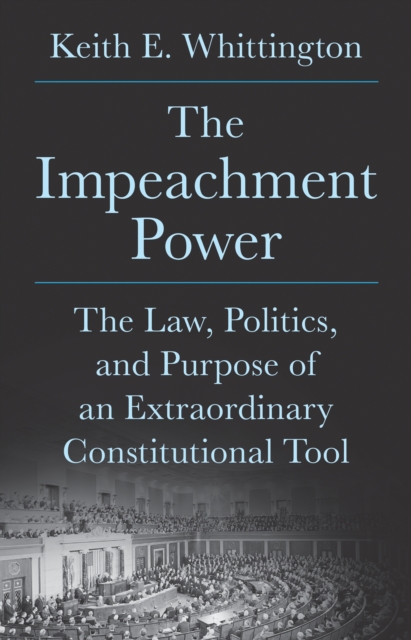
An essential primer on impeachment for today's divided public squareWe are witnessing an unprecedented moment in American politics in which impeachments are increasingly common.
Gegenstand der Arbeit ist eine kritische Analyse der Untersuchungs- und Eingriffsrechte privatgerichteter parlamentarischer Untersuchungsausschüsse anhand der Verweise auf strafprozessuale Regelungen in Art.
This book is dedicated to Joachim Jens Hesse, a scholar whose multi-faceted work may be characterised as an attempt at "e;crossing borders"e; in several respects.
This collection examines theoretical and practical issues concerning the relationship between freedom of religion or belief and other fundamental rights, in the context of secular States, from the perspective of human dignity.
Der Autor geht der Frage nach, welchen Verantwortungsbeitrag im Hinblick auf den Datenschutz jeder einzelne Nutzer bei transaktionsbezogenen E-Government-Anwendungen zu tragen hat.
Die Edition "Ius Publicum Europaeum" behandelt das Verfassungsrecht nebst Verfassungsprozessrecht und das Verwaltungsrecht im Lichte des gemeinsamen europäischen Rechtsraums.
Die Edition "Ius Publicum Europaeum" behandelt das Verfassungsrecht nebst Verfassungsprozessrecht und das Verwaltungsrecht im Lichte des gemeinsamen europäischen Rechtsraums.
Der Versuch des damaligen Hamburger Innensenatrors Ronald Schill, den großen Spähangriff im Landesverfassungsschutzgesetz zu verankern, scheiterte 2002 auf Grund erheblicher öffentlicher Kritik - insbesondere der Berufsgeheimnisträger.
Diese Einführung in die Problematik der wirtschaftlich relevanten Grundrechte und in das bürgerliche Recht ist für Anfänger des Jura- oder Ökonomiestudiums gedacht.
In den letzten Jahren wurde innerhalb der Referendarausbildung das Gewicht verstärkt auf die anwaltliche Tätigkeit gerichtet, was auch auf die Klausuren im Assessorexamen durchschlägt.
Die Werke der Reihe "Recht und Neue Medien" zeichnen sich durch kompetente Autoren aus Wissenschaft und Praxis, große Aktualität und eine leicht verständliche Darstellung aus.