The United States has not updated the Electoral College system since the Twelfth Amendment was ratified in 1804, despite public opinion polls showing a majority of Americans are in favor of changing or outright abolishing it.
The United States has not updated the Electoral College system since the Twelfth Amendment was ratified in 1804, despite public opinion polls showing a majority of Americans are in favor of changing or outright abolishing it.
How federalism can be used to provide recognition and accommodate ethnic groups is an important topic, not only in Africa, but in multi-ethnic communities around the world.
How federalism can be used to provide recognition and accommodate ethnic groups is an important topic, not only in Africa, but in multi-ethnic communities around the world.
From Old Times to New Europe considers the post-totalitarian legal framework in today's Europe, arguing that the study of totalitarianism and post-totalitarianism continues to be significant as ever.
From Old Times to New Europe considers the post-totalitarian legal framework in today's Europe, arguing that the study of totalitarianism and post-totalitarianism continues to be significant as ever.
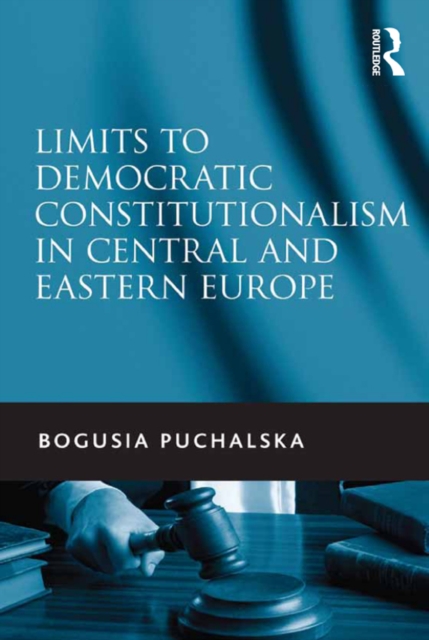
In this book, Bogusia Puchalska develops an original theory of democratic constitutionalism and uses it to support the argument that constitution-making and law-making in constitutional moments should be politically, and not just constitutionally, legitimate.
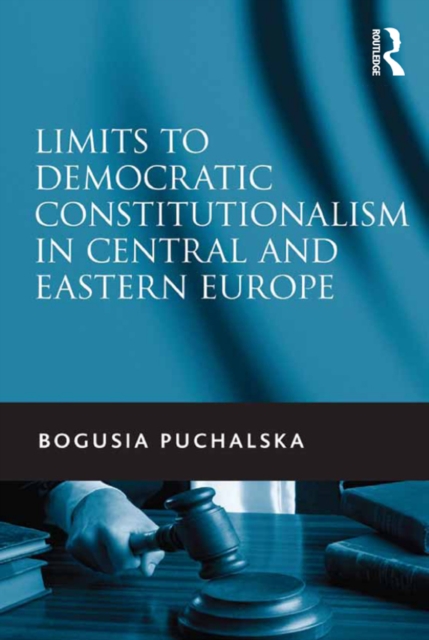
In this book, Bogusia Puchalska develops an original theory of democratic constitutionalism and uses it to support the argument that constitution-making and law-making in constitutional moments should be politically, and not just constitutionally, legitimate.
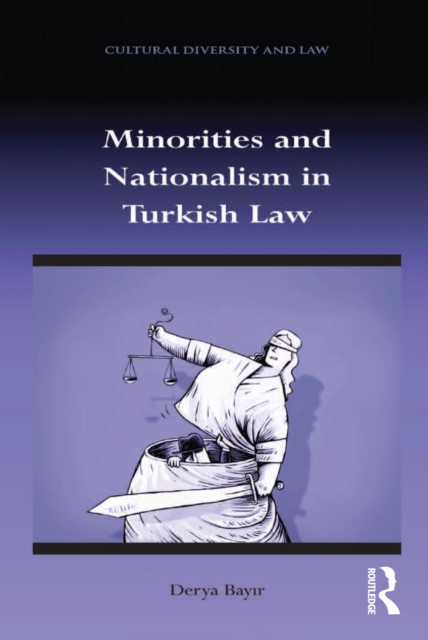
Examining the on-going dilemma of the management of diversity in Turkey from a historical and legal perspective, this book argues that the state's failure to accommodate ethno-religious diversity is attributable to the founding philosophy of Turkish nationalism and its heavy penetration into the socio-political and legal fibre of the country.
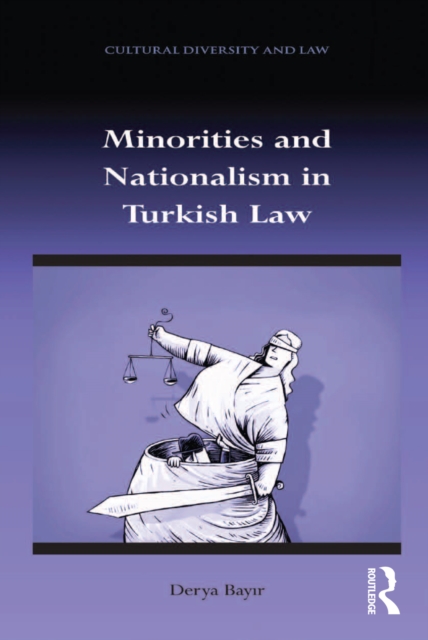
Examining the on-going dilemma of the management of diversity in Turkey from a historical and legal perspective, this book argues that the state's failure to accommodate ethno-religious diversity is attributable to the founding philosophy of Turkish nationalism and its heavy penetration into the socio-political and legal fibre of the country.
This book investigates the role of Islam and religious freedom in the constitutional transitions of six North African and Middle Eastern countries, namely Morocco, Algeria, Tunisia, Egypt, Turkey, and Palestine.
This book investigates the role of Islam and religious freedom in the constitutional transitions of six North African and Middle Eastern countries, namely Morocco, Algeria, Tunisia, Egypt, Turkey, and Palestine.
This collection brings together some of the most influential sociologists of law to confront the challenges of current transnational constitutionalism.
This collection brings together some of the most influential sociologists of law to confront the challenges of current transnational constitutionalism.
Considering plays by Philip Massinger, Richard Brome, Ben Jonson, John Ford and James Shirley, this study addresses the political import of Caroline drama as it engages with contemporary struggles over authority between royal prerogative, common law and local custom in seventeenth-century England.
Considering plays by Philip Massinger, Richard Brome, Ben Jonson, John Ford and James Shirley, this study addresses the political import of Caroline drama as it engages with contemporary struggles over authority between royal prerogative, common law and local custom in seventeenth-century England.
This volume presents a practical demonstration of the relevance of Carl Schmitt's thought to parapolitical studies, arguing that his constitutional theory is the one best suited to investing the 'deep state' with intellectual and doctrinal coherence.
This volume presents a practical demonstration of the relevance of Carl Schmitt's thought to parapolitical studies, arguing that his constitutional theory is the one best suited to investing the 'deep state' with intellectual and doctrinal coherence.
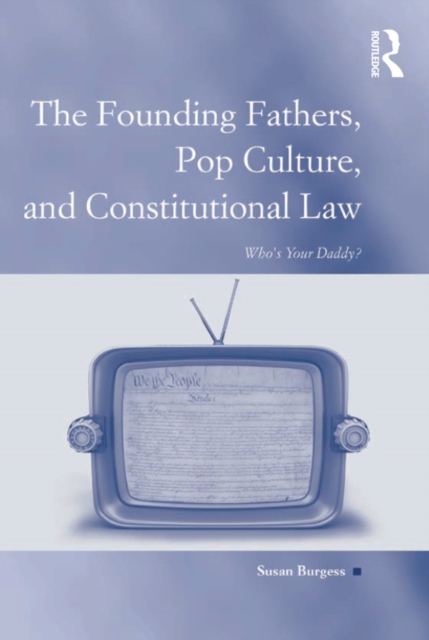
Applying innovative interpretive strategies drawn from cultural studies, this book considers the perennial question of law and politics: what role do the founding fathers play in legitimizing contemporary judicial review?
Applying innovative interpretive strategies drawn from cultural studies, this book considers the perennial question of law and politics: what role do the founding fathers play in legitimizing contemporary judicial review?