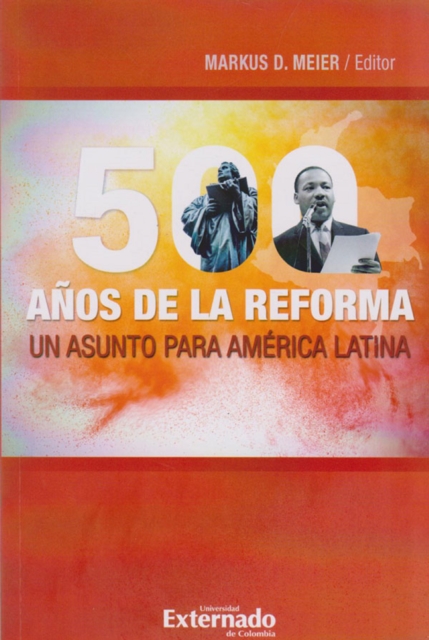
La Reforma -junto con el "descubrimiento" de América- significa para muchos historiadores el final de la Edad Media y el comienzo de los tiempos modernos -hasta hoy-o Las innovaciones de la época en los campos de la teología, la filosofía, la educación y la sociedad se explican en las diversas contribuciones de esta antología, tanto para los países que permanecieron fieles a la vieja doctrina como para los que aceptaron la nueva.
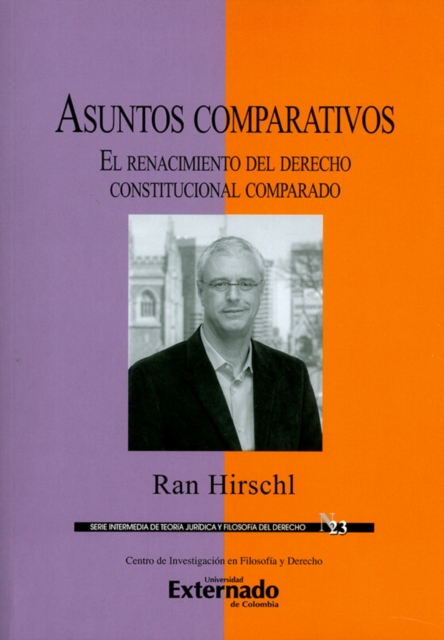
Los estudios comparados se han posicionado como una nueva frontera de la academia en derecho constitucional, así como un aspecto importante de la adjudicación constitucional.
Las Lecciones de Derecho Constitucional presentan una serie de reflexiones en torno a las principales caracteristicas del constitucionalismo colombiano y, en particular, aquellas que defienden las caracteristicas de nuestro Estado social de derecho.
Este libro tiene como punto de partida el examen de algunos documentos elaborado en el ámbito del derecho internacional de los derechos humanos, para después viajar a través de diferentes espacios conceptuales como la filosofía del derecho, la bioética, la biopolítica y la filosofía de la biología, de los que se tomaron algunos conceptos apropiados para formular una explicación de los fundamentos del derecho humano al agua.
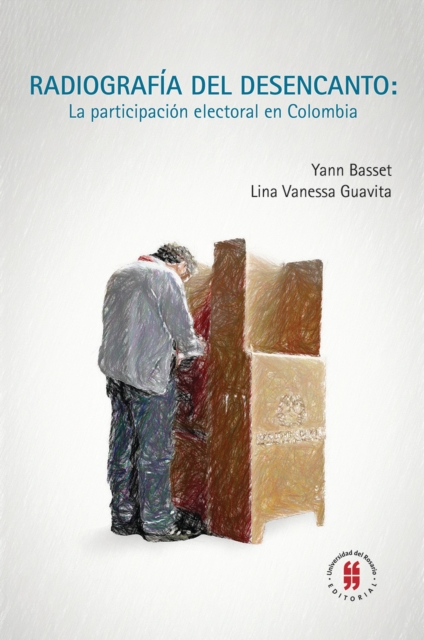
Colombia tiene la reputación de ser uno de los países con menor participación electoral en América Latina, lo que en varias oportunidades de la historia reciente del país ha suscitado debates sobre volver obligatorio el voto.
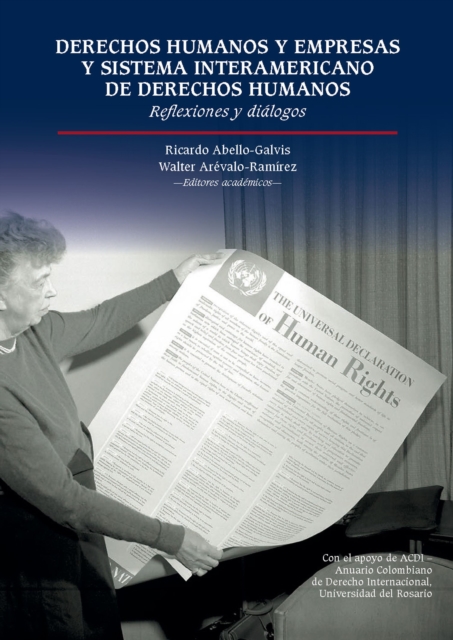
El presente libro es una obra colectiva que refleja el desarrollo de los derechos humanos en el país, específicamente en la Facultad de Jurisprudencia de la Universidad del Rosario.
Este libro pretende reconstruir la historia del derecho comercial colombiano no a partir de las fuentes normativas, sino desde las sentencias de casación de la Corte Suprema de Justicia.
"Esta obra es el resultado del trabajo de diferentes grupos de autores articulados a través del Centro de Investigaciones Francisco de Vitoria, de la Facultad de Derecho de la Universidad Santo Tomás.
Durante el año 2018, parte del equipo de docentes de la Maestría en Defensa de los Derechos Humanos y el Derecho Internacional Humanitario de la Facultad de Derecho de la Universidad Santo Tomás realizó un trabajo de investigación que se concreta en esta publicación titulada Debates y desafíos para los derechos humanos en Colombia.
El modelo de justicia para la transición pactado entre el Gobierno nacional y las Fuerzas Armadas Revolucionarias de Colombia establece componentes de justicia restaurativa, combinados con penas alternativas que buscan tener un enfoque de justicia restaurativa.
Este libro cuenta una historia sobre la manera como las críticas al liberalismo y a la democracia, propias del siglo XX, impactaron las construcciones teórico-constitucionales de los estados de excepción en Argentina, Chile y Colombia entre 1930 y 1990.
El sistema procesal colombiano está en la búsqueda de mayor efectividad de los procesos judiciales y protección legítima de los derechos de sus ciudadanos.
Este libro es el fruto del trabajo y la reflexión que llevamos a cabo a lo largo dedos años en el seminario de investigación "Democracia y derechos humanos"de la Flacso México (en adelante el seminario).
Este libro, fruto de varias investigaciones de la Universidad Externado de Colombia y la Red unitwin, tiene dos ejes fundamentales de trabajo: deuna parte, los derechos humanos y la violencia, gobierno y gobernanza, y de otra, las políticas públicas y la infancia.
Este libro se estructura alrededor de una de las materias más relevantes y determinantes del derecho, como es el derecho constitucional y la teoría del Estado, abordando uno de los ejes problemáticos más comunes: la constitucionalización del derecho.
Esta obra es producto de una serie de reflexiones que giran en torno a dos temáticas fundamentales del constitucionalismo contemporáneo, como son el papel del juez en la creación del derecho y la reforma de la Constitución, y la delimitación entre el poder constituyente derivado y el poder constituyente originario.
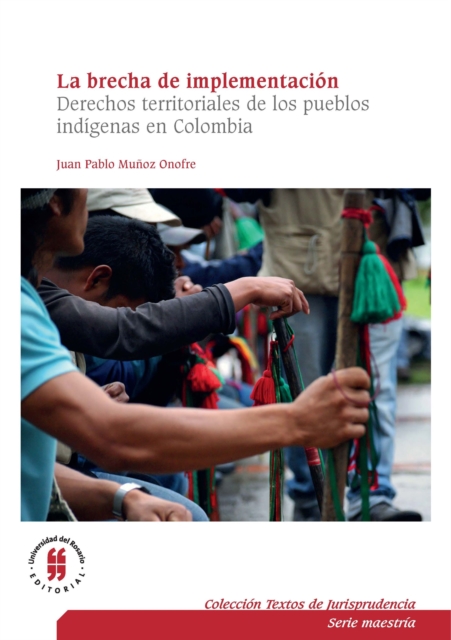
Las disputas en tomo al reconocimiento y pleno ejercicio de los derechos de los pueblos indígenas sobre sus tierras, han sido históricamente transversales a las relaciones entre estas poblaciones, el Estado y el resto de la sociedad colon1biana.
"Se presenta a la comunidad académica el tercer tomo sobre temas nucleares del derecho civil, dedicado en esta ocasión a la apreciación de la naturaleza desde el enfoque jurídico y las diversas relaciones entre las personas que tienen como fuente e interés protegido los objetos materiales.
El derecho se entiende hoy como una herramienta idónea para producir cambios en las sociedades y atender las necesidades y desafíos modernos, lo cual era casi impensable hace algunos años; se concibe como un medio para formar profesionales, pero, ante todo, abogados que son conscientes de su rol transformador en un contexto social con amplias necesidades.
Este libro busca compartir los resultados del trabajo de investigacion-accion participativa que realiza el grupo de Acciones Publicas -GAP- de la Universidad del Rosario, como parte de un esfuerzo de fortalecimiento de la educacion legal clinica y el litigio estrategico en derechos humanos, donde la agenda para Colombia y America Latina es muy amplia.
Los autores de esta obra acudieron a las diferentes fuentes del derecho internacional, realizando una recopilación histórica y por materias de los aspectos propios del derecho penal internacional.
Este texto se centra en el debido proceso y es el resultado de una investigacion minuciosa que partio de la conviccion profunda de que este derecho es fundamental para generar un sistema verdaderamente respetuoso de los derechos humanos y de la democracia.
Varios ensayos y artículos nacionales y extranjeros se han dedicado a estudiar ejemplos específicos de fallos de tutela con efectos modulados -siendo la más analizada la T-025 de 2004, sobre la política pública de prevención y atención del desplazamiento-.
La idea de una fundamentación filosófica de los derechos humanos implica y ataraviesa al mismo tiempo dominios como la teoría de la racionalidad y la teoría de la acción, la ética y la axiología, la filosofía y el derecho, la antropología y la sociología.
¿El hombre del siglo XXI es realmente el centro y fin del ordenamiento jurídico ¿Ocupa el lugar de privilegio que merece en el sistema sociopolítico ¿Tiene a su alcance los medios necesarios para efectivizar sus derechos ¿Cuál es el modelo de enjuiciamiento que debe reconocer y adoptar la democracia para que los derechos humanos sean respetados en plenitud Esta obra hace meditar al lector acerca de estos y muchos otros interrogantes, al tiempo que alienta la factibilidad de construir un sistema de justicia respetuoso de los derechos humanos y los valores democráticos.
En la actual globalizacion, el espacio publico de la comunidad politica se configura en un escenario transnacional que desborda los alcances de la ciudadania localizada en un contexto nacional.
Este libro pretende demostrar que el Derecho de los desplazados, marcado profundamente por su proceso de construcción transnacional, tiene como objetivo principal la protección de los Estados frente a los efectos de las migraciones forzadas masivas, que son percibidos de forma negativa.
Tal como lo asegura el catedrático de la Universidad Autónoma de Madrid, Antonio Fernández de Bruján, la valiosa monografía, que ahora ve la luz, trata de lograr que las aportaciones de los romanistas que somos al propio tiempo que historiadores, juristas de nuestro tiempo histórico, resulten también útiles a los estudiosos de las ciencias del Derecho positivo, desde la, en afortunada expresión de Portalis, consideración de la historia como física experimental de la legislación.
Este libro busca suplir un vacío en los estudios sobre el ensayo colombiano, un vacío que, como se puede constatar en cualquier pesquisa bibliográfica, es teórico y crítico, divulgativo y patrimonial, y que se ha extendido desafortunadamente hasta las antologías y los estudios sobre el ensayo hispanoamericano, materiales en los que la producción ensayística colombiana es casi invisible.
El Tribunal Supremo indio, El Tribunal Constitucional sudafricano y la Corte Constitucional colombiana son tres de los tribunales más importantes y creativos del Sur Global.
El Tribunal Supremo indio, El Tribunal Constitucional sudafricano y la Corte Constitucional colombiana son tres de los tribunales más importantes y creativos del Sur Global.
El desplazamiento forzado, sufrido por aproximadamente dos millones quinientos mil colombianos, es un flagelo pues atenta contra la convivencia pacífica del tejido social de Colombia, si se tiene en cuenta que este fenómeno es sinónimo de desolación y sufrimiento para las víctimas directas e indirectas que lo padecen.
El desplazamiento forzado, sufrido por aproximadamente dos millones quinientos mil colombianos, es un flagelo pues atenta contra la convivencia pacífica del tejido social de Colombia, si se tiene en cuenta que este fenómeno es sinónimo de desolación y sufrimiento para las víctimas directas e indirectas que lo padecen.
En este libro, la autora desarrolla un estudio robusto y pormenorizado de las libertades de pensamiento, conciencia, religión, objeción de conciencia, expresión, información, opinión y del derecho de acceso a la información pública.
Defending Legal Freedoms in Indonesia provides fresh insights into how cause lawyers navigate political and institutional change, by presenting and analysing the Indonesian Legal Aid Foundation (YLBHI), the oldest and most influential legal and human rights organisation in Indonesia.
The concept of human dignity is already embedded in the constitutional architecture of the European Union and throughout the world, but it remains a slippery and elusive concept.
En este Proyecto de Constitución para las Colonias Hispano-Americanas Francisco de Miranda describe, en 1798, la construcción de un inmenso estado que abarcaría el continente.
La Constitucion Federal espanola de 1873 fue un proyecto de constitucion para la Primera Republica Espanola, redactado principalmente por Emilio Castelar, que no llego a ser aprobado por las Cortes.
La Constitucion de Nicaragua de 1912 establece que Nicaragua es una nacion libre, soberana e independiente, cuyo territorio incluye las islas adyacentes y esta situado entre los oceanos Atlantico y Pacifico, y las Republicas de Honduras y Costa Rica.