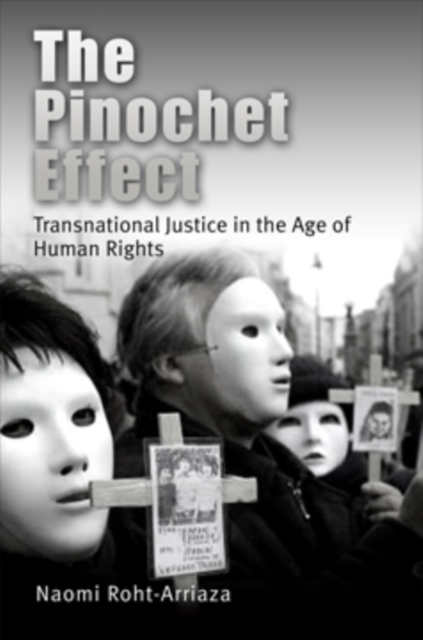
The 1998 arrest of General Augusto Pinochet in London and subsequent extradition proceedings sent an electrifying wave through the international community.
Concise and Abridged EditionIn this blistering polemic, veteran journalist Mick Hume presents an uncompromising defence of freedom of expression, which he argues is threatened in the West, not by jackbooted censorship but by a creeping culture of conformism and You-Can't-Say-That.
HarperCollins is proud to present this shocking first-hand account of one man's remarkable fight for freedom which became an award-winning motion picture in our range of timeless literary classics.
In these original essays, America's leading historians and legal scholars reassess the ratification of the Thirteenth Amendment and its relevance to issues of liberty, justice, and equality.
In this controversial and hotly discussed book, Sir Peregrine presents a reactionary and playful look at the origins, evolution and demise of the aristocracy.
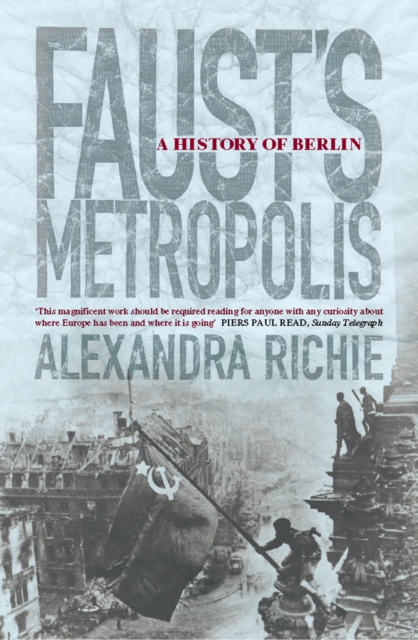
A radical and exciting history of a city - its culture, its people and its politics - that refreshes our image of Europe's past and of the writing of history itself.
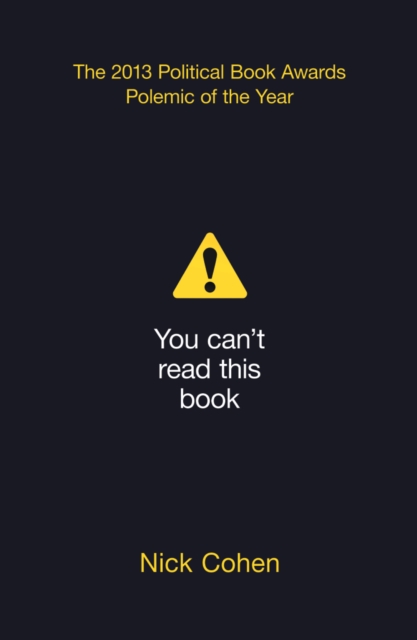
The uncompromising Nick Cohen exposes the reality behind the freedoms we enjoy in the book that won Polemic of the Year at the 2013 Political Book Awards.
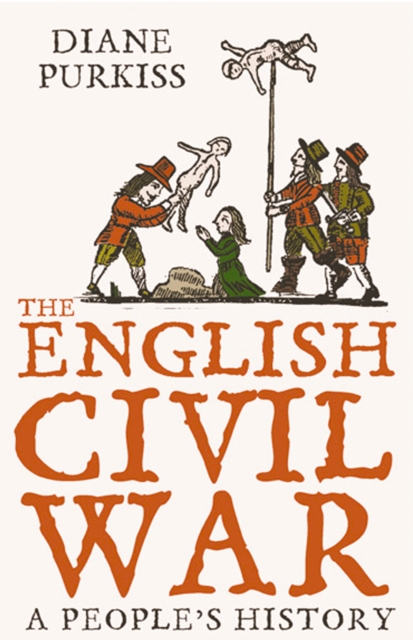
This popular history of the English Civil War tells the story of the bloody conflict between Oliver Cromwell and Charles I from the perspectives of those involved.
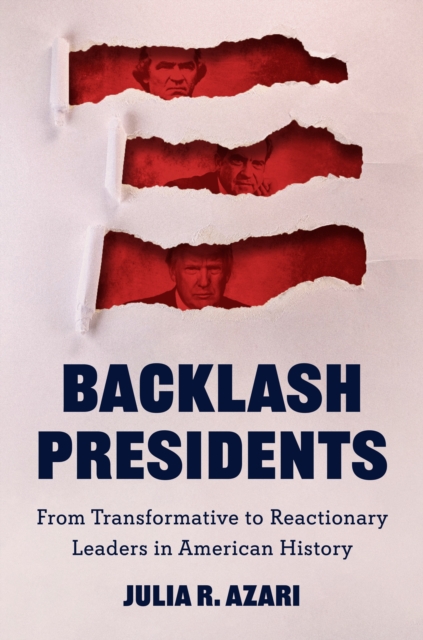
How most presidents avoid upsetting the racial status quoand why those who do pave the way for lawless, norm-violating successorsWhen Barack Obama won the White House in 2008, becoming the nation's first Black president, the stage was set for Donald Trump's eventual rise to power.
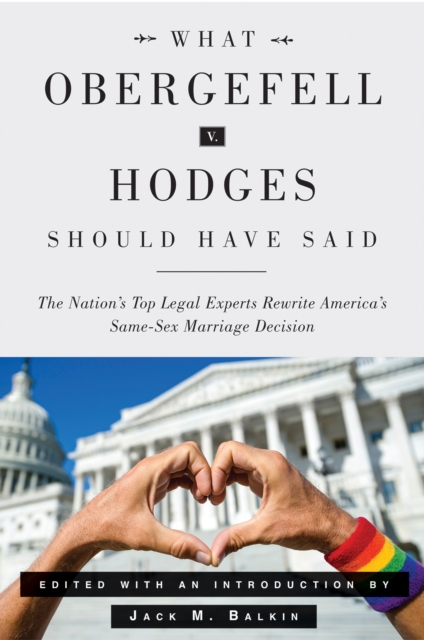
Rewriting the Supreme Court's landmark gay rights decision Jack Balkin and an all-star cast of legal scholars, sitting as a hypothetical Supreme Court, rewrite the famous 2015 opinion in Obergefell v.
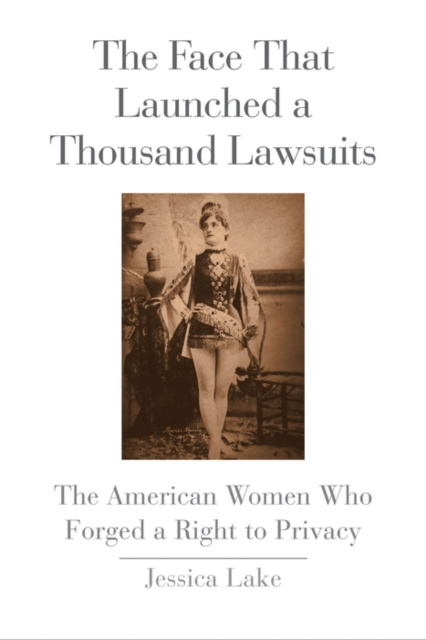
A compelling account of how women shaped the common law right to privacy during the late nineteenth and early twentieth centuries Drawing on a wealth of original research, Jessica Lake documents how the advent of photography and cinema drove women—whose images were being taken and circulated without their consent—to court.
America's preeminent First Amendment lawyer speaks out on the most controversial free-speech issues of our time Since 1971, when the Pentagon Papers were leaked to the New York Times and furious debate over First Amendment rights ensued, free-speech cases have emerged in rapid succession.
La libre determinación de los pueblos indígenas es un derecho fundamental reconocido por el derecho internacional de los derechos humanos a partir del cambio del paradigma de la asimilación al paradigma intercultural.
Across eighteenth-century Europe, political power resided overwhelmingly with absolute monarchs, with notable exceptions including the much-studied British Parliament as well as the frequently overlooked Hungarian Diet, which placed serious constraints on royal power and broadened opportunities for political participation.
This book examines the discourse and developments surrounding privacy and data protection in the digital realm, featuring papers and discussions from the 2024 CPDP.
La inteligencia artificial ha dejado de ser una promesa futura para convertirse en una realidad que transforma radicalmente el ejercicio del derecho y los sistemas judiciales.
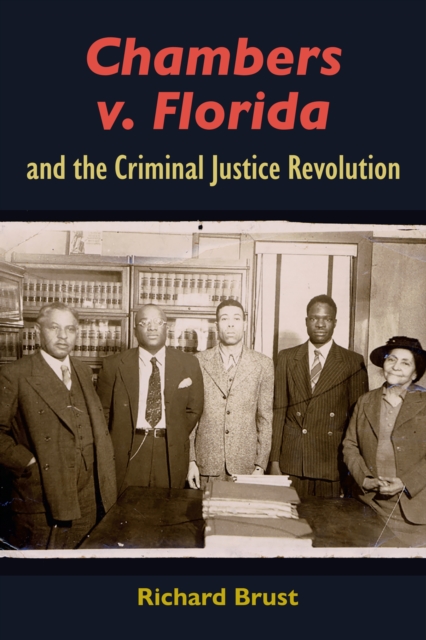
The history and enduring legacy of a breakthrough case in criminal justice reformFlorida Historical Society Rembert Patrick AwardIn 1940, the United States Supreme Court decided in Chambers v.
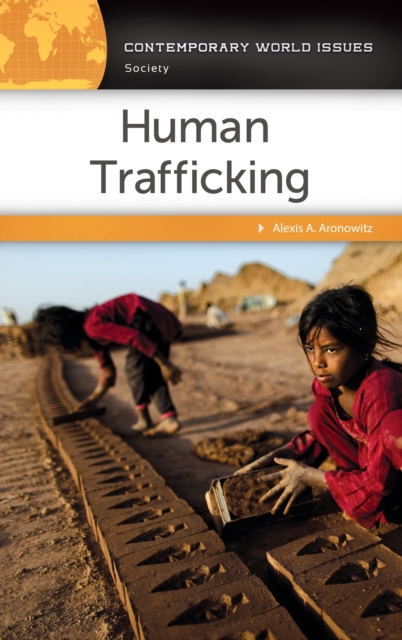
Offering an up-to-date and comprehensive resource for students and general readers investigating human trafficking, this book examines the phenomenon in its many forms, the factors contributing to its existence, the victims it affects, and those who perpetrate this horrific crime.
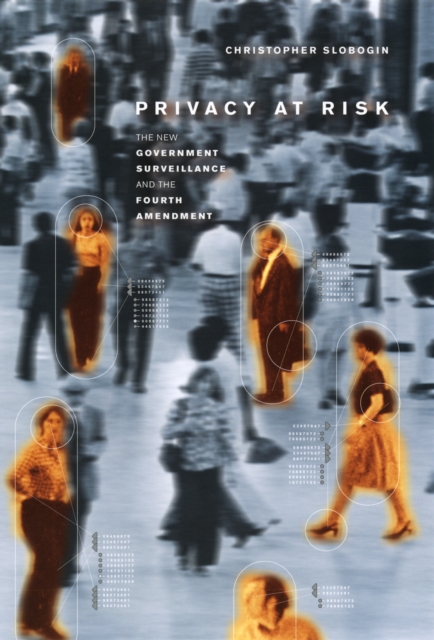
Without our consent and often without our knowledge, the government can constantly monitor many of our daily activities, using closed circuit TV, global positioning systems, and a wide array of other sophisticated technologies.
The United States incarcerates more people per capita than any other industrialized nation in the world-about 1 in 100 adults, or more than 2 million people-while national spending on prisons has catapulted 400 percent.
It's a common complaint: the United States is overrun by rules and procedures that shackle professional judgment, have no valid purpose, and serve only to appease courts and lawyers.
Getting By offers an integrated, critical account of the federal laws and programs that most directly affect poor and low-income people in the United States-the unemployed, the underemployed, and the low-wage employed, whether working in or outside the home.