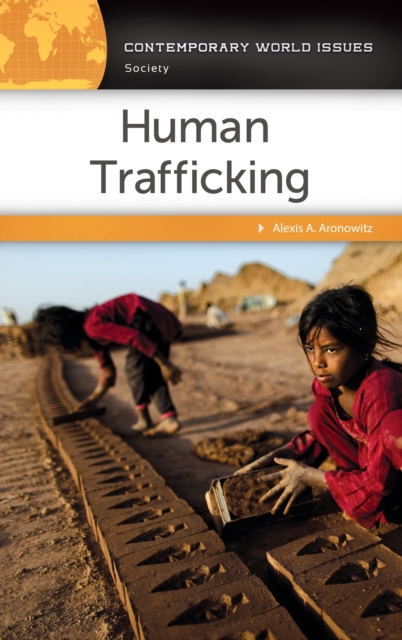
Offering an up-to-date and comprehensive resource for students and general readers investigating human trafficking, this book examines the phenomenon in its many forms, the factors contributing to its existence, the victims it affects, and those who perpetrate this horrific crime.
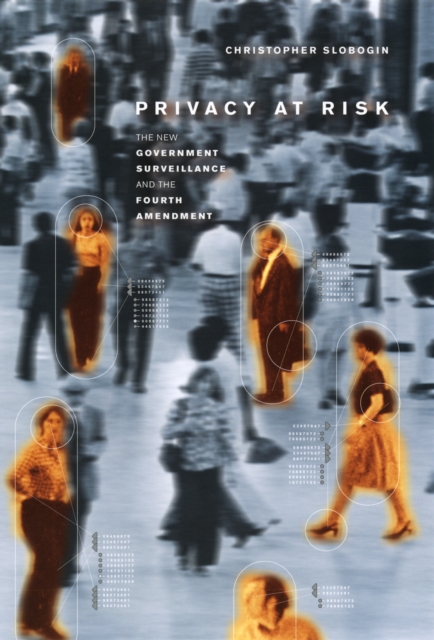
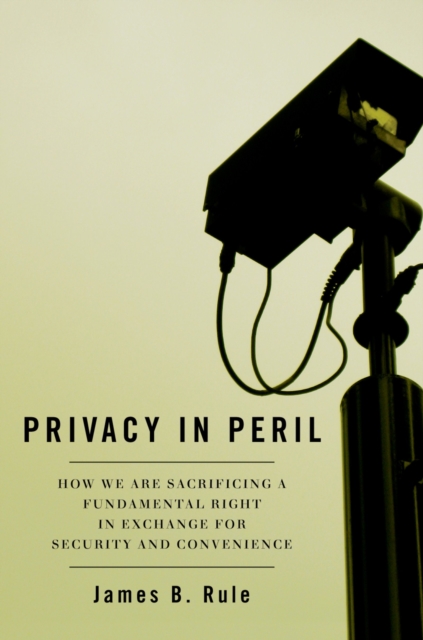
Without our consent and often without our knowledge, the government can constantly monitor many of our daily activities, using closed circuit TV, global positioning systems, and a wide array of other sophisticated technologies.
The United States incarcerates more people per capita than any other industrialized nation in the world-about 1 in 100 adults, or more than 2 million people-while national spending on prisons has catapulted 400 percent.
It's a common complaint: the United States is overrun by rules and procedures that shackle professional judgment, have no valid purpose, and serve only to appease courts and lawyers.
Getting By offers an integrated, critical account of the federal laws and programs that most directly affect poor and low-income people in the United States-the unemployed, the underemployed, and the low-wage employed, whether working in or outside the home.
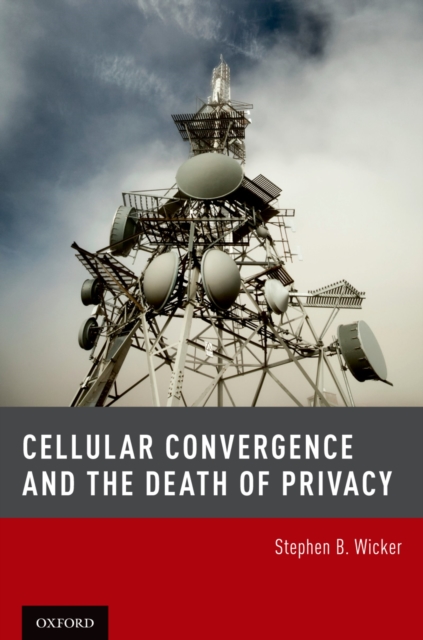
Cellular technology has always been a surveillance technology, but "e;cellular convergence"e; - the growing trend for all forms of communication to consolidate onto the cellular handset - has dramatically increased the impact of that surveillance.
Cellular technology has always been a surveillance technology, but "e;cellular convergence"e; - the growing trend for all forms of communication to consolidate onto the cellular handset - has dramatically increased the impact of that surveillance.
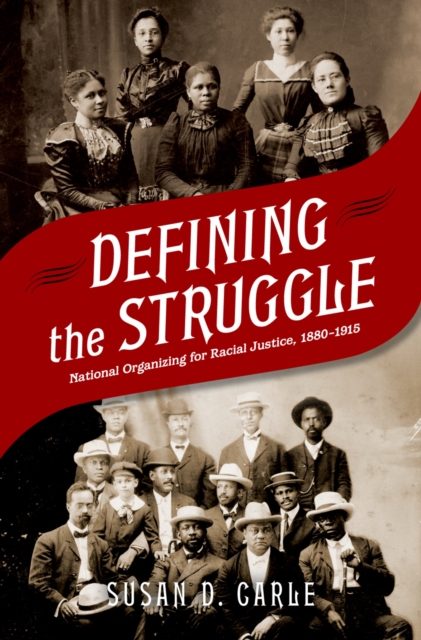
Since its founding in 1910--the same year as another national organization devoted to the economic and social welfare aspects of race advancement, the National Urban League--the NAACP has been viewed as the vanguard national civil rights organization in American history.
The Rights of Indians and Tribes, first published in 1983, has sold over 100,000 copies and is the most popular resource in the field of Federal Indian Law.
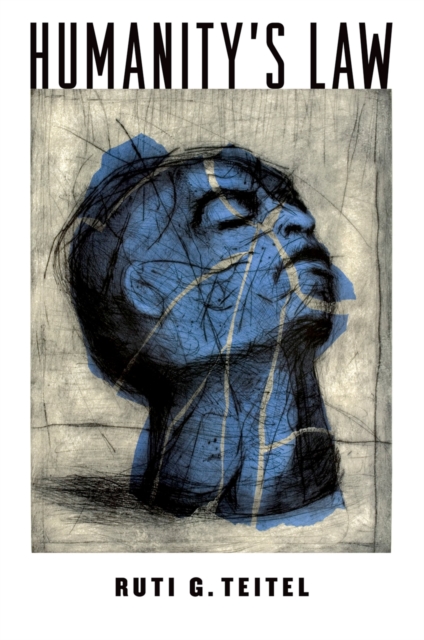
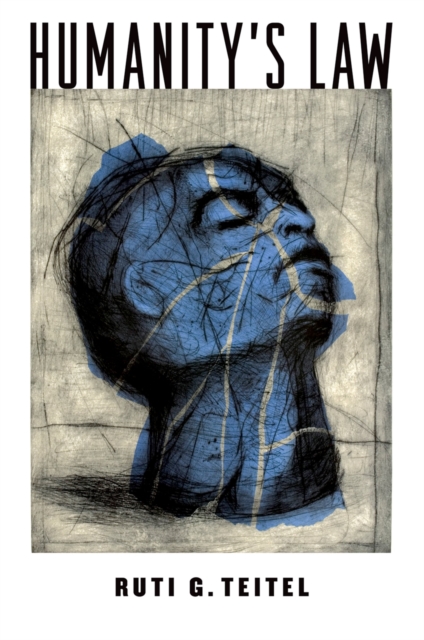
In Humanity's Law, renowned legal scholar Ruti Teitel offers a powerful account of one of the central transformations of the post-Cold War era: the profound normative shift in the international legal order from prioritizing state security to protecting human security.
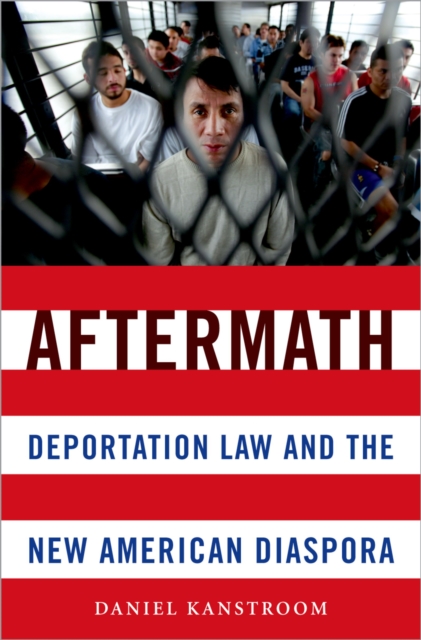
Since 1996, when new, harsher deportation laws went into effect, the United States has deported millions of noncitizens back to their countries of origin.
Constitutionalism in Islamic Countries: Between Upheaval and Continuity examines the question of whether something similar to an "e;Islamic constitutionalism"e; has emerged out of the political and constitutional upheaval witnessed in many parts of North Africa, the Middle East, and Central and Southern Asia.
This probing account of the erosion of privacy in America shows that we are often unwitting, if willing, accomplices, providing personal data in exchange for security or convenience.
This study reinterprets a crucial period (1870s-1920s) in the history of women's rights, focusing attention on a core contradiction at the heart of early feminist theory.
Chief Justice John Marshall argued that a constitution "e;requires that only its great outlines should be marked [and] its important objects designated.
Chief Justice John Marshall argued that a constitution "e;requires that only its great outlines should be marked [and] its important objects designated.
Punishing Corporate Crime: Legal Penalties for Criminal and Regulatory Violations provides a practical discussion of criminal punishment trends directed at the corporate entity.
In this brilliantly innovative work, Jennifer Nedelsky claims that we must rethink our notion of autonomy, rejecting the usual vocabulary of control, boundaries, and individual rights.
During a 1931 trial of four Nazi stormtroopers, known as the Eden Dance Palace trial, Hans Litten grilled Hitler in a brilliant and merciless three-hour cross-examination, forcing him into multiple contradictions and evasions and finally reducing him to helpless and humiliating rage (the transcription of Hitler's full testimony is included.
In Humanity's Law, renowned legal scholar Ruti Teitel offers a powerful account of one of the central transformations of the post-Cold War era: the profound normative shift in the international legal order from prioritizing state security to protecting human security.
Since the end of the Cold War, there has been a dramatic expansion in both the international human rights system and the transnational networks of activists, development organizations, and monitoring agencies that partially reinforce it.
Although many modern philosophers of law describe custom as merely a minor source of law, formal law is actually only one source of the legal customs that govern us.
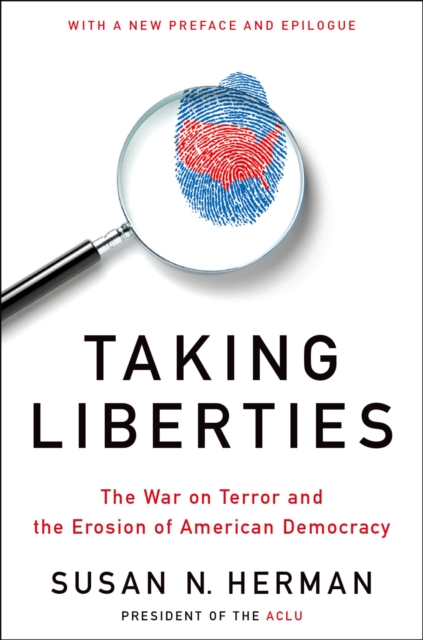
The terrorist attacks of 9/11 precipitated significant legal changes over the ensuing ten years, a "e;long decade"e; that saw both domestic and international legal systems evolve in reaction to the seemingly permanent threat of international terrorism.
The terrorist attacks of 9/11 precipitated significant legal changes over the ensuing ten years, a "e;long decade"e; that saw both domestic and international legal systems evolve in reaction to the seemingly permanent threat of international terrorism.
The 1989 UN Convention on the Rights of the Child has inspired advocates and policy makers across the globe, injecting children's rights terminology into various public and private arenas.
Countries solemnly intone their commitment to human rights, and they ratify endless international treaties and conventions designed to signal that commitment.
Countries solemnly intone their commitment to human rights, and they ratify endless international treaties and conventions designed to signal that commitment.