Dred Scott and his landmark Supreme Court case are ingrained in the national memory, but he was just one of multitudes who appealed for their freedom in courtrooms across the country.
Dred Scott and his landmark Supreme Court case are ingrained in the national memory, but he was just one of multitudes who appealed for their freedom in courtrooms across the country.
It has been well-established that many of the injustices that people around the world experience every day, from food insecurity to unsafe labor conditions and natural disasters, are the result of wide-scale structural problems of politics and economics.
It has been well-established that many of the injustices that people around the world experience every day, from food insecurity to unsafe labor conditions and natural disasters, are the result of wide-scale structural problems of politics and economics.
For Kennedy devotees, as well as readers unfamiliar with the "e;lion of the Senate,"e; this book presents the compelling story of Edward Kennedy's unexpected rise to become one of the most consequential legislators in American history and a passionate defender of progressive values, achieving legislative compromises across the partisan divide.
For Kennedy devotees, as well as readers unfamiliar with the "e;lion of the Senate,"e; this book presents the compelling story of Edward Kennedy's unexpected rise to become one of the most consequential legislators in American history and a passionate defender of progressive values, achieving legislative compromises across the partisan divide.
We live more and more of our lives online; we rely on the internet as we work, correspond with friends and loved ones, and go through a multitude of mundane activities like paying bills, streaming videos, reading the news, and listening to music.
We live more and more of our lives online; we rely on the internet as we work, correspond with friends and loved ones, and go through a multitude of mundane activities like paying bills, streaming videos, reading the news, and listening to music.
Paradigms of International Human Rights Law explores the legal, ethical, and other policy consequences of three core structural features of international human rights law: the focus on individual rights instead of duties; the division of rights into substantive and nondiscrimination categories; and the use of positive and negative right paradigms.
In the United States and Europe, an increasing emphasis on equality has pitted rights claims against each other, raising profound philosophical, moral, legal, and political questions about the meaning and reach of religious liberty.
In the United States and Europe, an increasing emphasis on equality has pitted rights claims against each other, raising profound philosophical, moral, legal, and political questions about the meaning and reach of religious liberty.
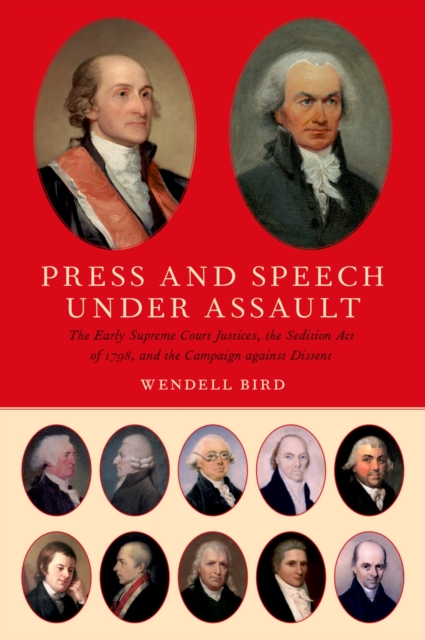
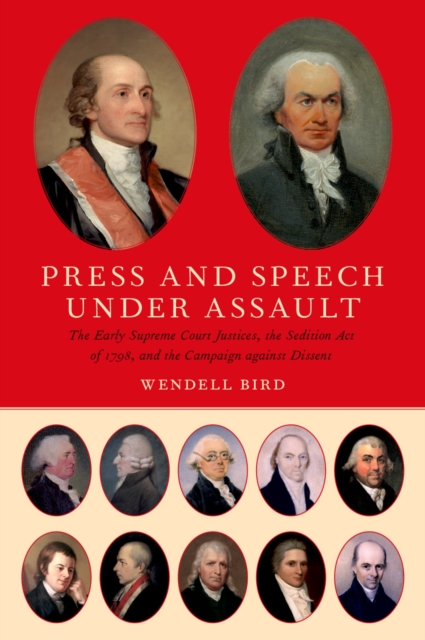
The early Supreme Court justices wrestled with how much press and speech is protected by freedoms of press and speech, before and under the First Amendment, and with whether the Sedition Act of 1798 violated those freedoms.
The early Supreme Court justices wrestled with how much press and speech is protected by freedoms of press and speech, before and under the First Amendment, and with whether the Sedition Act of 1798 violated those freedoms.
The international law governing armed conflict is at a crossroads, as the formal framework of laws designed to control the exercise of self-defense and conduct of inter-state conflict finds itself confronted with violent 21st Century disputes of a very different character.
When considering the structures that drive the global diffusion of human rights norms, Brian Greenhill argues that we need to look beyond institutions that are explicitly committed to human rights and instead focus on the dense web of international government organizations (IGOs)-some big, some small; some focused on human rights; some not-that has arisen in the last two generations.
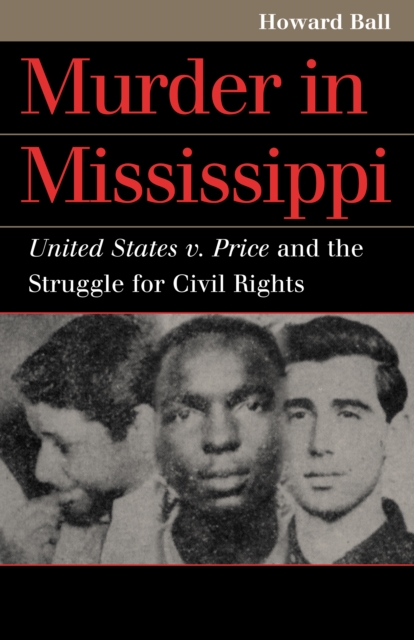
Few episodes in the modern civil rights movement were more galvanizing or more memorialized than the brutal murders of Michael Schwerner, Andrew Goodman, and James Chaneyidealists eager to protect and promote the rights of black Americans, even in the deep and very dangerous South.
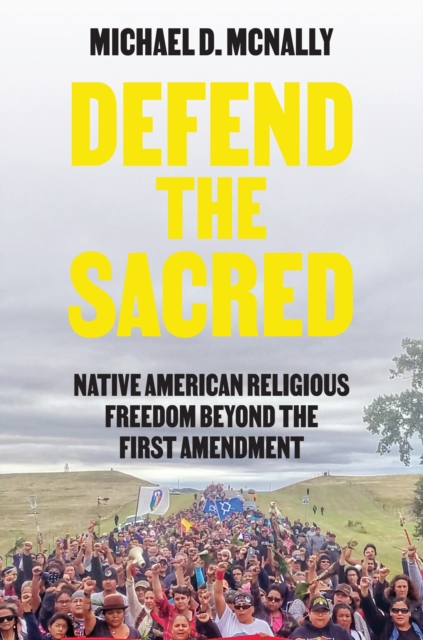
The remarkable story of the innovative legal strategies Native Americans have used to protect their religious rightsFrom North Dakota's Standing Rock encampments to Arizona's San Francisco Peaks, Native Americans have repeatedly asserted legal rights to religious freedom to protect their sacred places, practices, objects, knowledge, and ancestral remains.
Over the past three decades, neither France's treatment of Muslims nor changes in French, British, and German immigration laws have confirmed multiculturalist hopes or postnationalist expectations.
The world seems to have reached agreement on a set of ideals regarding state human rights behavior and the appropriate institutions to promote and protect those ideals.
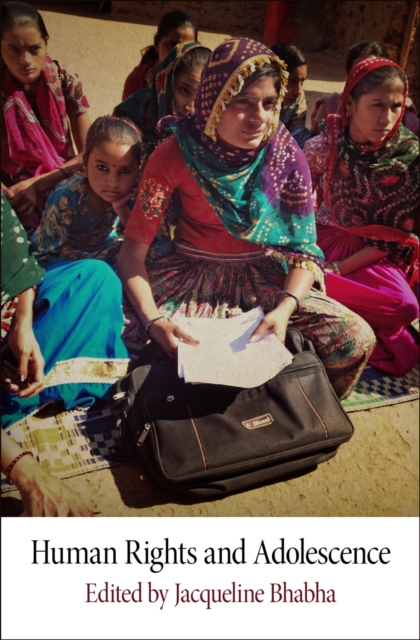
While young children's rights have received considerable attention and have accordingly advanced over the past two decades, the rights of adolescents have been neglected.