Providing a comparative analysis of both vulnerable witnesses and vulnerable suspects, this book discusses the increasingly difficult issue faced by many in modern policing, forensic psychology, criminology, and social justice studies.
The use of secret police, security agencies and informers to spy on, disrupt and undermine opposition to the dominant political and economic order has a long history.
This volume in the series Sociology of Crime, Law, and Deviance edited by Mathieu Deflem addresses contemporary issues of policing with a focus on the characteristics of police power as a coercive force in society and its continued need for legitimacy in a democratic social order.
This latest volume in the Penal Theory and Penal Ethics series addresses one of the oldestquestions in the field of criminal sentencing: should an offender's previous convictions affect the sentence?
The privilege against self-incrimination is often represented in the case law of England and Wales as a principle of fundamental importance in the law of criminal procedure and evidence.
The privilege against self-incrimination is often represented in the case law of England and Wales as a principle of fundamental importance in the law of criminal procedure and evidence.
The Criminal Justice Act 2003 re-wrote the hearsay evidence rule for the purpose of criminal proceedings, enacting the recommendations of the Law Commission together with some proposals from the Auld Review.
The Criminal Justice Act 2003 re-wrote the hearsay evidence rule for the purpose of criminal proceedings, enacting the recommendations of the Law Commission together with some proposals from the Auld Review.
Drawing on Ireland as its primary case study, this book is an in- depth critical examination of how rights protection bodies and mechanisms are experienced by those in prison in Ireland.
Discover how forensic scientists are changing how we solve crime REVISED UPDATED EDITION The most remarkable weapon in the fight against crime, forensic science turns bullet trajectories, bodily fluids, and the very structure of our DNA into damning witnesses of our every act.
Lawless Youth (1947) is a book prepared under the auspices of the International Committee of the Howard League for Penal Reform during the Second World War, aiming for the day when peace could offer the opportunity for advance on the lines of justice and humanity.
Every civil action raised in a Scottish court is initiated by written pleadings, which set out the remedy sought, the facts and the propositions in law.
While many in the criminal justice system would agree that the present punitive system of crime control is ineffective, unjust, and malevolent, there is little enthusiasm for talk about reforming the system or for a reexamination of its fundamental premises.
Favored by instructors and students for its real-world focus and engaging style, this authoritative text on the interface of psychology and law has now been revised and expanded.
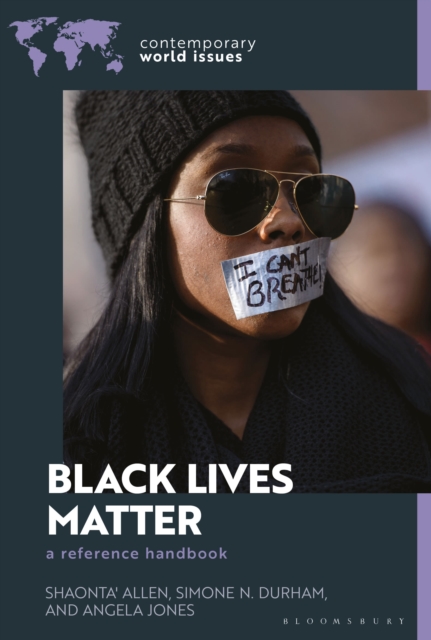
This multifaceted reference work surveys the history, development, leadership, and priorities of Black Lives Matter (BLM), including the group's efforts to raise public awareness of police violence in communities of color.
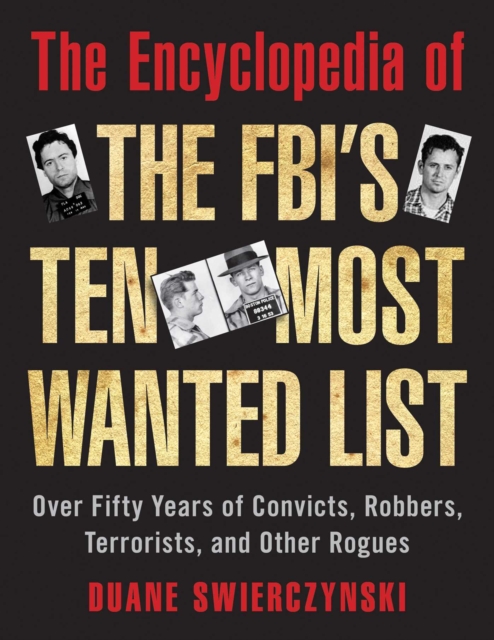
In 1949, a crime reporter looking for a way to fill a column published the nations ten worst criminals as classified by the FBI: two accused murderers, four escaped convicts, a bank robber, and three confidence men.
FBI Handbook of Crime Scene Forensics is the official procedural guide for law enforcement agencies, attorneys, and tribunals submitting evidence to the FBI.
Understanding Victimology: An Active Learning Approach is the only textbook with extensive discussion of both online and offline victimization reinforced by group and individual learning activities.