Die Neuauflage des Klassikers ist umfassend überarbeitet und enthält die weitreichenden Änderungen des JGG durch das Gesetz zur Stärkung der Verfahrensrechte von Beschuldigten im Jugendstrafverfahren sowie durch das Gesetz zur Neuregelung des Rechts der notwendigen Verteidigung.
Anhand von über 100 systematisch geordneten BGH- und OLG-Entscheidungen werden die Probleme des Allgemeinen Teils des Strafrechts anschaulich dargestellt und analysiert.
Das vorliegende „Klausurtraining Strafrecht“ ist dabei behilflich, sich schnell mit den praktischen Problemen zu beschäftigen, die typischerweise bei einer strafrechtlichen Prüfungsarbeit zu bewältigen sind.
Video Abstract for 'Immigration Detention and Social Harm' - Dr Michelle PeterieThis interdisciplinary edited collection is the first internationally to comprehensively explore the harms immigration detention imposes beyond the 'detainee'.
El presente artículo es un intento de proporcionar una teoría coherente que los tribunales internacionales puedan utilizar para funda- mentar la atribución de responsabilidad penal indirecta por crímenes colectivos.
Esta publicación es el resultado de las investigaciones realizadas durante 2023, promovidas por la Cátedra Unesco "Derechos Humanos y Violencia: Gobierno y gobernanza" de la Universidad Externado de Colombia, que reunió a docentes e investigadores del nivel nacional, quienes presentaron investigaciones sobre la convocatoria, cuyo cuestionamiento giró en torno a la temática "la participación restaurativa en tribunales transicionales: más allá de las mediaciones, los círculos y las conferencias".
Der Löwe-Rosenberg enthält die grundlegende, umfassende Kommentierung des deutschen Strafprozessrechts und gibt dem Benutzer eine Hilfe zur Lösung nicht nur häufig auftauchender, sondern auch entlegener Sachfragen.
Inhalt und Konzeption:Die für die Ausbildung und Prüfung im Schwerpunktbereich "Kriminologie, Jugendstrafrecht, Strafvollzug"; relevanten Themen des Jugendstrafrechts sind in diesem Band vollständig und mit ihren wichtigsten kriminologischen und kriminalpolitischen Bezügen dargestellt.
Après des modifications importantes du droit de fond en 2007 et en 2018, ainsi que du droit de forme en 2011, la législation pénale suisse est loin d'avoir atteint la stabilité.
Die Autorin dieser Habilitationsschrift setzt sich vertieft mit den freiheitsentziehenden Massnahmen nach schweizerischem Strafgesetzbuch auseinander, stellt diese in einen historischen Kontext und führt die weit verzweigte Forschung erstmals umfassend in einer Monografie zusammen.
Das Buch zeichnet die Vita des bekannten Richters und Rechtspolitikers nach, der mit zahlreichen, zum Teil umstrittenen, aber trotzdem erfolgreichen Reformvorschlägen für die Justiz hervorgetreten ist.
Im Band zu den Vermögensdelikten sind 13 „große Fälle“ abgedruckt, die sich an aktuellen und klassischen Entscheidungen der höchsten Gerichte orientieren.
Im Band zu den Vermögensdelikten sind 13 „große Fälle“ abgedruckt, die sich an aktuellen und klassischen Entscheidungen der höchsten Gerichte orientieren.
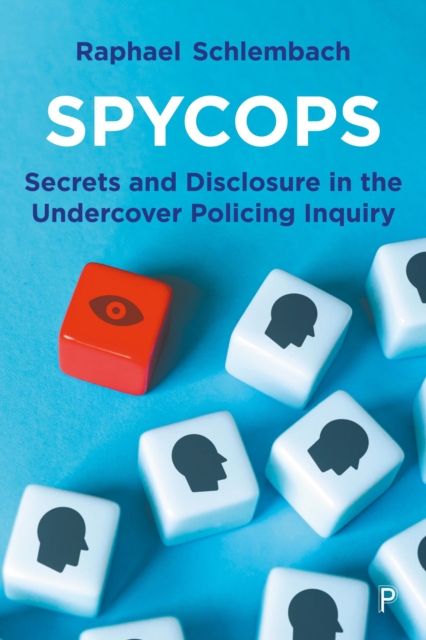
The 'spycops' scandal has laid bare the existence of secretive police units that sent undercover police officers to infiltrate and undermine hundreds of political campaigns and activist groups.
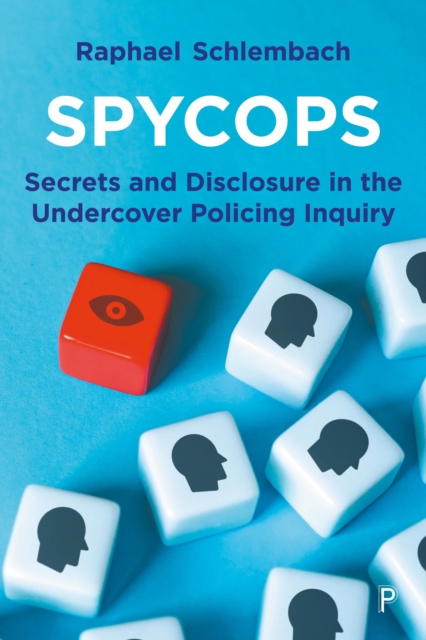
The 'spycops' scandal has laid bare the existence of secretive police units that sent undercover police officers to infiltrate and undermine hundreds of political campaigns and activist groups.
Just Culture and the Criminalisation of Air Accidents equips the reader with the tools to understand the meaning of criminalisation in the civil aviation industry.
The only book to delve so extensively into the Domestic Violence Act 2018; this title provides an overview of the Act, with critical analysis of all measures and procedural developments, including new crimes of forced marriage and coercive control.
This book brings together leading scholars from the next generation of UK criminal lawyers to celebrate the work of GR Sullivan, Emeritus Professor at University College London, in the year of his retirement from writing Simester and Sullivan's Criminal Law: Theory and Doctrine.
This book brings together leading scholars from the next generation of UK criminal lawyers to celebrate the work of GR Sullivan, Emeritus Professor at University College London, in the year of his retirement from writing Simester and Sullivan's Criminal Law: Theory and Doctrine.
The third edition of this popular volume continues to supply an up-to-date, nuts-and-bolts learning tool for students and an everyday reference for investigative professionals at all levels.
Focusing on issues raised at Interpol's 14th Forensic Science Symposium, this volume offers a complete overview and analysis of the scientific and legal aspects of each of the forensic disciplines.
In the nearly four decades since the First International Symposium on Victimology convened in Jerusalem in 1973, some concepts and themes have continued to hold a prominent place in the literature, while new ones have also emerged.
This book provides an in-depth discussion of the theoretical and practical issues of criminal imputation for negligence crime involving artificial intelligence.