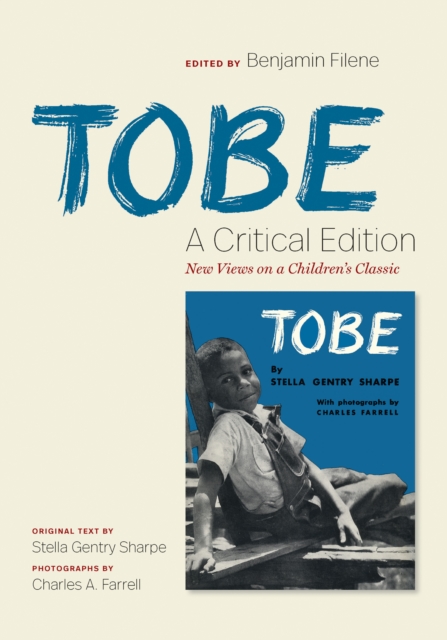
When UNC Press published Stella Gentry Sharpes Tobe in 1939, it was hailed as one of the first childrens books to offer a dignified portrayal of an African American child and his family.
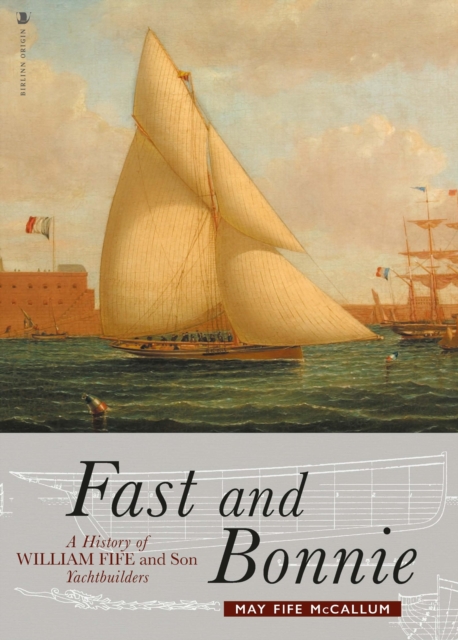
From humble beginnings at Fairlie, Ayrshire, in the early years of the nineteenth century, William Fife and Son grew to become one of Britain's premier yacht-building yards, attracting commissions from as far afield as America, Canada and America.
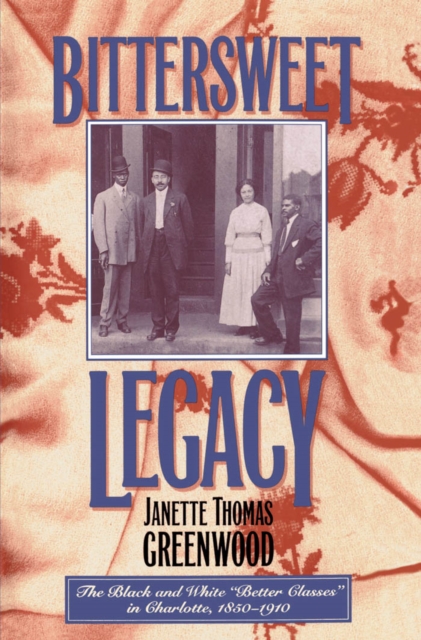
Bittersweet Legacy is the dramatic story of the relationship between two generations of black and white southerners in Charlotte, North Carolina, from 1850 to 1910.
Bittersweet Legacy is the dramatic story of the relationship between two generations of black and white southerners in Charlotte, North Carolina, from 1850 to 1910.
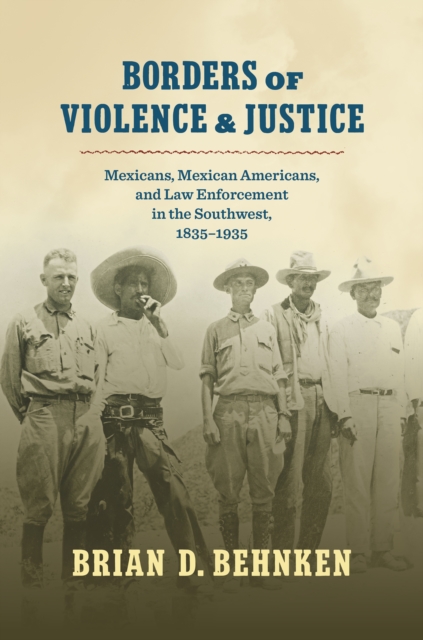
Brian Behnken offers a sweeping examination of the interactions between Mexican-origin people and law enforcementboth legally codified police agencies and extralegal justiceacross the U.
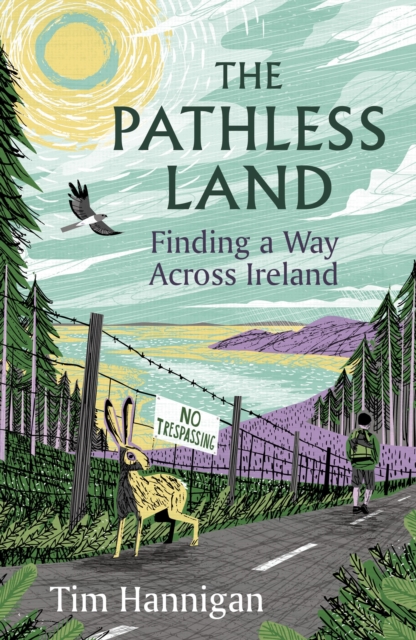
An epic journey on foot from Dingle to Burr Point in search of Ireland's lost footpaths, and a quest to unravel the complexities of countryside access in Ireland and Britain.
Brian Behnken offers a sweeping examination of the interactions between Mexican-origin people and law enforcementboth legally codified police agencies and extralegal justiceacross the U.
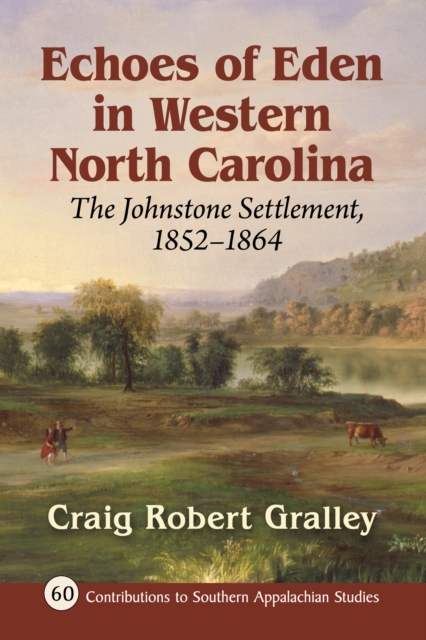
In the 1850s, a group of affluent rice planters left coastal South Carolina to establish a permanent settlement in the mountains of western North Carolina.
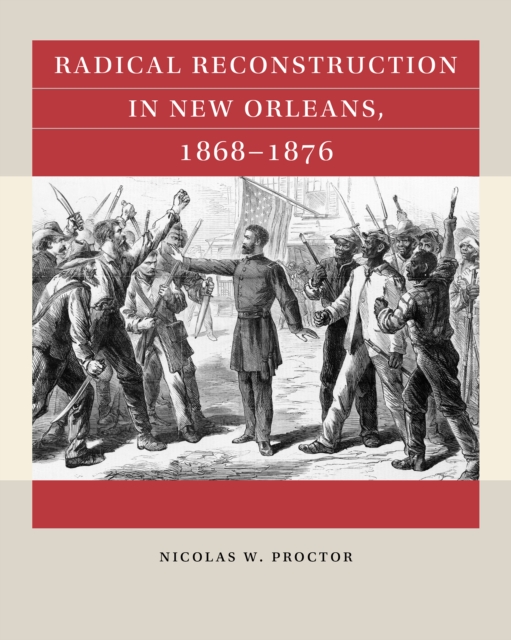
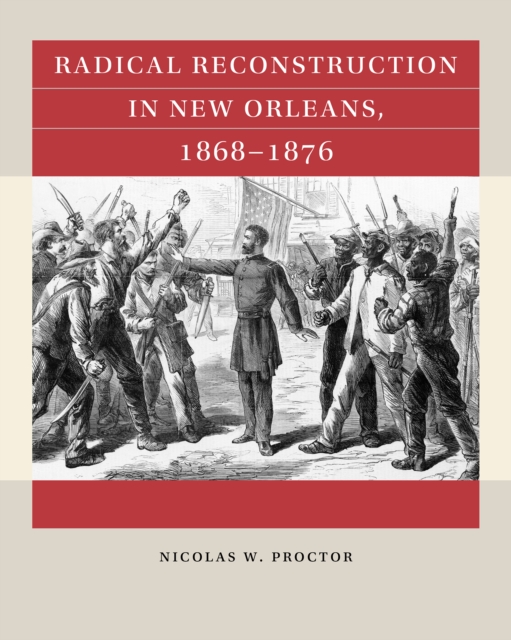
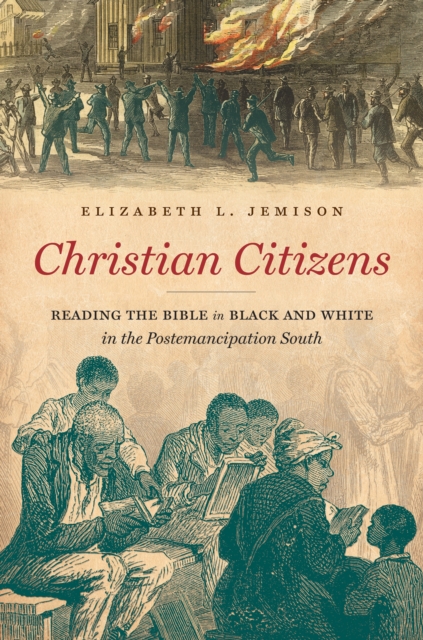
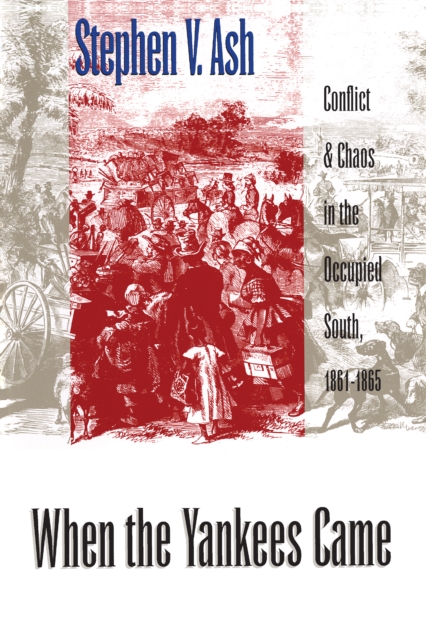
Step into the turbulent aftermath of the Civil War, where the abolition of slavery marked the start of a fierce struggle over property, politics, and personhood.
Step into the turbulent aftermath of the Civil War, where the abolition of slavery marked the start of a fierce struggle over property, politics, and personhood.
Forschungsarbeit aus dem Jahr 2020 im Fachbereich Geschichte Europas - Mittelalter, Frühe Neuzeit, , Sprache: Deutsch, Abstract: Diese Arbeit behandelt die Entstehung des Amtes Gehren.
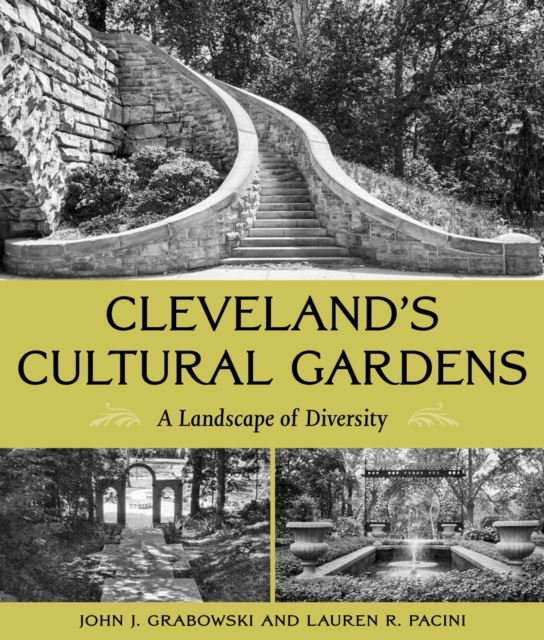
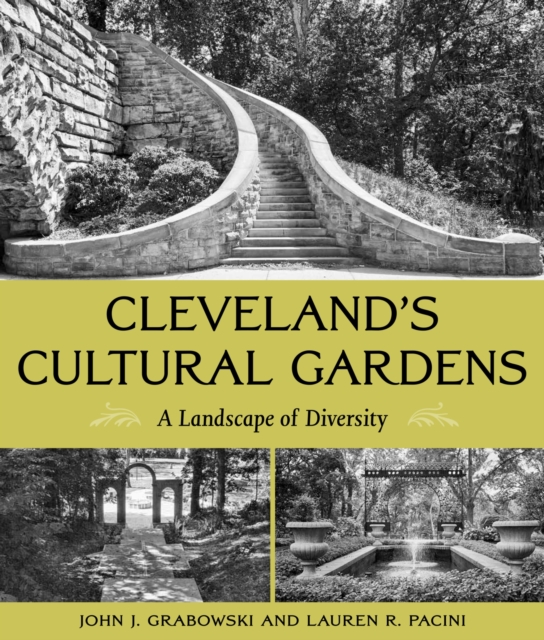
Honoring and embodying the cultural heritages of a region through the beauty of shared outdoor spacesFrom their beginnings as private farmland to their current form as monuments to cultural and ethnic diversity, the unique collection of landscaped, themed gardens that compose Cleveland s Cultural Gardens holds a rich history.
Honoring and embodying the cultural heritages of a region through the beauty of shared outdoor spacesFrom their beginnings as private farmland to their current form as monuments to cultural and ethnic diversity, the unique collection of landscaped, themed gardens that compose Cleveland s Cultural Gardens holds a rich history.
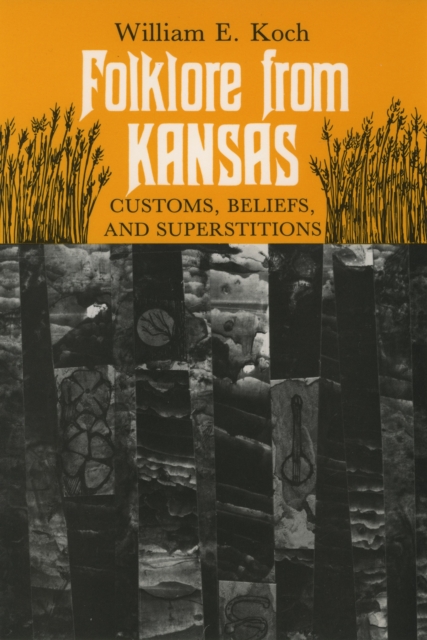
A major contribution to the heritage of the Great Plains region, this volume is a compilation of over 7,000 separate items, relating to the folk customs, beliefs, and superstitions of Kansas.
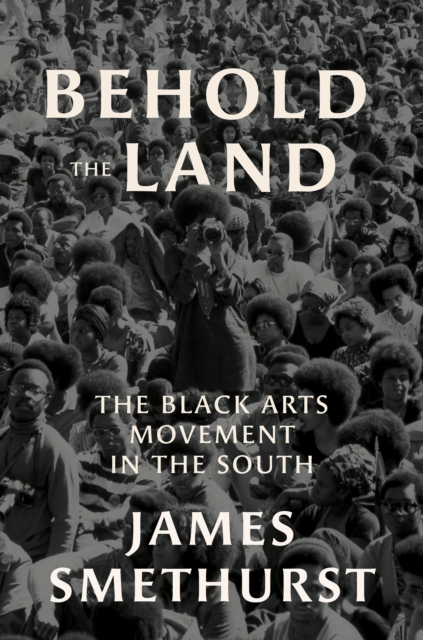
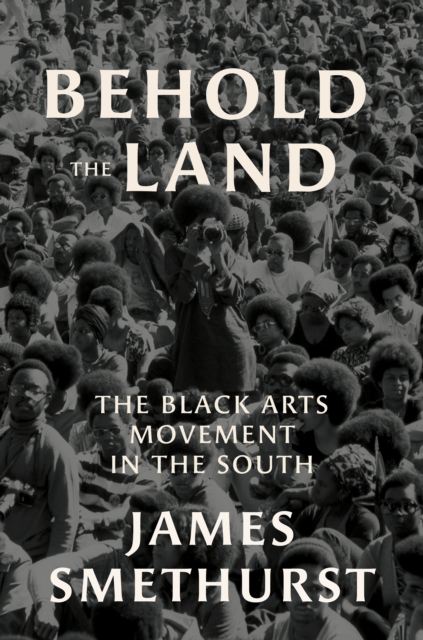
In the mid-1960s, African American artists and intellectuals formed the Black Arts movement in tandem with the Black Power movement, with creative luminaries like Amiri Baraka, Gwendolyn Brooks, Toni Cade Bambara, and Gil Scott-Heron among their number.
In the mid-1960s, African American artists and intellectuals formed the Black Arts movement in tandem with the Black Power movement, with creative luminaries like Amiri Baraka, Gwendolyn Brooks, Toni Cade Bambara, and Gil Scott-Heron among their number.
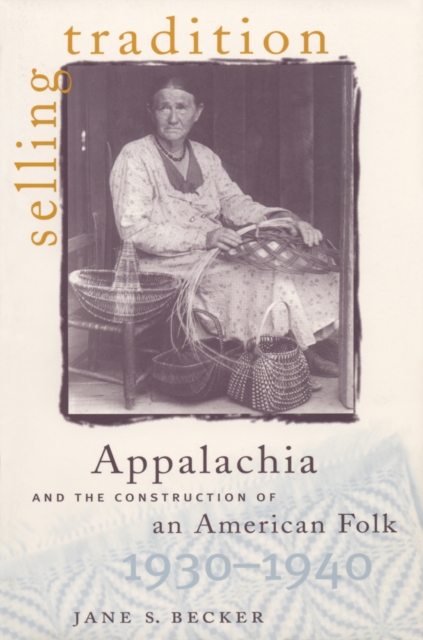
The first half of the twentieth century witnessed a growing interest in Americas folk heritage, as Americans began to enthusiastically collect, present, market, and consume the nations folk traditions.
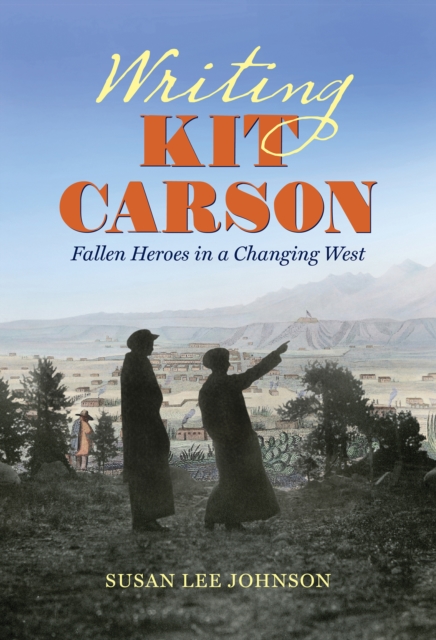
In this critical biography, Susan Lee Johnson braids together lives over time and space, telling tales of two white women who, in the 1960s, wrote books about the fabled frontiersman Christopher Kit Carson: Quantrille McClung, a Denver librarian who compiled the Carson-Bent-Boggs Genealogy, and Kansas-born but Washington, D.
In the mid-1960s, African American artists and intellectuals formed the Black Arts movement in tandem with the Black Power movement, with creative luminaries like Amiri Baraka, Gwendolyn Brooks, Toni Cade Bambara, and Gil Scott-Heron among their number.
In the mid-1960s, African American artists and intellectuals formed the Black Arts movement in tandem with the Black Power movement, with creative luminaries like Amiri Baraka, Gwendolyn Brooks, Toni Cade Bambara, and Gil Scott-Heron among their number.