A major contribution to the heritage of the Great Plains region, this volume is a compilation of over 7,000 separate items, relating to the folk customs, beliefs, and superstitions of Kansas.
The first half of the twentieth century witnessed a growing interest in Americas folk heritage, as Americans began to enthusiastically collect, present, market, and consume the nations folk traditions.
In this critical biography, Susan Lee Johnson braids together lives over time and space, telling tales of two white women who, in the 1960s, wrote books about the fabled frontiersman Christopher Kit Carson: Quantrille McClung, a Denver librarian who compiled the Carson-Bent-Boggs Genealogy, and Kansas-born but Washington, D.
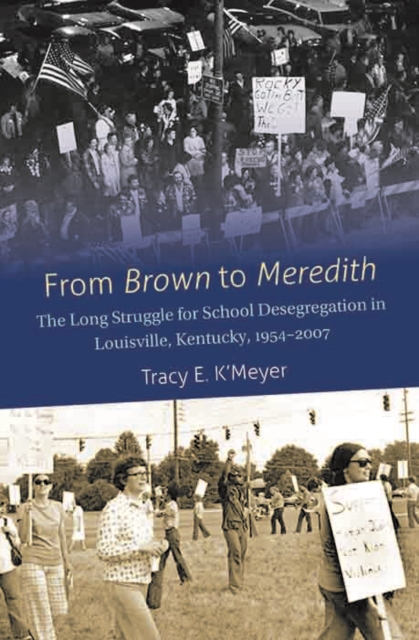
When the Supreme Court overturned Louisvilles local desegregation plan in 2007, the people of Jefferson County, Kentucky, faced the question of whether and how to maintain racial diversity in their schools.
When Zandria Robinson returned home to interview African Americans in Memphis, she was often greeted with some version of the caution I hope you know this aint Chicago.
By the 1920s, the sectional reconciliation that had seemed achievable after Reconstruction was foundering, and the South was increasingly perceived and portrayed as impoverished, uneducated, and backward.
Born of encounters between Indigenous women and Euro-American men in the first decades of the nineteenth century, the Plains Metis people occupied contentious geographic and cultural spaces.
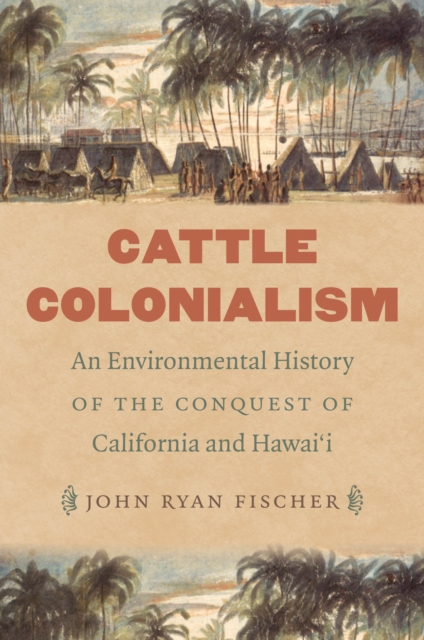
In the nineteenth century, the colonial territories of California and Hawai'i underwent important cultural, economic, and ecological transformations influenced by an unlikely factor: cows.
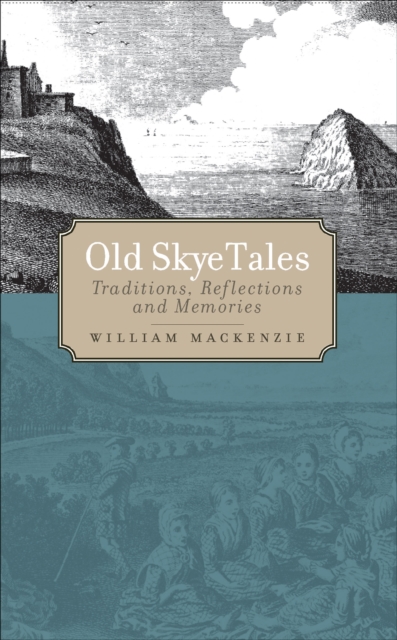
In this book William Mackenzie records a world of local legend, folklore and superstition, and charts the changes he saw in his lifetime in agriculture, education, the Church and, of course, emigration.
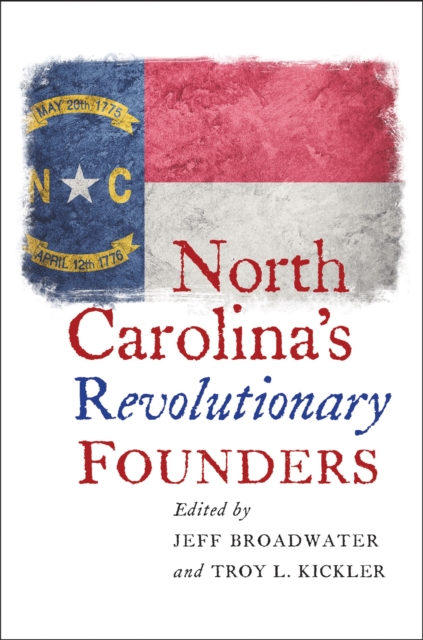
This collection of essays profiles a diverse array of North Carolinians, all of whom had a hand in the founding of the state and the United States of America.
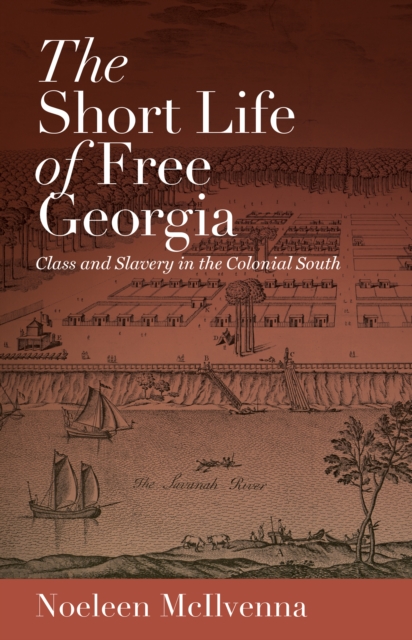
For twenty years in the eighteenth century, Georgia the last British colony in what became the United States enjoyed a brief period of free labor, where workers were not enslaved and were paid.
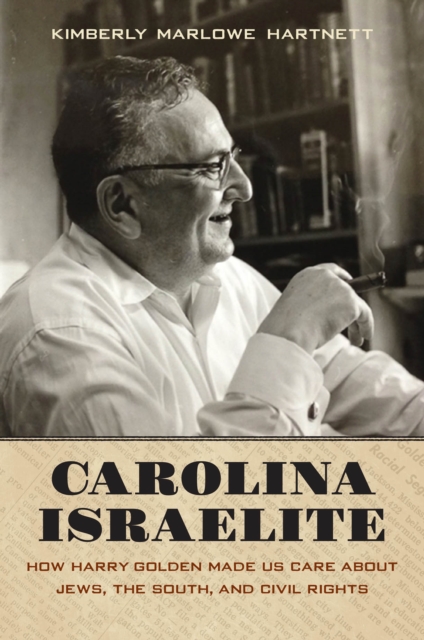
This first comprehensive biography of Jewish American writer and humorist Harry Golden (19031981) author of the 1958 national best-seller Only in America illuminates a remarkable life intertwined with the rise of the civil rights movement, Jewish popular culture, and the sometimes precarious position of Jews in the South and across America during the 1950s.
When Zandria Robinson returned home to interview African Americans in Memphis, she was often greeted with some version of the caution I hope you know this aint Chicago.
More than 150 years after the end of the Civil War, scores of websites, articles, and organizations repeat claims that anywhere between 500 and 100,000 free and enslaved African Americans fought willingly as soldiers in the Confederate army.
When the Supreme Court overturned Louisvilles local desegregation plan in 2007, the people of Jefferson County, Kentucky, faced the question of whether and how to maintain racial diversity in their schools.
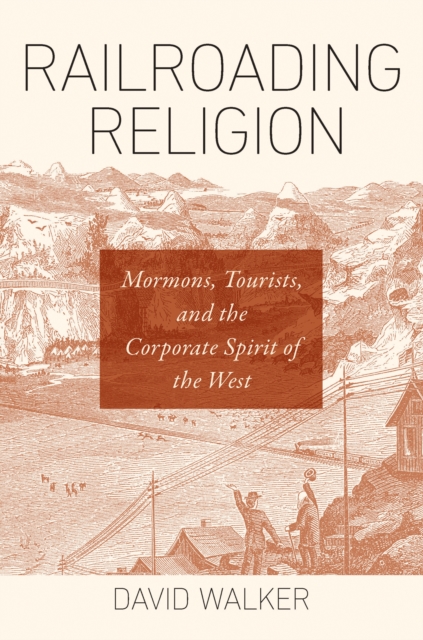
Railroads, tourism, and government bureaucracy combined to create modern religion in the American West, argues David Walker in this innovative study of Mormonisms ascendency in the railroad era.
America is at war with itself over the right to vote, or, more precisely, over the question of who gets to exercise that right and under what circumstances.
While Hollywood deserves its reputation for much-maligned portrayals of southern highlanders on screen, the film industry also deserves credit for a long-standing tradition of more serious and meaningful depictions of Appalachias people.
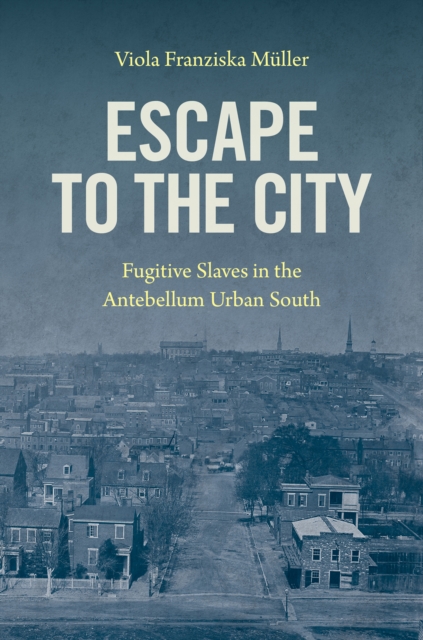
Viola Franziska Mller examines runaways who camouflaged themselves among the free Black populations in Baltimore, Charleston, New Orleans, and Richmond.
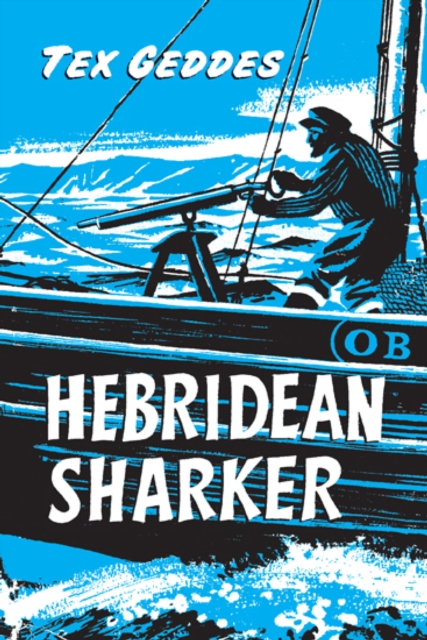
In 'Hebridean Sharker' Tex Geddes describes his exploits during the 1950s as a hunter of basking sharks in the waters of the Minch, between the Inner and Outer Hebrides.
Viola Franziska Mller examines runaways who camouflaged themselves among the free Black populations in Baltimore, Charleston, New Orleans, and Richmond.
Railroads, tourism, and government bureaucracy combined to create modern religion in the American West, argues David Walker in this innovative study of Mormonisms ascendency in the railroad era.