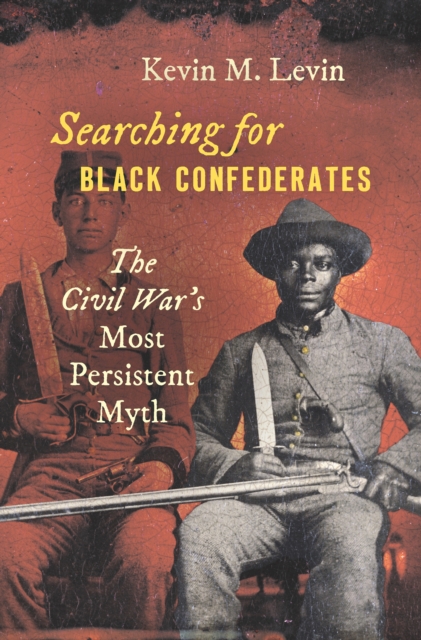
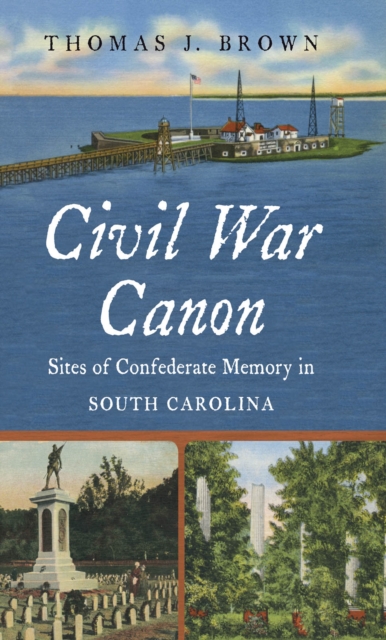
More than 150 years after the end of the Civil War, scores of websites, articles, and organizations repeat claims that anywhere between 500 and 100,000 free and enslaved African Americans fought willingly as soldiers in the Confederate army.
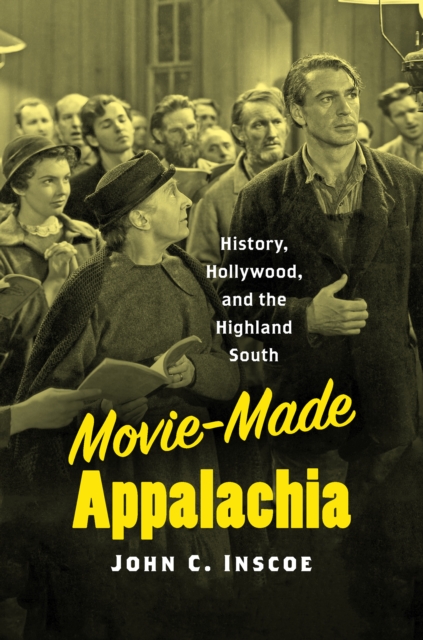
While Hollywood deserves its reputation for much-maligned portrayals of southern highlanders on screen, the film industry also deserves credit for a long-standing tradition of more serious and meaningful depictions of Appalachias people.
America is at war with itself over the right to vote, or, more precisely, over the question of who gets to exercise that right and under what circumstances.
This collection of essays profiles a diverse array of North Carolinians, all of whom had a hand in the founding of the state and the United States of America.
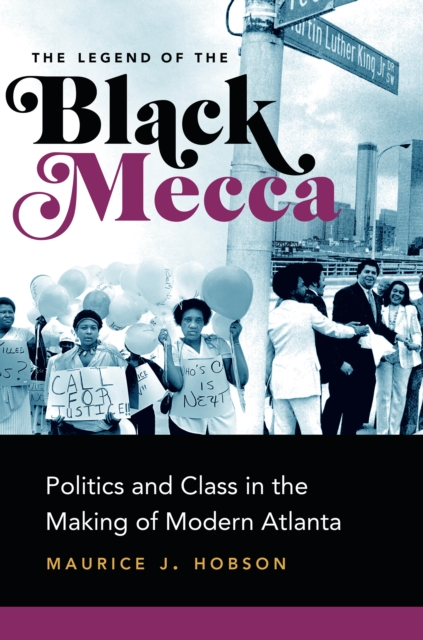
For more than a century, the city of Atlanta has been associated with black achievement in education, business, politics, media, and music, earning it the nickname the black Mecca.
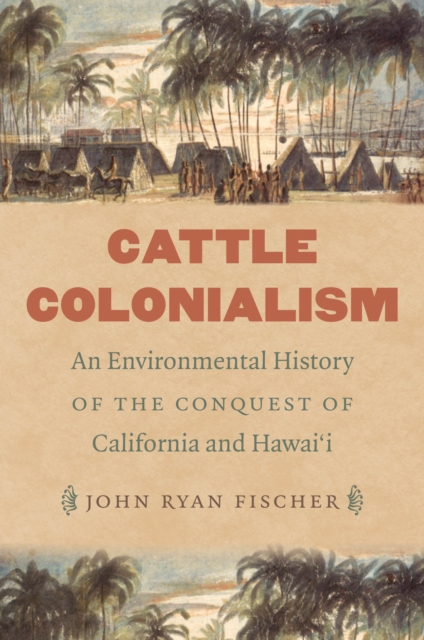
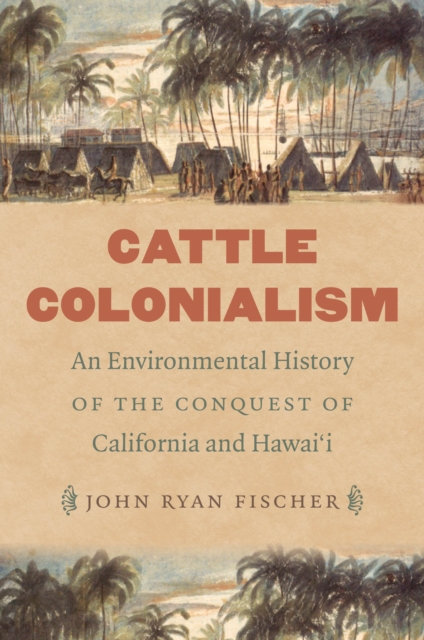
In the nineteenth century, the colonial territories of California and Hawai'i underwent important cultural, economic, and ecological transformations influenced by an unlikely factor: cows.
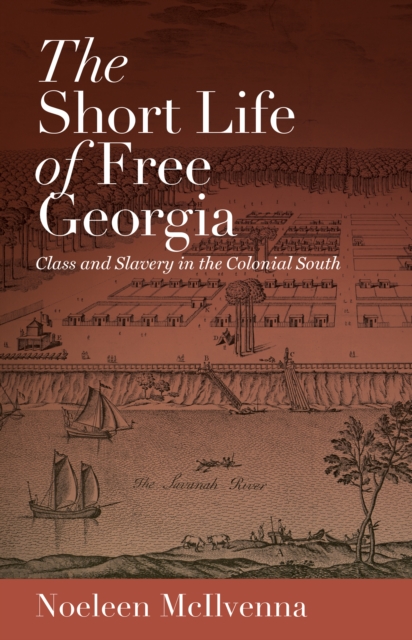
For twenty years in the eighteenth century, Georgia the last British colony in what became the United States enjoyed a brief period of free labor, where workers were not enslaved and were paid.
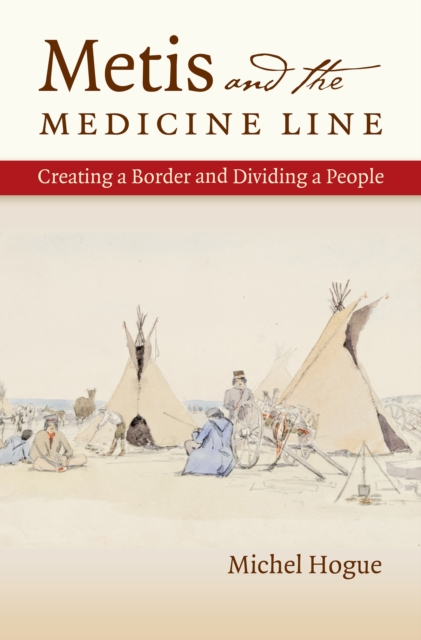
Born of encounters between Indigenous women and Euro-American men in the first decades of the nineteenth century, the Plains Metis people occupied contentious geographic and cultural spaces.
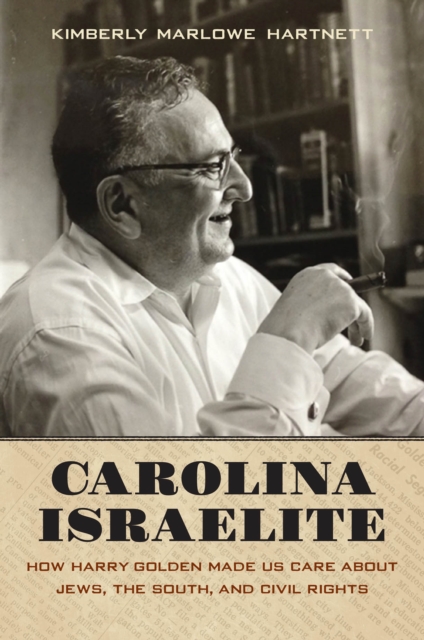
This first comprehensive biography of Jewish American writer and humorist Harry Golden (19031981) author of the 1958 national best-seller Only in America illuminates a remarkable life intertwined with the rise of the civil rights movement, Jewish popular culture, and the sometimes precarious position of Jews in the South and across America during the 1950s.
By the 1920s, the sectional reconciliation that had seemed achievable after Reconstruction was foundering, and the South was increasingly perceived and portrayed as impoverished, uneducated, and backward.
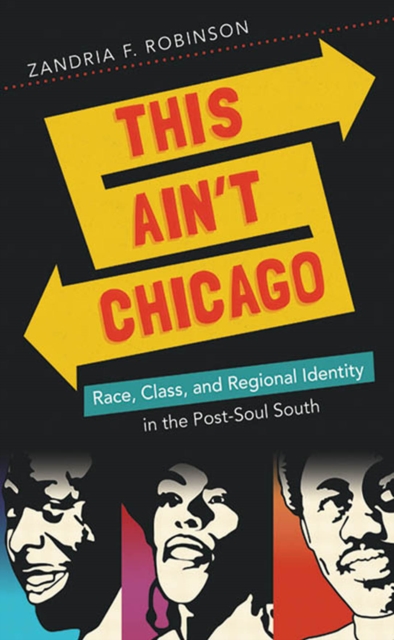
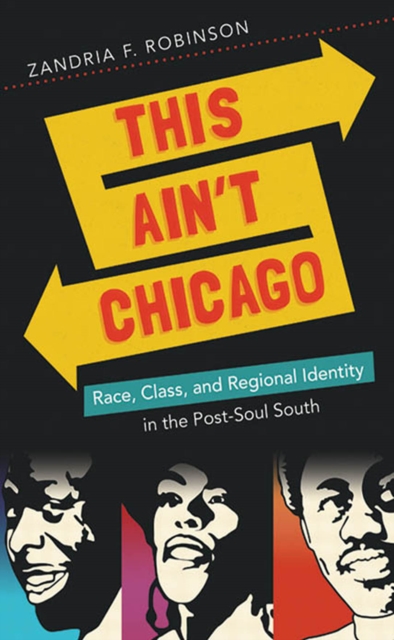
When Zandria Robinson returned home to interview African Americans in Memphis, she was often greeted with some version of the caution I hope you know this aint Chicago.
When Zandria Robinson returned home to interview African Americans in Memphis, she was often greeted with some version of the caution I hope you know this aint Chicago.
For more than a century, the city of Atlanta has been associated with black achievement in education, business, politics, media, and music, earning it the nickname the black Mecca.
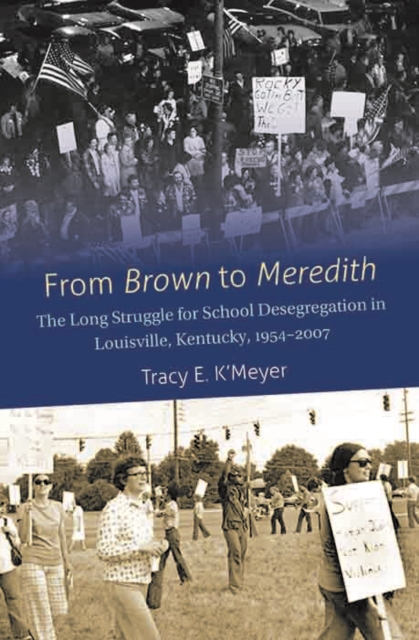
When the Supreme Court overturned Louisvilles local desegregation plan in 2007, the people of Jefferson County, Kentucky, faced the question of whether and how to maintain racial diversity in their schools.
This collection brings together thirteen criminal cases from County Durham's past that shocked not only the county but also made headline news across the country.
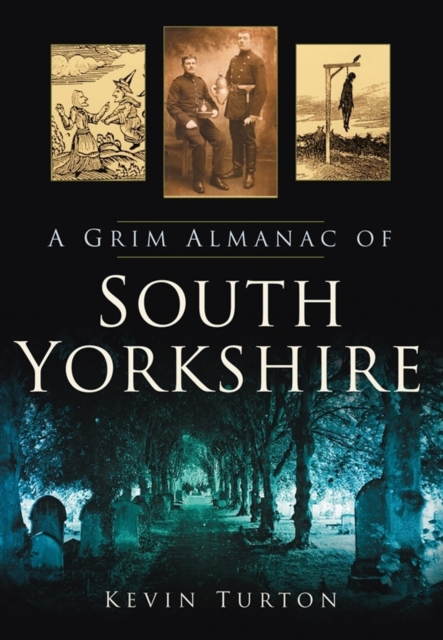
A Grim Almanac of South Yorkshire is a collection of stories from the county's past, some bizarre, some fascinating, some macabre, but all equally absorbing.
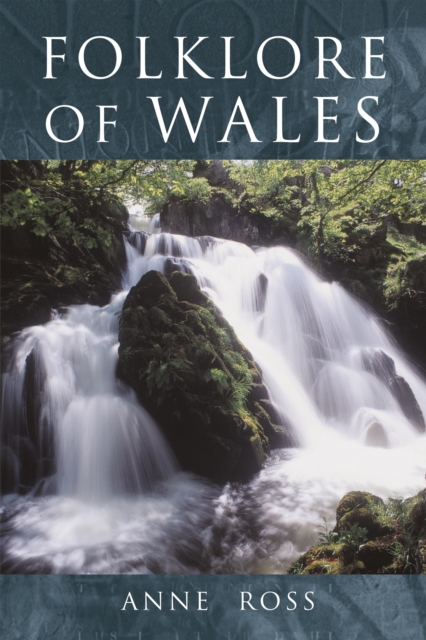
Wales is a Celtic country and the Celts have always treasured oral learning and recitation, with a passion for committing facts to memory rather than the written word.
This book inquires into what Americans mean when they call the United States a middle-class nation and why the vast majority of Americans identify themselves as middle class.
When Governor John Winthrop established the Massachusetts Bay Colony in 1630, he commenced a tradition of public service in which his family would participate for almost a century.
In the nineteenth century, the colonial territories of California and Hawai'i underwent important cultural, economic, and ecological transformations influenced by an unlikely factor: cows.
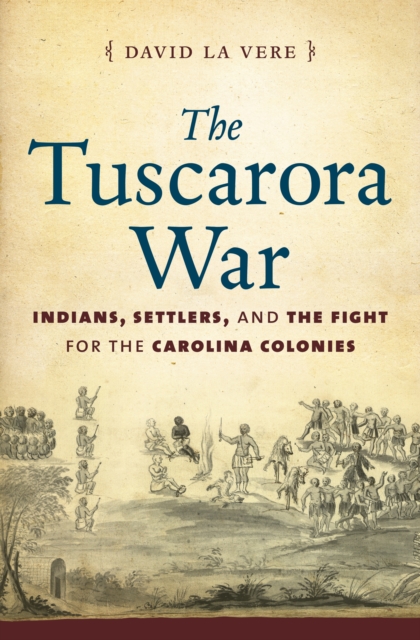
At dawn on September 22, 1711, more than 500 Tuscarora, Core, Neuse, Pamlico, Weetock, Machapunga, and Bear River Indian warriors swept down on the unsuspecting European settlers living along the Neuse and Pamlico Rivers of North Carolina.
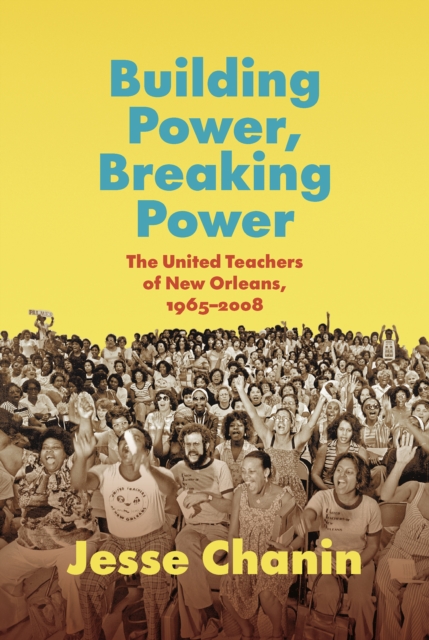
From 1965 to 2005, the United Teachers of New Orleans (UTNO) defied the Souths conservative anti-union efforts to become the largest local in Louisiana.
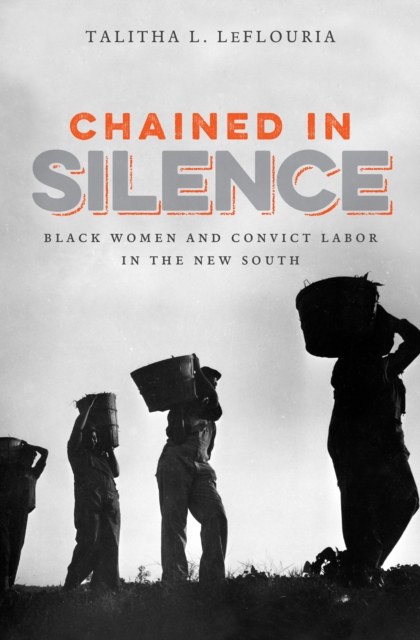
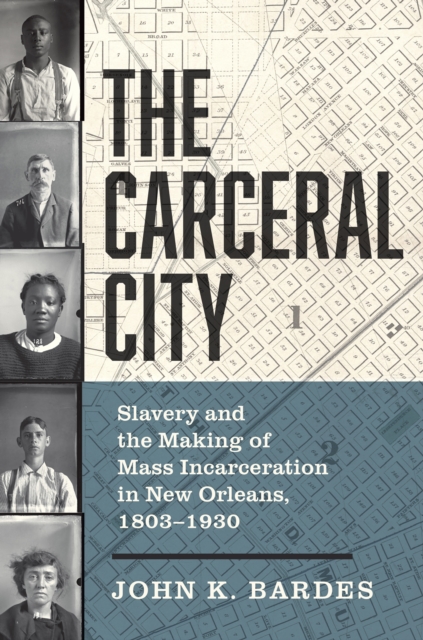
Americans often assume that slave societies had little use for prisons and police because slaveholders only ever inflicted violence directly or through overseers.