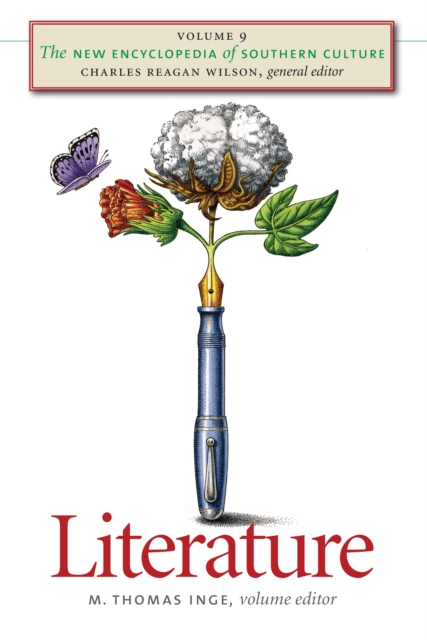
Offering a comprehensive view of the Souths literary landscape, past and present, this volume of The New Encyclopedia of Southern Culture celebrates the regions ever-flourishing literary culture and recognizes the ongoing evolution of the southern literary canon.
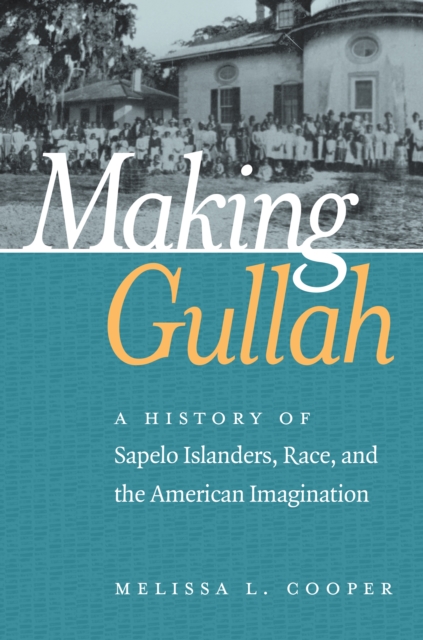
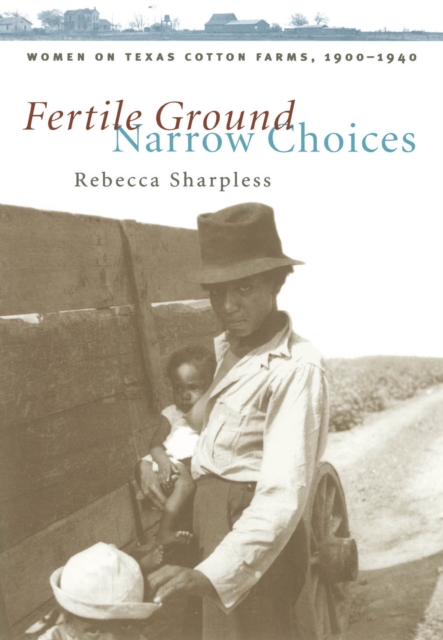
During the 1920s and 1930s, anthropologists and folklorists became obsessed with uncovering connections between African Americans and their African roots.
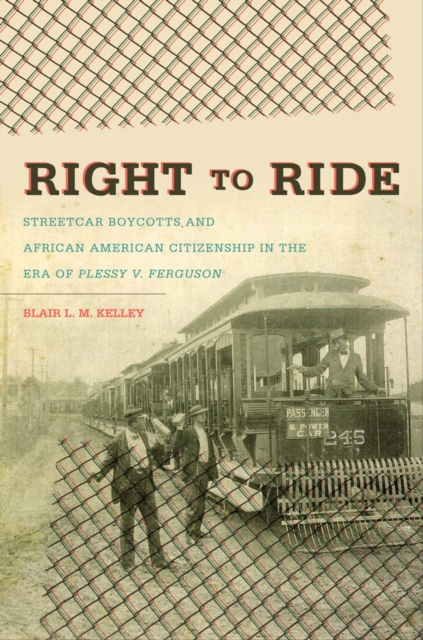
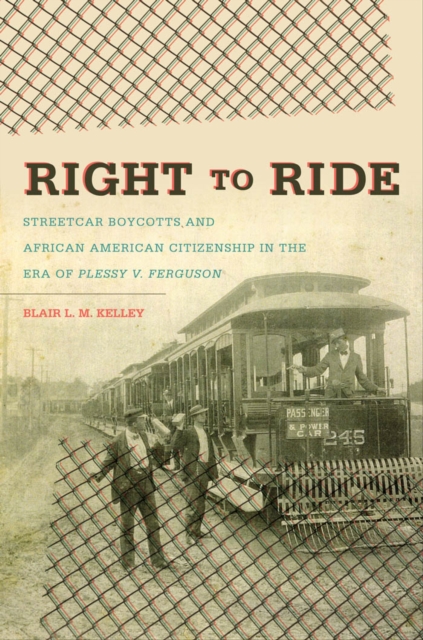
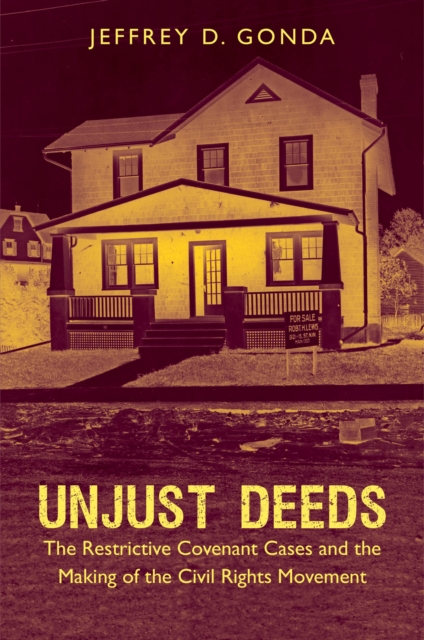
Through a reexamination of the earliest struggles against Jim Crow, Blair Kelley exposes the fullness of African American efforts to resist the passage of segregation laws dividing trains and streetcars by race in the early Jim Crow era.
Offering a broad, up-to-date reference to the long history and cultural legacy of education in the American South, this timely volume of The New Encyclopedia of Southern Culture surveys educational developments, practices, institutions, and politics from the colonial era to the present.
This volume of The New Encyclopedia of Southern Culture offers a current and authoritative reference to urbanization in the American South from the eighteenth century to the twenty-first, surveying important southern cities individually and examining the various issues that shape patterns of urbanization from a broad regional perspective.
While a luscious layer cake may exemplify the towering glory of southern baking, like everything about the American South, baking is far more complicated than it seems.
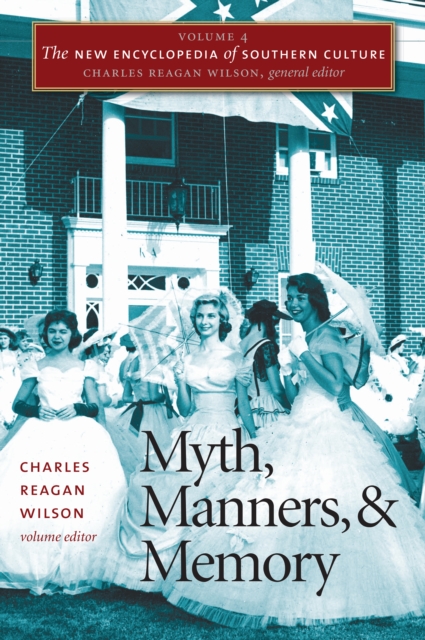
This volume of The New Encyclopedia of Southern Culture addresses the cultural, social, and intellectual terrain of myth, manners, and historical memory in the American South.
This volume contains a parade of exciting events written in a lively, readable style, with the purpose of pleasantly instructing the intermediate-grade student in North Carolina history.
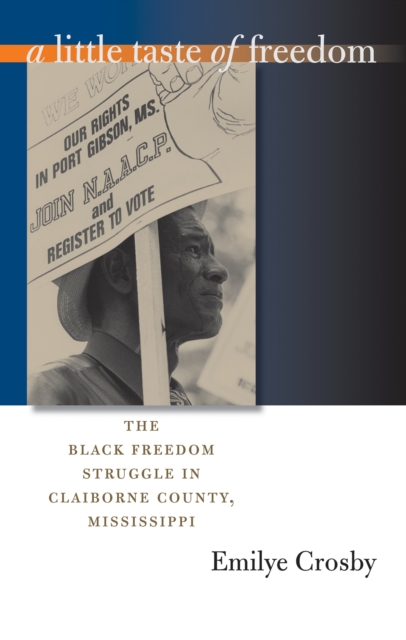
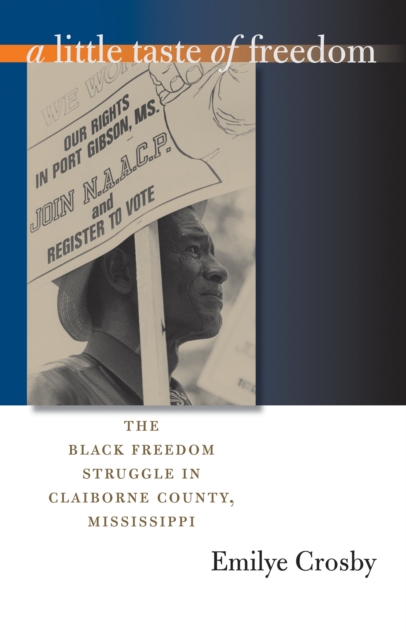
In this long-term community study of the freedom movement in rural, majority-black Claiborne County, Mississippi, Emilye Crosby explores the impact of the African American freedom struggle on small communities in general and questions common assumptions that are based on the national movement.
This award-winning, lavishly illustrated history displays the wide range of North Carolinas architectural heritage, from colonial times to the beginning of World War II.
In this long-term community study of the freedom movement in rural, majority-black Claiborne County, Mississippi, Emilye Crosby explores the impact of the African American freedom struggle on small communities in general and questions common assumptions that are based on the national movement.
Through a reexamination of the earliest struggles against Jim Crow, Blair Kelley exposes the fullness of African American efforts to resist the passage of segregation laws dividing trains and streetcars by race in the early Jim Crow era.
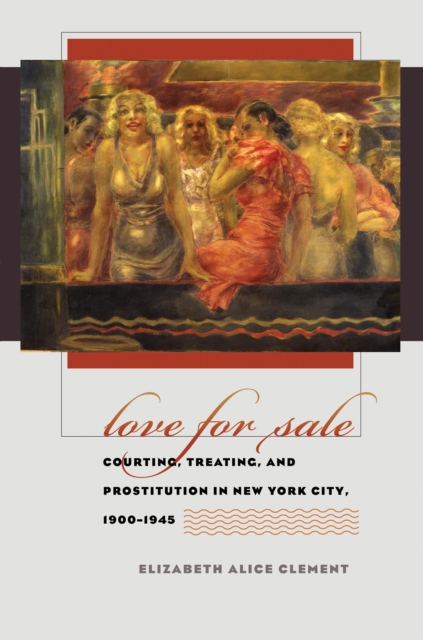
The intense urbanization and industrialization of Americas largest city from the turn of the twentieth century to World War II was accompanied by profound shifts in sexual morality, sexual practices, and gender roles.
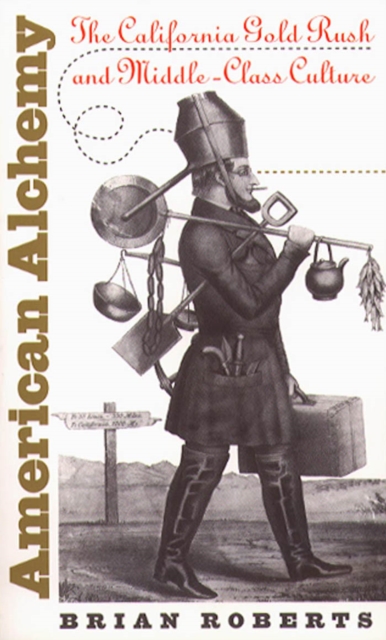
California during the gold rush was a place of disputed claims, shoot-outs, gambling halls, and prostitution; a place populated by that rough and rebellious figure, the forty-niner; in short, a place that seems utterly unconnected to middle-class culture.
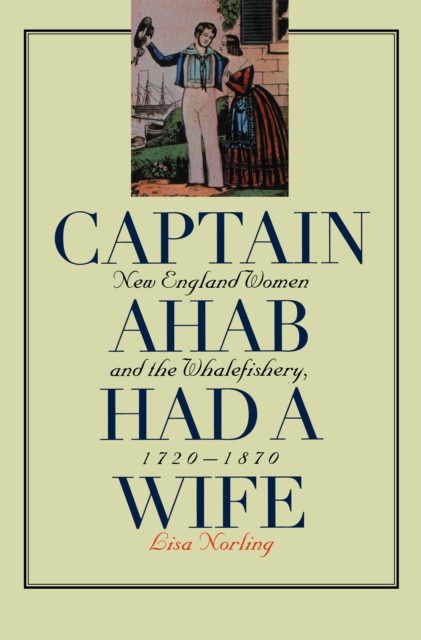
During the eighteenth and nineteenth centuries, the whaling industry in New England sent hundreds of ships and thousands of men to distant seas on voyages lasting up to five years.
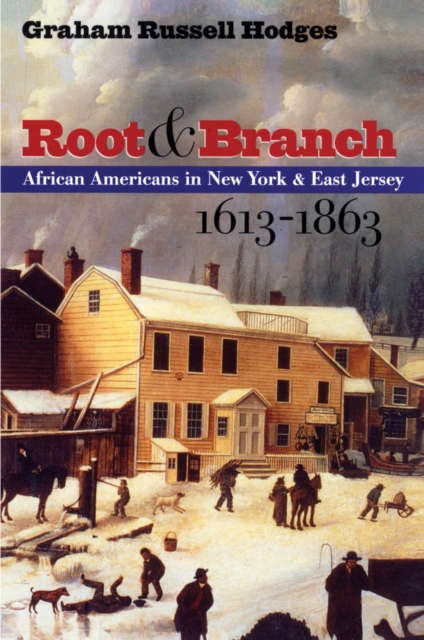
In this remarkable book, Graham Hodges presents a comprehensive history of African Americans in New York City and its rural environs from the arrival of the first African a sailor marooned on Manhattan Island in 1613 to the bloody Draft Riots of 1863.
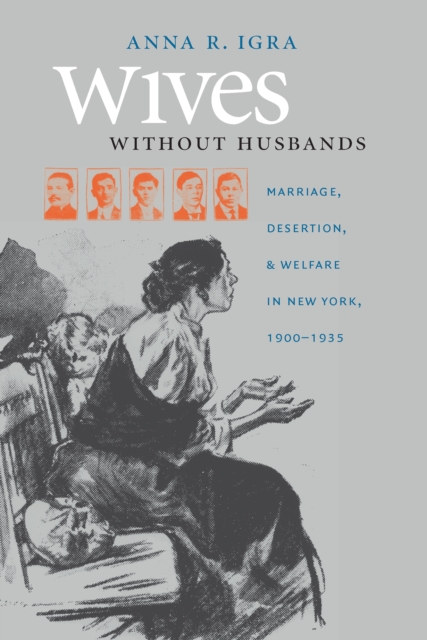
Shedding new light on contemporary campaigns to encourage marriage among welfare recipients and to prosecute deadbeat dads, Wives without Husbands traces the efforts of Progressive reformers to make runaway husbands support their families.
William Links account of the transformation of Virginias country schools between 1870 and 1920 fills important gaps in the history of education and the social history of the South.
The Dictionary of Southern Appalachian English is a revised and expanded edition of the Weatherford Awardwinning Dictionary of Smoky Mountain English, published in 2005 and known in Appalachian studies circles as the most comprehensive reference work dedicated to Appalachian vernacular and linguistic practice.
From the seventeenth through the nineteenth centuries, a steady stream of Scots migrated to Ulster and eventually onward across the Atlantic to resettle in the United States.
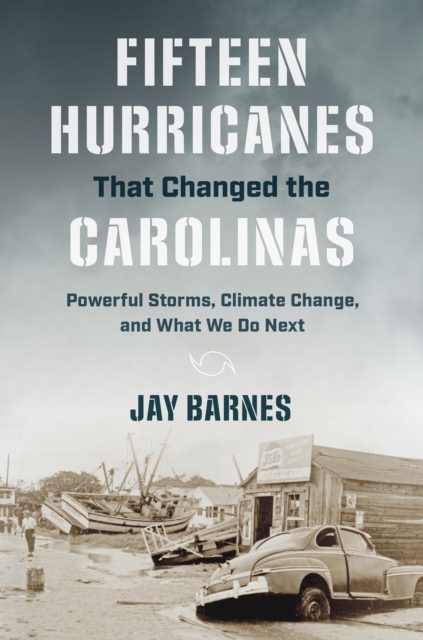
This informative and engaging book tells the true stories of the hurricanes that had the greatest impact on North Carolina and South Carolina, from the eighteenth century to the present day.
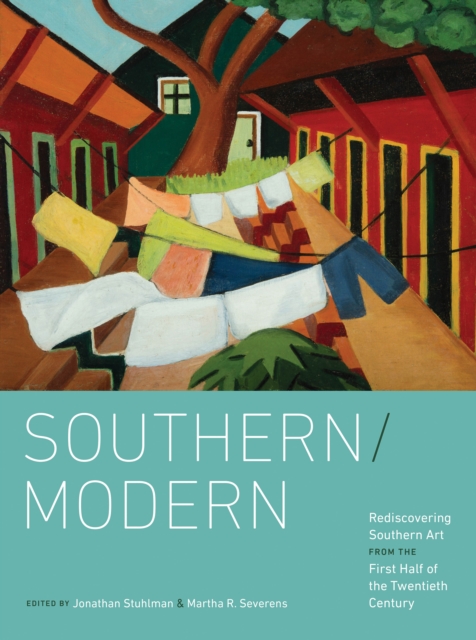
Inspired by a companion exhibition, Southern/Modern is the first book to survey progressive art created in the American South during the first half of the twentieth century.
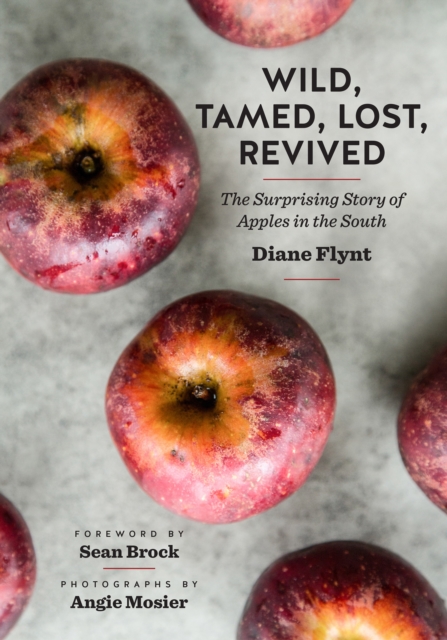
For anyone whos ever picked an apple fresh from the tree or enjoyed a glass of cider, writer and orchardist Diane Flynt offers a new history of the apple and how it changed the South and the nation.
In their own picturesque speech, an older generation of men and women in North Carolina paint a vivid image of home and family life in the southern Appalachian mountains around the turn of the century.
This is a carefully researched and completely rewritten version of Adelaide Friess 1949 history that traced the Forsyth story from its Moravian beginnings through the joining of Winston and Salem and concluded with a forward look to Wake Forest College as a key to future cultural growth.
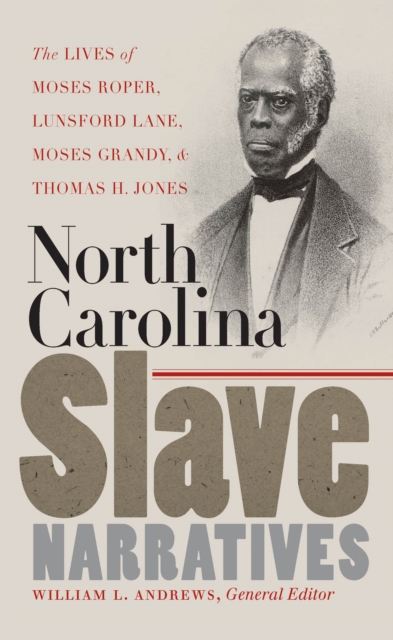
The autobiographies of former slaves contributed powerfully to the abolitionist movement in the United States, fanning national even international indignation against the evils of slavery.
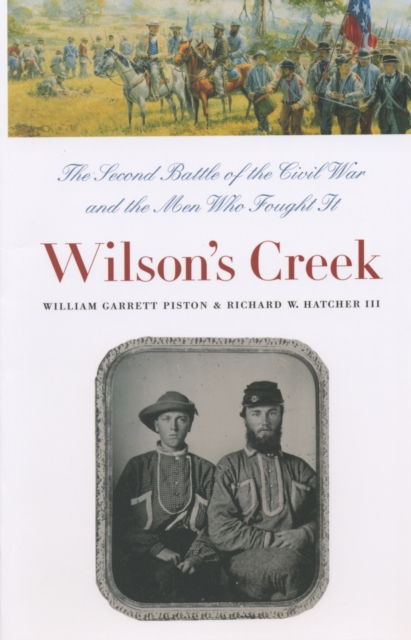
In the summer of 1861, Americans were preoccupied by the question of which states would join the secession movement and which would remain loyal to the Union.
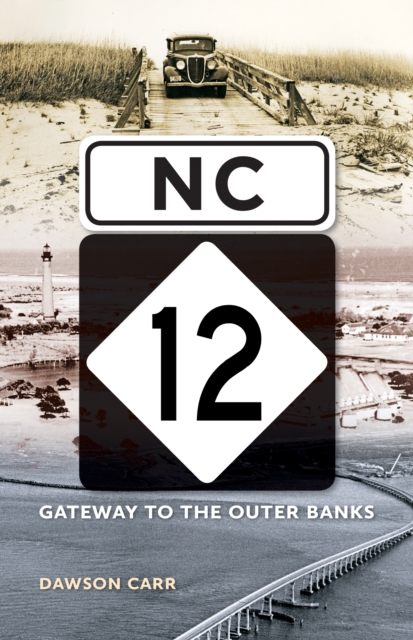
Connecting communities from Corolla in the north to Ocracoke Island in the south, scenic North Carolina Highway 12 binds together the fragile barrier islands that make up the Outer Banks.