Poised on the edge of the United States and at the center of a wider Caribbean world, todays Miami is marketed as an international tourist hub that embraces gender and sexual difference.
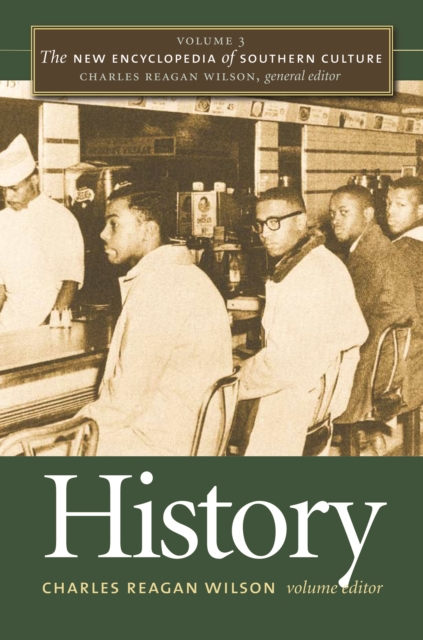
Providing a chronological and interpretive spine to the twenty-four volumes of The New Encyclopedia of Southern Culture, this volume broadly surveys history in the American South from the Paleoindian period (approximately 8000 B.
African American freedom is often defined in terms of emancipation and civil rights legislation, but it did not arrive with the stroke of a pen or the rap of a gavel.
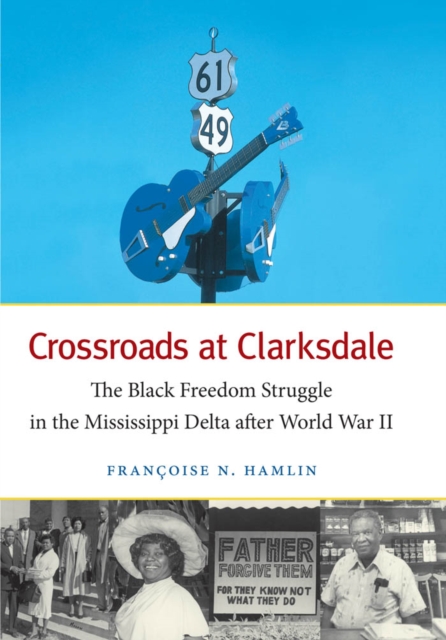
Weaving national narratives from stories of the daily lives and familiar places of local residents, Franoise Hamlin chronicles the slow struggle for black freedom through the history of Clarksdale, Mississippi.
The meaning of race in the antebellum southern United States was anchored in the racial exclusivity of slavery (coded as black) and full citizenship (coded as white as well as male).
In recent years, dozens of counties in North Carolina have partnered with federal law enforcement in the criminalization of immigrationwhat many have dubbed crimmigration.
In this critical biography, Susan Lee Johnson braids together lives over time and space, telling tales of two white women who, in the 1960s, wrote books about the fabled frontiersman Christopher Kit Carson: Quantrille McClung, a Denver librarian who compiled the Carson-Bent-Boggs Genealogy, and Kansas-born but Washington, D.
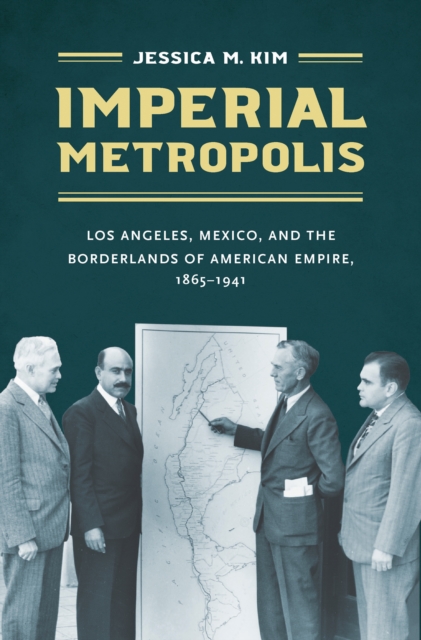
Late nineteenth-century San Francisco was an ethnically diverse but male-dominated society bustling from a rowdy gold rush, earthquakes, and explosive economic growth.
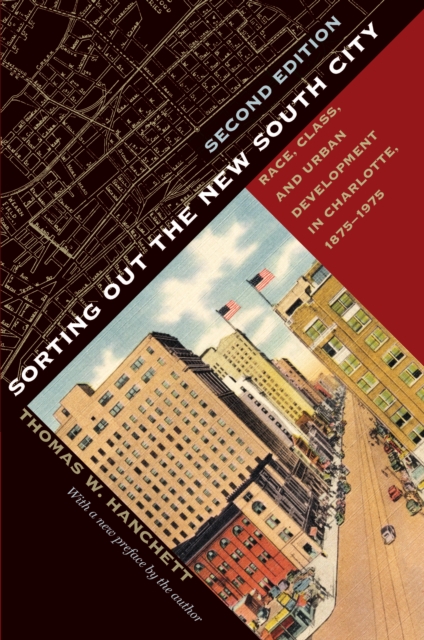
One of the largest and fastest-growing cities in the South, Charlotte, North Carolina, came of age in the New South decades of the late nineteenth and early twentieth centuries, transforming itself from a rural courthouse village to the trading and financial hub of Americas premier textile manufacturing region.
In the mid-1990s, residents of Anniston, Alabama, began a legal fight against the agrochemical company Monsanto over the dumping of PCBs in the citys historically African American and white working-class west side.
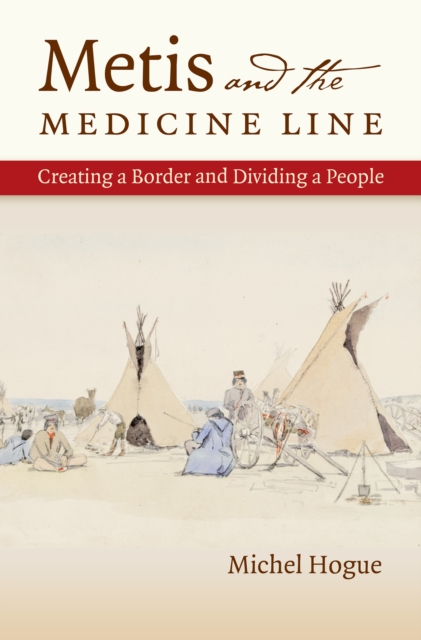
Born of encounters between Indigenous women and Euro-American men in the first decades of the nineteenth century, the Plains Metis people occupied contentious geographic and cultural spaces.
This volume contains a parade of exciting events written in a lively, readable style, with the purpose of pleasantly instructing the intermediate-grade student in North Carolina history.
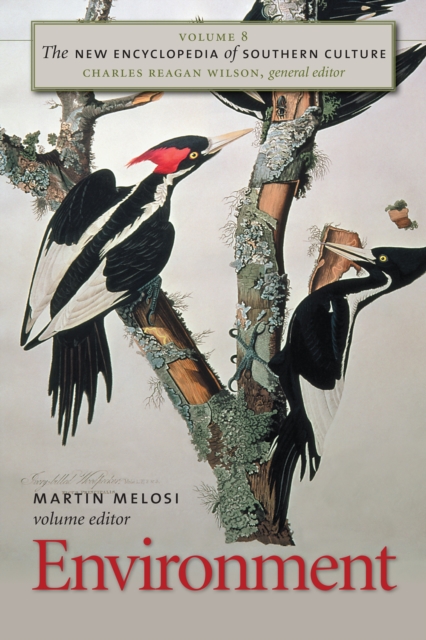
From semitropical coastal areas to high mountain terrain, from swampy lowlands to modern cities, the environment holds a fundamental importance in shaping the character of the American South.
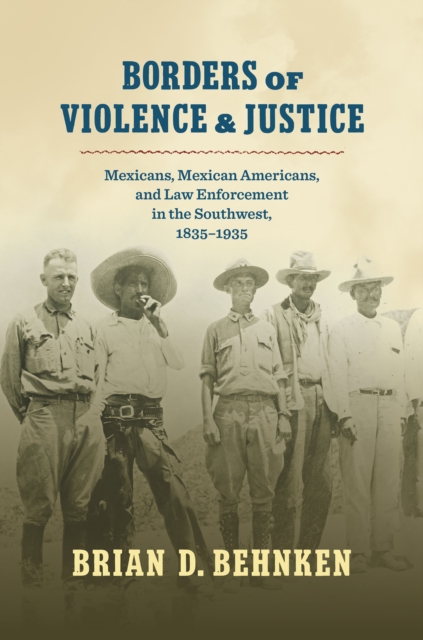
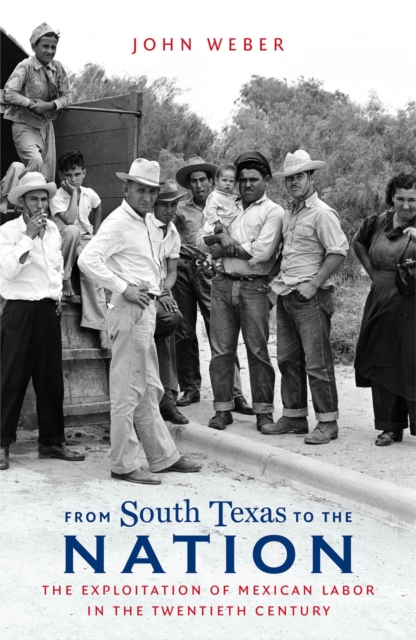
Brian Behnken offers a sweeping examination of the interactions between Mexican-origin people and law enforcementboth legally codified police agencies and extralegal justiceacross the U.
When the Los Angeles neighborhood of Watts erupted in violent protest in August 1965, the uprising drew strength from decades of pent-up frustration with employment discrimination, residential segregation, and poverty.
The fifth volume of The New Encyclopedia of Southern Culture explores language and dialect in the South, including English and its numerous regional variants, Native American languages, and other non-English languages spoken over time by the regions immigrant communities.
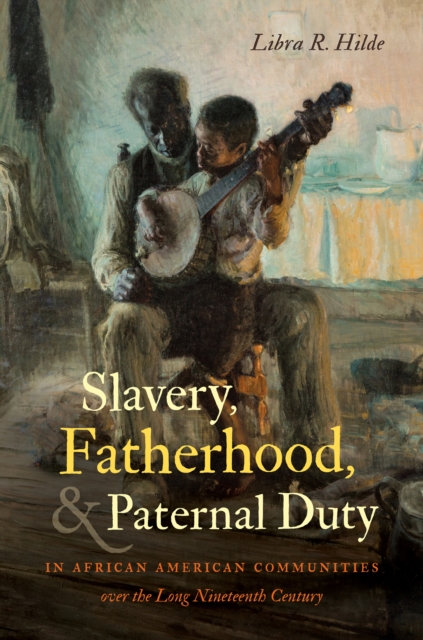
For enslaved and newly freed African Americans, attaining freedom and citizenship without health for themselves and their families would have been an empty victory.
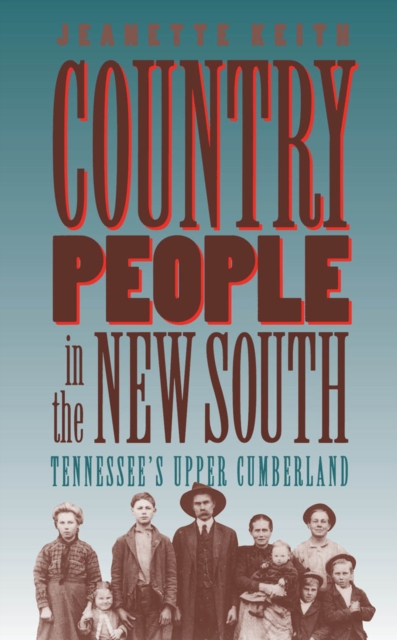
Using the Tennessee antievolution 'Monkey Law,' authored by a local legislator, as a measure of how conservatives successfully resisted, co-opted, or ignored reform efforts, Jeanette Keith explores conflicts over the meaning and cost of progress in Tennessees hill country from 1890 to 1925.
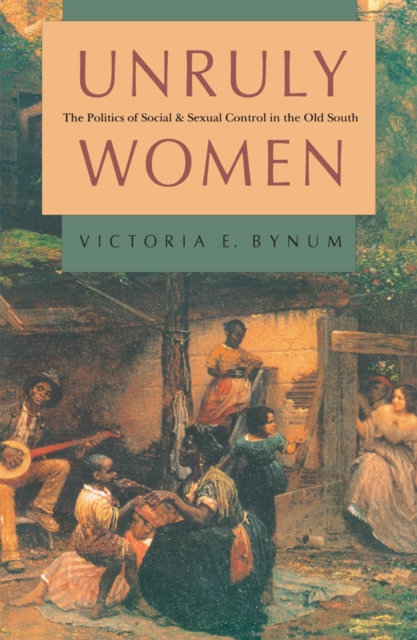
In this richly detailed and imaginatively researched study, Victoria Bynum investigates unruly women in central North Carolina before and during the Civil War.
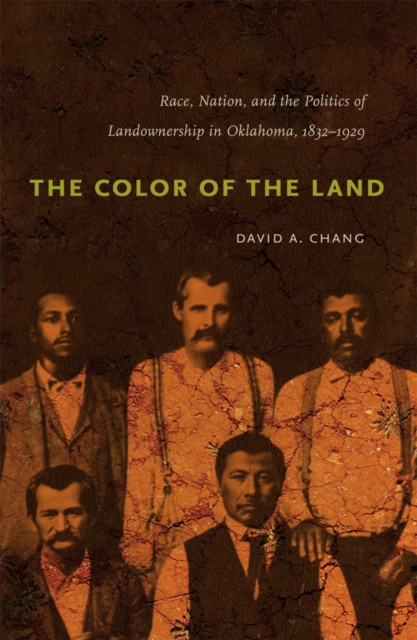
The Color of the Land brings the histories of Creek Indians, African Americans, and whites in Oklahoma together into one story that explores the way races and nations were made and remade in conflicts over who would own land, who would farm it, and who would rule it.
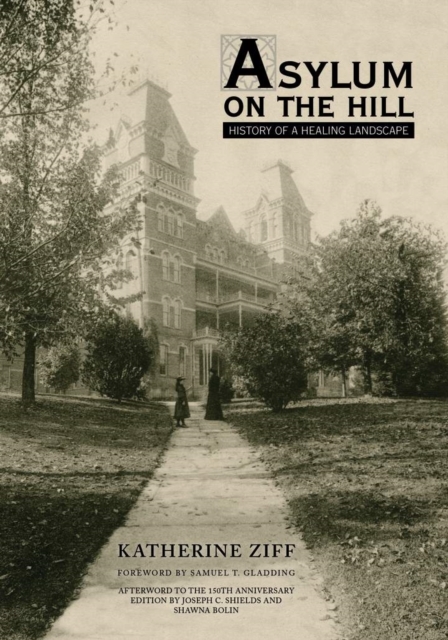
Asylum on the Hill is the story of a great American experiment in psychiatry, a revolution in care for those with mental illness, as seen through the example of the Athens Lunatic Asylum.
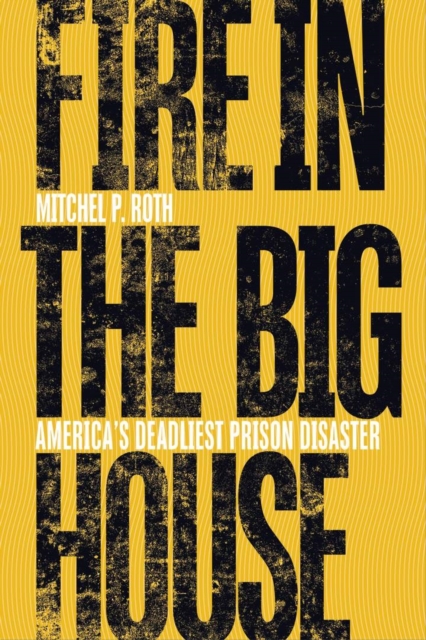
On April 21, 1930-Easter Monday-some rags caught fire under the Ohio Penitentiary's dry and aging wooden roof, shortly after inmates had returned to their locked cells after supper.