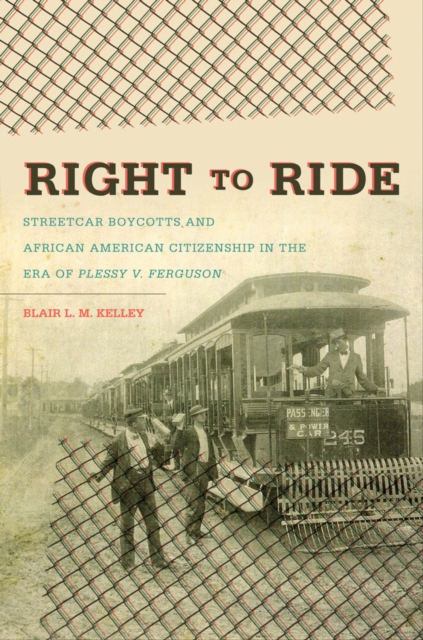
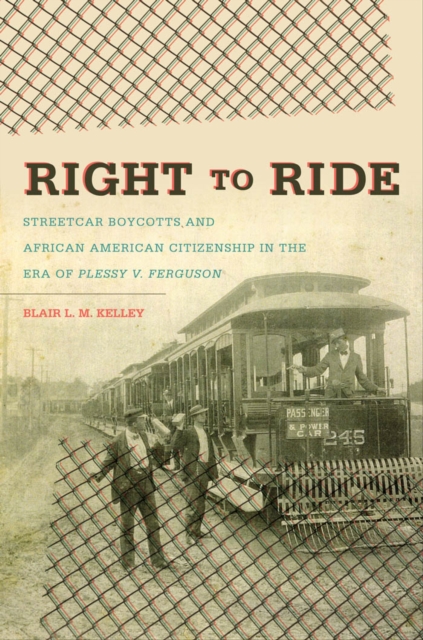
Through a reexamination of the earliest struggles against Jim Crow, Blair Kelley exposes the fullness of African American efforts to resist the passage of segregation laws dividing trains and streetcars by race in the early Jim Crow era.
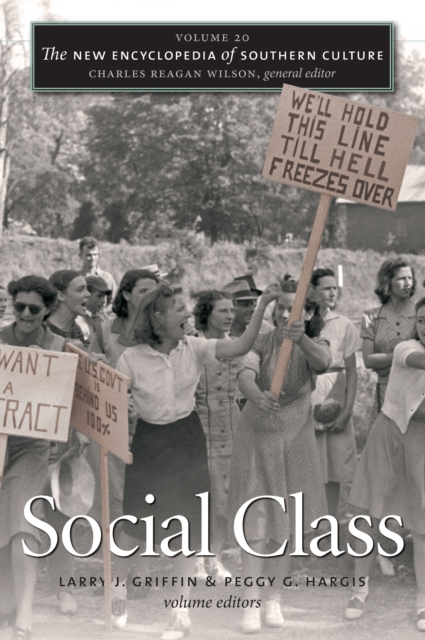
This volume of The New Encyclopedia of Southern Culture offers a timely, authoritative, and interdisciplinary exploration of issues related to social class in the South from the colonial era to the present.
Offering a broad, up-to-date reference to the long history and cultural legacy of education in the American South, this timely volume of The New Encyclopedia of Southern Culture surveys educational developments, practices, institutions, and politics from the colonial era to the present.
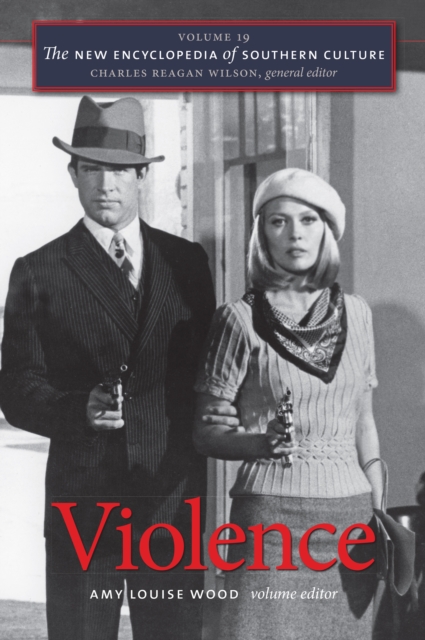
Much of the violence that has been associated with the United States has had particular salience for the South, from its high homicide rates, or its bloody history of racial conflict, to southerners' popular attachment to guns and traditional support for capital punishment.
Focusing on five Los Angeles environmental policy debates between 1920 and 1950, Sarah Elkind investigates how practices in American municipal government gave business groups political legitimacy at the local level as well as unanticipated influence over federal politics.
Late nineteenth-century San Francisco was an ethnically diverse but male-dominated society bustling from a rowdy gold rush, earthquakes, and explosive economic growth.
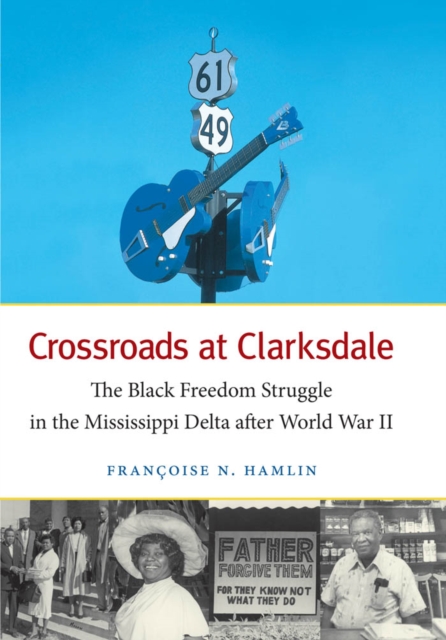
Weaving national narratives from stories of the daily lives and familiar places of local residents, Franoise Hamlin chronicles the slow struggle for black freedom through the history of Clarksdale, Mississippi.
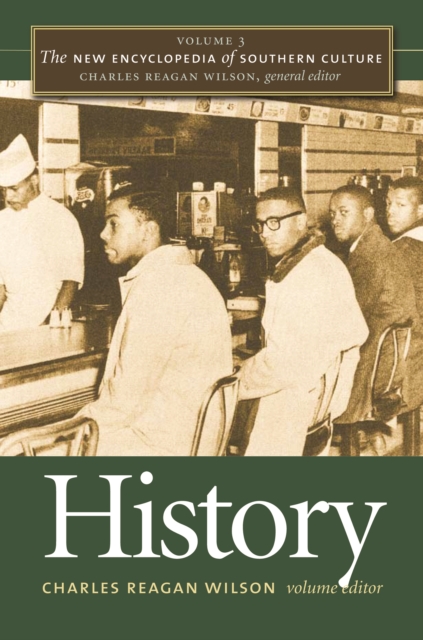
Providing a chronological and interpretive spine to the twenty-four volumes of The New Encyclopedia of Southern Culture, this volume broadly surveys history in the American South from the Paleoindian period (approximately 8000 B.
On April 21, 1930-Easter Monday-some rags caught fire under the Ohio Penitentiary's dry and aging wooden roof, shortly after inmates had returned to their locked cells after supper.
Asylum on the Hill is the story of a great American experiment in psychiatry, a revolution in care for those with mental illness, as seen through the example of the Athens Lunatic Asylum.
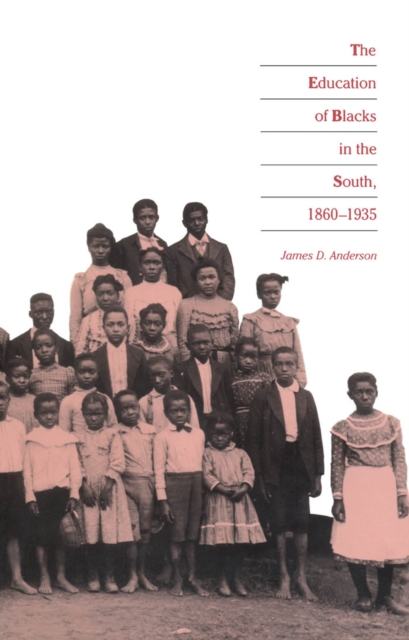
Conventional wisdom holds that freedmens education was largely the work of privileged, single white northern women motivated by evangelical beliefs and abolitionism.
This successor to the classic Lefler-Newsome North Carolina: The History of a Southern State, published in 1954, presents a fresh survey history that includes the contemporary scene.
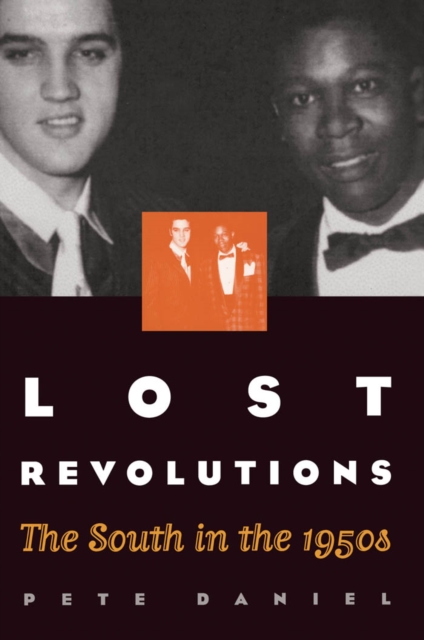
This sweeping work of cultural history explores a time of startling turbulence and change in the South, years that have often been dismissed as placid and dull.
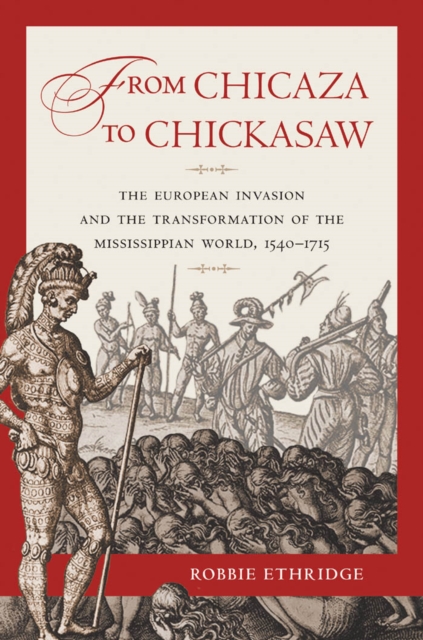
In this sweeping regional history, anthropologist Robbie Ethridge traces the metamorphosis of the Native South from first contact in 1540 to the dawn of the eighteenth century, when indigenous people no longer lived in a purely Indian world but rather on the edge of an expanding European empire.
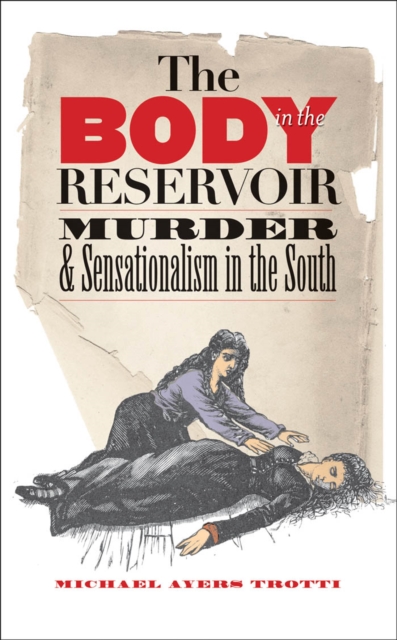
Centered on a series of dramatic murders in nineteenth- and early twentieth-century Richmond, Virginia, The Body in the Reservoir uses these gripping stories of crime to explore the evolution of sensationalism in southern culture.
Seen as a land of sunshine and opportunity, the Golden State was a mecca for the postWorld War II generation, and dreams of the California good life came to dominate the imagination of many Americans in the 1950s and 1960s.
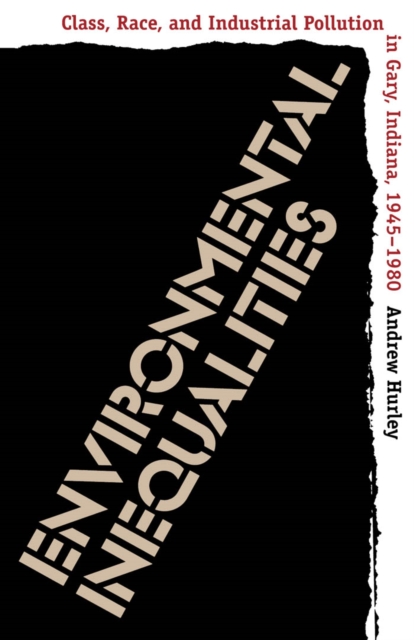
By examining environmental change through the lens of conflicting social agendas, Andrew Hurley uncovers the historical roots of environmental inequality in contemporary urban America.
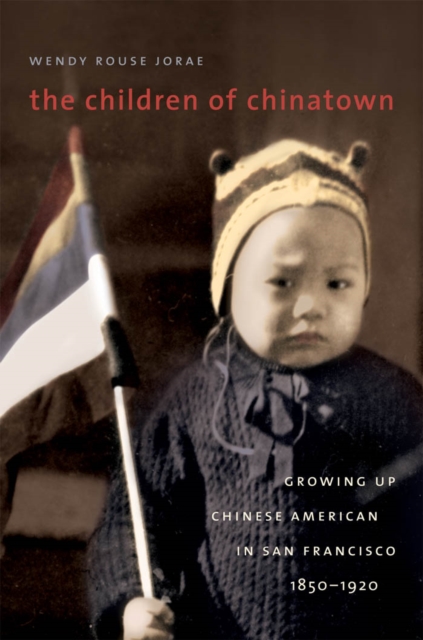
Revealing the untold stories of a pioneer generation of young Chinese Americans, this book places the children and families of early Chinatown in the middle of efforts to combat American policies of exclusion and segregation.
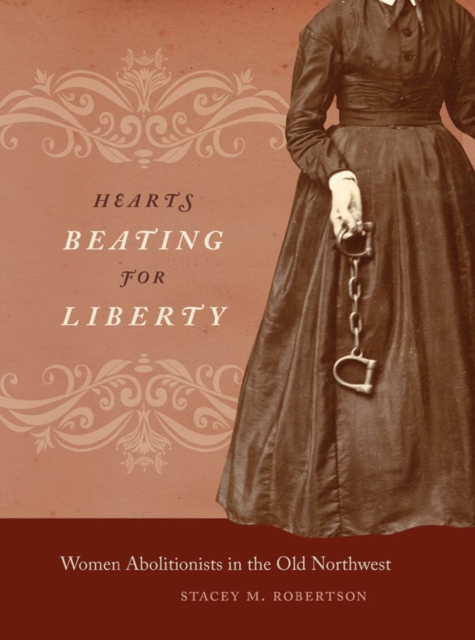
Challenging traditional histories of abolition, this book shifts the focus away from the East to show how the women of Ohio, Indiana, Illinois, Michigan, and Wisconsin helped build a vibrant antislavery movement in the Old Northwest.
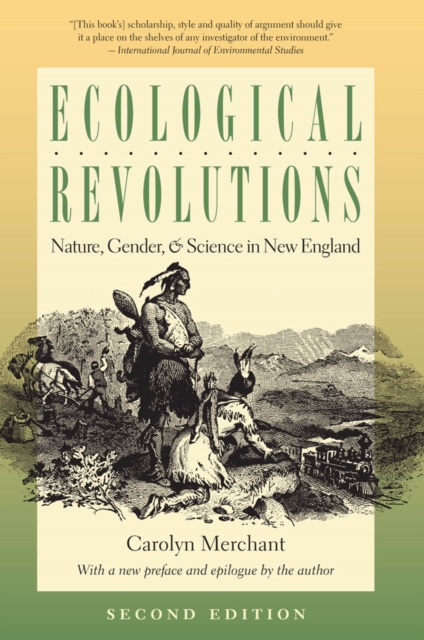
With the arrival of European explorers and settlers during the seventeenth century, Native American ways of life and the environment itself underwent radical alterations as human relationships to the land and ways of thinking about nature all changed.
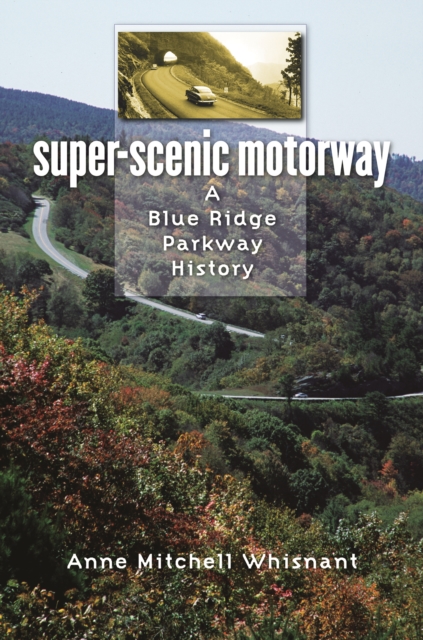
The most visited site in the National Park system, the 469-mile Blue Ridge Parkway winds along the ridges of the Appalachian mountains in Virginia and North Carolina.
A sweeping chronicle of Jewish life in the Tar Heel State from colonial times to the present, this beautifully illustrated volume incorporates oral histories, original historical documents, and profiles of fascinating individuals.
In Creek Paths and Federal Roads, Angela Pulley Hudson offers a new understanding of the development of the American South by examining travel within and between southeastern Indian nations and the southern states, from the founding of the United States until the forced removal of southeastern Indians in the 1830s.
The North Carolina Gazetteer first appeared to wide acclaim in 1968 and has remained an essential reference for anyone with a serious interest in the Tar Heel State, from historians to journalists, from creative writers to urban planners, from backpackers to armchair travelers.
This volume of The New Encyclopedia of Southern Culture offers a current and authoritative reference to urbanization in the American South from the eighteenth century to the twenty-first, surveying important southern cities individually and examining the various issues that shape patterns of urbanization from a broad regional perspective.
Through a reexamination of the earliest struggles against Jim Crow, Blair Kelley exposes the fullness of African American efforts to resist the passage of segregation laws dividing trains and streetcars by race in the early Jim Crow era.
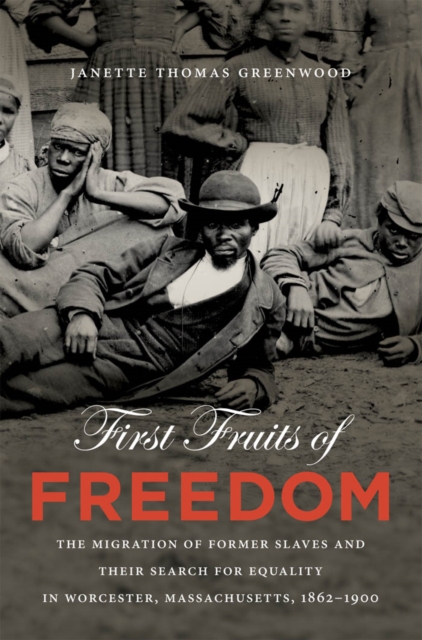
A moving narrative that offers a rare glimpse into the lives of African American men, women, and children on the cusp of freedom, First Fruits of Freedom chronicles one of the first collective migrations of blacks from the South to the North during and after the Civil War.
When Governor Terry Sanford established the North Carolina Fund in 1963, he saw it as a way to provide a better life for the tens of thousands whose family income is so low that daily subsistence is always in doubt.
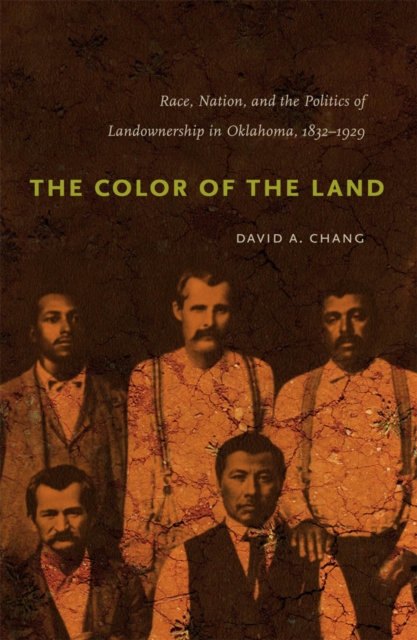
The Color of the Land brings the histories of Creek Indians, African Americans, and whites in Oklahoma together into one story that explores the way races and nations were made and remade in conflicts over who would own land, who would farm it, and who would rule it.
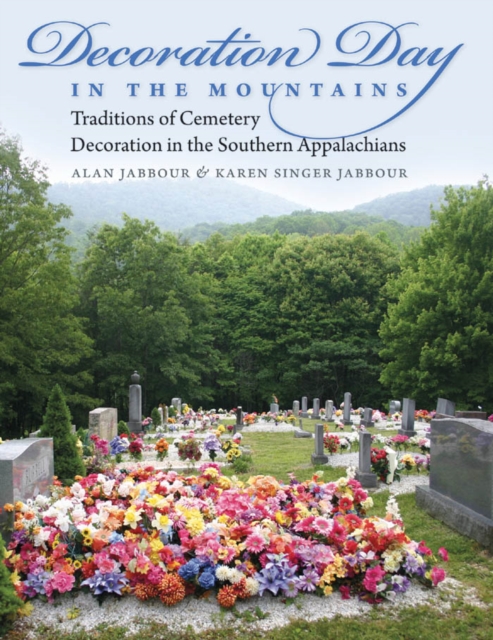
Decoration Day is a late spring or summer tradition that involves cleaning a community cemetery, decorating it with flowers, holding a religious service in the cemetery, and having dinner on the ground.
Michael O'Brien has masterfully abridged his award-winning two-volume intellectual history of the Old South, Conjectures of Order, depicting a culture that was simultaneously national, postcolonial, and imperial, influenced by European intellectual traditions, yet also deeply implicated in the making of the American mind.
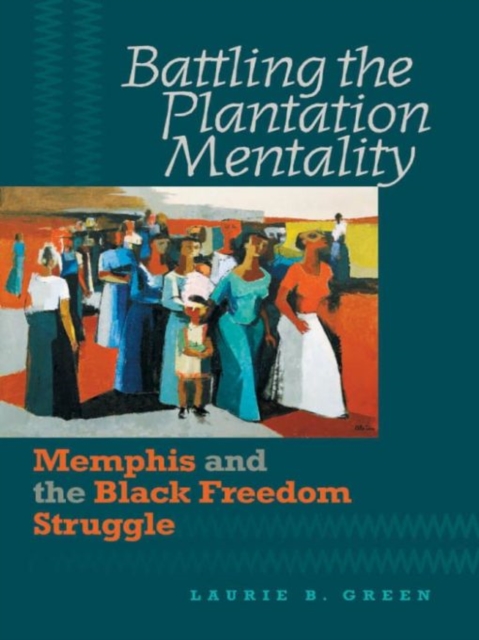
African American freedom is often defined in terms of emancipation and civil rights legislation, but it did not arrive with the stroke of a pen or the rap of a gavel.
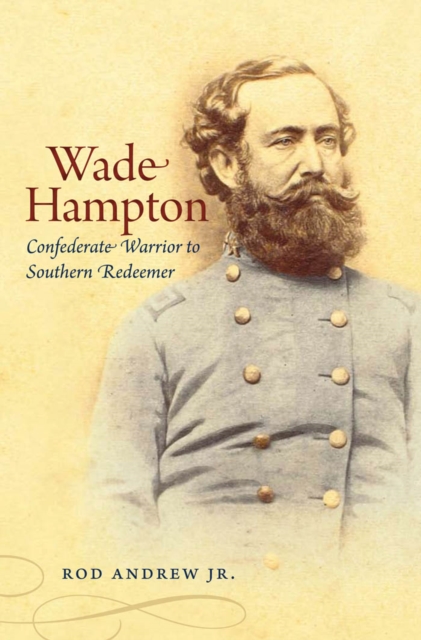
One of the Souths most illustrious military leaders, Wade Hampton III was for a time the commander of all Lees cavalry and at the end of the war was the highest-ranking Confederate cavalry officer.