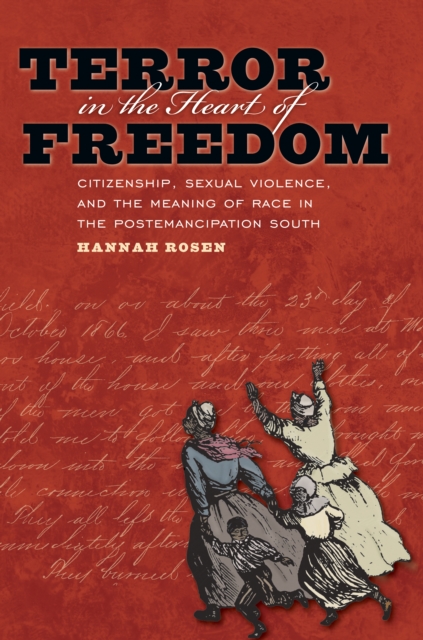
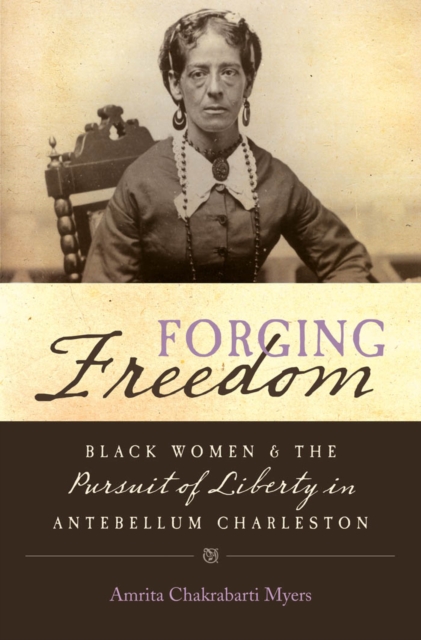
The meaning of race in the antebellum southern United States was anchored in the racial exclusivity of slavery (coded as black) and full citizenship (coded as white as well as male).
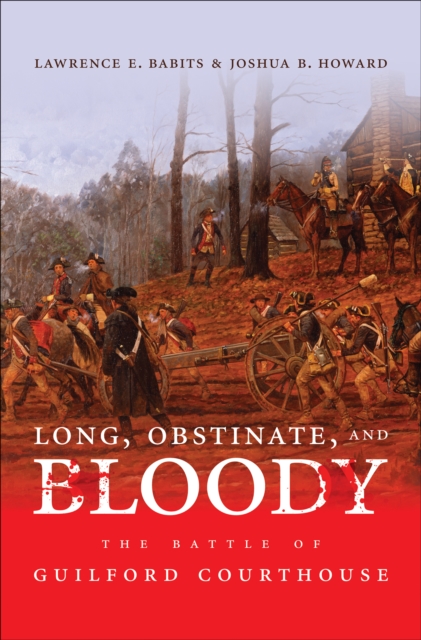
On March 15, 1781, the armies of Nathanael Greene and Lord Charles Cornwallis fought one of the bloodiest and most intense engagements of the American Revolution at Guilford Courthouse in piedmont North Carolina.
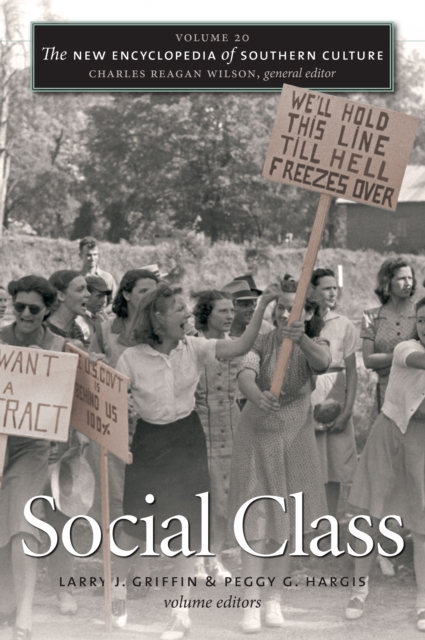
This volume of The New Encyclopedia of Southern Culture offers a timely, authoritative, and interdisciplinary exploration of issues related to social class in the South from the colonial era to the present.
Offering a broad, up-to-date reference to the long history and cultural legacy of education in the American South, this timely volume of The New Encyclopedia of Southern Culture surveys educational developments, practices, institutions, and politics from the colonial era to the present.
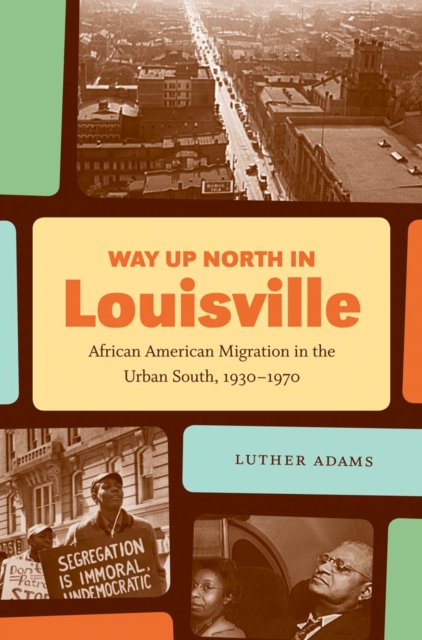
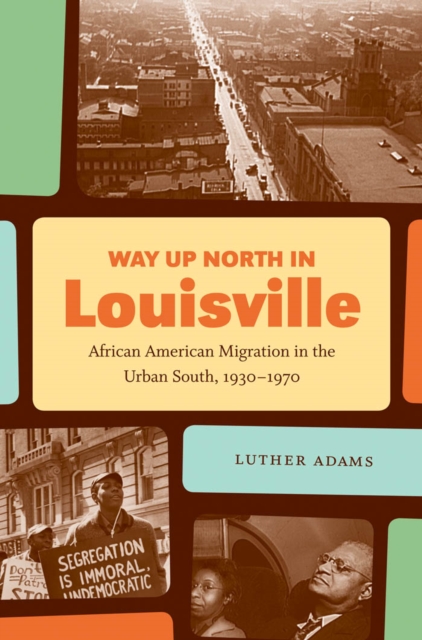
Luther Adams demonstrates that in the wake of World War II, when roughly half the black population left the South seeking greater opportunity and freedom in the North and West, the same desire often anchored African Americans to the South.
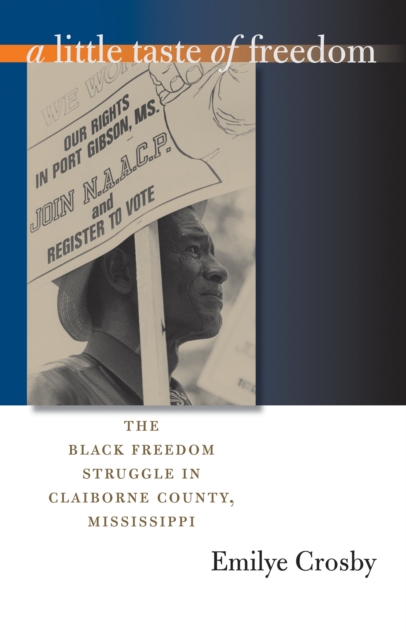
In this long-term community study of the freedom movement in rural, majority-black Claiborne County, Mississippi, Emilye Crosby explores the impact of the African American freedom struggle on small communities in general and questions common assumptions that are based on the national movement.
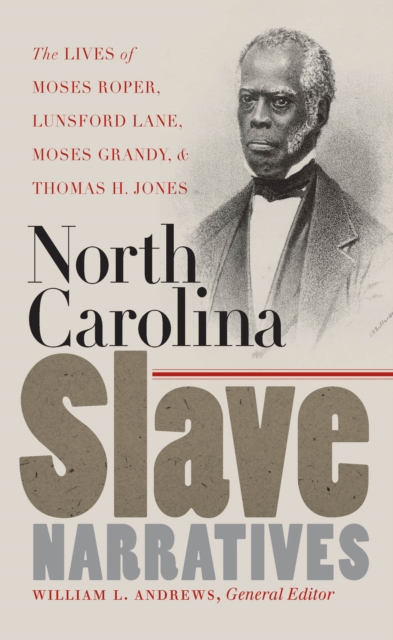
The autobiographies of former slaves contributed powerfully to the abolitionist movement in the United States, fanning national even international indignation against the evils of slavery.
This is a factual account, written in the pace of fiction, of hundreds of dramatic losses, heroic rescues, and violent adventures at the stormy meeting place of northern and southern winds and waters the Graveyard of the Atlantic off the Outer Banks of North Carolina.
Just below the Tidewater area of Virginia, straddling the North Carolina–Virginia line, lies the Great Dismal Swamp, one of America’s most mysterious wilderness areas.
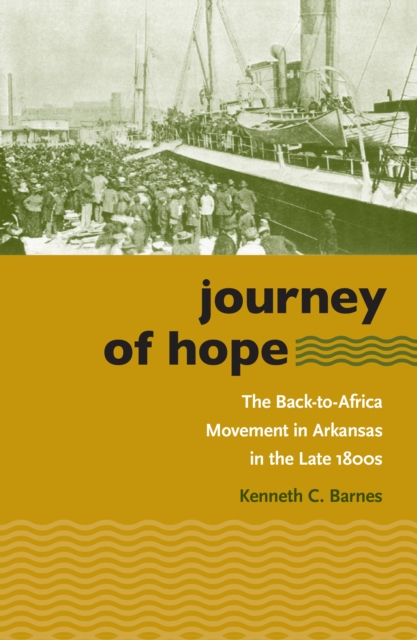
The nineteenth-century American Colonization Society (ACS) project of persuading all American free blacks to emigrate to the ACS colony of Liberia could never be accomplished.
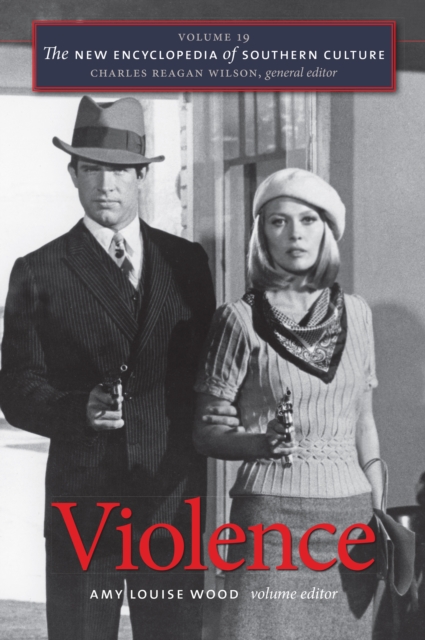
Much of the violence that has been associated with the United States has had particular salience for the South, from its high homicide rates, or its bloody history of racial conflict, to southerners' popular attachment to guns and traditional support for capital punishment.
Using the Tennessee antievolution 'Monkey Law,' authored by a local legislator, as a measure of how conservatives successfully resisted, co-opted, or ignored reform efforts, Jeanette Keith explores conflicts over the meaning and cost of progress in Tennessees hill country from 1890 to 1925.
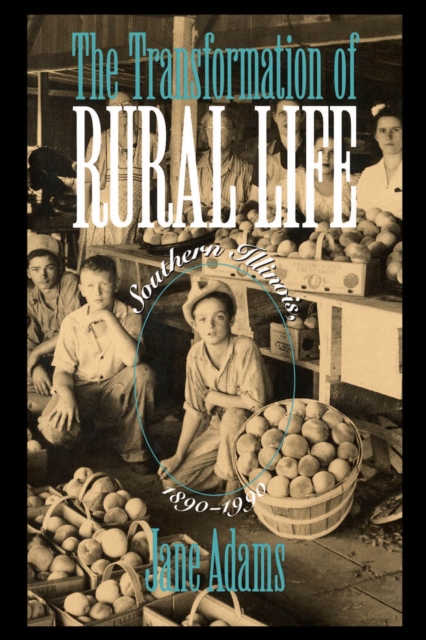
Jane Adams focuses on the transformation of rural life in Union County, Illinois, as she explores the ways in which American farming has been experienced and understood in the twentieth century.
One of the most divided regions of the Confederacy, East Tennessee was the site of fierce Unionist resistance to secession, Confederate rule, and the Southern war effort.
This volume contains a parade of exciting events written in a lively, readable style, with the purpose of pleasantly instructing the intermediate-grade student in North Carolina history.
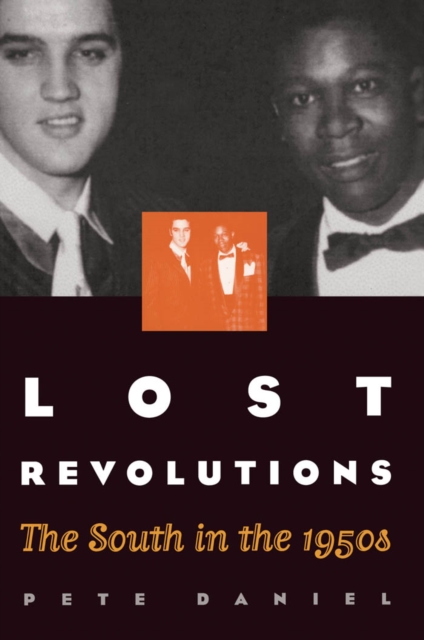
This sweeping work of cultural history explores a time of startling turbulence and change in the South, years that have often been dismissed as placid and dull.
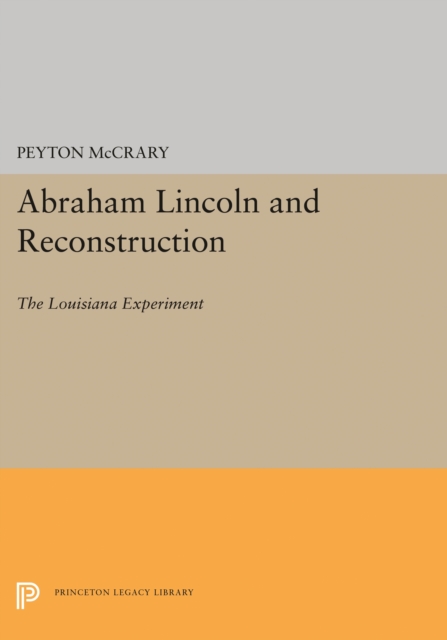
After victorious federal troops swept through southern Louisiana in 1862, the state became the testing ground for Abraham Lincoln's approach to reconstruction, and thus the focal point for the debate over post-war policy in Washington.
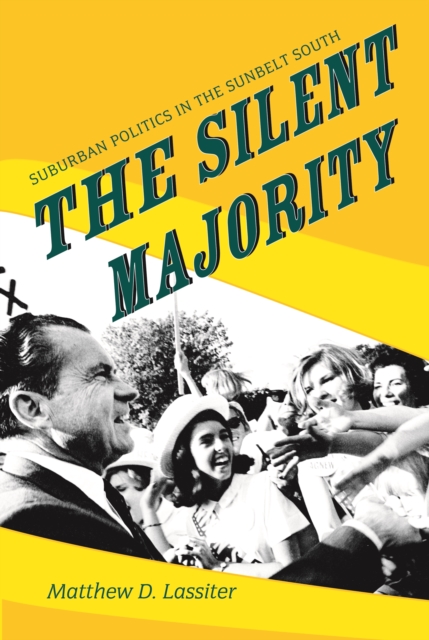
Suburban sprawl transformed the political culture of the American South as much as the civil rights movement did during the second half of the twentieth century.
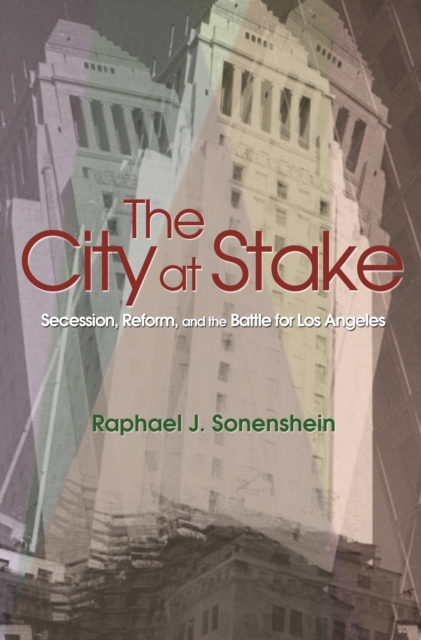
The City at Stake tells the dramatic story of how the nation's second-largest city completed a major reform of its government in the face of a deeply threatening movement for secession by the San Fernando Valley.
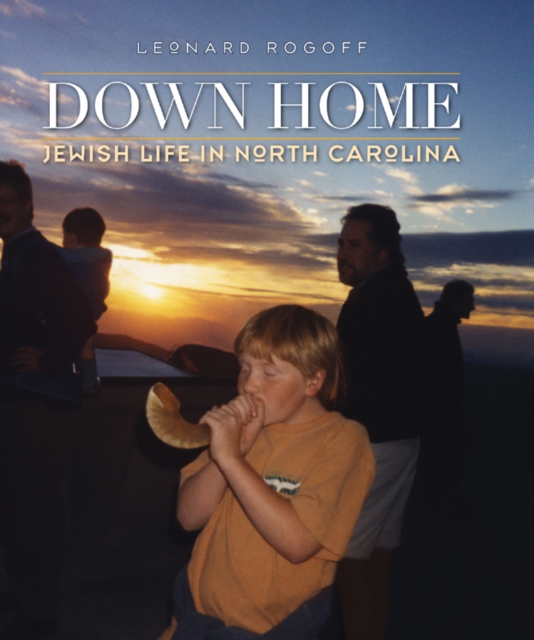
A sweeping chronicle of Jewish life in the Tar Heel State from colonial times to the present, this beautifully illustrated volume incorporates oral histories, original historical documents, and profiles of fascinating individuals.
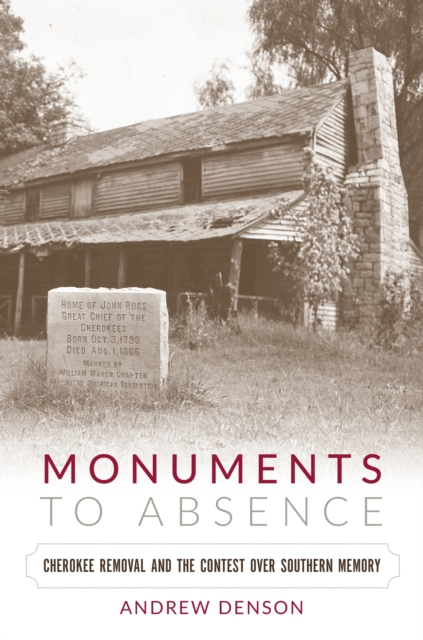
The 1830s forced removal of Cherokees from their southeastern homeland became the most famous event in the Indian history of the American South, an episode taken to exemplify a broader experience of injustice suffered by Native peoples.
Focusing on five Los Angeles environmental policy debates between 1920 and 1950, Sarah Elkind investigates how practices in American municipal government gave business groups political legitimacy at the local level as well as unanticipated influence over federal politics.
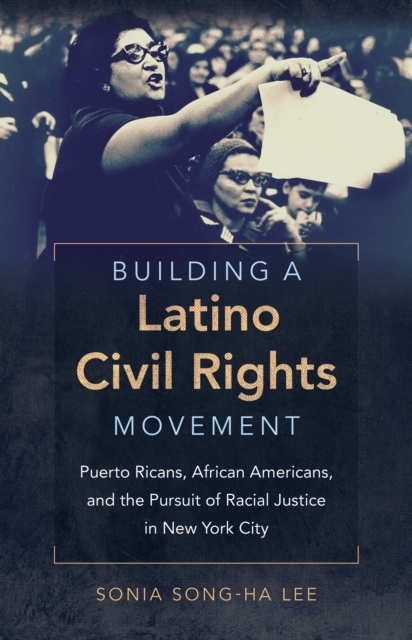
In the first book-length history of Puerto Rican civil rights in New York City, Sonia Lee traces the rise and fall of an uneasy coalition between Puerto Rican and African American activists from the 1950s through the 1970s.
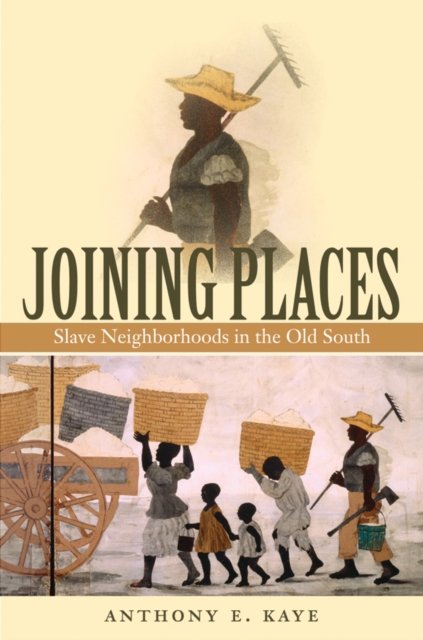
In this new interpretation of antebellum slavery, Anthony Kaye offers a vivid portrait of slaves transforming adjoining plantations into slave neighborhoods.
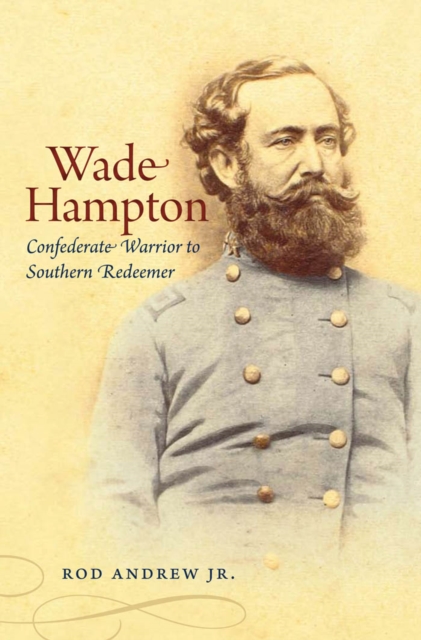
One of the Souths most illustrious military leaders, Wade Hampton III was for a time the commander of all Lees cavalry and at the end of the war was the highest-ranking Confederate cavalry officer.
Luther Adams demonstrates that in the wake of World War II, when roughly half the black population left the South seeking greater opportunity and freedom in the North and West, the same desire often anchored African Americans to the South.