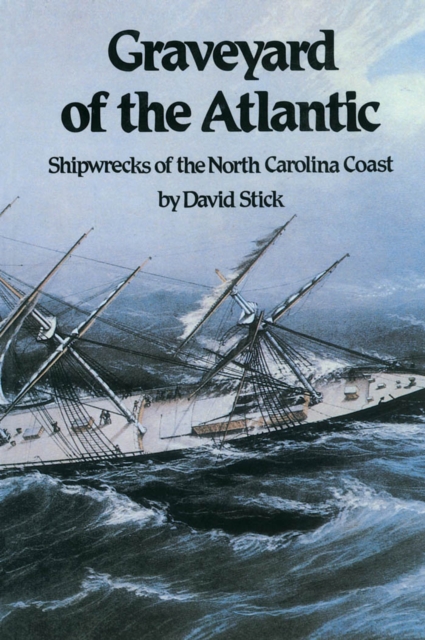
This is a factual account, written in the pace of fiction, of hundreds of dramatic losses, heroic rescues, and violent adventures at the stormy meeting place of northern and southern winds and waters the Graveyard of the Atlantic off the Outer Banks of North Carolina.
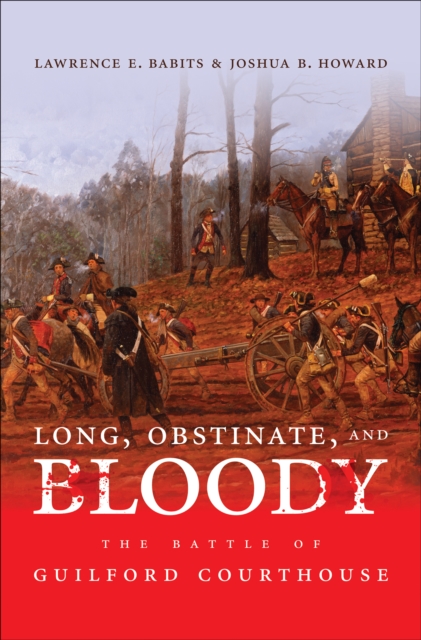
On March 15, 1781, the armies of Nathanael Greene and Lord Charles Cornwallis fought one of the bloodiest and most intense engagements of the American Revolution at Guilford Courthouse in piedmont North Carolina.
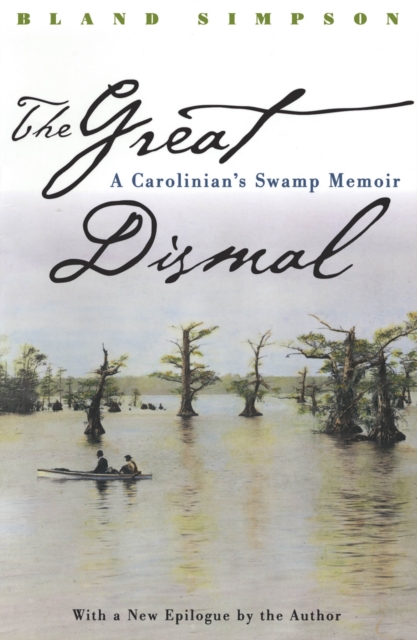
Just below the Tidewater area of Virginia, straddling the North Carolina–Virginia line, lies the Great Dismal Swamp, one of America’s most mysterious wilderness areas.
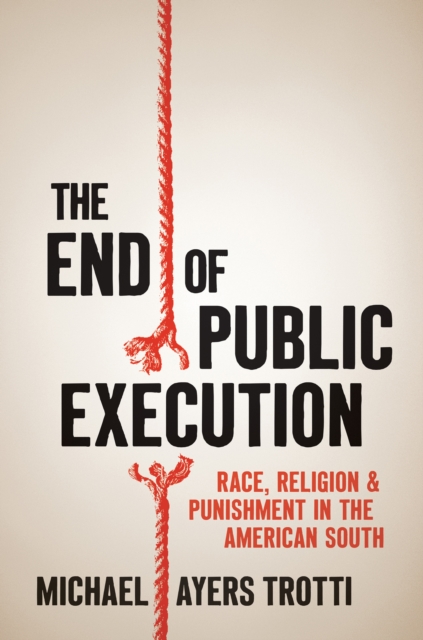
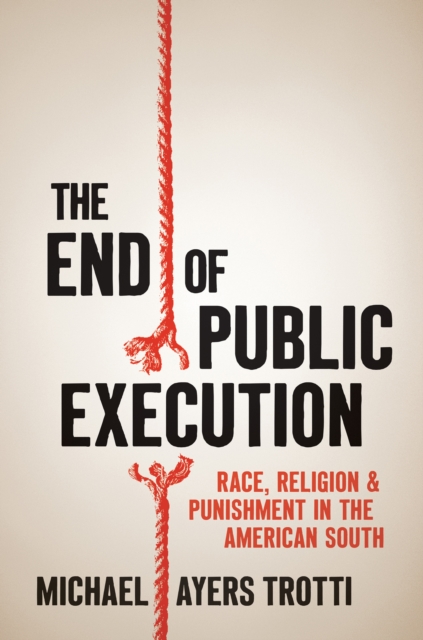
Before 1850, all legal executions in the South were performed before crowds that could number in the thousands; the last legal public execution was in 1936.
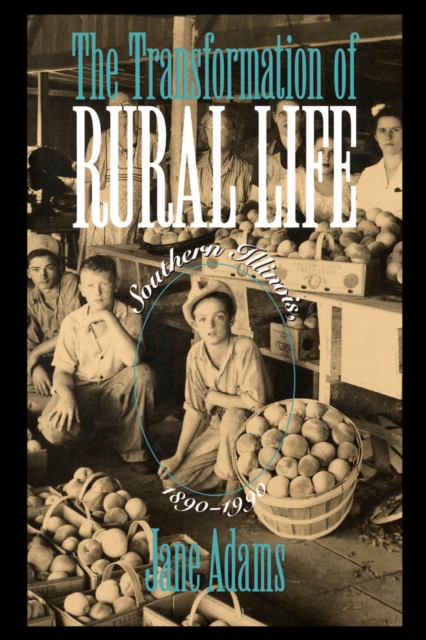
Jane Adams focuses on the transformation of rural life in Union County, Illinois, as she explores the ways in which American farming has been experienced and understood in the twentieth century.
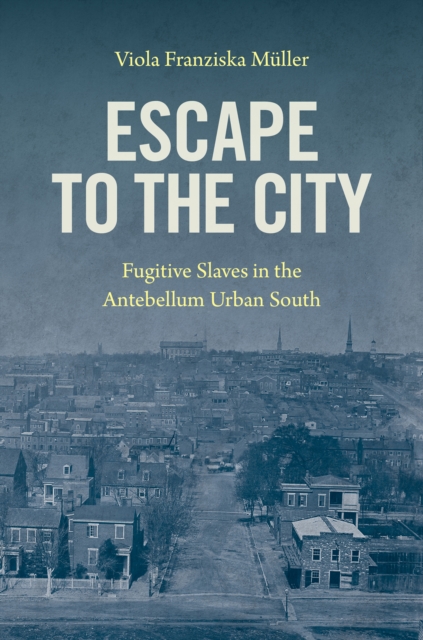
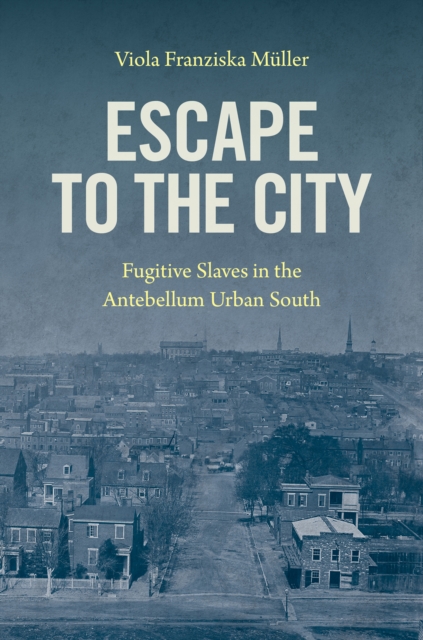
Viola Franziska Mller examines runaways who camouflaged themselves among the free Black populations in Baltimore, Charleston, New Orleans, and Richmond.
A fascinating journey through the Lone Star States unruly pastwith maps, photos, and moreTexas rightfully claims a celebrated place in the wildest West of both myth and realitywhich makes it truly stranger than fiction that The Crime Buffs Guide to Outlaw Texas is the first-ever travel guide to the many sites related to the Lone Star States renowned rambunctious past, complete with GPS coordinates that put you at the scene of the action.
The Little History of Coventry packs into its pages the colour and incident of a thousand years, telling the story of a city that has perhaps been overlooked by mainstream historians but which has often been at the heart of this country's great events.
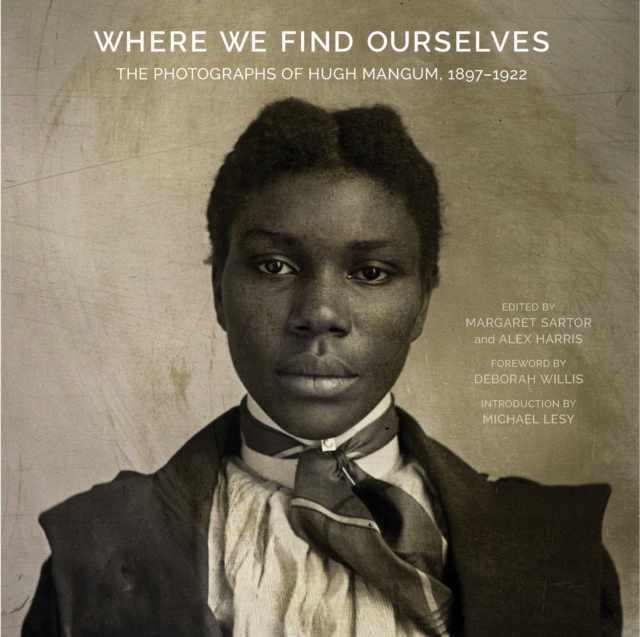
Self-taught photographer Hugh Mangum was born in 1877 in Durham, North Carolina, as its burgeoning tobacco economy put the frontier-like boomtown on the map.
For half a century, David Stick has been writing books about the fragile chain of barrier islands off the North Carolina coast known as the Outer Banks.
Before 1850, all legal executions in the South were performed before crowds that could number in the thousands; the last legal public execution was in 1936.
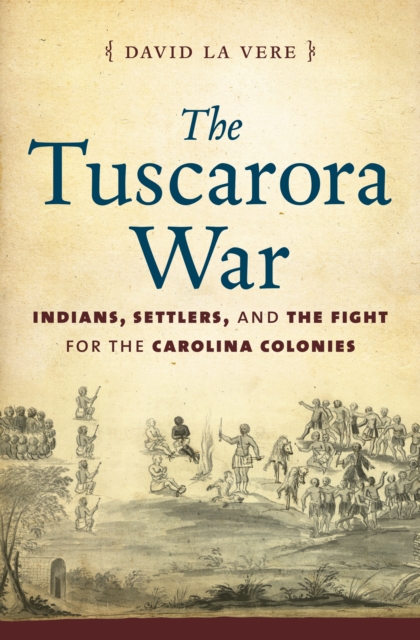
At dawn on September 22, 1711, more than 500 Tuscarora, Core, Neuse, Pamlico, Weetock, Machapunga, and Bear River Indian warriors swept down on the unsuspecting European settlers living along the Neuse and Pamlico Rivers of North Carolina.
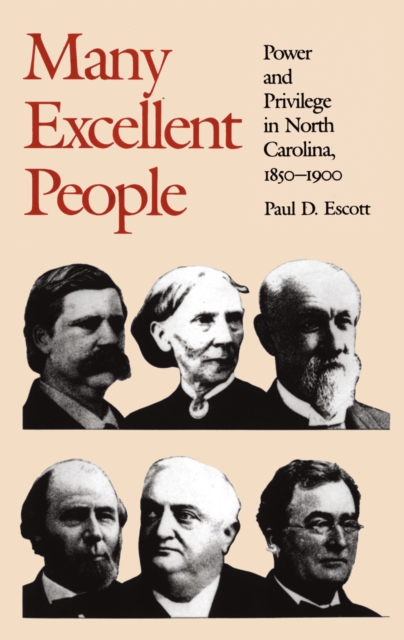
Many Excellent People examines the nature of North Carolinas social system, particularly race and class relations, power, and inequality, during the last half of the nineteenth century.
In the Fall 2012 issue of Southern CulturesGuest Editor Ferrel Guillorys special election-year Politics issue features:Five Big Things You Need to Know About the South for this ElectionThe Past, Present, and Future of Southern PoliticsJack Bass on Citizens United, Strom Thurmond, the Southern Strategy, and Jackie OControl of Public Schools and the Politics of DesegregationThe South in the Shadow of NazismDocumenting the Political Immigrant Debate TodayBill Clinton on .
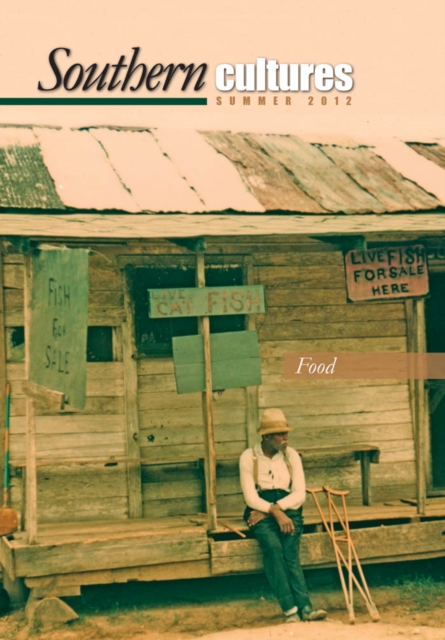
In the Spring 2012 issue of Southern CulturesGuest editor Marcie Cohen Ferris brings together some of the best new writing on Southern food for the Summer 2012 issue of Southern Cultures , which features an interview with TREME writer Lolis Elie and Ferriss own retrospective on Southern sociology, the WPA, and Food in the New South.
Viola Franziska Mller examines runaways who camouflaged themselves among the free Black populations in Baltimore, Charleston, New Orleans, and Richmond.
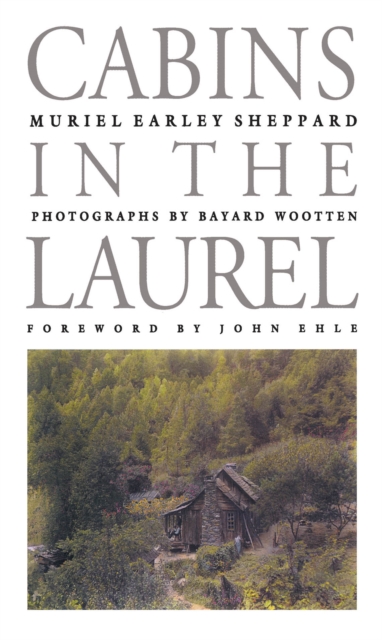
In 1928 New York native Muriel Earley Sheppard moved with her mining engineer husband to the Toe River Valleyan isolated pocket in North Carolina between the Blue Ridge and Iron Mountains.
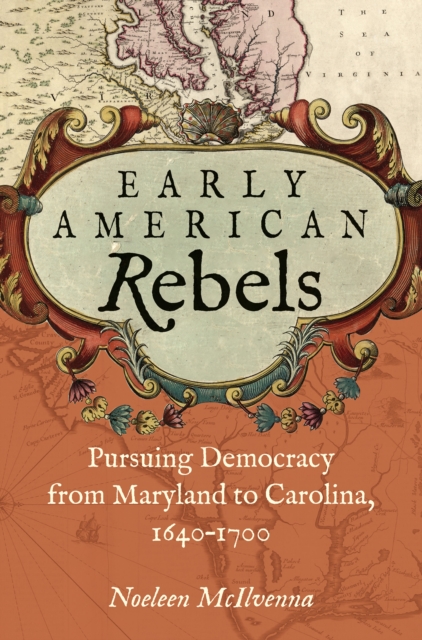
During the half century after 1650 that saw the gradual imposition of a slave society in Englands North American colonies, poor white settlers in the Chesapeake sought a republic of equals.
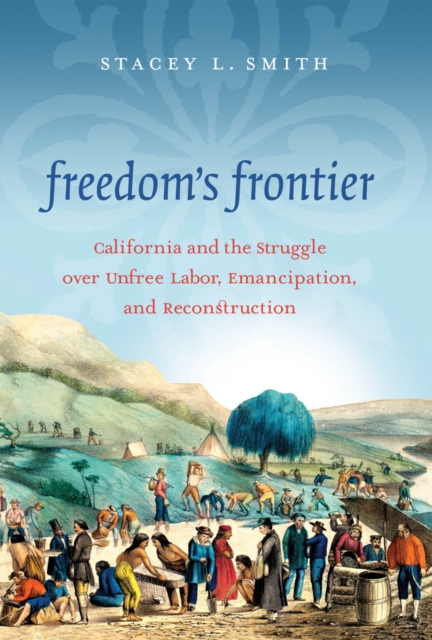
Most histories of the Civil War era portray the struggle over slavery as a conflict that exclusively pitted North against South, free labor against slave labor, and black against white.
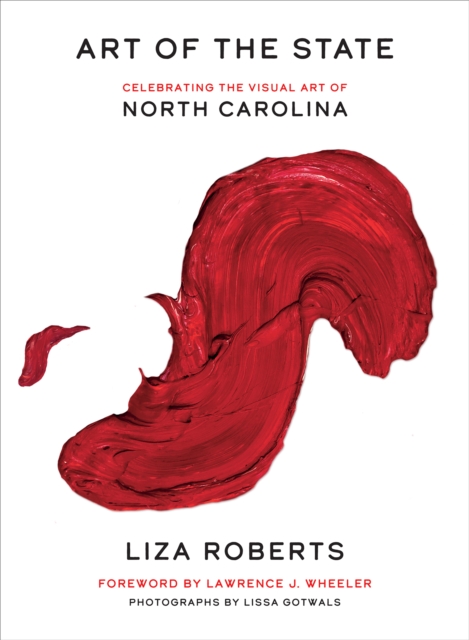
This beautiful and informative volume illustrates the vitality and importance of North Carolina's contemporary art scene, showcasing the creation, collection, and celebration of art in all its richness and diversity.
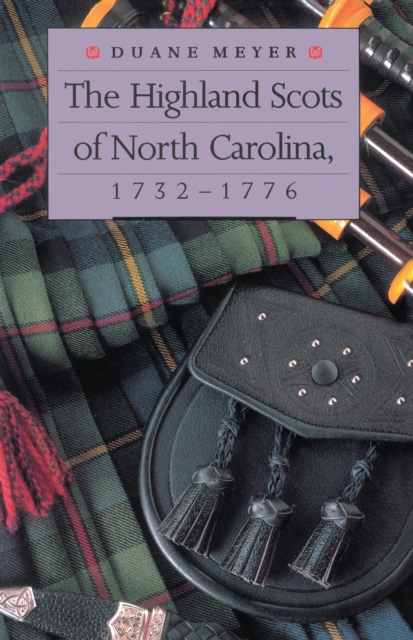
Using a variety of original sourcesofficial papers, travel documents, diaries, and newspapersDuane Meyer presents an impressively complete reconstruction of the settlement of the Highlanders in North Carolina.
For years, North Carolina has been one of the nations fastest-growing states, bringing tremendous change to the states people, industries, jobs, places, environment, and government.
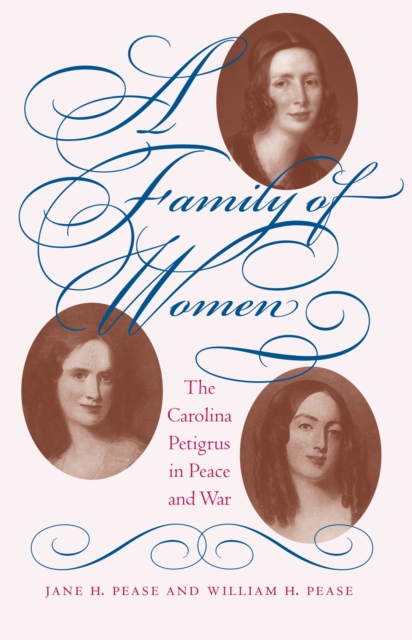
The often-stereotyped belles and matrons of the nineteenth-century South emerge as diverse personalities in this compelling account of three generations of women from a South Carolina family whose fate rose and fell with the fortunes of the state.