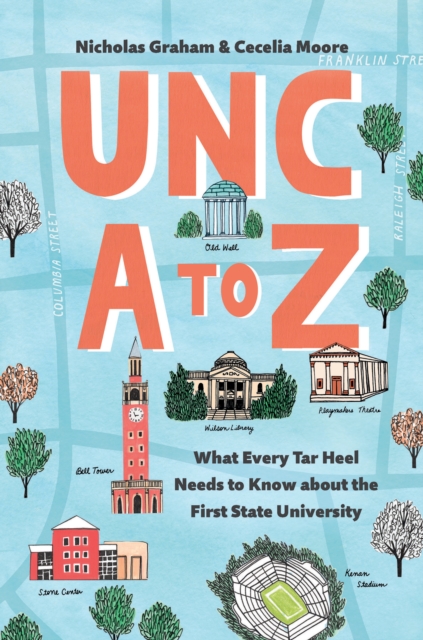
Covering everything from the Old Well to the Speaker Ban and more,UNC A to Zis a concise, easy-to-read introduction to the nations first public university, the University of North Carolina at Chapel Hill.
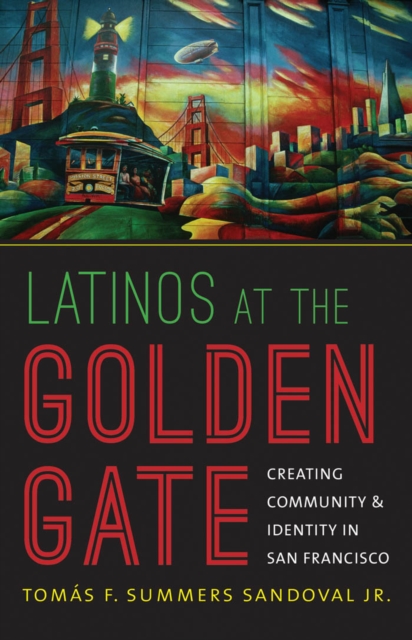
Born in an explosive boom and built through distinct economic networks, San Francisco has a cosmopolitan character that often masks the challenges migrants faced to create community in the city by the bay.
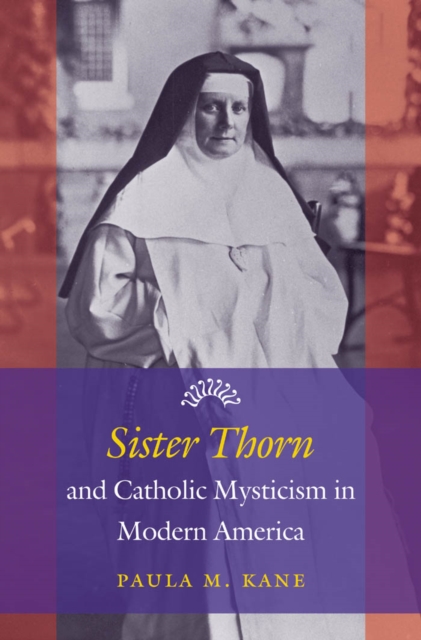
One day in 1917, while cooking dinner at home in Manhattan, Margaret Reilly (18841937) felt a sharp pain over her heart and claimed to see a crucifix emerging in blood on her skin.
Standing along the coast of todays Outer Banks, it can be hard to envision the barrier island world at Kitty Hawk as it appeared to Wilbur and Orville Wright when they first arrived in 1900 to begin their famous experiments leading to the worlds first powered flight three years later.
Connecting communities from Corolla in the north to Ocracoke Island in the south, scenic North Carolina Highway 12 binds together the fragile barrier islands that make up the Outer Banks.
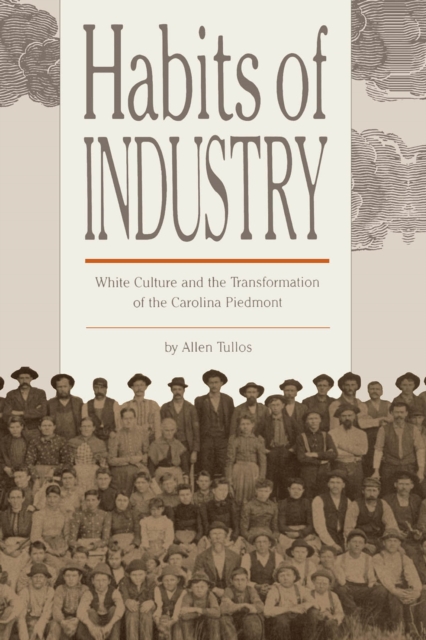
Habits of Industry provides a richly descriptive social, historical, and cultural account of the Carolina Piedmont the area between the Blue Ridge Mountains and the Coastal Plain over the course of 150 years.
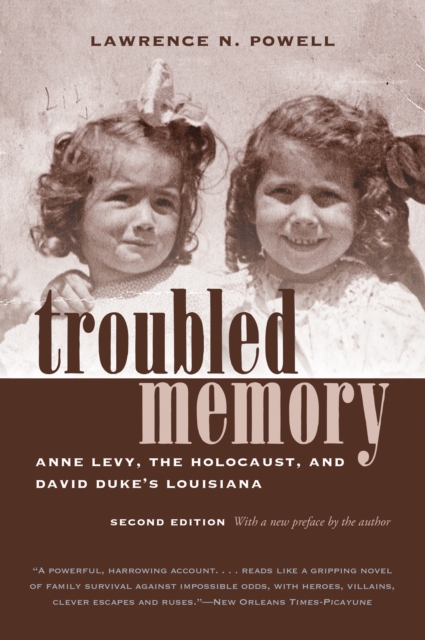
This powerful book tells the story of Anne Skorecki Levy, a Holocaust survivor who transformed the horrors of her childhood into a passionate mission to defeat the political menace of reputed neo-Nazi and Ku Klux Klan leader David Duke.
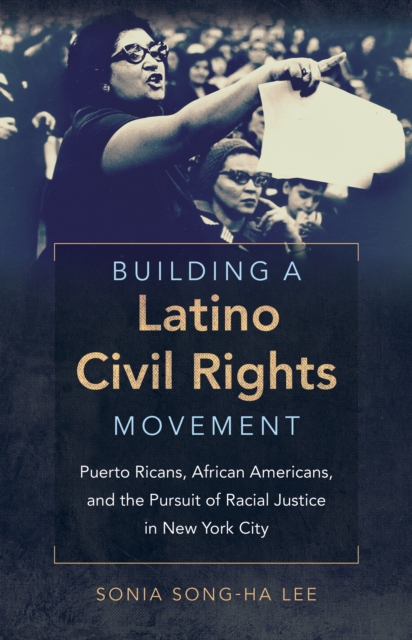
In the first book-length history of Puerto Rican civil rights in New York City, Sonia Lee traces the rise and fall of an uneasy coalition between Puerto Rican and African American activists from the 1950s through the 1970s.
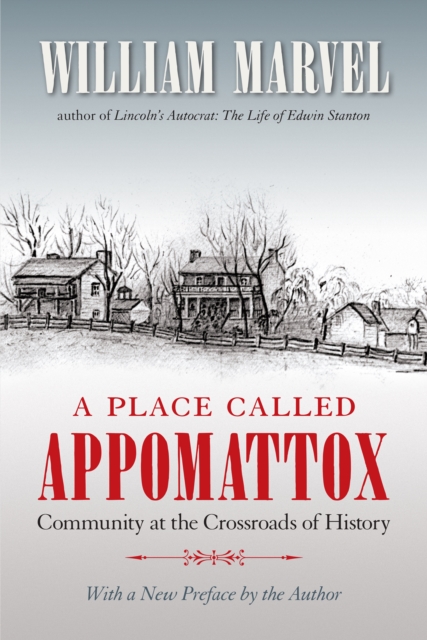
Although Appomattox Court House is one of the most symbolically charged places in America, it was an ordinary tobacco-growing village both before and after an accident of fate brought the armies of Lee and Grant together there.
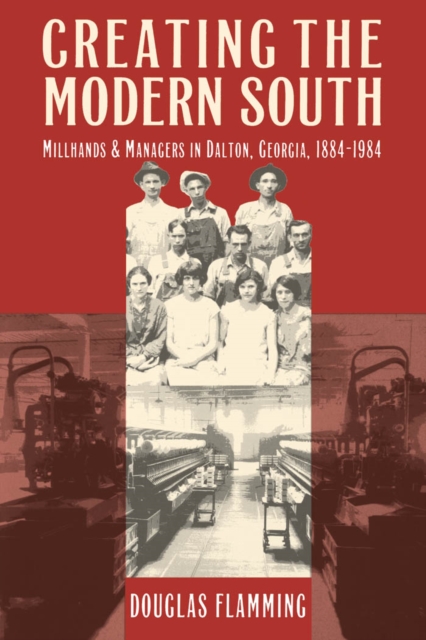
Built by local entrepreneurs during Dixies Cotton Mill in Dalton, Georgia, acted as a magnet for thousands of newly impoverished white farm families who moved to the factory and its company-owned village from the surrounding countryside.
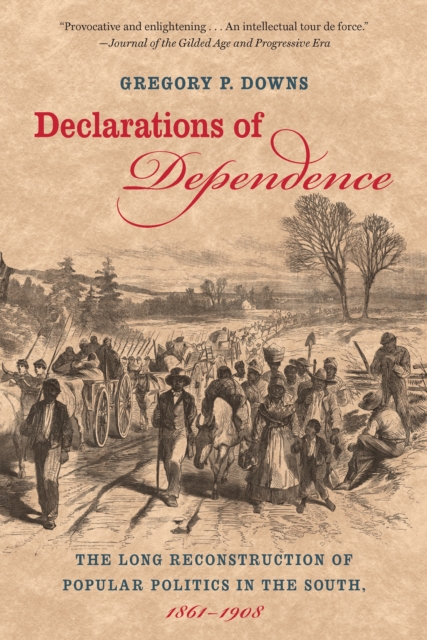
In this highly original study, Gregory Downs argues that the most American of wars, the Civil War, created a seemingly un-American popular politics, rooted not in independence but in voluntary claims of dependence.
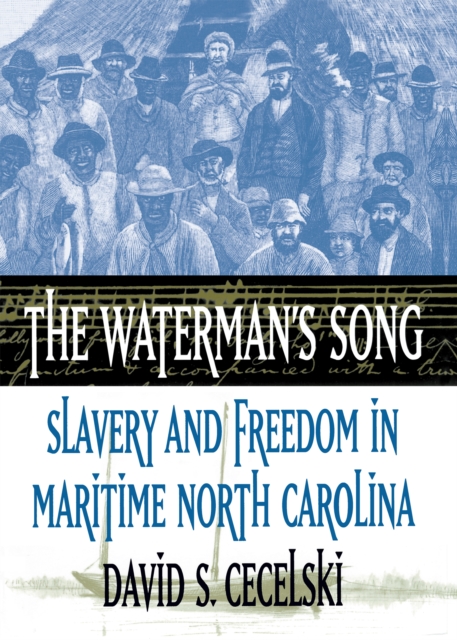
The first major study of slavery in the maritime South, The Watermans Song chronicles the world of slave and free black fishermen, pilots, rivermen, sailors, ferrymen, and other laborers who, from the colonial era through Reconstruction, plied the vast inland waters of North Carolina from the Outer Banks to the upper reaches of tidewater rivers.
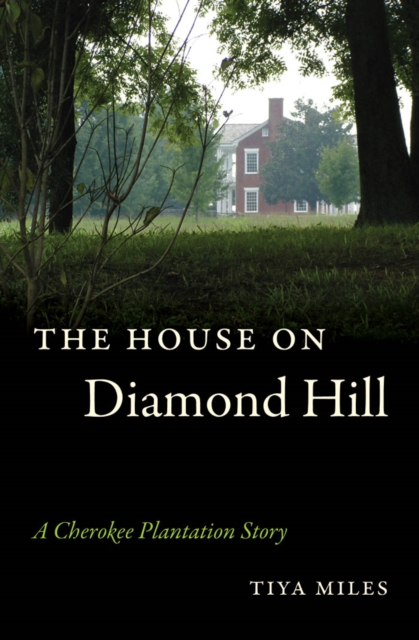
At the turn of the nineteenth century, James Vann, a Cherokee chief and entrepreneur, established Diamond Hill in Georgia, the most famous plantation in the southeastern Cherokee Nation.
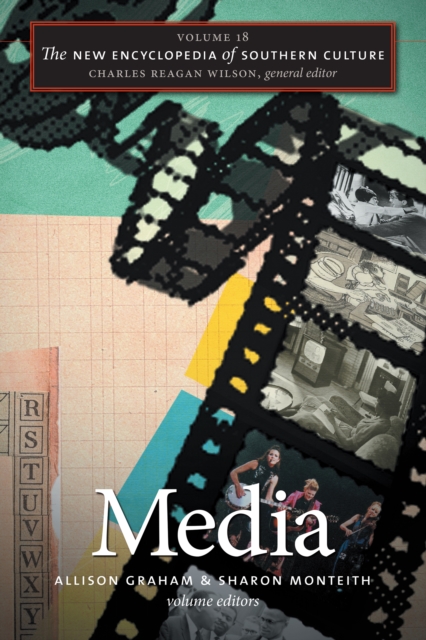
This volume of The New Encyclopedia of Southern Culture examines how mass media have shaped popular perceptions of the South and how the South has shaped the history of mass media.
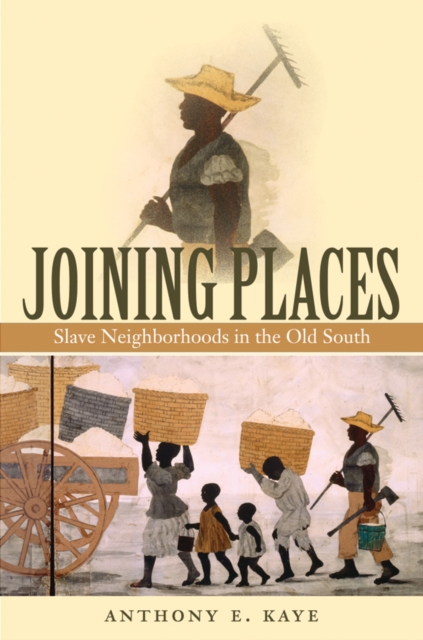
In this new interpretation of antebellum slavery, Anthony Kaye offers a vivid portrait of slaves transforming adjoining plantations into slave neighborhoods.
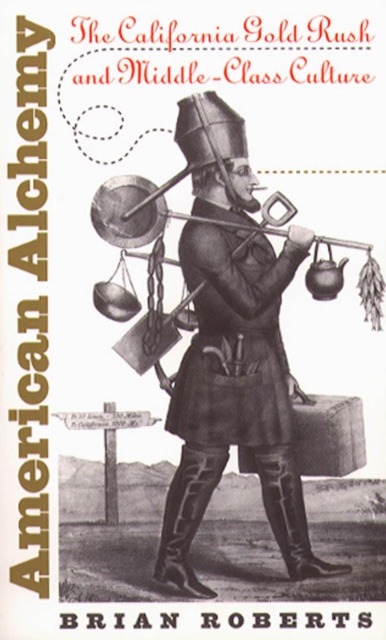
California during the gold rush was a place of disputed claims, shoot-outs, gambling halls, and prostitution; a place populated by that rough and rebellious figure, the forty-niner; in short, a place that seems utterly unconnected to middle-class culture.
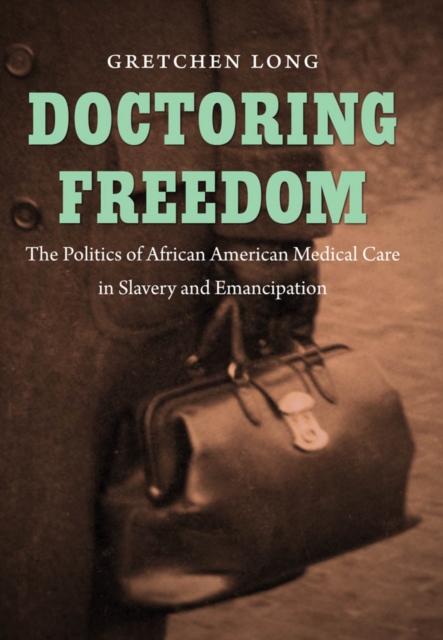
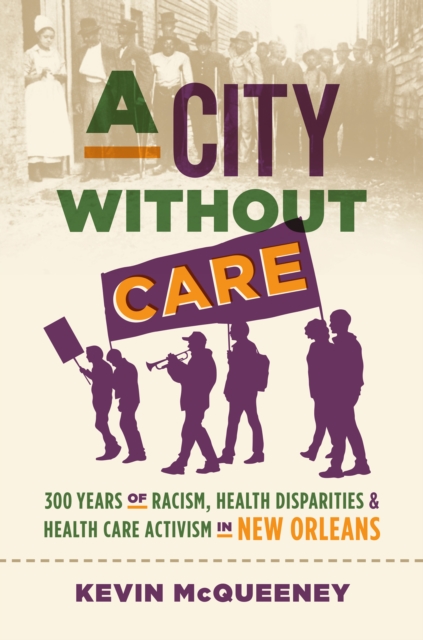
For enslaved and newly freed African Americans, attaining freedom and citizenship without health for themselves and their families would have been an empty victory.
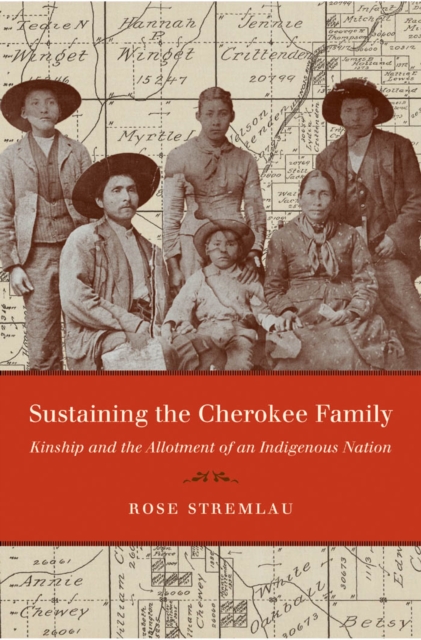
During the late nineteenth and early twentieth centuries, the federal government sought to forcibly assimilate Native Americans into American society through systematized land allotment.
Since the inception of the Atlantic Coast Conference, intense rivalries, legendary coaches, gifted players, and fervent fans have come to define the leagues basketball history.
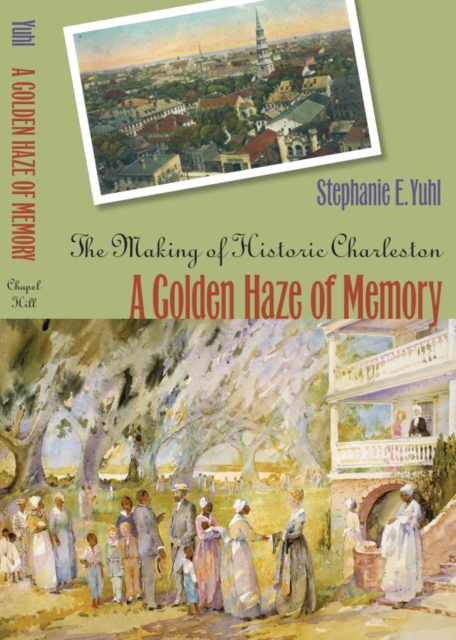
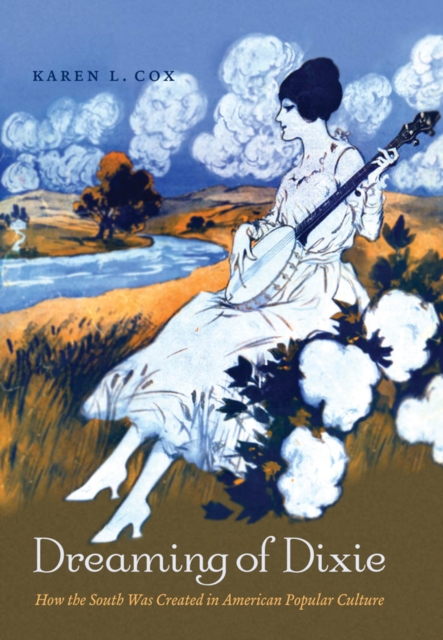
From the late nineteenth century through World War II, popular culture portrayed the American South as a region ensconced in its antebellum past, draped in moonlight and magnolias, and represented by such southern icons as the mammy, the belle, the chivalrous planter, white-columned mansions, and even bolls of cotton.
More than a million tourists visit religious landmarks in San Antonio, Texas, each year, observing and sometimes participating in religious activities there.
In the first half of the twentieth century, white elites who dominated Virginia politics sought to increase state control over African Americans and lower-class whites, whom they saw as oversexed and lacking sexual self-restraint.
Michael Kay and Lorin Cary illuminate new aspects of slavery in colonial America by focusing on North Carolina, which has largely been ignored by scholars in favor of the more mature slave systems in the Chesapeake and South Carolina.
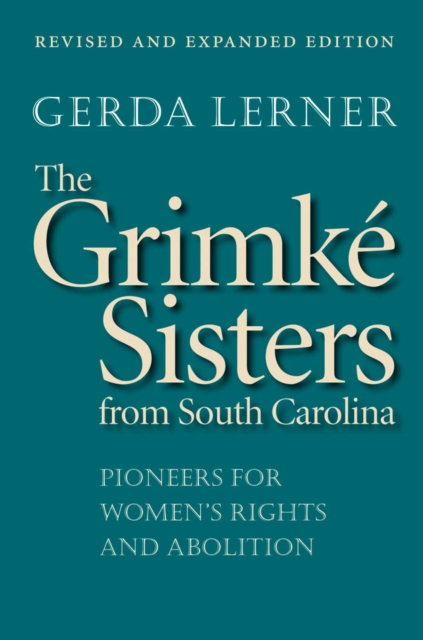
A landmark work of womens history originally published in 1967, Gerda Lerners best-selling biography of Sarah and Angelina Grimk explores the lives and ideas of the only southern women to become antislavery agents in the North and pioneers for womens rights.
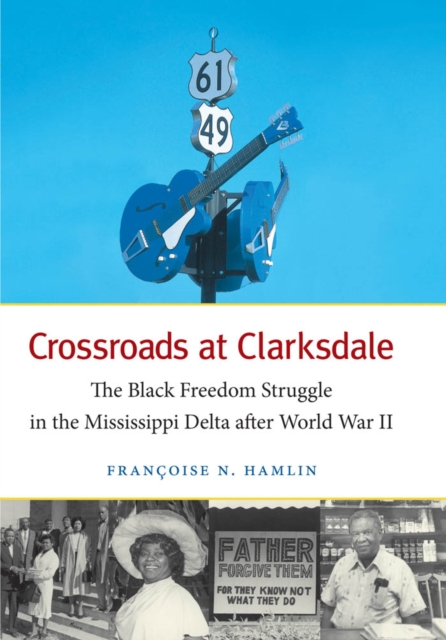
Weaving national narratives from stories of the daily lives and familiar places of local residents, Franoise Hamlin chronicles the slow struggle for black freedom through the history of Clarksdale, Mississippi.
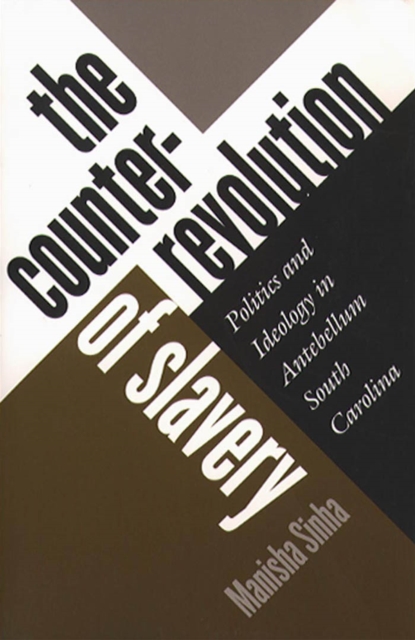
In this comprehensive analysis of politics and ideology in antebellum South Carolina, Manisha Sinha offers a provocative new look at the roots of southern separatism and the causes of the Civil War.
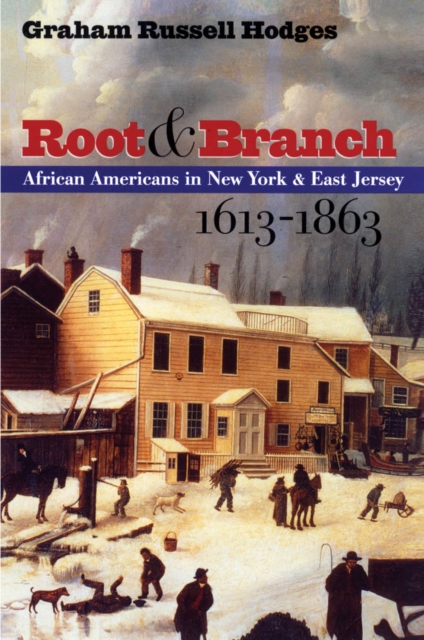
In this remarkable book, Graham Hodges presents a comprehensive history of African Americans in New York City and its rural environs from the arrival of the first African a sailor marooned on Manhattan Island in 1613 to the bloody Draft Riots of 1863.
Focusing on five Los Angeles environmental policy debates between 1920 and 1950, Sarah Elkind investigates how practices in American municipal government gave business groups political legitimacy at the local level as well as unanticipated influence over federal politics.
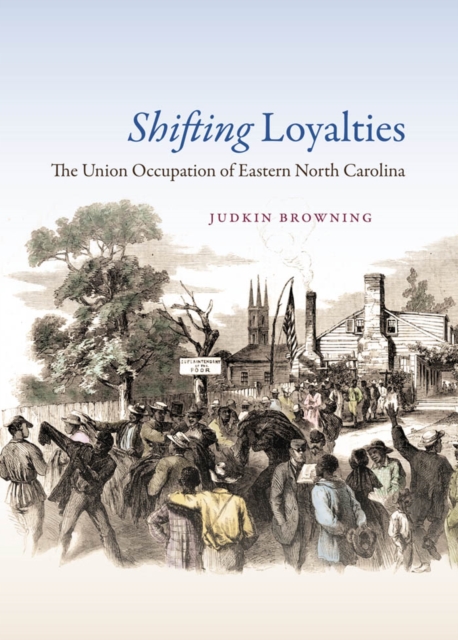
In the spring of 1862, Union forces marched into neighboring Carteret and Craven Counties in southeastern North Carolina, marking the beginning of an occupation that would continue for the rest of the war.
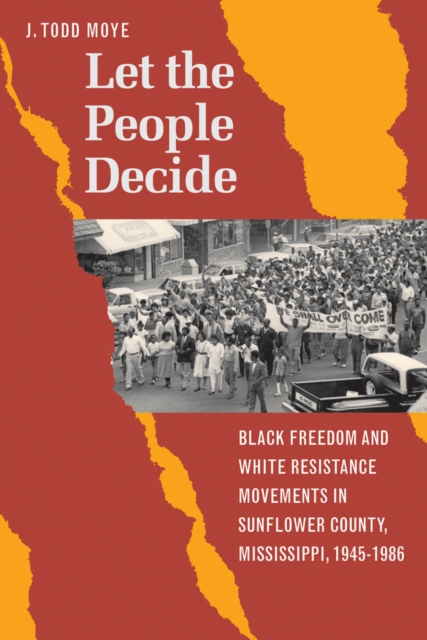
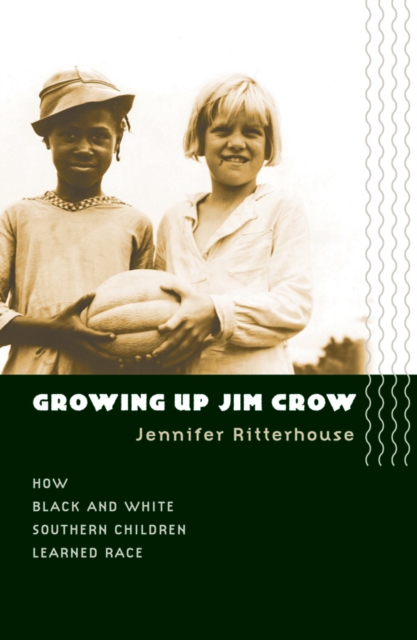
In the segregated South of the early twentieth century, unwritten rules guided every aspect of individual behavior, from how blacks and whites stood, sat, ate, drank, walked, and talked to whether they made eye contact with one another.