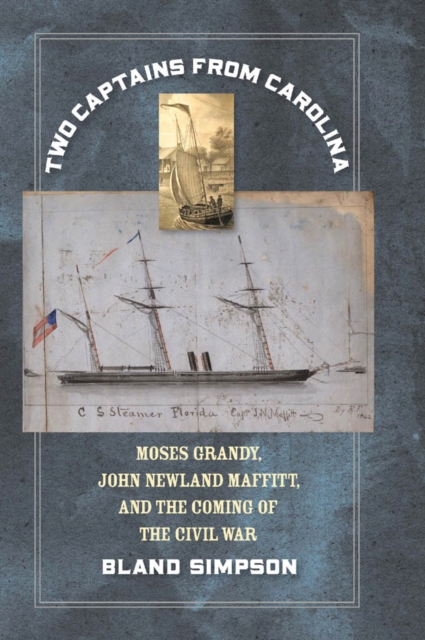
In Two Captains from Carolina, Bland Simpson twines together the lives of two accomplished nineteenth-century mariners from North Carolina one African American, one Irish American.
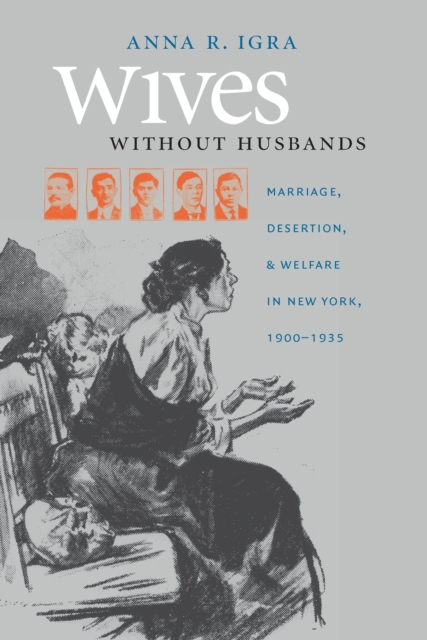
Shedding new light on contemporary campaigns to encourage marriage among welfare recipients and to prosecute deadbeat dads, Wives without Husbands traces the efforts of Progressive reformers to make runaway husbands support their families.
For more than thirty years, the architectural research department at Colonial Williamsburg has engaged in comprehensive study of early buildings, landscapes, and social history in the Chesapeake region.
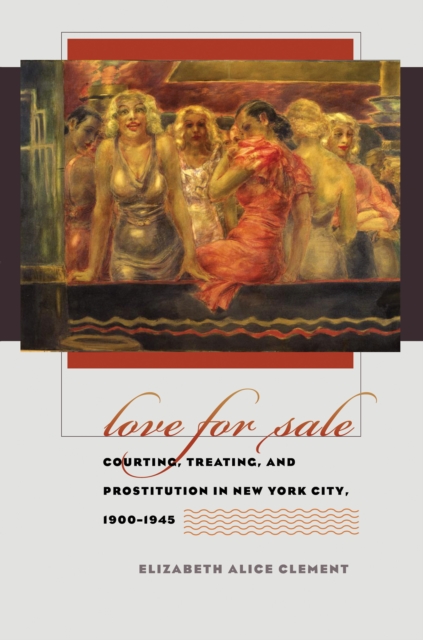
The intense urbanization and industrialization of Americas largest city from the turn of the twentieth century to World War II was accompanied by profound shifts in sexual morality, sexual practices, and gender roles.
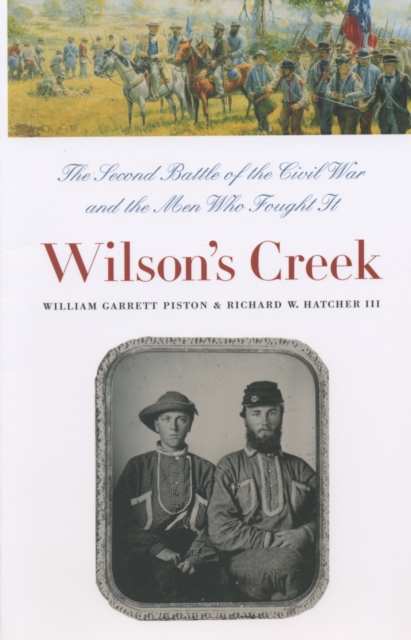
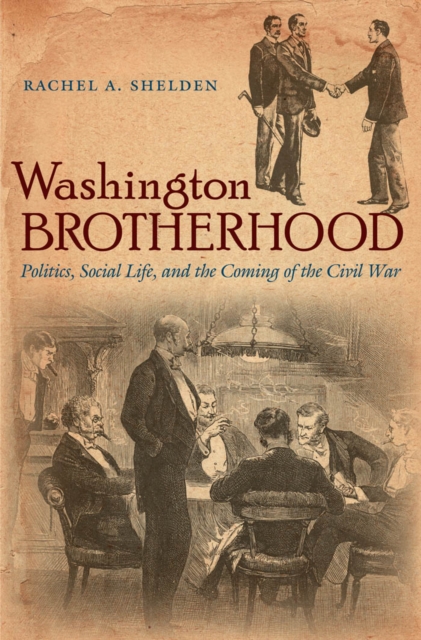
In the summer of 1861, Americans were preoccupied by the question of which states would join the secession movement and which would remain loyal to the Union.
Buddhism in the United States is often viewed in connection with practitioners in the Northeast and on the West Coast, but in fact, it has been spreading and evolving throughout the United States since the mid-nineteenth century.
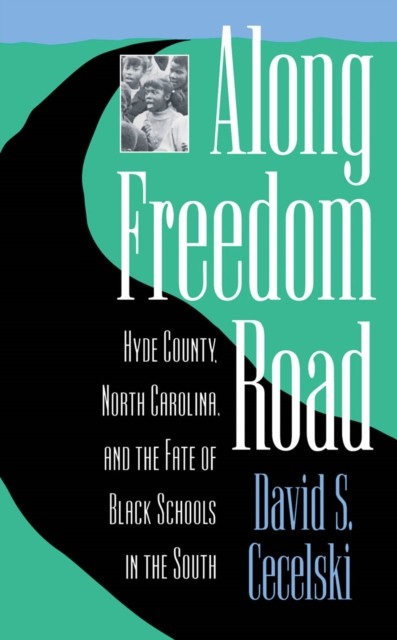
David Cecelski chronicles one of the most sustained and successful protests of the civil rights movement the 196869 school boycott in Hyde County, North Carolina.
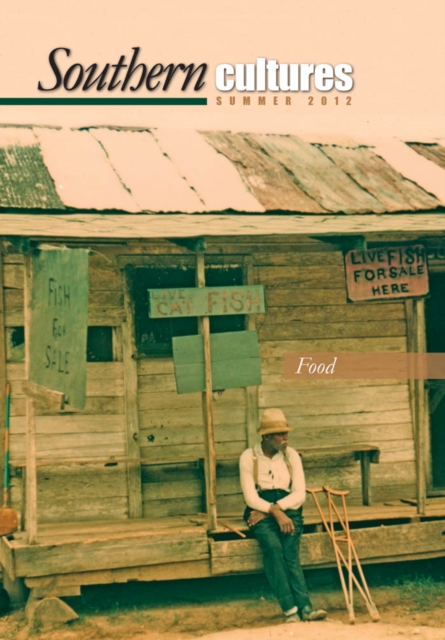
In the Spring 2012 issue of Southern CulturesGuest editor Marcie Cohen Ferris brings together some of the best new writing on Southern food for the Summer 2012 issue of Southern Cultures , which features an interview with TREME writer Lolis Elie and Ferriss own retrospective on Southern sociology, the WPA, and Food in the New South.
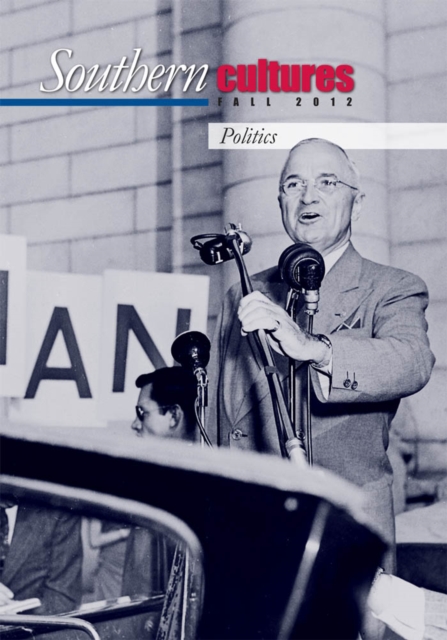
In the Fall 2012 issue of Southern CulturesGuest Editor Ferrel Guillorys special election-year Politics issue features:Five Big Things You Need to Know About the South for this ElectionThe Past, Present, and Future of Southern PoliticsJack Bass on Citizens United, Strom Thurmond, the Southern Strategy, and Jackie OControl of Public Schools and the Politics of DesegregationThe South in the Shadow of NazismDocumenting the Political Immigrant Debate TodayBill Clinton on .
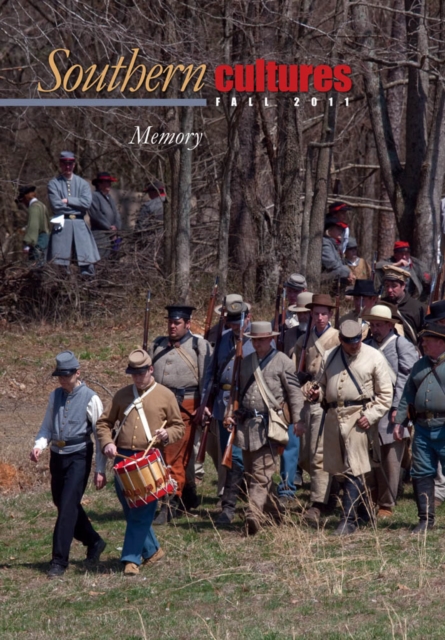
The Cruel Radiance of the Obvious, The 2011 Photography IssueTom Rankin, Guest EditorOur second Photography issue features full-color photographs by William Eggleston, William Christenberry, and much more.
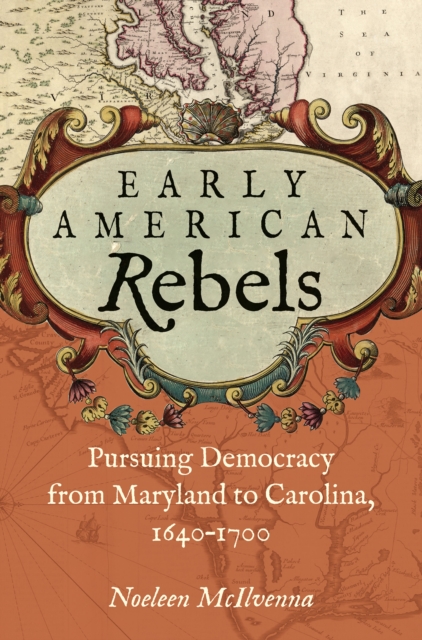
During the half century after 1650 that saw the gradual imposition of a slave society in Englands North American colonies, poor white settlers in the Chesapeake sought a republic of equals.
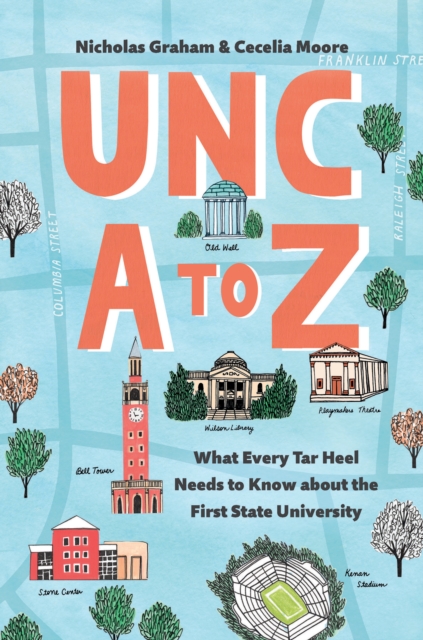
Covering everything from the Old Well to the Speaker Ban and more,UNC A to Zis a concise, easy-to-read introduction to the nations first public university, the University of North Carolina at Chapel Hill.
This beautiful and informative volume illustrates the vitality and importance of North Carolina's contemporary art scene, showcasing the creation, collection, and celebration of art in all its richness and diversity.
Viola Franziska Mller examines runaways who camouflaged themselves among the free Black populations in Baltimore, Charleston, New Orleans, and Richmond.
Before 1850, all legal executions in the South were performed before crowds that could number in the thousands; the last legal public execution was in 1936.
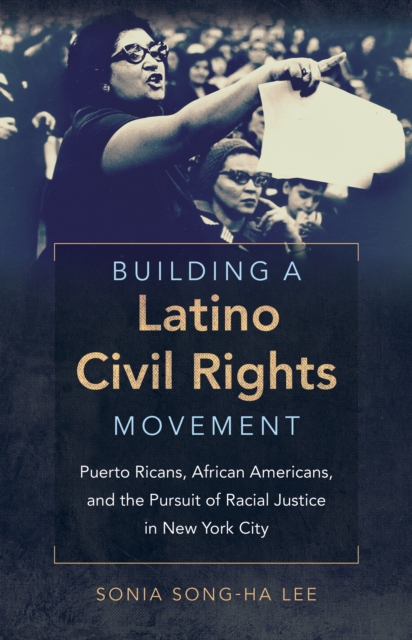
In the first book-length history of Puerto Rican civil rights in New York City, Sonia Lee traces the rise and fall of an uneasy coalition between Puerto Rican and African American activists from the 1950s through the 1970s.
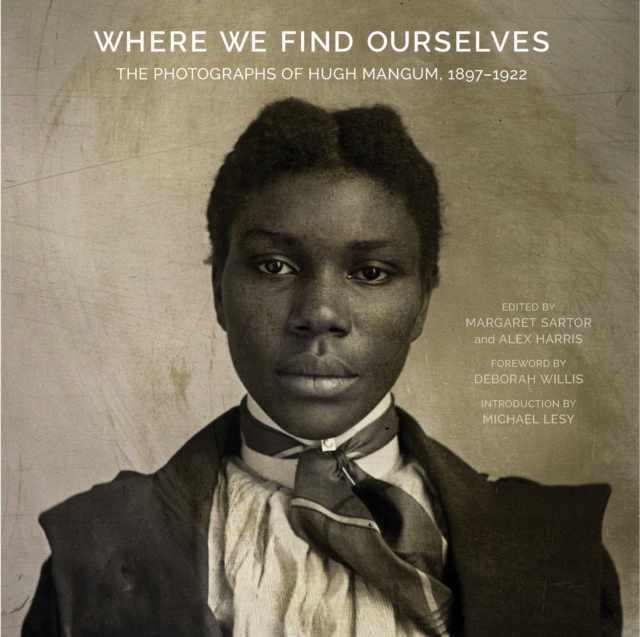
Self-taught photographer Hugh Mangum was born in 1877 in Durham, North Carolina, as its burgeoning tobacco economy put the frontier-like boomtown on the map.
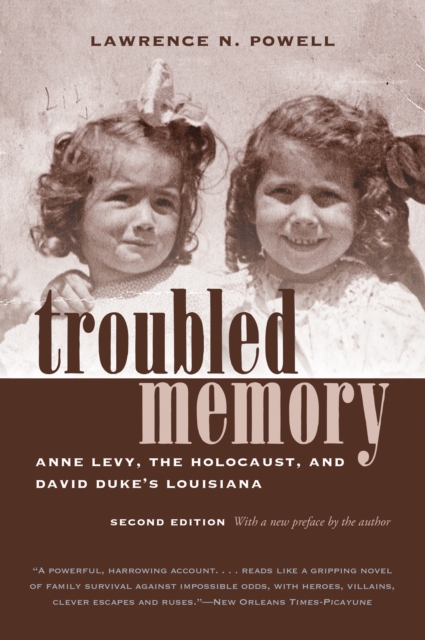
This powerful book tells the story of Anne Skorecki Levy, a Holocaust survivor who transformed the horrors of her childhood into a passionate mission to defeat the political menace of reputed neo-Nazi and Ku Klux Klan leader David Duke.
Standing along the coast of todays Outer Banks, it can be hard to envision the barrier island world at Kitty Hawk as it appeared to Wilbur and Orville Wright when they first arrived in 1900 to begin their famous experiments leading to the worlds first powered flight three years later.
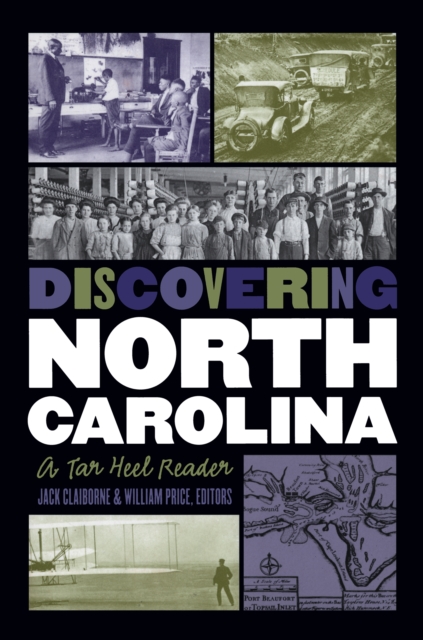
For years, North Carolina has been one of the nations fastest-growing states, bringing tremendous change to the states people, industries, jobs, places, environment, and government.
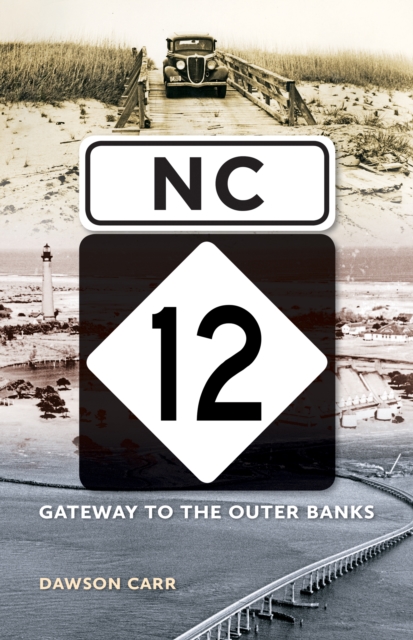
Connecting communities from Corolla in the north to Ocracoke Island in the south, scenic North Carolina Highway 12 binds together the fragile barrier islands that make up the Outer Banks.
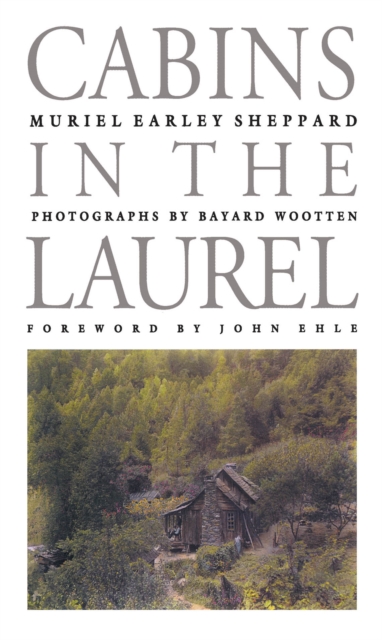
In 1928 New York native Muriel Earley Sheppard moved with her mining engineer husband to the Toe River Valleyan isolated pocket in North Carolina between the Blue Ridge and Iron Mountains.
Using a variety of original sourcesofficial papers, travel documents, diaries, and newspapersDuane Meyer presents an impressively complete reconstruction of the settlement of the Highlanders in North Carolina.
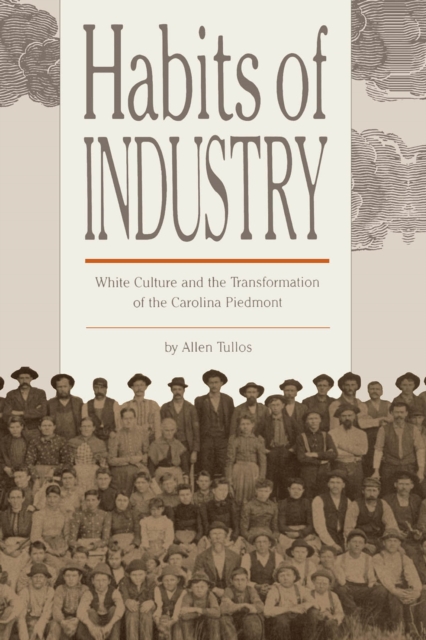
Habits of Industry provides a richly descriptive social, historical, and cultural account of the Carolina Piedmont the area between the Blue Ridge Mountains and the Coastal Plain over the course of 150 years.
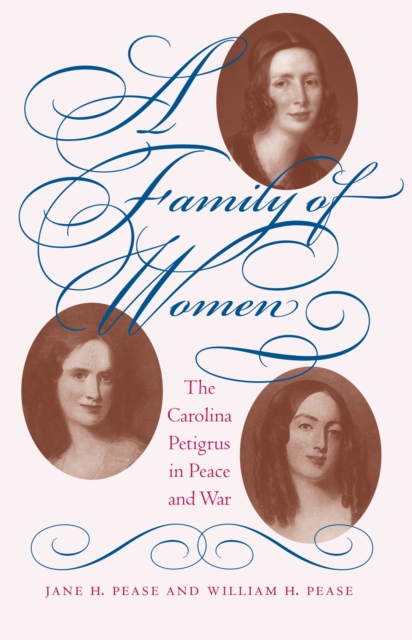
The often-stereotyped belles and matrons of the nineteenth-century South emerge as diverse personalities in this compelling account of three generations of women from a South Carolina family whose fate rose and fell with the fortunes of the state.
For half a century, David Stick has been writing books about the fragile chain of barrier islands off the North Carolina coast known as the Outer Banks.
Born in an explosive boom and built through distinct economic networks, San Francisco has a cosmopolitan character that often masks the challenges migrants faced to create community in the city by the bay.
Many Excellent People examines the nature of North Carolinas social system, particularly race and class relations, power, and inequality, during the last half of the nineteenth century.
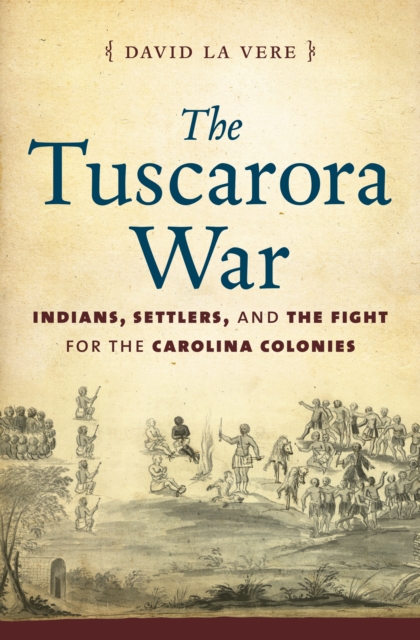
At dawn on September 22, 1711, more than 500 Tuscarora, Core, Neuse, Pamlico, Weetock, Machapunga, and Bear River Indian warriors swept down on the unsuspecting European settlers living along the Neuse and Pamlico Rivers of North Carolina.
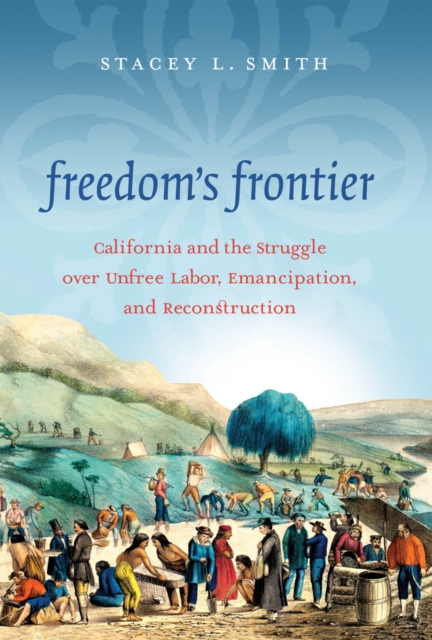
Most histories of the Civil War era portray the struggle over slavery as a conflict that exclusively pitted North against South, free labor against slave labor, and black against white.
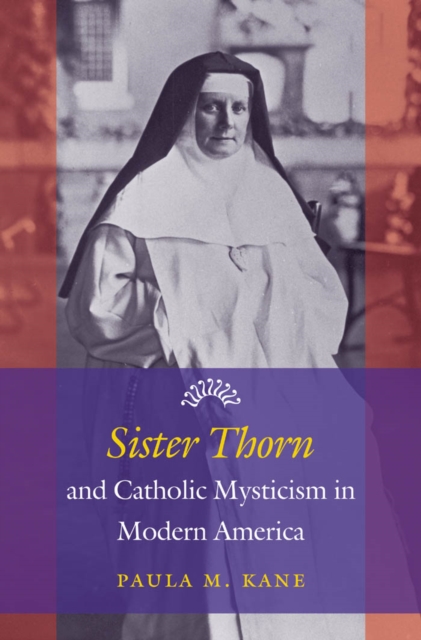
One day in 1917, while cooking dinner at home in Manhattan, Margaret Reilly (18841937) felt a sharp pain over her heart and claimed to see a crucifix emerging in blood on her skin.