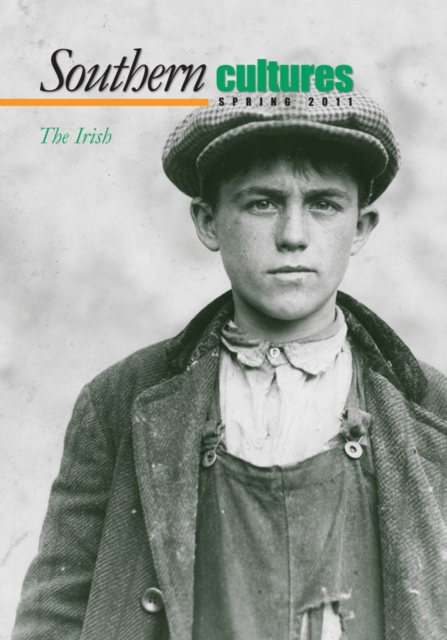
The Cruel Radiance of the Obvious, The 2011 Photography IssueTom Rankin, Guest EditorOur second Photography issue features full-color photographs by William Eggleston, William Christenberry, and much more.
A fascinating journey through the Lone Star States unruly pastwith maps, photos, and moreTexas rightfully claims a celebrated place in the wildest West of both myth and realitywhich makes it truly stranger than fiction that The Crime Buffs Guide to Outlaw Texas is the first-ever travel guide to the many sites related to the Lone Star States renowned rambunctious past, complete with GPS coordinates that put you at the scene of the action.
The notorious 1942 Sleepy Lagoon murder trial in Los Angeles concluded with the conviction of seventeen young Mexican American men for the alleged gang slaying of fellow youth Jose Diaz.
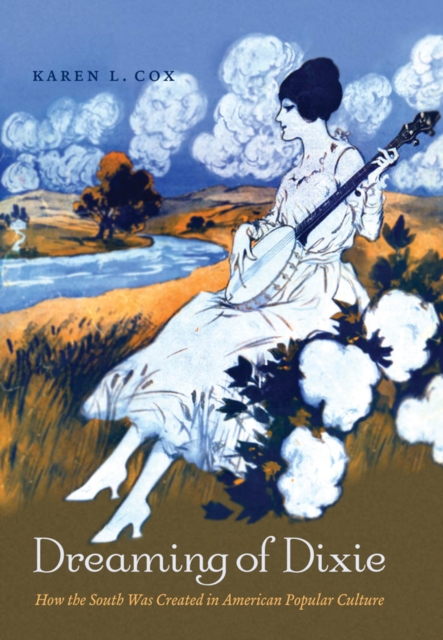
From the late nineteenth century through World War II, popular culture portrayed the American South as a region ensconced in its antebellum past, draped in moonlight and magnolias, and represented by such southern icons as the mammy, the belle, the chivalrous planter, white-columned mansions, and even bolls of cotton.
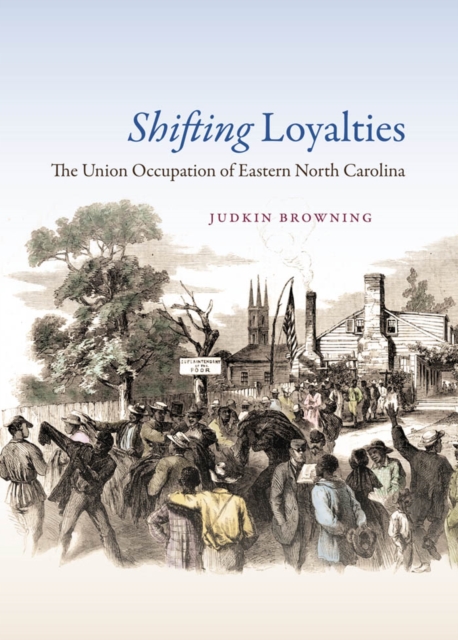
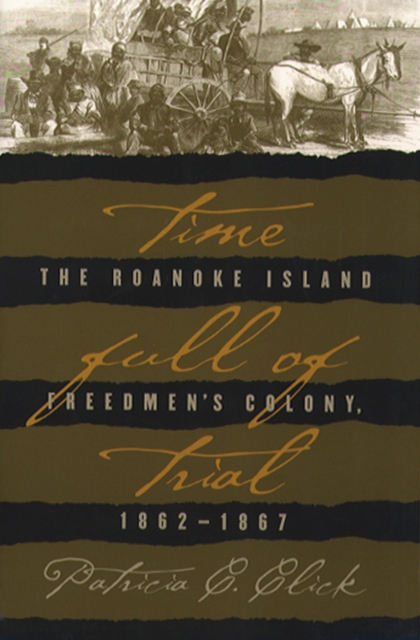
In the spring of 1862, Union forces marched into neighboring Carteret and Craven Counties in southeastern North Carolina, marking the beginning of an occupation that would continue for the rest of the war.
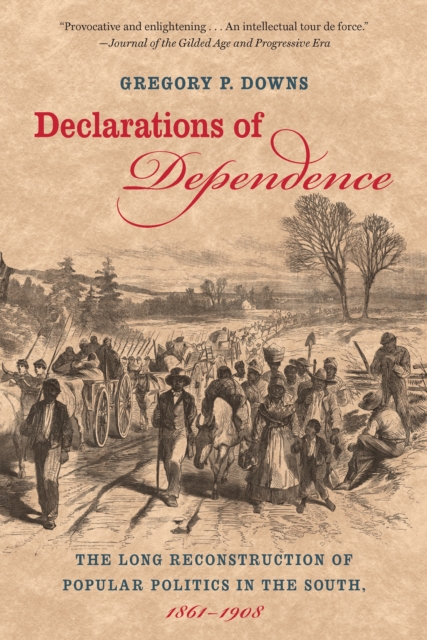
In this highly original study, Gregory Downs argues that the most American of wars, the Civil War, created a seemingly un-American popular politics, rooted not in independence but in voluntary claims of dependence.
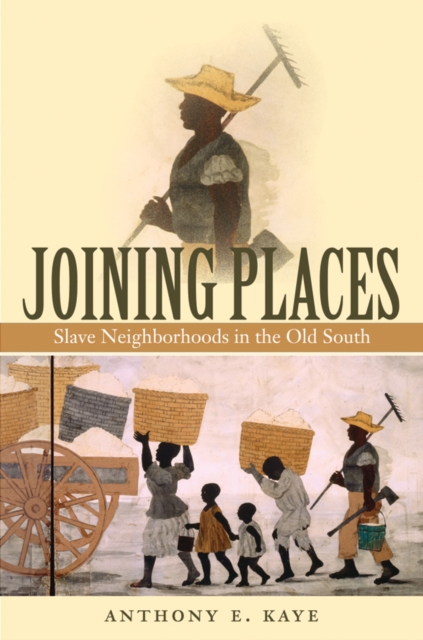
In this new interpretation of antebellum slavery, Anthony Kaye offers a vivid portrait of slaves transforming adjoining plantations into slave neighborhoods.
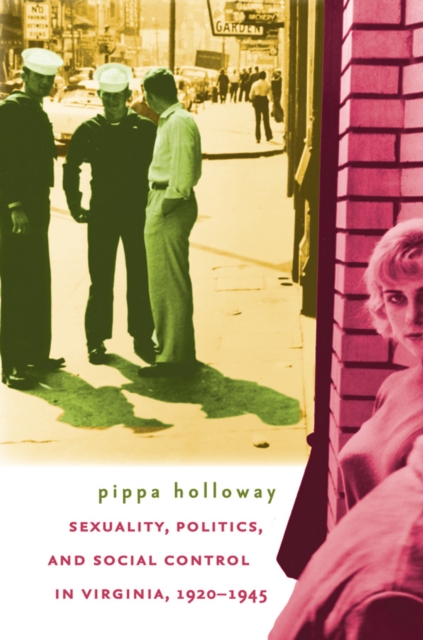
In the first half of the twentieth century, white elites who dominated Virginia politics sought to increase state control over African Americans and lower-class whites, whom they saw as oversexed and lacking sexual self-restraint.
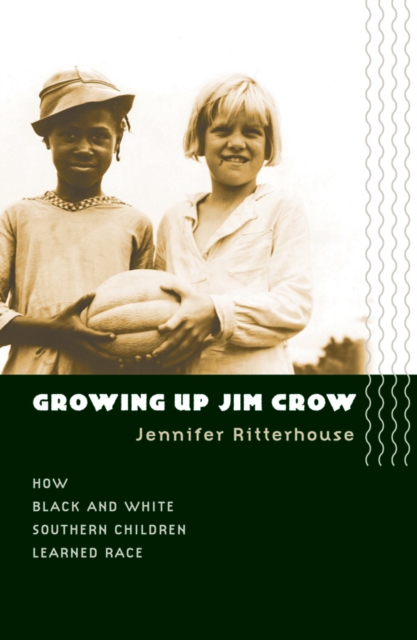
In the segregated South of the early twentieth century, unwritten rules guided every aspect of individual behavior, from how blacks and whites stood, sat, ate, drank, walked, and talked to whether they made eye contact with one another.
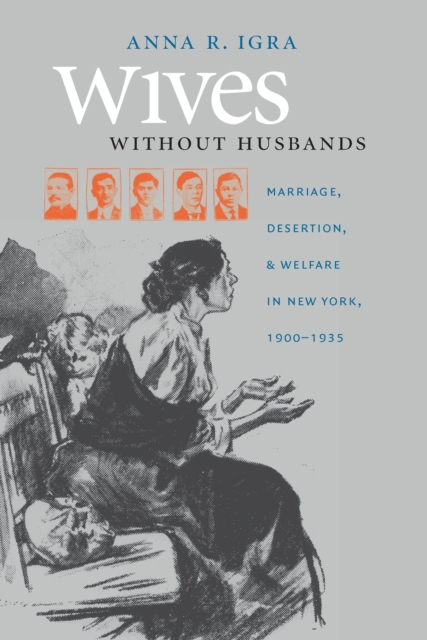
Shedding new light on contemporary campaigns to encourage marriage among welfare recipients and to prosecute deadbeat dads, Wives without Husbands traces the efforts of Progressive reformers to make runaway husbands support their families.
The first major study of slavery in the maritime South, The Watermans Song chronicles the world of slave and free black fishermen, pilots, rivermen, sailors, ferrymen, and other laborers who, from the colonial era through Reconstruction, plied the vast inland waters of North Carolina from the Outer Banks to the upper reaches of tidewater rivers.
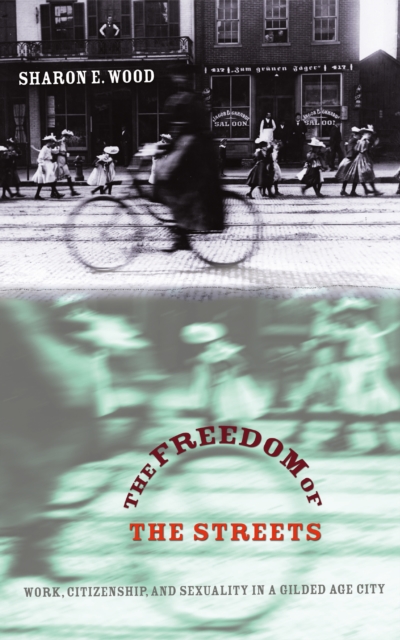
The intense urbanization and industrialization of Americas largest city from the turn of the twentieth century to World War II was accompanied by profound shifts in sexual morality, sexual practices, and gender roles.
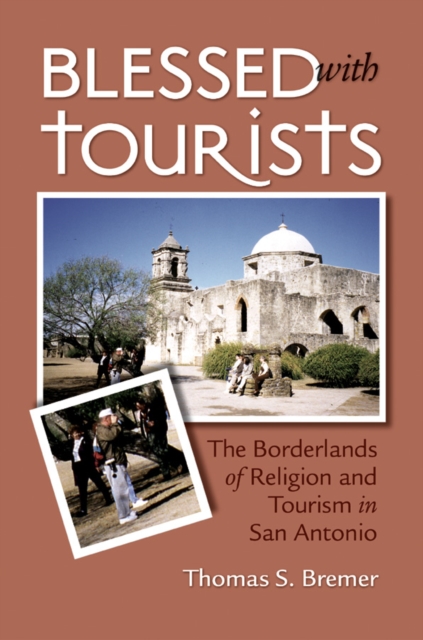
More than a million tourists visit religious landmarks in San Antonio, Texas, each year, observing and sometimes participating in religious activities there.
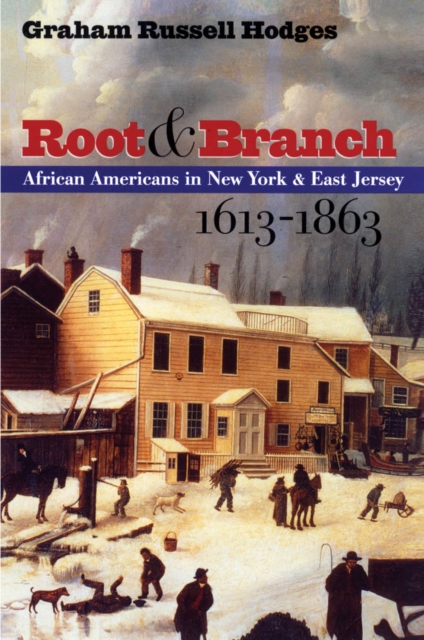
In this remarkable book, Graham Hodges presents a comprehensive history of African Americans in New York City and its rural environs from the arrival of the first African a sailor marooned on Manhattan Island in 1613 to the bloody Draft Riots of 1863.
In the summer of 1861, Americans were preoccupied by the question of which states would join the secession movement and which would remain loyal to the Union.
Buddhism in the United States is often viewed in connection with practitioners in the Northeast and on the West Coast, but in fact, it has been spreading and evolving throughout the United States since the mid-nineteenth century.
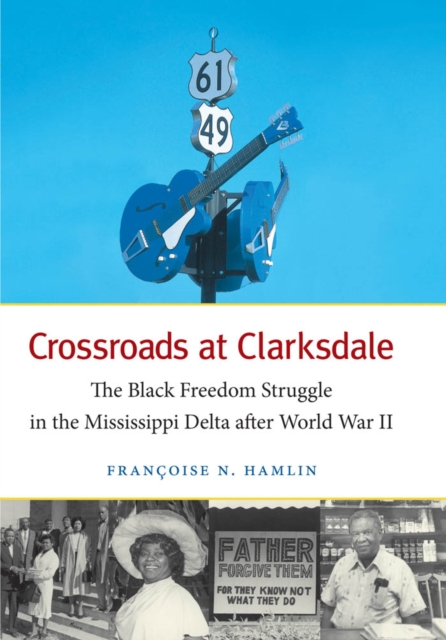
Weaving national narratives from stories of the daily lives and familiar places of local residents, Franoise Hamlin chronicles the slow struggle for black freedom through the history of Clarksdale, Mississippi.
A landmark work of womens history originally published in 1967, Gerda Lerners best-selling biography of Sarah and Angelina Grimk explores the lives and ideas of the only southern women to become antislavery agents in the North and pioneers for womens rights.
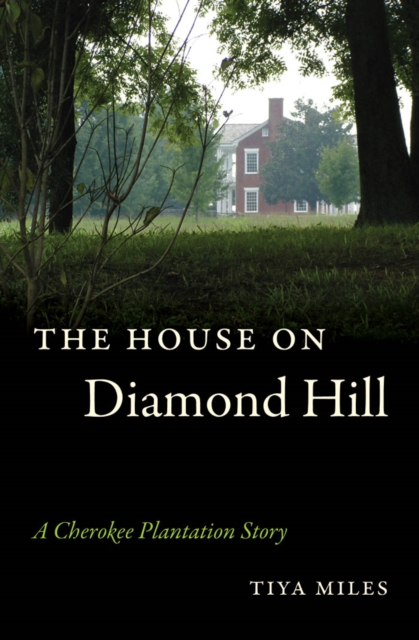
At the turn of the nineteenth century, James Vann, a Cherokee chief and entrepreneur, established Diamond Hill in Georgia, the most famous plantation in the southeastern Cherokee Nation.
This volume of The New Encyclopedia of Southern Culture examines how mass media have shaped popular perceptions of the South and how the South has shaped the history of mass media.
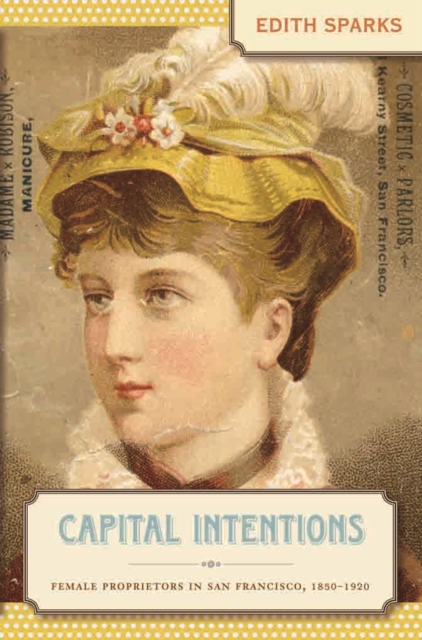
Late nineteenth-century San Francisco was an ethnically diverse but male-dominated society bustling from a rowdy gold rush, earthquakes, and explosive economic growth.
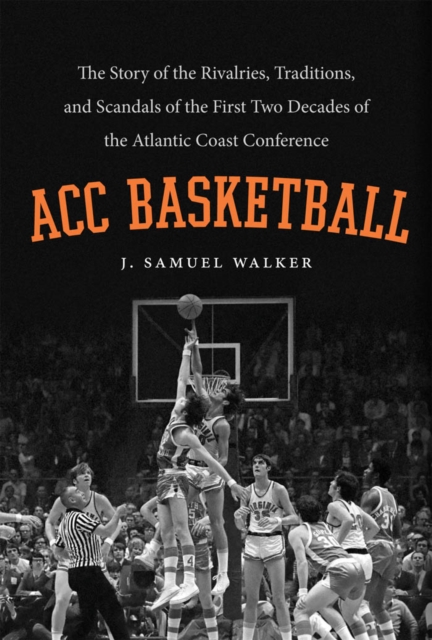
Since the inception of the Atlantic Coast Conference, intense rivalries, legendary coaches, gifted players, and fervent fans have come to define the leagues basketball history.
Focusing on five Los Angeles environmental policy debates between 1920 and 1950, Sarah Elkind investigates how practices in American municipal government gave business groups political legitimacy at the local level as well as unanticipated influence over federal politics.