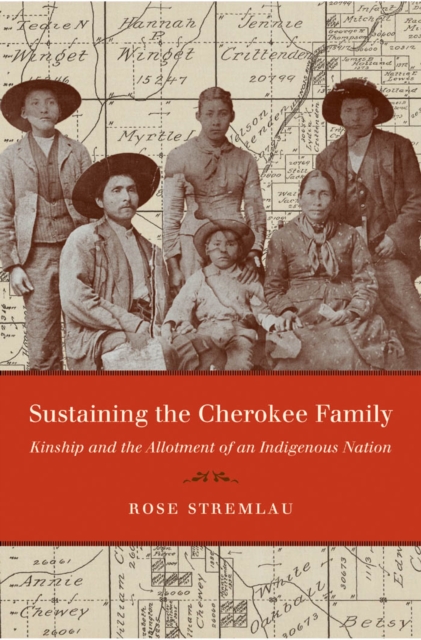
During the late nineteenth and early twentieth centuries, the federal government sought to forcibly assimilate Native Americans into American society through systematized land allotment.
Michael Kay and Lorin Cary illuminate new aspects of slavery in colonial America by focusing on North Carolina, which has largely been ignored by scholars in favor of the more mature slave systems in the Chesapeake and South Carolina.
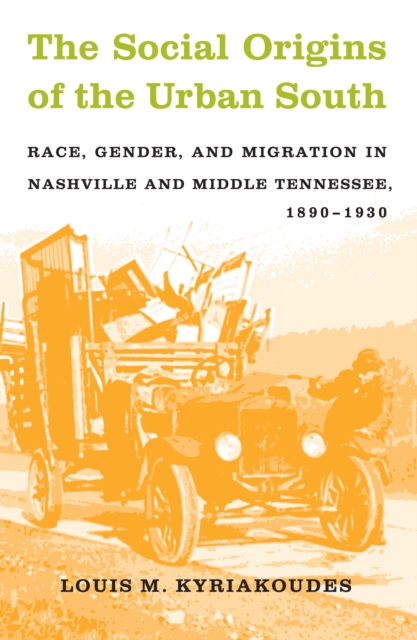
In the late nineteenth and early twentieth centuries, millions of black and white southerners left farms and rural towns to try their fate in the regions cities.
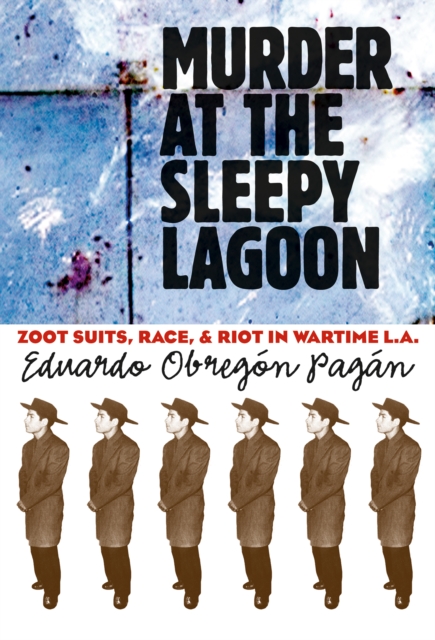
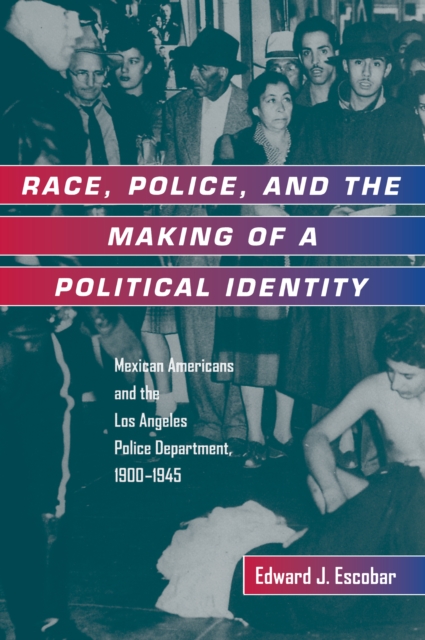
The notorious 1942 Sleepy Lagoon murder trial in Los Angeles concluded with the conviction of seventeen young Mexican American men for the alleged gang slaying of fellow youth Jose Diaz.
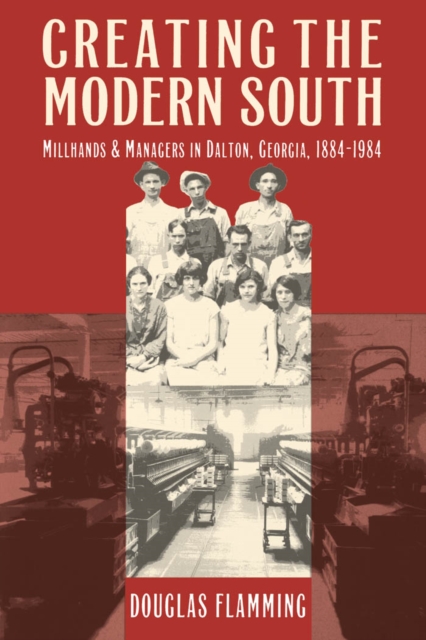
Built by local entrepreneurs during Dixies Cotton Mill in Dalton, Georgia, acted as a magnet for thousands of newly impoverished white farm families who moved to the factory and its company-owned village from the surrounding countryside.
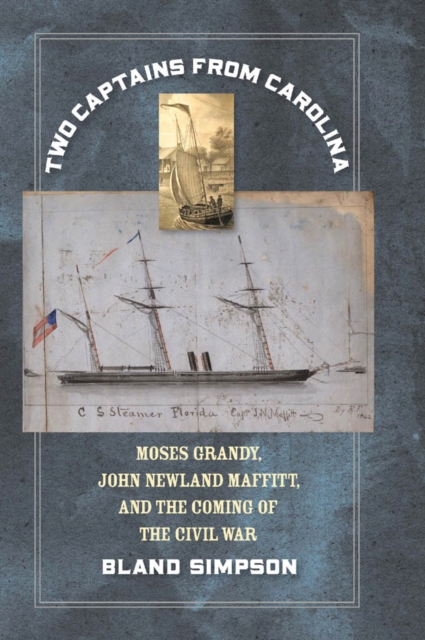
In Two Captains from Carolina, Bland Simpson twines together the lives of two accomplished nineteenth-century mariners from North Carolina one African American, one Irish American.
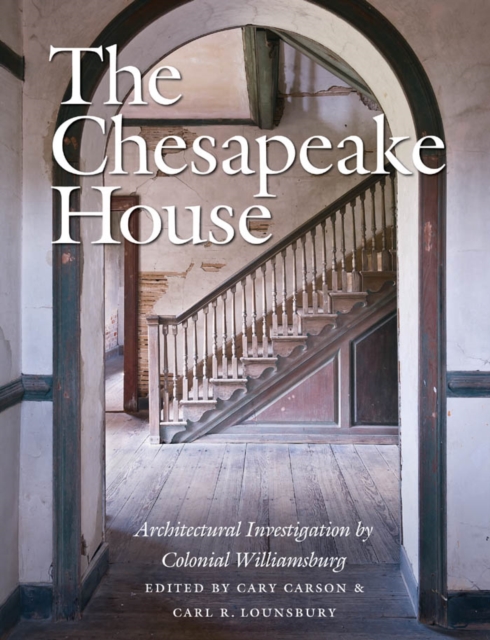
For more than thirty years, the architectural research department at Colonial Williamsburg has engaged in comprehensive study of early buildings, landscapes, and social history in the Chesapeake region.
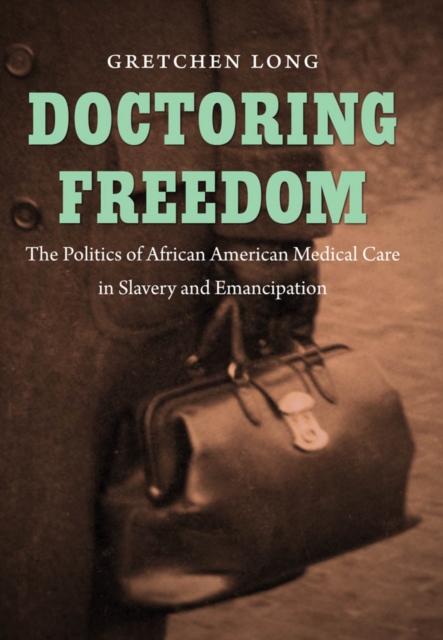
For enslaved and newly freed African Americans, attaining freedom and citizenship without health for themselves and their families would have been an empty victory.
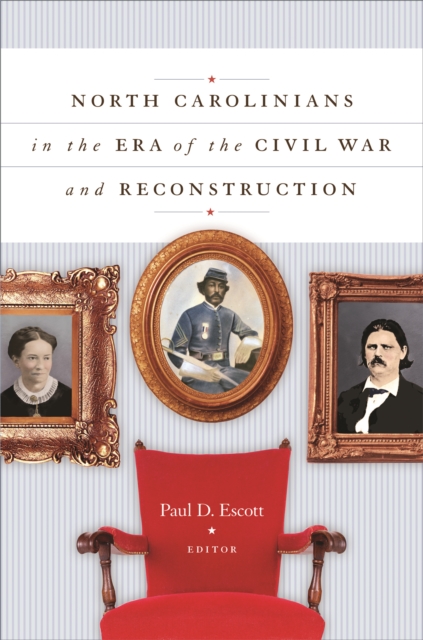
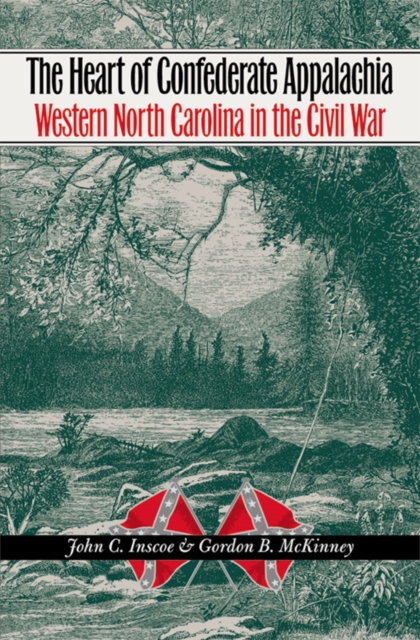
Although North Carolina was a home front state rather than a battlefield state for most of the Civil War, it was heavily involved in the Confederate war effort and experienced many conflicts as a result.
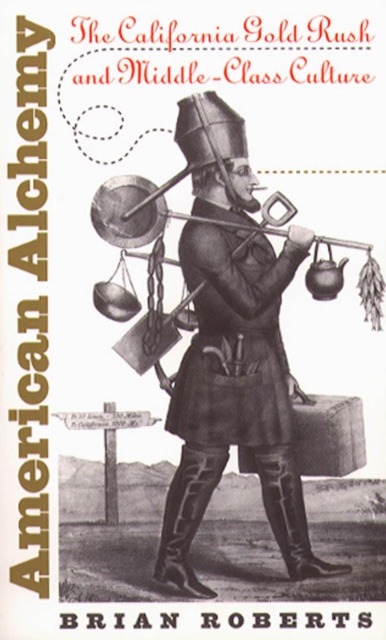
California during the gold rush was a place of disputed claims, shoot-outs, gambling halls, and prostitution; a place populated by that rough and rebellious figure, the forty-niner; in short, a place that seems utterly unconnected to middle-class culture.
In this comprehensive analysis of politics and ideology in antebellum South Carolina, Manisha Sinha offers a provocative new look at the roots of southern separatism and the causes of the Civil War.
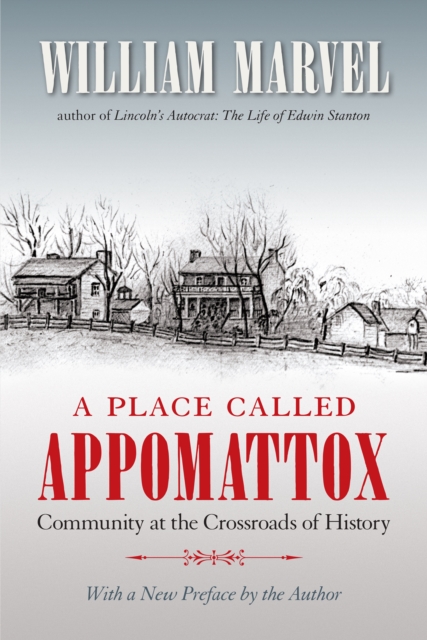
Although Appomattox Court House is one of the most symbolically charged places in America, it was an ordinary tobacco-growing village both before and after an accident of fate brought the armies of Lee and Grant together there.
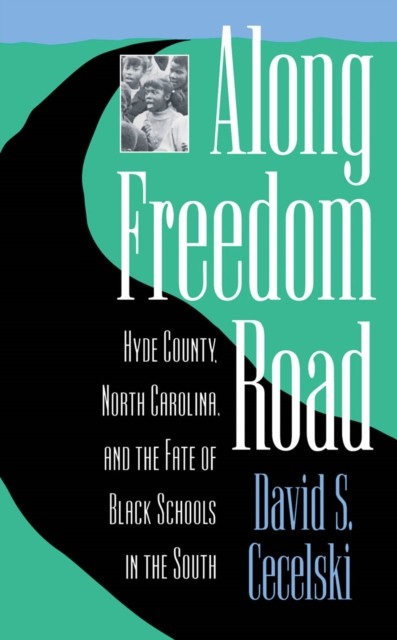
David Cecelski chronicles one of the most sustained and successful protests of the civil rights movement the 196869 school boycott in Hyde County, North Carolina.
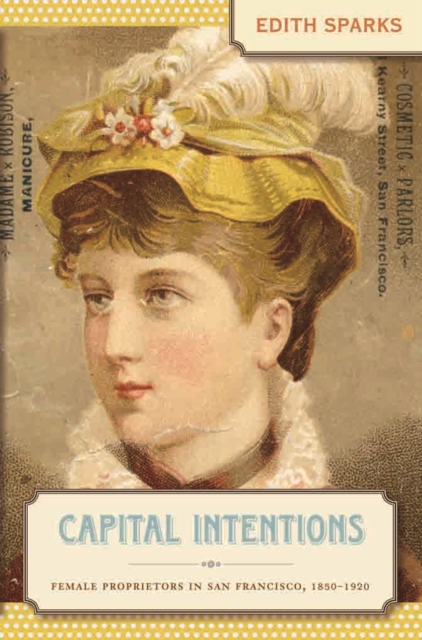
Late nineteenth-century San Francisco was an ethnically diverse but male-dominated society bustling from a rowdy gold rush, earthquakes, and explosive economic growth.
Although North Carolina was a home front state rather than a battlefield state for most of the Civil War, it was heavily involved in the Confederate war effort and experienced many conflicts as a result.
In the late nineteenth and early twentieth centuries, millions of black and white southerners left farms and rural towns to try their fate in the regions cities.
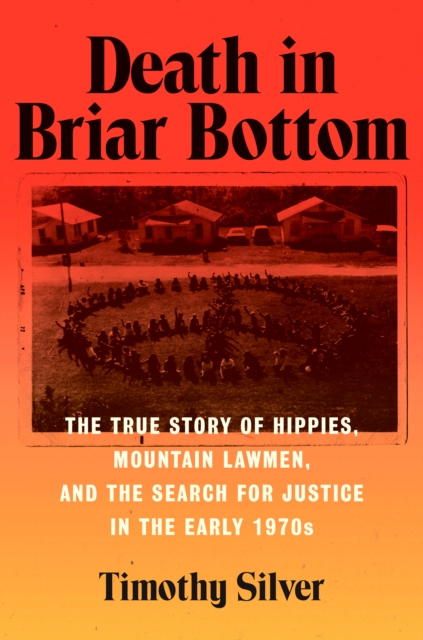
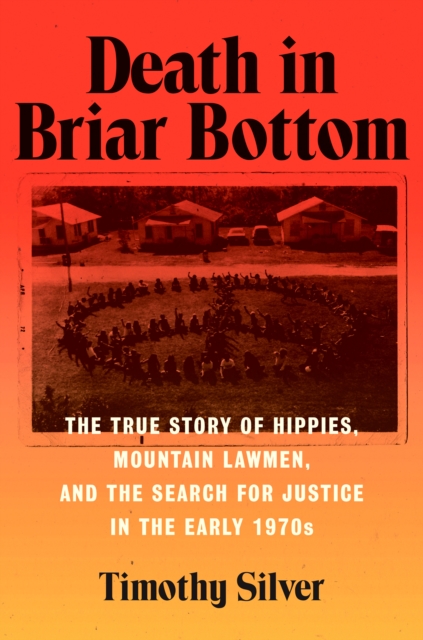
On July 3, 1972, twenty-four hippies from Clearwater, Florida, set up tents and settled in for the night at Briar Bottom, a public US Forest Service campground in western North Carolina.
On July 3, 1972, twenty-four hippies from Clearwater, Florida, set up tents and settled in for the night at Briar Bottom, a public US Forest Service campground in western North Carolina.
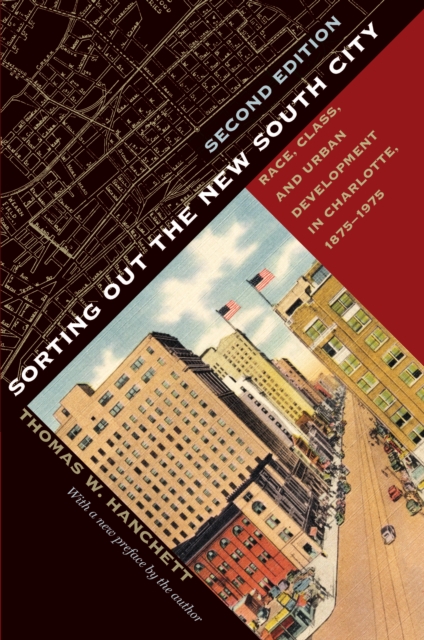
One of the largest and fastest-growing cities in the South, Charlotte, North Carolina, came of age in the New South decades of the late nineteenth and early twentieth centuries, transforming itself from a rural courthouse village to the trading and financial hub of Americas premier textile manufacturing region.
During the Civil War, its devastating aftermath, and the decades following, many southern white women turned to writing as a way to make sense of their experiences.
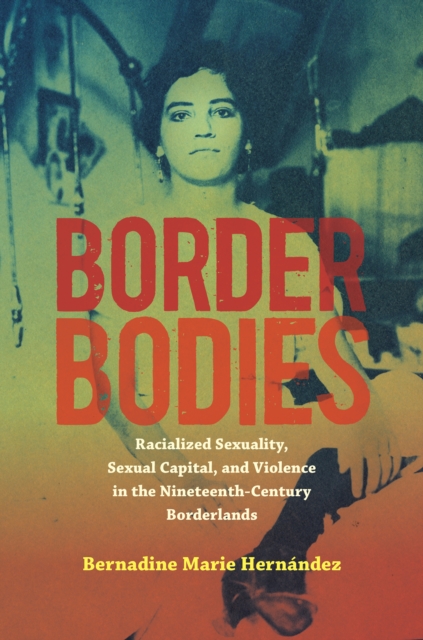
In this study of sex, gender, sexual violence, and power along the border, Bernadine Marie Hernndez brings to light under-heard stories of women who lived in a critical era of American history.
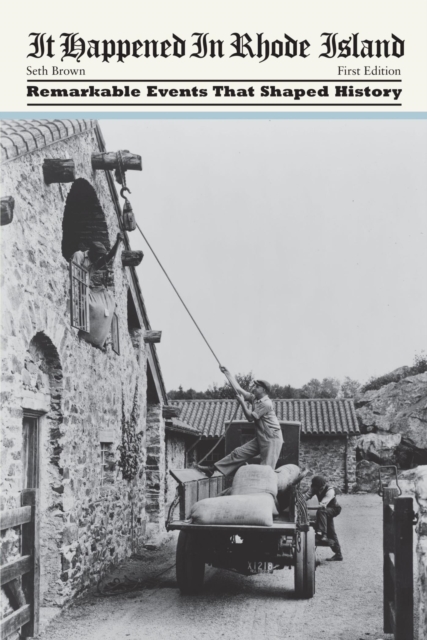
From the story of Rhode Island's first colonist (who contrary to your elementary-school history book wasn't Roger Williams) to the revolutionary precursors to the Boston Tea Party to the wedding of Jack and Jackie Kennedy, It Happened in Rhode Island captures some the great events in American History and the history of the small, but fascinating, Ocean State.
During the Civil War, its devastating aftermath, and the decades following, many southern white women turned to writing as a way to make sense of their experiences.
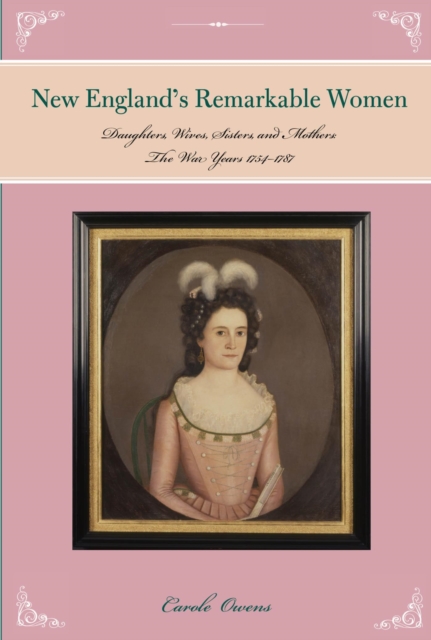
In eighteenth-century America, information about a woman's life and accomplishments was very difficult to discover, but some woman were avid letter writers or devoted journal keepers, and thankfully some of those letters and journals were saved.
One of the largest and fastest-growing cities in the South, Charlotte, North Carolina, came of age in the New South decades of the late nineteenth and early twentieth centuries, transforming itself from a rural courthouse village to the trading and financial hub of Americas premier textile manufacturing region.
In this study of sex, gender, sexual violence, and power along the border, Bernadine Marie Hernndez brings to light under-heard stories of women who lived in a critical era of American history.