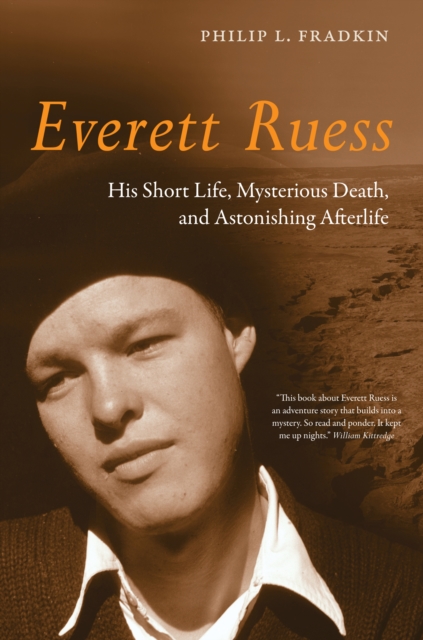
Everett Ruess was twenty years old when he vanished into the canyonlands of southern Utah, spawning the myth of a romantic desert wanderer that survives to this day.
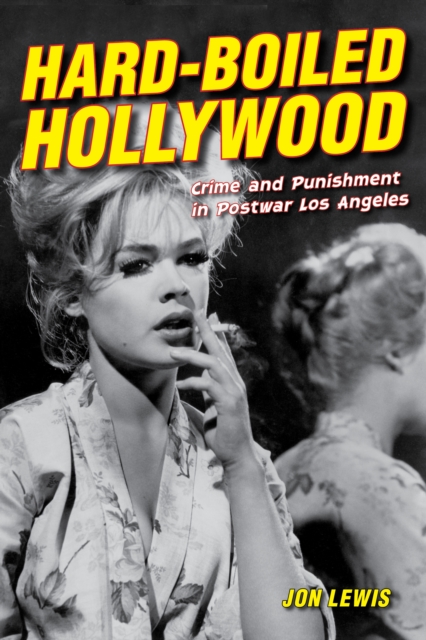
The tragic and mysterious circumstances surrounding the deaths of Elizabeth Short, or the Black Dahlia, and Marilyn Monroe ripped open Hollywood's glitzy faade, exposing the citys ugly underbelly of corruption, crime, and murder.
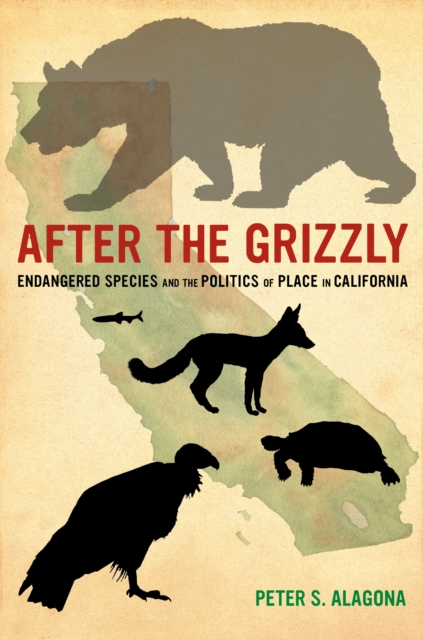
Thoroughly researched and finely crafted, After the Grizzly traces the history of endangered species and habitat in California, from the time of the Gold Rush to the present.
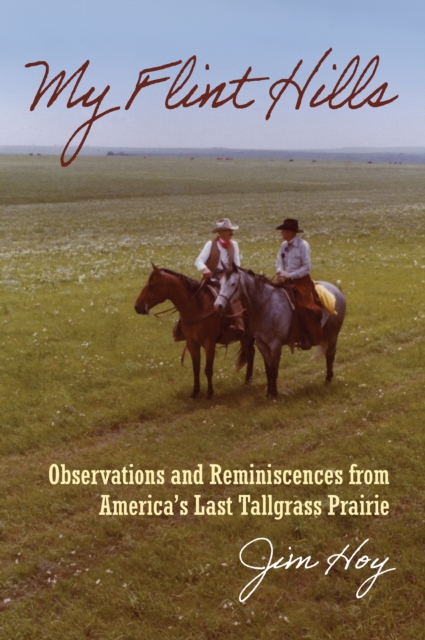
Winner: Byron Caldwell Smith AwardBetween the Nebraska border and Osage County, Oklahoma, are the Flint Hills of Kansas, and growing on those hills the last of the tallgrass prairie that once ranged from Canada to Texas, and on those fields of bluestem, cattle grazeand tending the cattle, someone like Jim Hoy, whose people have ranched there from, well, not quite time immemorial, but pretty darn close.
In the wake of the 2016 presidential election there was widespread shock that the Midwest, the Democrats so-called blue wall, had been so effectively breached by Donald Trump.
When August Fruge joined the University of California Press in 1944, it was part of the University's printing department, publishing a modest number of books a year, mainly monographs by UC faculty members.
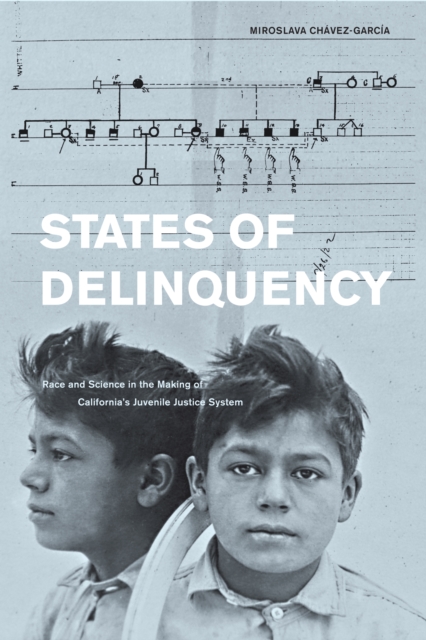
This unique analysis of the rise of the juvenile justice system from the nineteenth to twentieth centuries uses one of the harshest states-California-as a case study for examining racism in the treatment of incarcerated young people of color.
Over the course of a year, in just one national forest in California, raids on illegal marijuana growing operations yielded 19,710 pounds of infrastructure, 138 ounces of restricted poisons, 4,595 pounds of fertilizer, 12 gallons of common pesticides, 5.
Alive with the exuberance, contradictions, and variety of the Golden State, this Depression-era guide to California is more than 700 pages of information that is, as David Kipen writes in his spirited introduction, "e;anecdotal, opinionated, and altogether habit-forming.
In a series of essays, Runyon, reflects on the frank, often outrageous opinions of his ';old man,' who knows a thing or two about just about everythingand even if he doesn't, he'll tell you anyway.
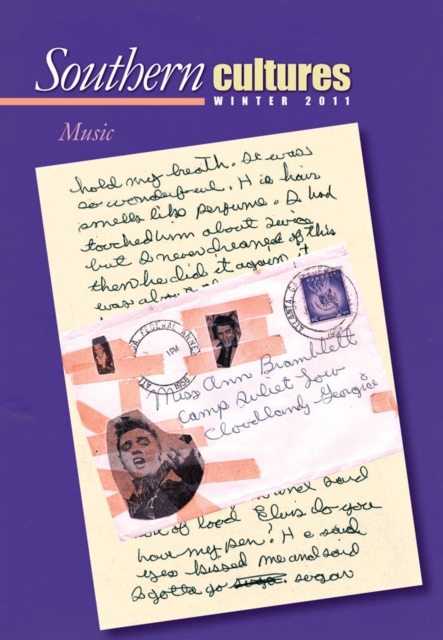
The Music Issue enhanced eBook include all the tracks on our special CD and:The tell-all letter from a teenage girl who kissedand kissedElvis PresleyHow corruption and greed made the Jacksonville music sceneGretchen Wilson, country musics Redneck WomanThe invaluable social spaces of African American record storesBobby Rush, bluesman-plusWhere Opryland resides in hearts, minds, and soulsBackstage with the Avett Brothers, Doc Watson, Tift Merritt, Southern Culture on the Skids, the Carolina Chocolate Drops, Johnny Cash, and more great artists.
From Jedediah Smith's final fight to an unlikely flash flood in the desert, It Happened on the Santa Fe Trail gives readers a unique look at intriguing people and episodes from one of America's most historically important trails, the artery that opened the Southwest to settlement.
Over recent decades, the Southeast has become a new frontier for Latin American migration to and within the United States, and North Carolina has had one of the fastest growing Latino populations in the nation.
Across Death Valley tells the remarkable story of one woman's brave struggle to keep her family alive during one of the most arduous and dramatic episodes in the history of Western migration.
In the same absorbing style that characterized his bestseller Lost Hollywood, David Wallace presents a the Prohibition-era personalities and events that made New York City the cultural and financial capital of the world.
When the Wabanaki were moved to reservations, they proved their resourcefulness by catering to the burgeoning tourist market during the 19th and early 20th centuries, when Bar Harbor was called Eden.
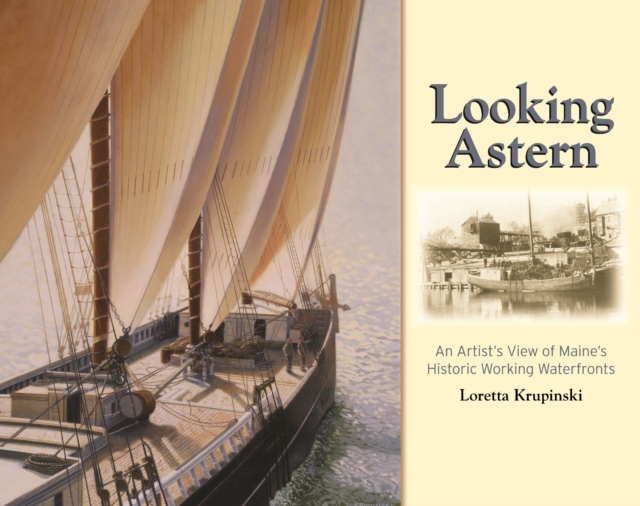
Nationally recognized maritime artist Loretta Krupinski's meticulously rendered oil paintings show fascinating details of Maine's waterfront towns in their heyday, when fishing, quarrying, and the cargo trade were the backbone of the coastal economy.
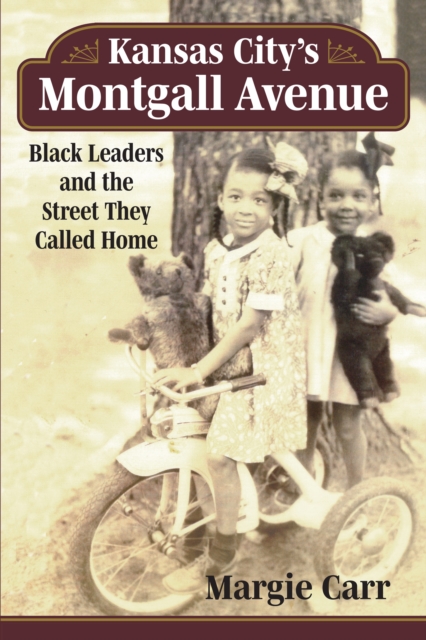
A few blocks southeast of the famed intersection of 18th and Vine in Kansas City, Missouri, just a stones throw from Charlie Parkers old stomping grounds and the current home of the vaunted American Jazz Museum and Negro Leagues Baseball Museum, sits Montgall Avenue.
A few blocks southeast of the famed intersection of 18th and Vine in Kansas City, Missouri, just a stones throw from Charlie Parkers old stomping grounds and the current home of the vaunted American Jazz Museum and Negro Leagues Baseball Museum, sits Montgall Avenue.
The characteristic look of Southern California, with its red-tiled roofs, stucco homes, and Spanish street names suggests an enduring fascination with the region's Spanish-Mexican past.
The characteristic look of Southern California, with its red-tiled roofs, stucco homes, and Spanish street names suggests an enduring fascination with the region's Spanish-Mexican past.
How providential history-the conviction that God is an active agent in human history-has shaped the American historical imagination In 1847, Protestant missionary Marcus Whitman was killed after a disastrous eleven-year effort to evangelize the indigenous peoples of the Pacific Northwest.
Since its beginnings, Open Spaces has been on the cutting edge of thinking about the Pacific Northwest - an intelligent, provocative, beautifully conceived magazine for thoughtful readers who are searching for new ways to understand the region, themselves, and many of the major issues of our time.
The surprising connections between the American frontier and empire in southern Africa, and the people who participated in both This book begins in an era when romantic notions of American frontiering overlapped with Gilded Age extractive capitalism.
A Time to Rise is an intimate look into the workings of the KDP, the only revolutionary organization that emerged in the Filipino American community during the politically turbulent 1970s and 80s.
In her first book, Island in the Sound, Heckman brought to life Anderson Island in Puget Sound, its people, its history, and its sadly vanishing way of life.
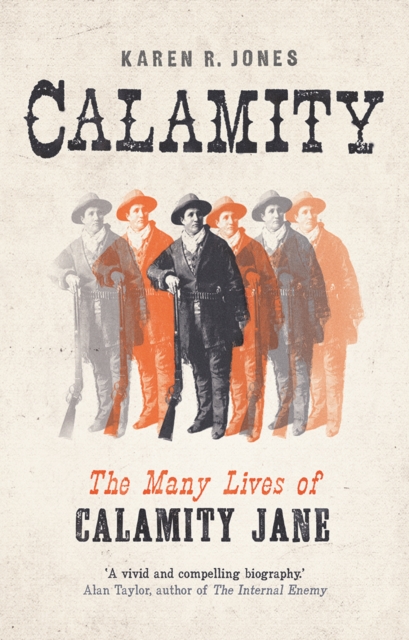
A fascinating new account of the life and legend of the Wild West’s most notorious woman: Calamity Jane Martha Jane Canary, popularly known as Calamity Jane, was the pistol-packing, rootin’ tootin’ “lady wildcat” of the American West.
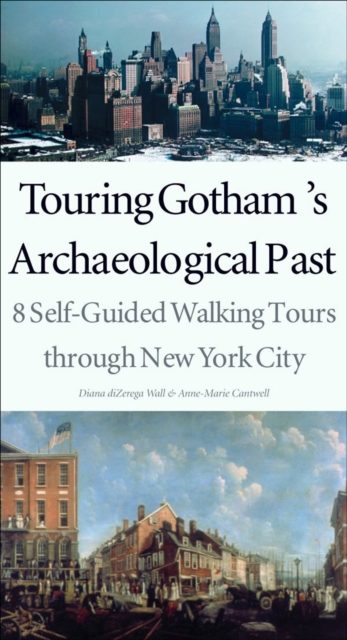
This pocket-sized guidebook takes the reader on eight walking tours to archaeological sites throughout the boroughs of New York City and presents a new way of exploring the city through the rich history that lies buried beneath it.
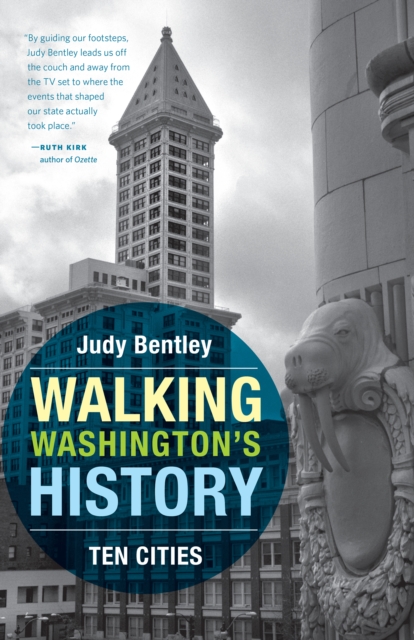
Walking Washingtons History: Ten Cities, a follow-up to Judy Bentleys bestselling Hiking Washingtons History, showcases the states engaging urban history through guided walks in ten major cities.
From Lake Coeur dAlene to its confluence with the Columbia, the Spokane River travels 111 miles of varied and often spectacular terrainrural, urban, in places wild.
Providing the most comprehensive examination to date of Asians in the Centennial State, William Wei addresses a wide range of experiences, from anti-Chinese riots in late nineteenth-century Denver to the World War II incarceration of Japanese Americans at the Amache concentration camp to the more recent influx of Southeast Asian refugees and South Asian tech professionals.
Since the 1950s, the housing developments in the West that historian Lincoln Bramwell calls wilderburbs have offered residents both the pleasures of living in nature and the creature comforts of the suburbs.
Winner: Dorothy Schwieder Excellence in Research AwardTucked into the files of Iowa State Universitys Cooperative Extension Service is a small, innocuous looking pamphlet with the title Lenders: Working through the Farmer-Lender Crisis.