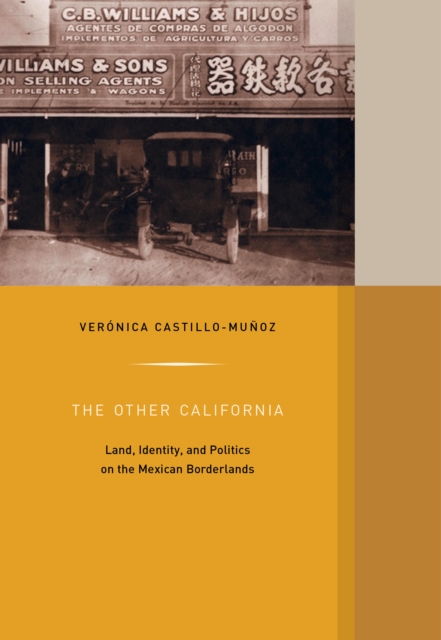
The Other California is the story of working-class communities and how they constituted the racially and ethnically diverse landscape of Baja California.
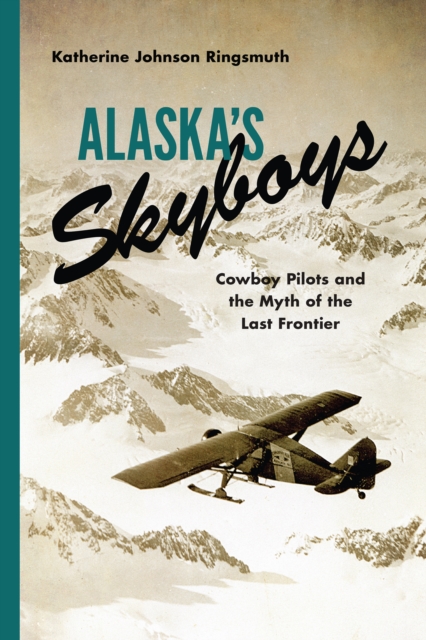
This fascinating account of the development of aviation in Alaska examines the daring missions of pilots who initially opened up the territory for military positioning and later for trade and tourism.
In 1980, the celebrated new wave band Blondie headed to Los Angeles to record a new album and along with it, the cover song ';The Tide Is High,' originally written by Jamaican legend John Holt.
Early in the morning of September 5, 2002, camouflaged and heavily armed Drug Enforcement Administration agents descended on a terraced marijuana garden.
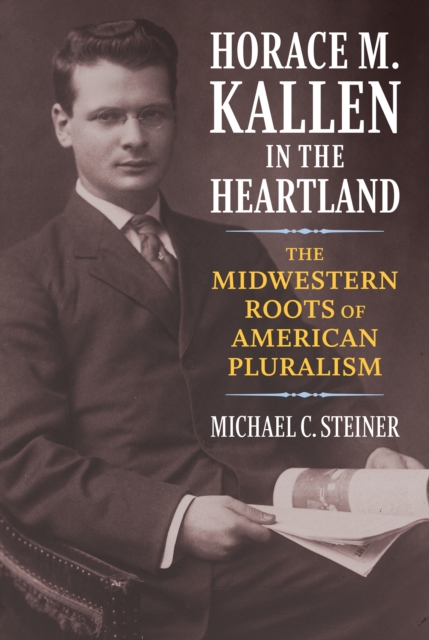
The Harvard-educated, Jewish American philosopher Horace Meyer Kallen (18821974) is commonly credited with the concept of cultural pluralism, which envisioned immigrant and minority groups cultivating their distinctive social worlds and interacting to create an inclusive, ever-changing true American culture.
At once informative and entertaining, inspiring and challenging, My Los Angeles provides a deep understanding of urban development and change over the past forty years in Los Angeles and other city regions of the world.
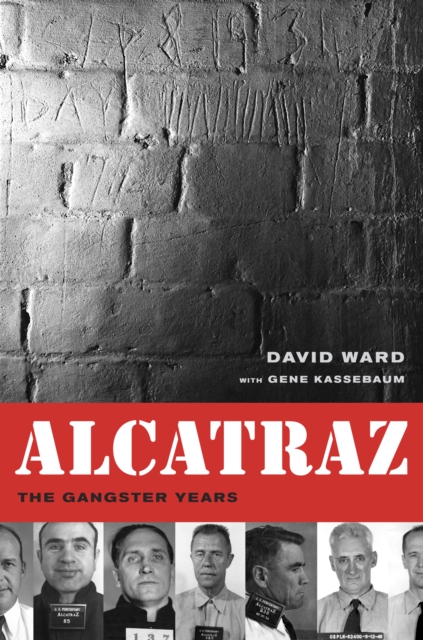
Al Capone, George "e;Machine Gun"e; Kelly, Alvin Karpis, "e;Dock"e; Barker-these were just a few of the legendary "e;public enemies"e; for whom America's first supermax prison was created.
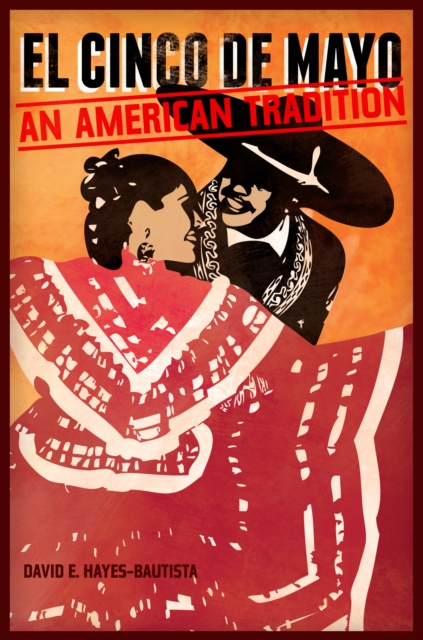
Why is Cinco de Mayo-a holiday commemorating a Mexican victory over the French at Puebla in 1862-so widely celebrated in California and across the United States, when it is scarcely observed in Mexico?
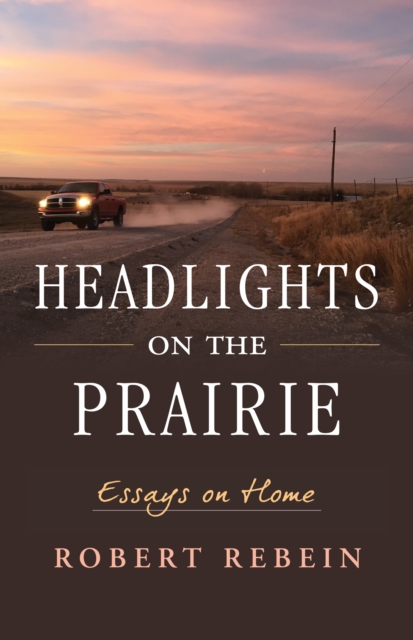
A Kansas Notable BookFinalist: High Plains Book AwardAt the long-term care facility where Robert Rebeins father lands after a horrific car crash, a shadow box hangs next to each room, its contents suggesting something of the occupants life.
Braided Waters sheds new light on the relationship between environment and society by charting the history of Hawaii's Molokai island over a thousand-year period of repeated settlement.
Embracing the crossroads that made the region distinctive this book reveals how American families have always been characterized by greater diversity than idealizations of the traditional family have allowed.
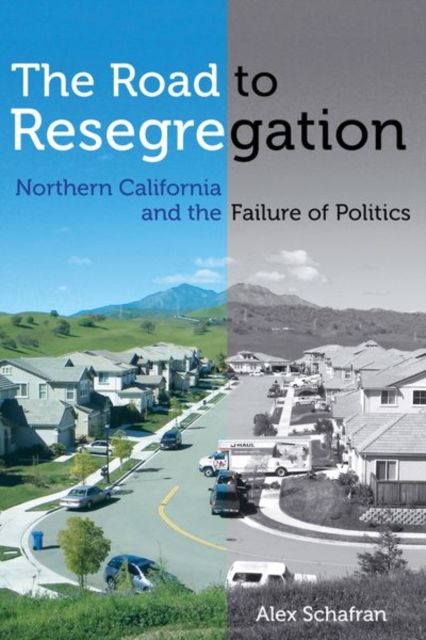
How could Northern California, the wealthiest and most politically progressive region in the United States, become one of the earliest epicenters of the foreclosure crisis?
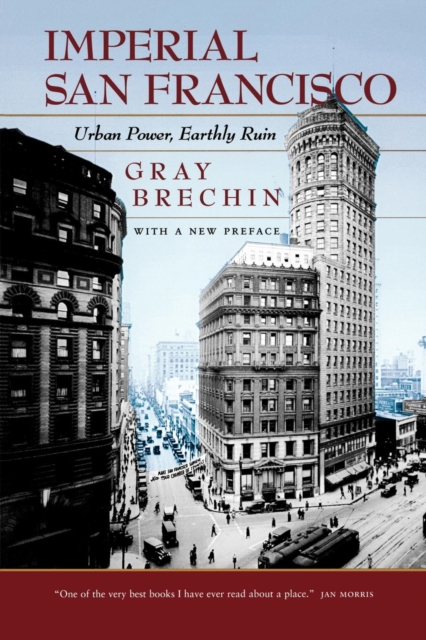
First published in 1999, this celebrated history of San Francisco traces the exploitation of both local and distant regions by prominent families-the Hearsts, de Youngs, Spreckelses, and others-who gained power through mining, ranching, water and energy, transportation, real estate, weapons, and the mass media.
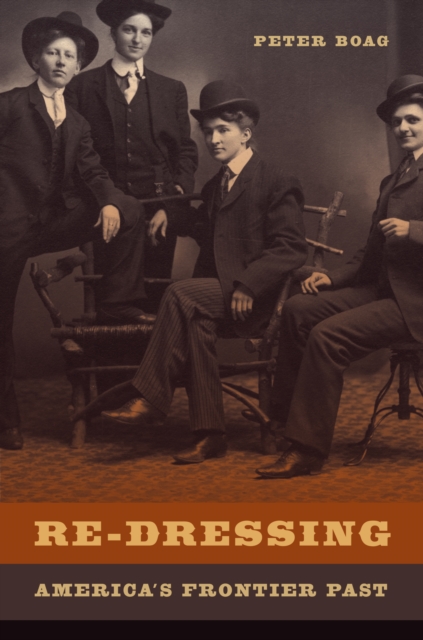
Americans have long cherished romantic images of the frontier and its colorful cast of characters, where the cowboys are always rugged and the ladies always fragile.
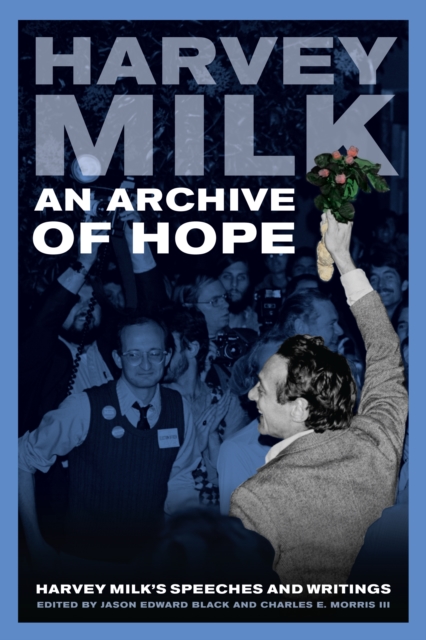
Harvey Milk was one of the first openly and politically gay public officials in the United States, and his remarkable activism put him at the very heart of a pivotal civil rights movement reshaping America in the 1970s.
Once again, well-known ghost story writer Docia Williams brings us an all-new book about recent ghost sightings and mysterious happenings in the Alamo City.
In Spaces of Conflict, Sounds of Solidarity, Gaye Theresa Johnson examines interracial anti-racist alliances, divisions among aggrieved minority communities, and the cultural expressions and spatial politics that emerge from the mutual struggles of Blacks and Chicanos in Los Angeles from the 1940s to the present.
"e;The famous trail of romantic western lore was established in about 1610 by Spanish settlers of Mexico who had explored western and southern regions of North America long before the French and English arrived.
With a uniquely balanced combination of salty, sweet, sour, and spicy flavors, Thai food burst onto Los Angeles's and America's culinary scene in the 1980s.
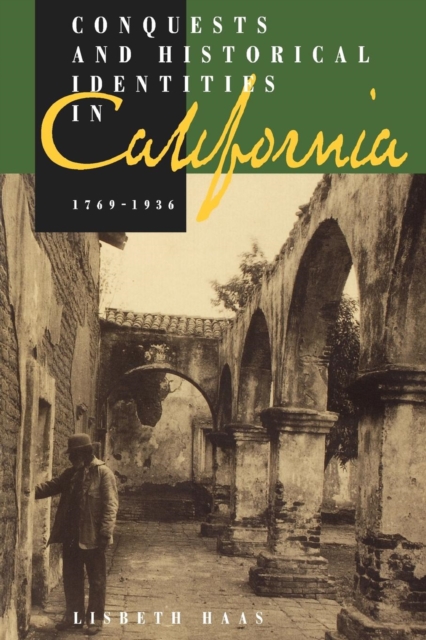
Spanning the period between Spanish colonization and the early twentieth century, this well-argued and convincing study examines the histories of Spanish and American conquests, and of ethnicity, race, and community in southern California.
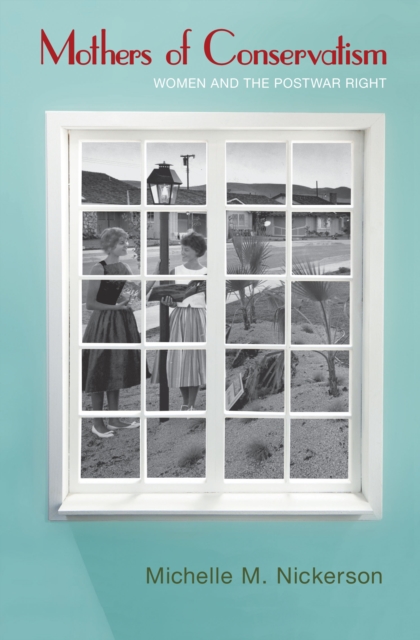
Mothers of Conservatism tells the story of 1950s Southern Californian housewives who shaped the grassroots right in the two decades following World War II.
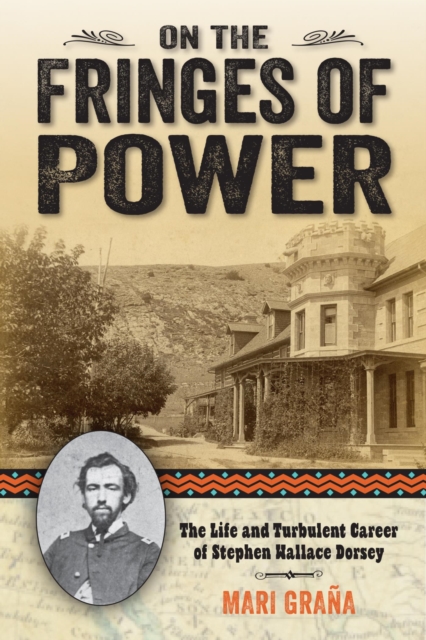
Touted in his time as one of the ';great men of the West,' Stephen Wallace Dorsey was a Reconstruction carpetbagger who went to Arkansas and finagled and bribed his way into getting elected to the US Senate after living only two years in the state before heading West to seek his fortune.
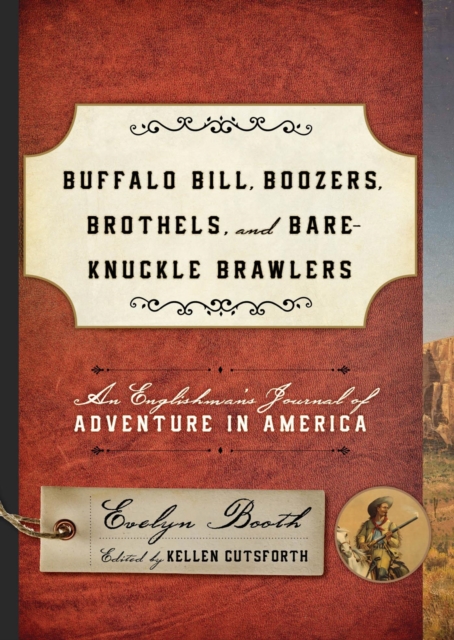
The travel journal of the wealthy young Englishman, Evelyn Booth, weaves a factual, enthralling, and entertaining narrative that follows his escapades throughout the United States of the late nineteenth century.
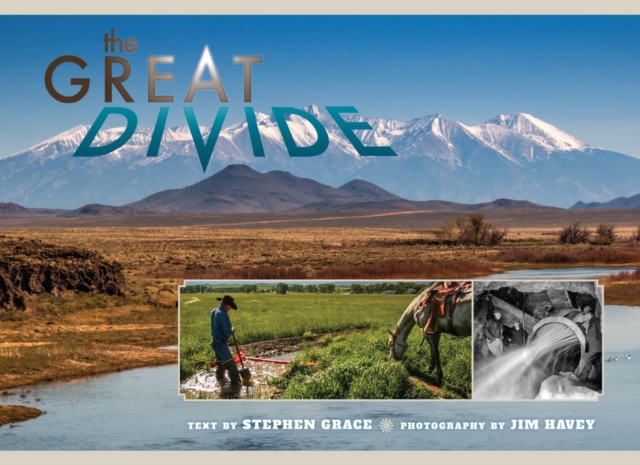
Written by Stephen Grace, the companion book to The Great Divide, a film by Havey Productions, is a sweeping, magnificently illustrated story of Colorado water from the region's first inhabitants to the incoming settlers and developers to modern environmentalists.
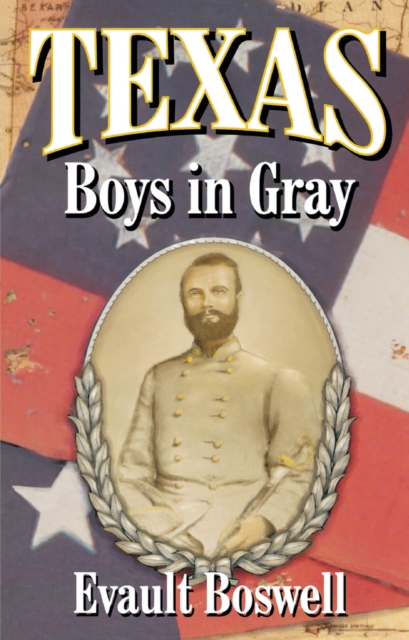
Based on a 1912 publication about Texans who fought for the South in the Civil War, Texas Boys in Gray presents a collection of fascinating remembrances of those who were there.
Based on a 1912 publication about Texans who fought for the South in the Civil War, Texas Boys in Gray presents a collection of fascinating remembrances of those who were there.