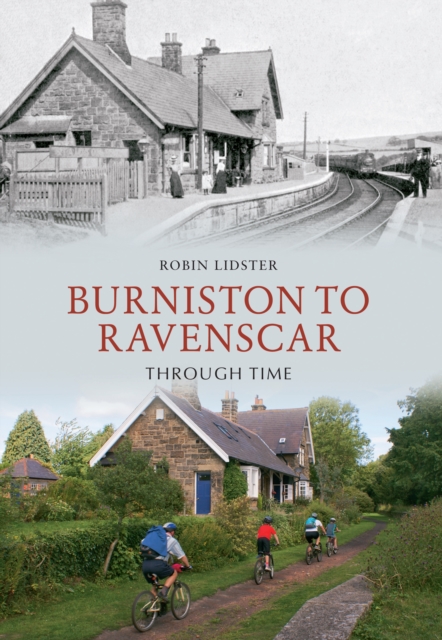
This book illustrates some of the changes in the villages and communities of Burniston, Cloughton, Hayburn Wyke, Staintondale and Ravenscar that are situated on the picturesque North Yorkshire coast.
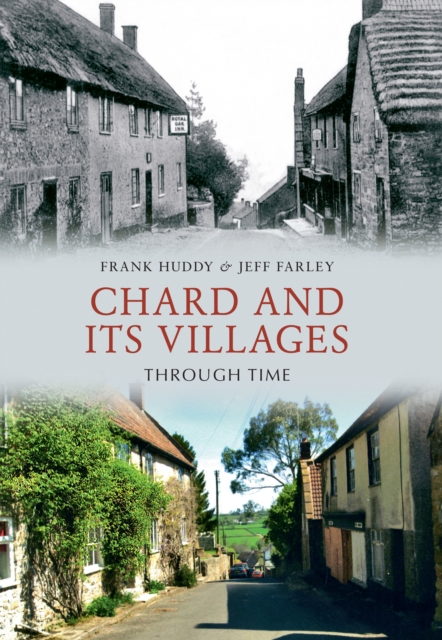
'There is some deep satisfaction in being born in a place like Chard', said Margaret Bondfield the UK's first female cabinet minister, in her book A Life's Work.
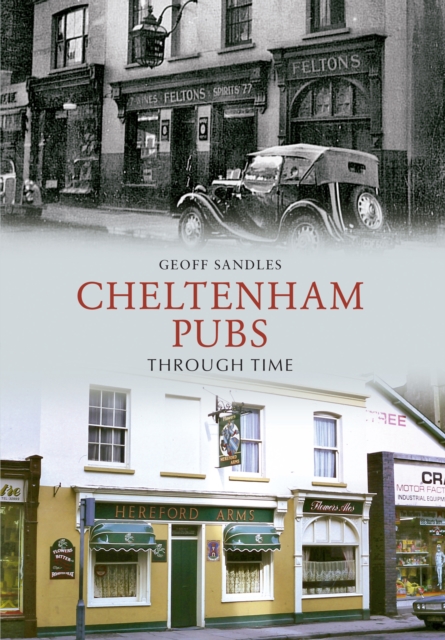
Cheltenham Pubs Through Time is a unique and nostalgic collection of old and new images, illustrating the evolution and changing use of the town's pubs.
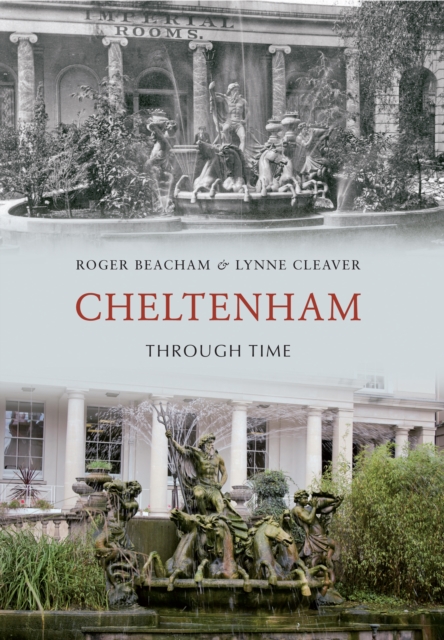
In Cheltenham Through Time, authors Roger Beacham and Lynne Cleaver show some of the different sides of this Spa town, where along with the Regency splendour is a much poorer side often hidden in other volumes.
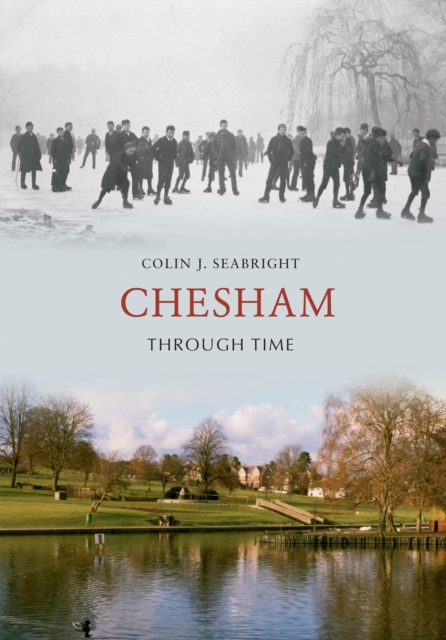
Chesham, a small market town in the valley of the River Chess between the beech-clad Chiltern Hills in Buckinghamshire, has a long history of light craft industry based on locally produced raw materials.
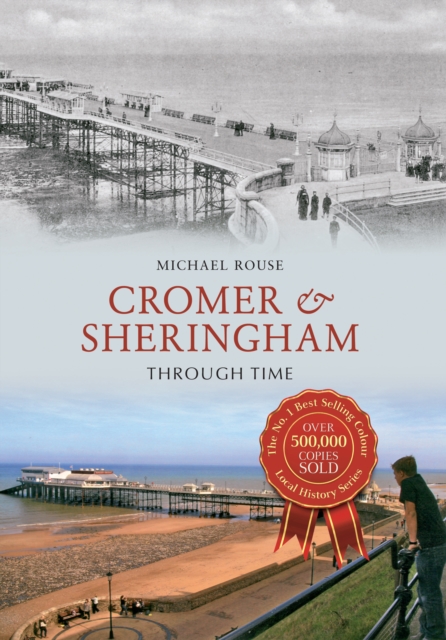
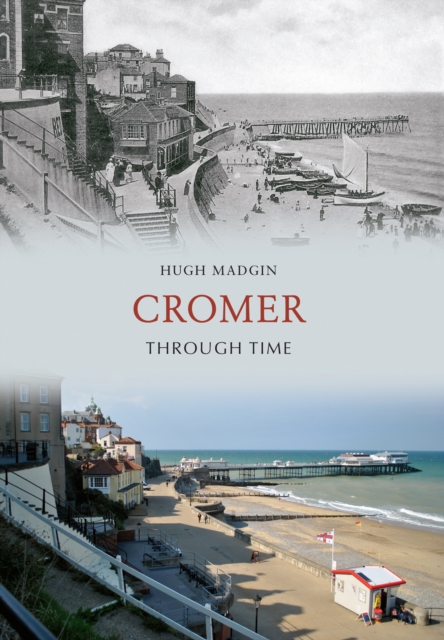
It is almost impossible not to like Cromer: a medieval town which two centuries ago transformed itself into one of the most attractive seaside resorts anywhere.
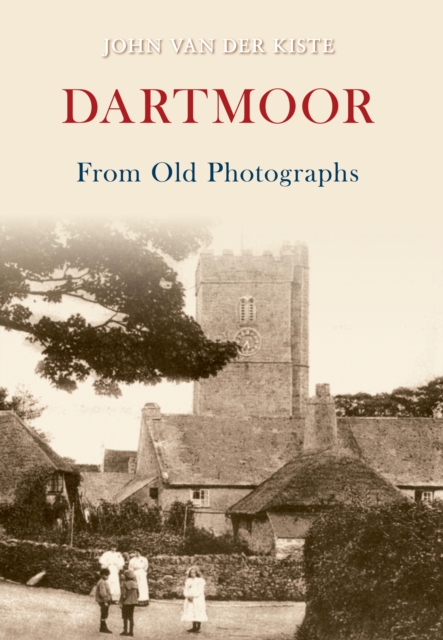
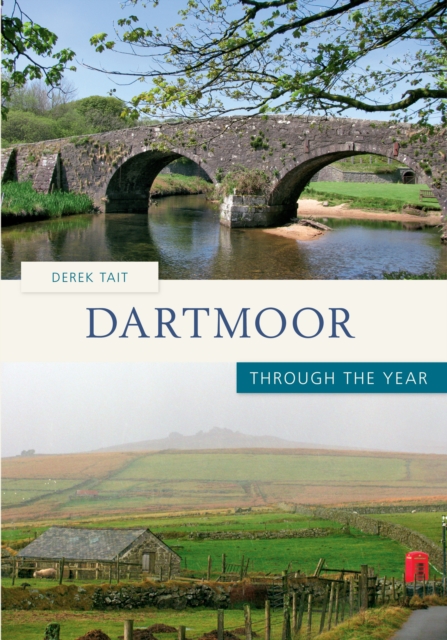
The history of Dartmoor extends to several centuries BC, with surviving prehistoric remains dating back to the late Neolithic and early Bronze Age, and the largest concentration of Bronze Age remains in Britain.
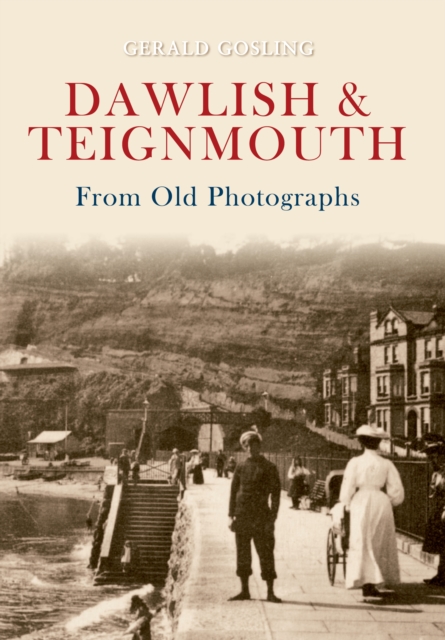
Since the development of photography in the middle of nineteenth century, the picture of our pasts provided by the written chronicle, the museum artefact or by failing memory has been augmented by the most vivid and immediate relic of former times, the photograph.
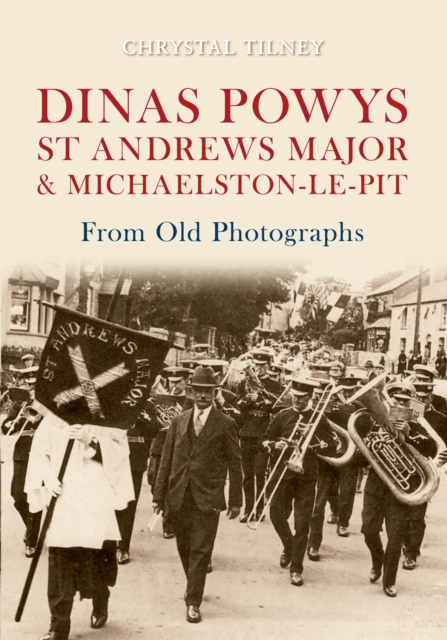
Dinas Powys and the area around it have been continuously inhabited since prehistoric times, and we can still see the remains of a Romano-British homestead, a hill fort and a Norman castle.
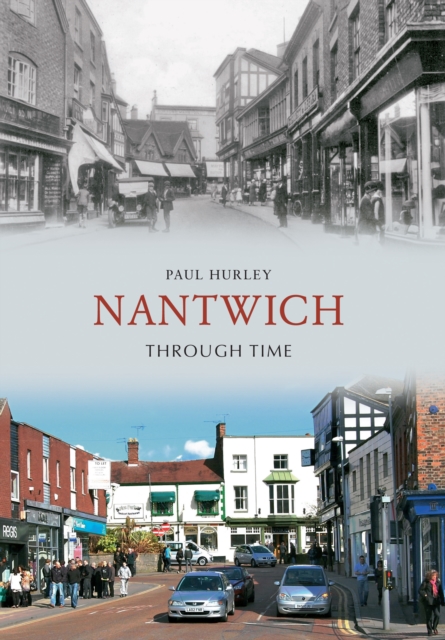
Nantwich occupies a pleasant position on the banks of the River Weaver and at least as far back as the Domesday Book has been one of the most important towns in Cheshire.
The appearance of the town has changed dramatically during the last forty years and it is difficult in many instances to appreciate how it appeared to our forefathers.
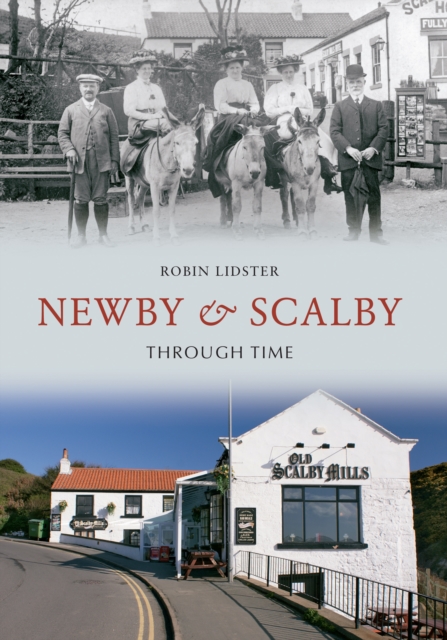
This book illustrates some of the changes in the villages of Newby and Scalby situated on the northern outskirts of Scarborough on the North Yorkshire coast.
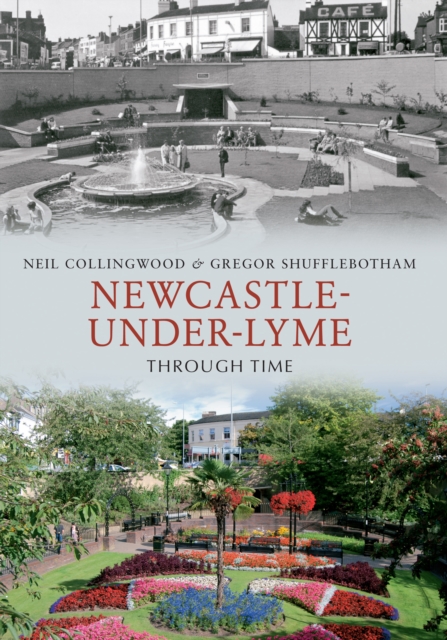
Both the town of Newcastle-under-Lyme and its name almost certainly owe their existence to the building of a 'new' castle there in the mid-twelfth century.
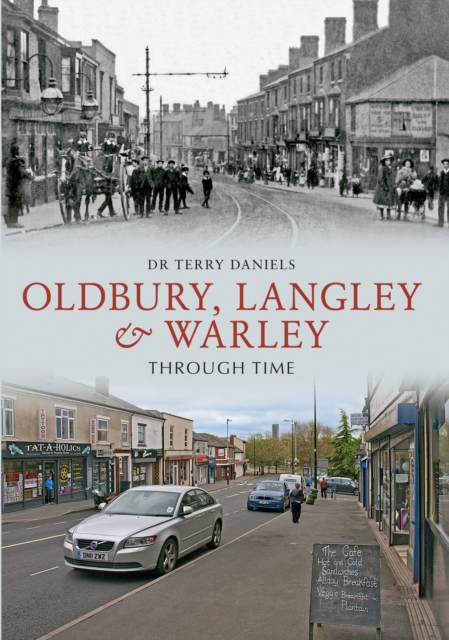
This book tells the story of Oldbury's rise from overcrowded Victorian town to progressive municiple borough, and its absorption into larger local authorities from 1966.
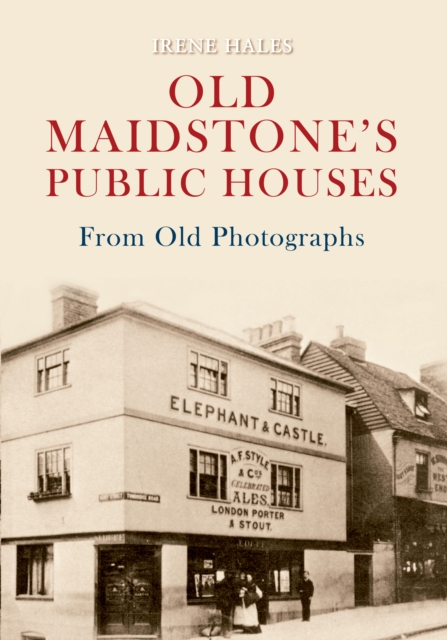
When John Leland, King Henry VIII's antiquary, visited Maidstone in the sixteenth century, he commented that the town was 'full of inns', but if he could have returned three centuries later he would have seen many more.
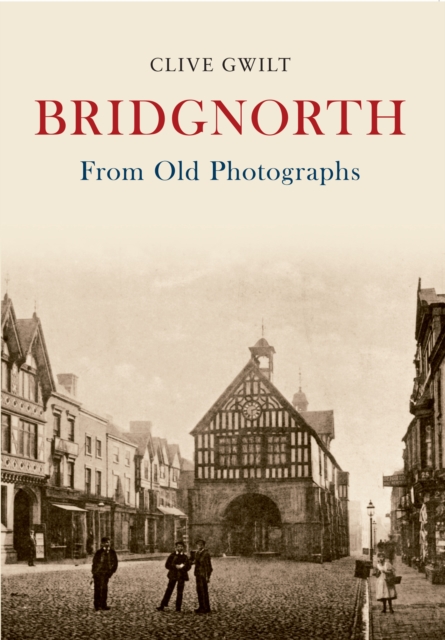
Bridgnorth lies in the south-east corner of Shropshire, separated by a dozen miles of farmland from the Black Country, the same distance from the old carpet town of Kidderminster to the south-east, and only thirty miles from Birmingham.