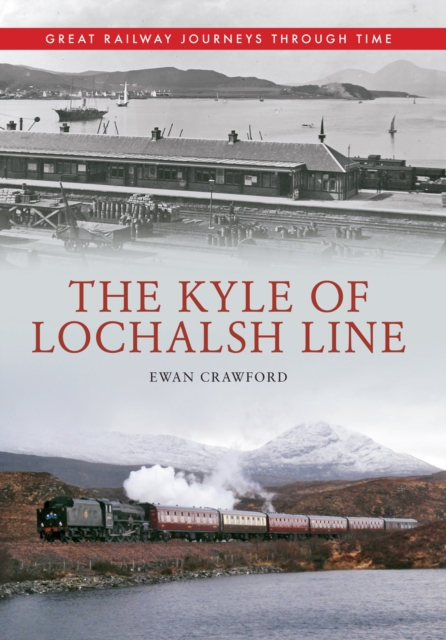
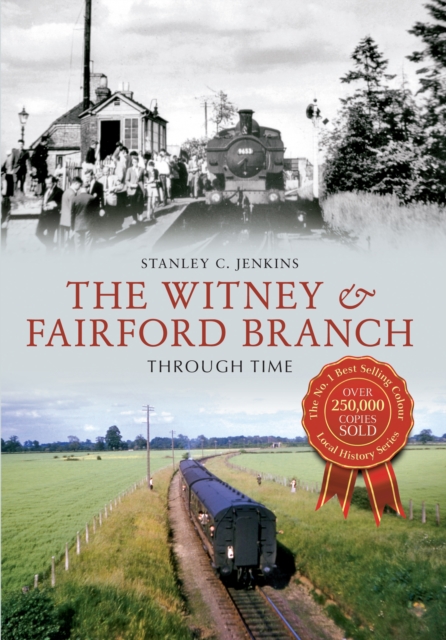
The Kyle of Lochalsh Line was opened in 1870 to connect the ferry terminus at Stromeferry on Scotland's west coast with Dingwall and Inverness on the east coast.
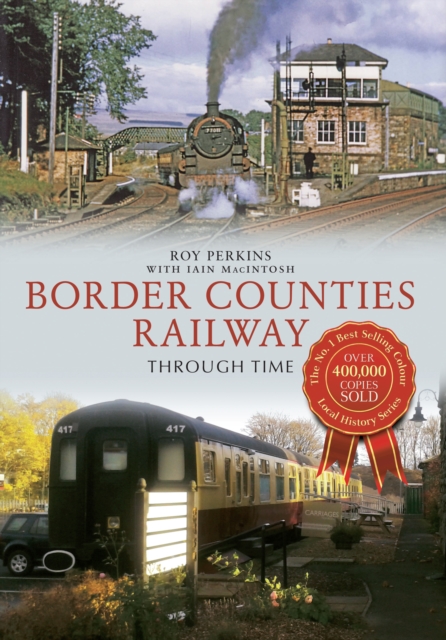
The Border Counties Railway ran from the old railway village of Riccarton Junction on the Waverley Route across the Border and through Northumberland to Hexham.
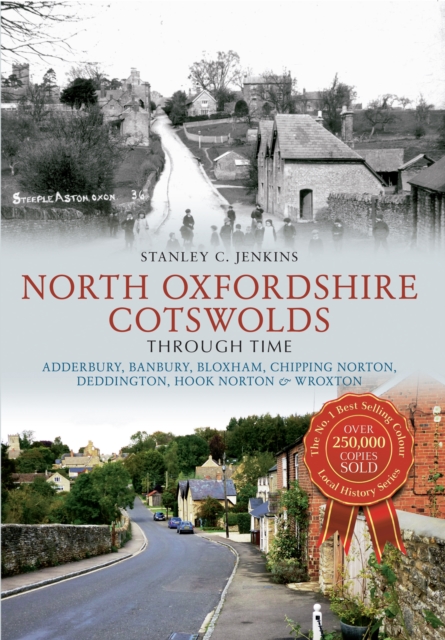
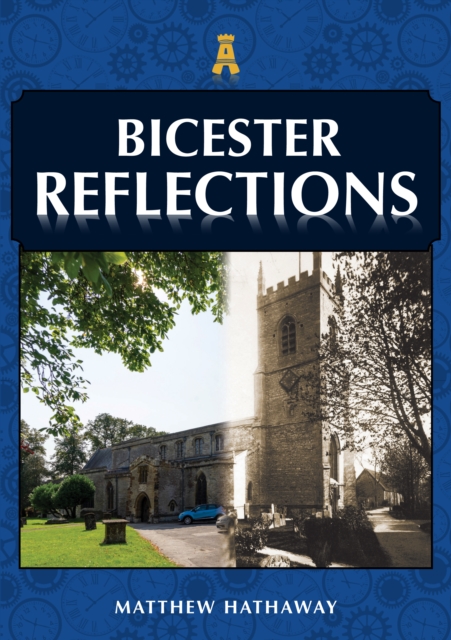
The area defined as the 'North Oxfordshire Cotswolds' extends from Wychwood Forest in the south to the Gloucestershire and Northamptonshire borders in the north.
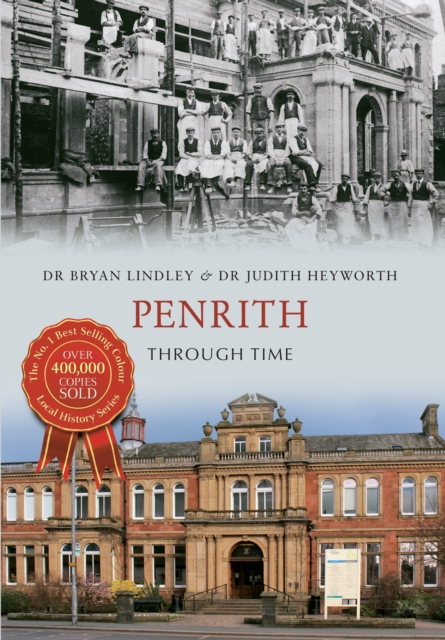
Penrith, a small, but characterful and historic market town, was known as Epiacum during the Roman occupation, significant through lead and silver mining.
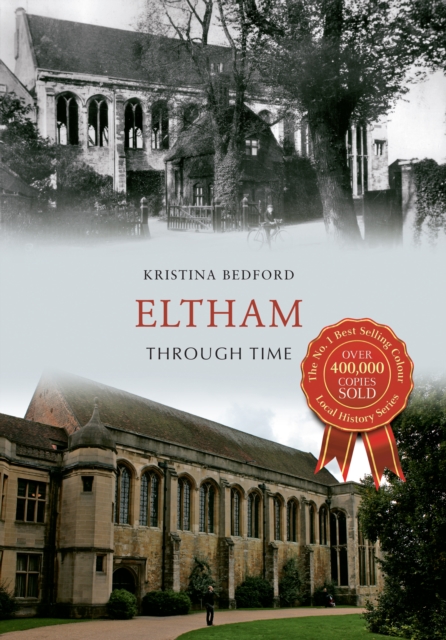
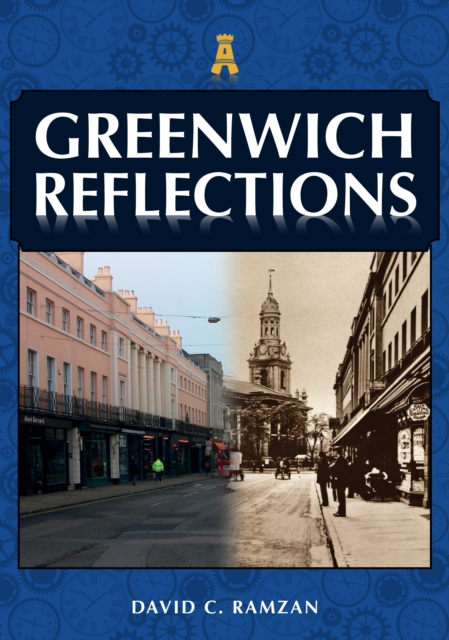
Eltham, long a little-known jewel in Greater London's crown, has welcomed growing numbers of tourists since Greenwich was appointed a Royal Borough at the Diamond Jubilee, 'in recognition of the historically close links forged between Greenwich and our Royal Family, from the Middle Ages to the present day'.
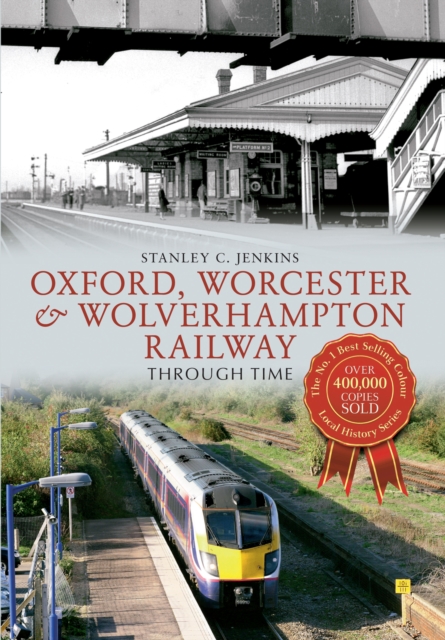
The Oxford, Worcester & Wolverhampton Railway originated during the 'Railway Mania' years of the mid-1840s, when ambitious landowners and industrialists conceived the idea of a main line link between London and the West Midlands industrial areas.
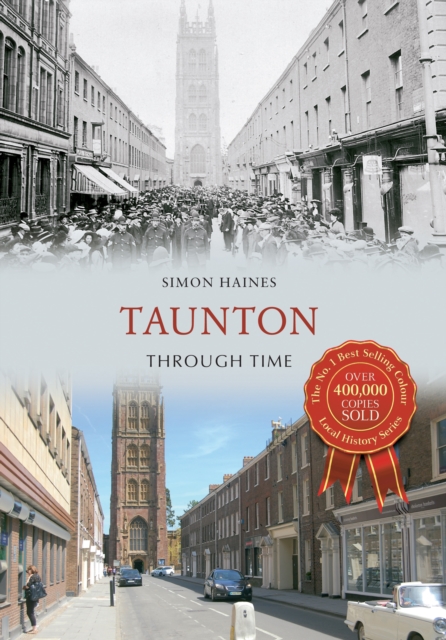
Taunton is the largest town in the county of Somerset and boasts a rich and fascinating history that can be archaeologically traced back to the Bronze and Iron Ages.
Pembroke, which gave its name to the present County of Pembrokeshire, is a medieval walled town complete with a magnificent castle dating back to the eleventh century.
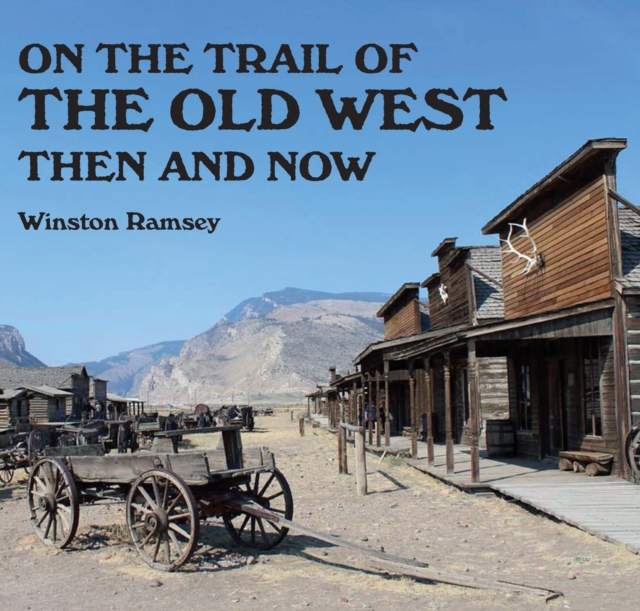
The Old West may have faded from living memory but the actual locations where the robberies and shoot-outs took place can still be found over one hundred years later.
The Old West may have faded from living memory but the actual locations where the robberies and shoot-outs took place can still be found over one hundred years later.
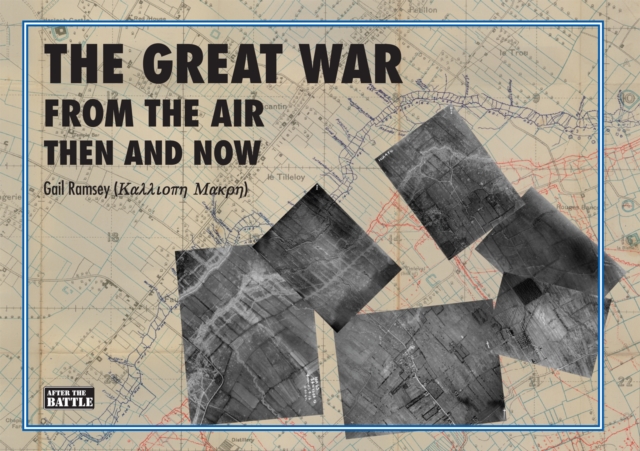
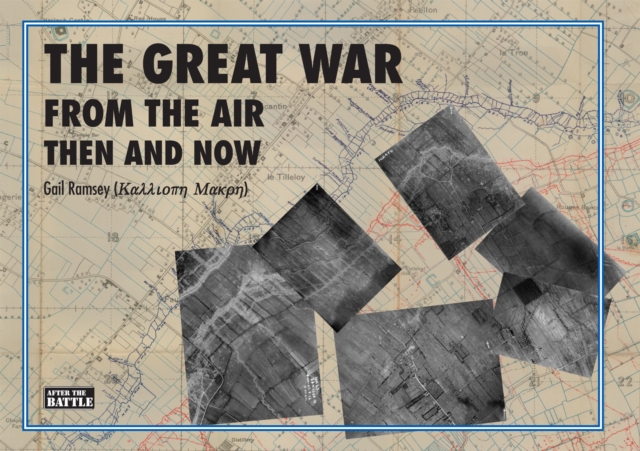
The war of 1914-1918 — the ‘Great War’ as it was called at the time — left great swathes of northern France and western Belgium almost totally destroyed.
The war of 1914-1918 — the ‘Great War’ as it was called at the time — left great swathes of northern France and western Belgium almost totally destroyed.
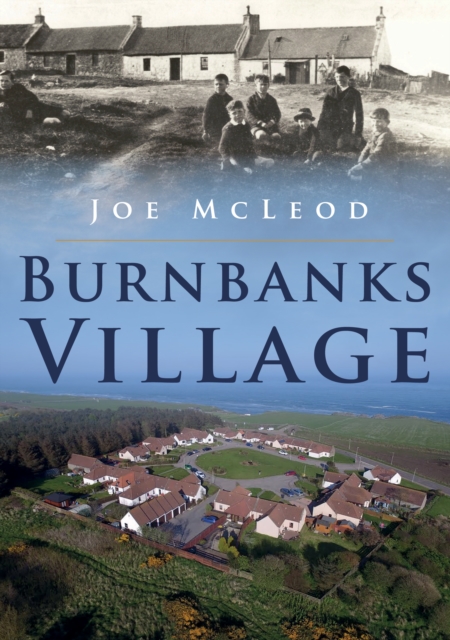
Burnbanks Village near Aberdeen has been in existence for over 200 years but from the 1950s onwards it lay in various states of dereliction and was finally abandoned in 1980, leaving roofless shells and shattered ruins.
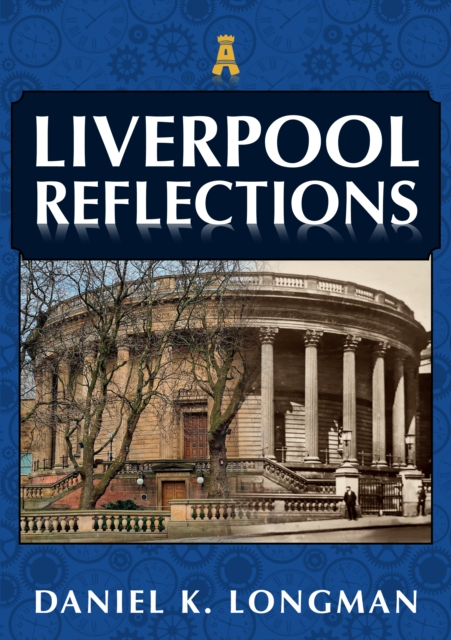
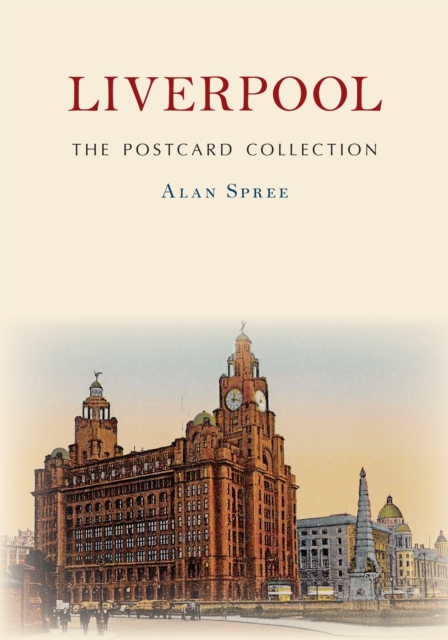
Although Liverpool's history goes back to the Middle Ages, the opening of the port to the Atlantic trade in the seventeenth and eighteenth centuries allowed it to grow rapidly.
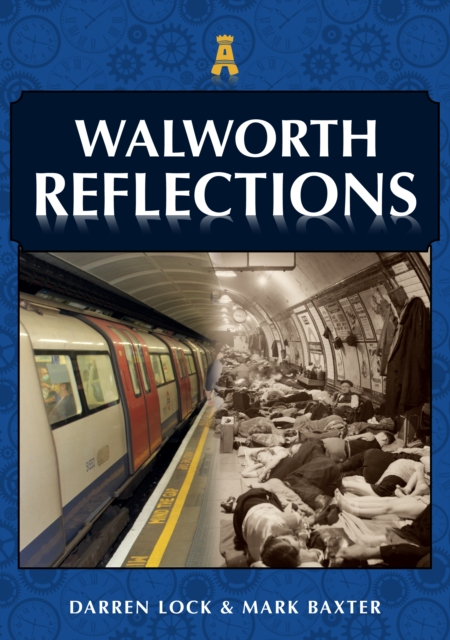
Walworth, in the London borough of Southwark, was mentioned in the Domesday Book and, over the centuries, this former rural, agricultural area has been engulfed by the expansion and urban sprawl of the capital city.
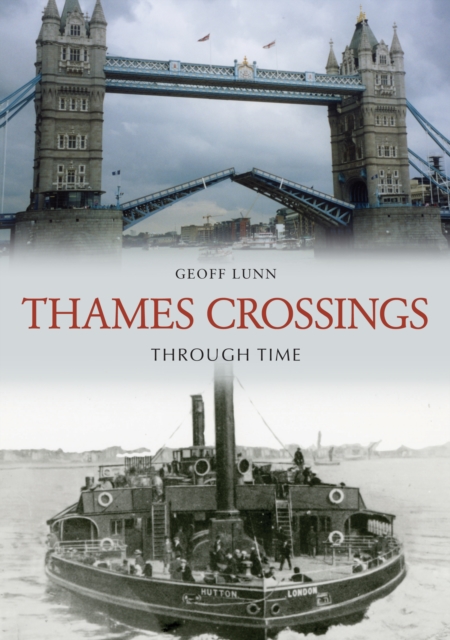
Amid peaceful countryside, past historic towns and through the heart of London, the River Thames flows in an easterly direction for some 346 kilometres from its source in Gloucestershire until entering the North Sea.
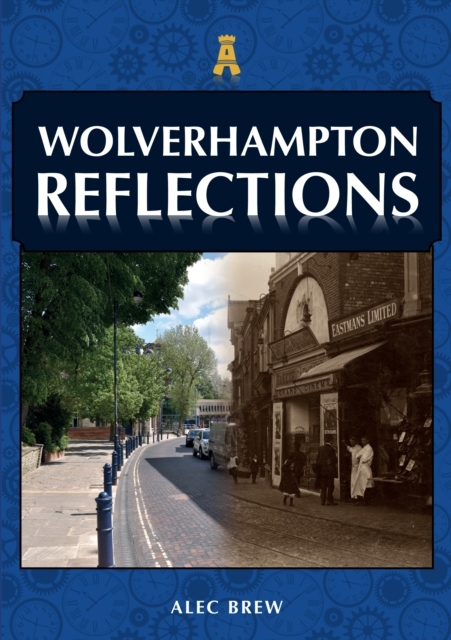
Wolverhampton was a Staffordshire market town in the Middle Ages but became a major industrial town during the Industrial Revolution, renowned for coal mining, metalworking and steel making.
Liverpool was a small port on the River Mersey in the medieval period, but started to grow rapidly in the eighteenth century, benefitting from the expanding transatlantic trade.
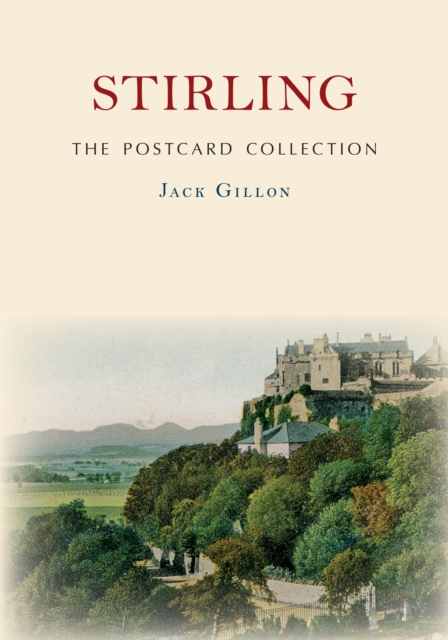
Having been granted city status during the Golden Jubilee celebrations in 2002, Stirling is Scotland's smallest city, but has an enthralling wealth of architectural and historic heritage that would be the envy of much larger places in the country.
Greenwich was home to a royal palace from medieval times and was a particular favourite of the Tudor monarchs, and the Royal Observatory was built in Greenwich Park in the reign of Charles II.