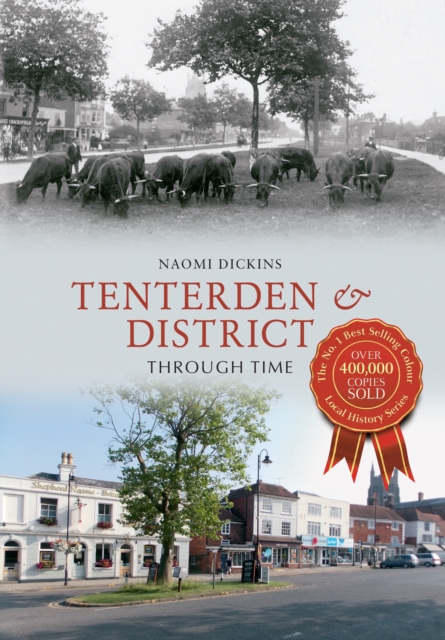
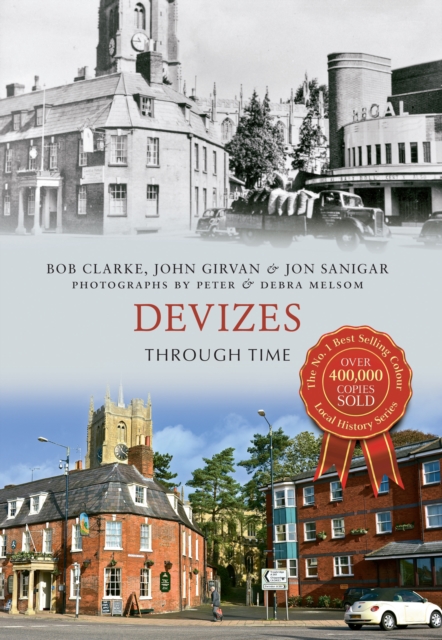
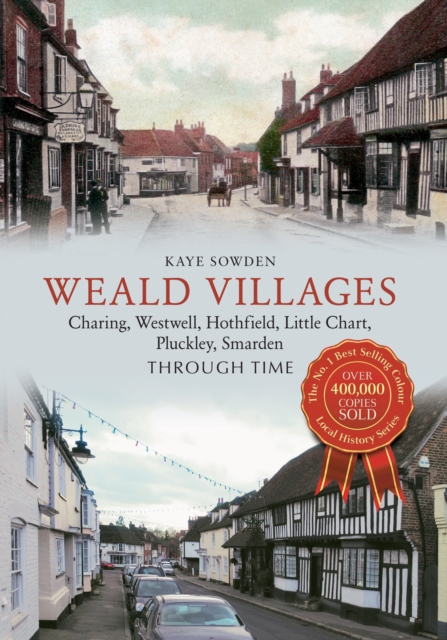
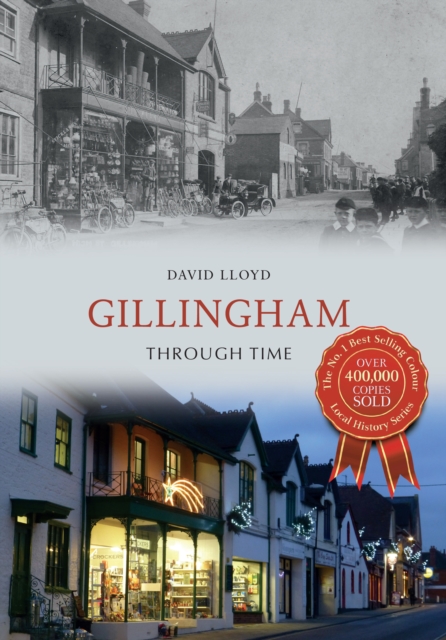
From its origins as a clearing in the Wealden forest, the Saxon settlement of 'Tenet-warre-den' rose to a position of prominence with the fourteenth-century burgeoning of the English wool trade.
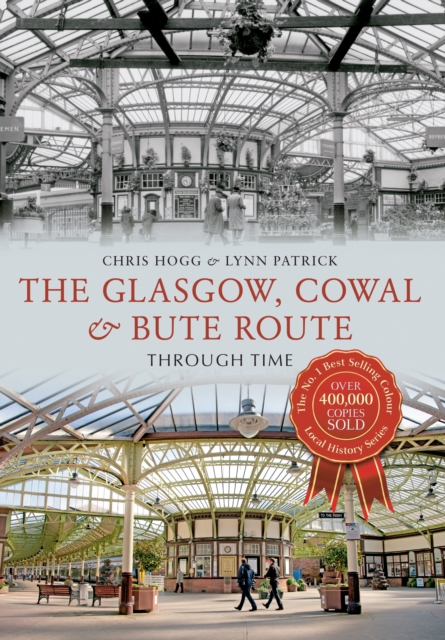
The Glasgow, Cowal & Bute Route follows the development of the railways on the southern shores of the River Clyde, describing their influence on life in the towns and resorts of the river and Firth.
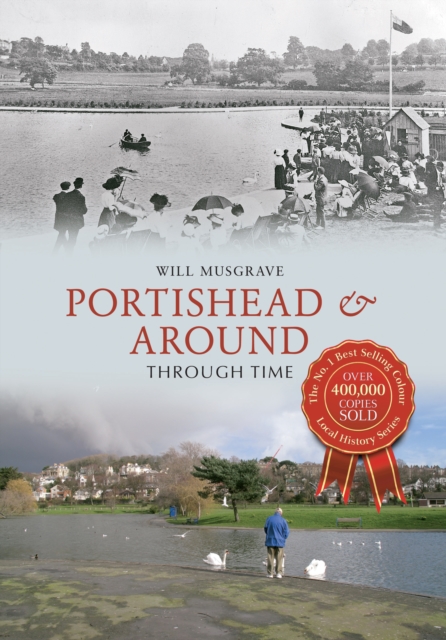
North Somerset has seen great changes in the last two centuries, and this evocative collection of old and new photographs shows how three of the county's communities, Portishead, Pill and Long Ashton, have altered and grown through time.
An ancient Celtic settlement, Wigan stands on the River Douglas with its face to the Pennine foothills, 8 miles south-west of Bolton and 20 miles from the South Lancashire coast.
Gloucestershire Airport is at the heart of an important British aviation community where legendary aircraft such as the Gladiator, the E28/39, the first British jet fighter, the Meteor and the delta-wing Javelin all-weather fighter, were created by the Gloster Aircraft Company.
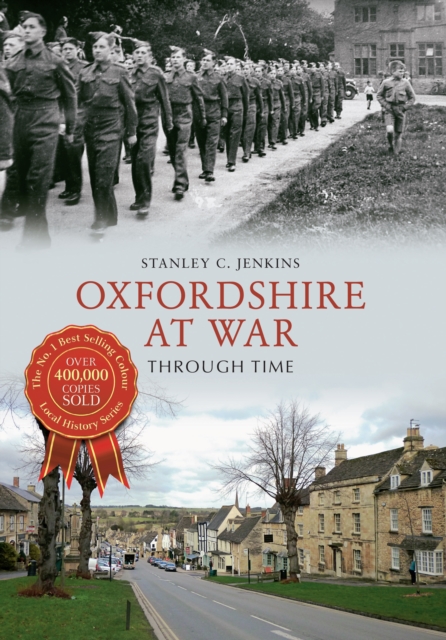
Oxfordshire has been involved with warfare throughout its history, ranging from Dark Age conflicts and the Viking Wars of the ninth and tenth centuries, to the cataclysmic conflicts of the twentieth century.
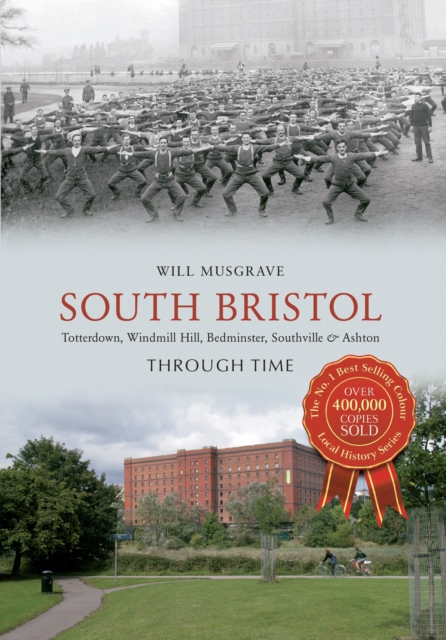
Once a sleepy rural community bordering the fields of North Somerset, the ancient Royal Manor of Bedminster spread along the banks of the River Avon, south of the City of Bristol.
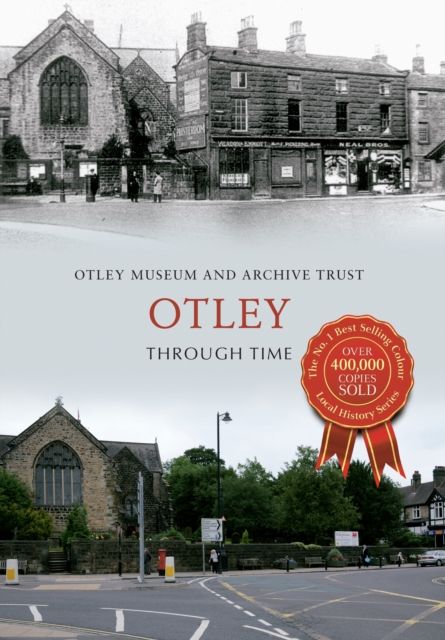
From its beginnings as an Anglo-Saxon settlement, through its development as an agricultural centre with all its related trades and services, the market town of Otley has seen many changes.
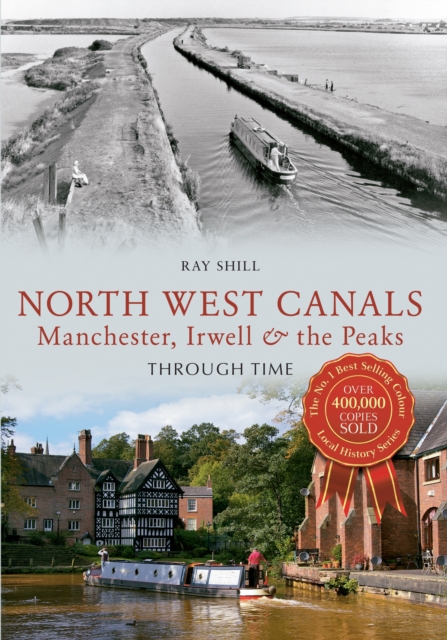
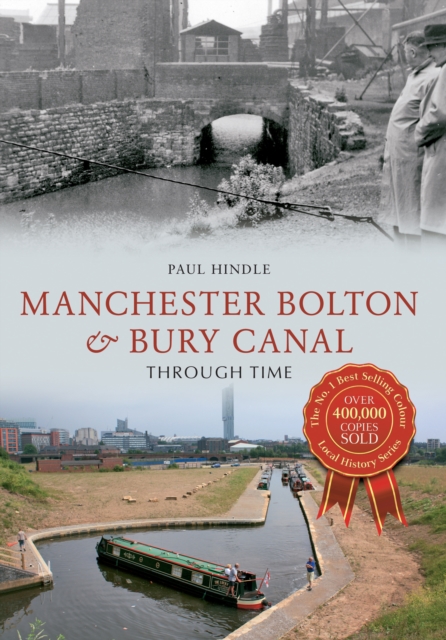
The history of the canals and waterways of North West England, including the Ashton Canal, Peak Forest Canal, Rochdale Canal, Huddersfield Canals, Manchester Bolton & Bury Canal and River Ribble, is traced through old and modern colour photographs.
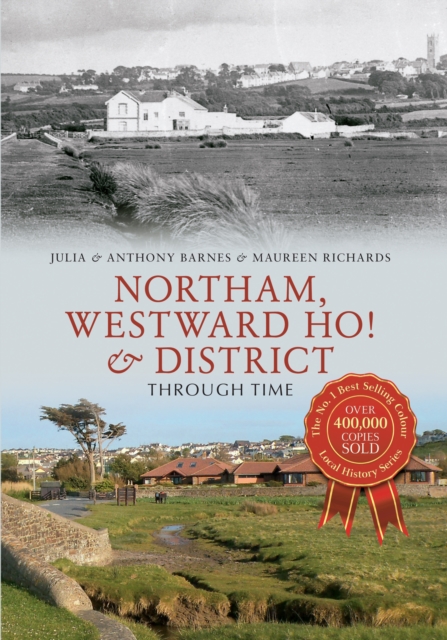
The Manor of Northam dates back to the Norman invasion and is well recorded in the Domesday Book, being part of lands owned by a Saxon Lord called Bristric, and this appears to be the first recorded evidence of what was in the area.
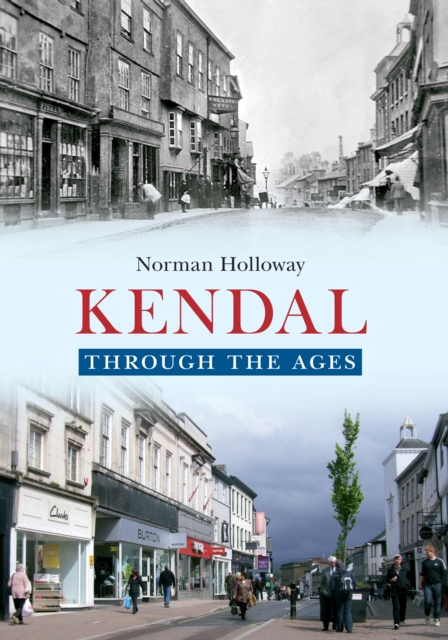
In this follow up to the highly successful Kendal Through Time, author Norman Holloway showcases the town's countless attractions, using a mixture of old and new images to awaken fond memories in those who know and love this historic town.
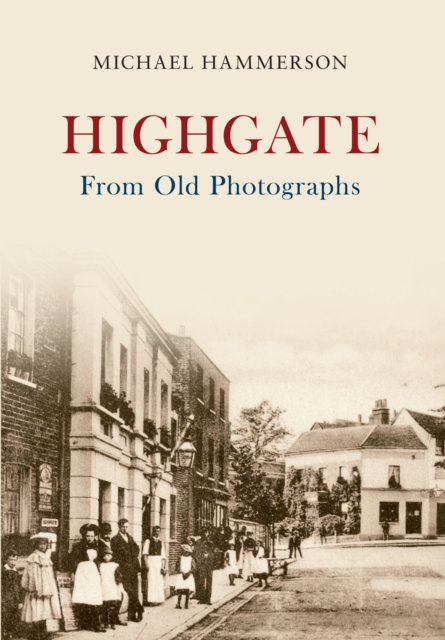
The London suburb of Highgate is still noted for its beautiful eighteenth- and nineteenth century architecture, its real village atmosphere, its old pubs and pretty residential areas.
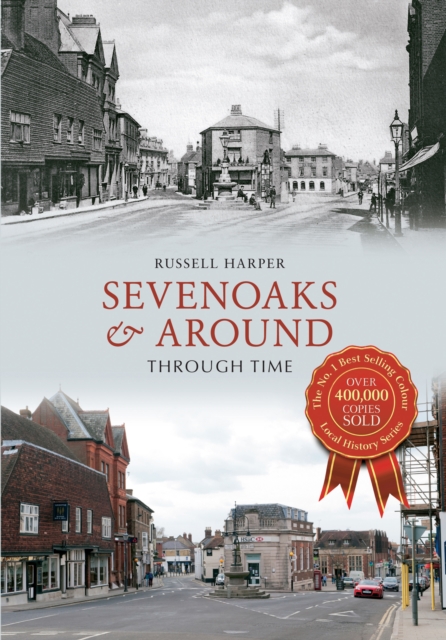
What the historian Sir John Dunlop, writing in 1964, called 'The Pleasant Town of Sevenoaks' has come a long way since it was established as a small market town in Saxon times.
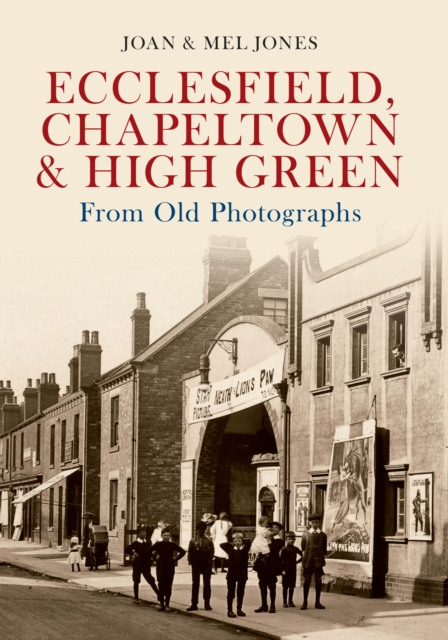
Now part of an almost continuous suburban built-up area on the northern fringes of the City of Sheffield, Ecclesfield, Chapeltown and High Green were for centuries three distinct communities.
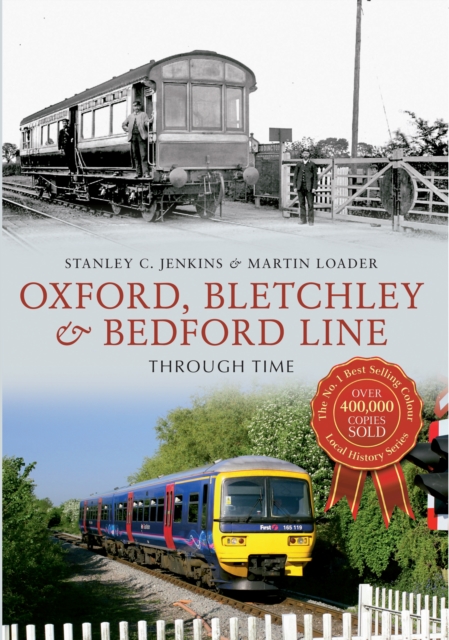
Although, in pre-Grouping days, Oxfordshire was primarily Great Western territory, the county was also served by the Buckinghamshire branch of the London & North Western Railway, which was in many ways a 'foreign' intruder.
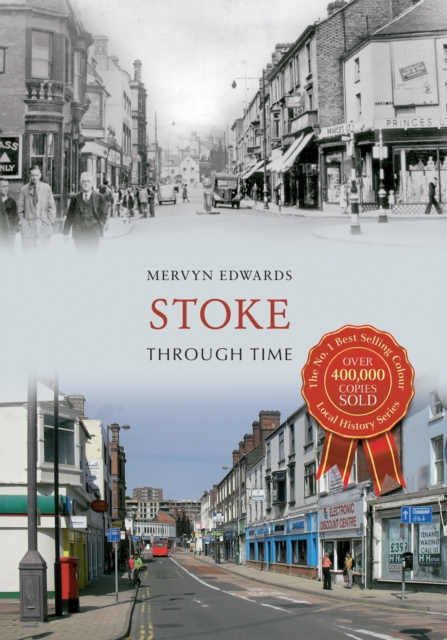
Stoke-upon-Trent, described as a village in 1795, grew rapidly from the 1820s and 1830s, by which time a new Anglican church had been built as well as new streets.
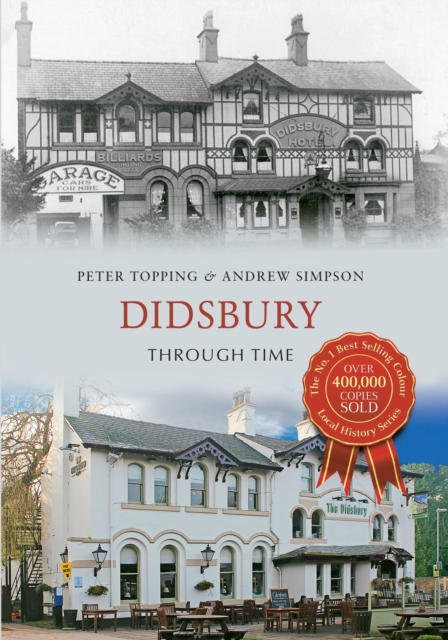
There have been some fine histories of Didsbury compiled over the last 150 years since the publication of A History of the Chapels of Didsbury & Chorlton by Revd John Booker in 1859.
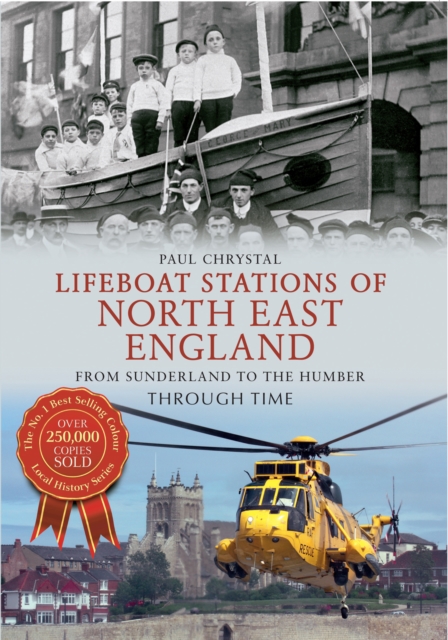
This is the first book to be published that takes a 'then and now' view of the fourteen lifeboat stations on the north east coast between Sunderland and the Humber estuary.
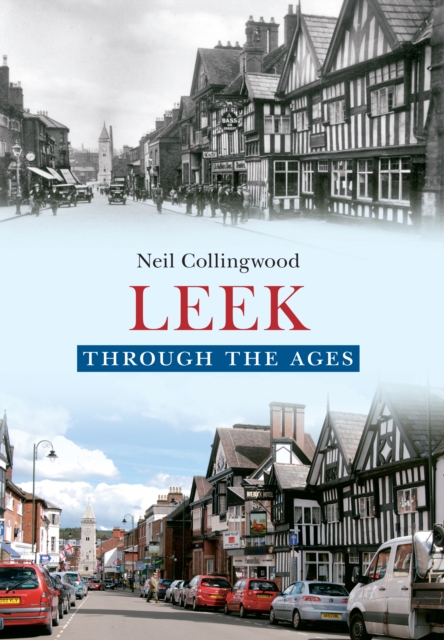
Leek, nestled at the foot of the Pennines in North Staffordshire, is a small, quiet market town rich in history and still boasting a wealth of architectural gems scattered throughout its narrow streets.