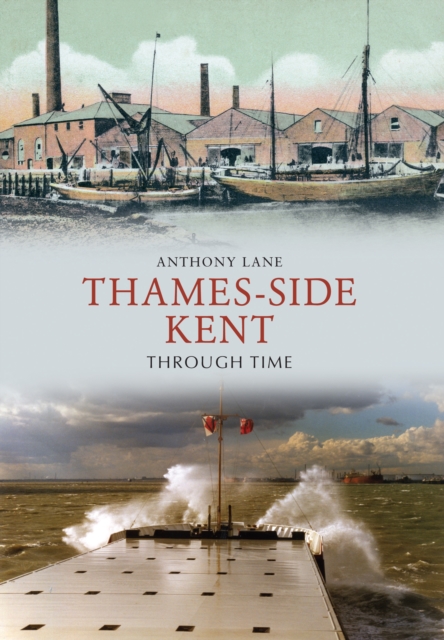
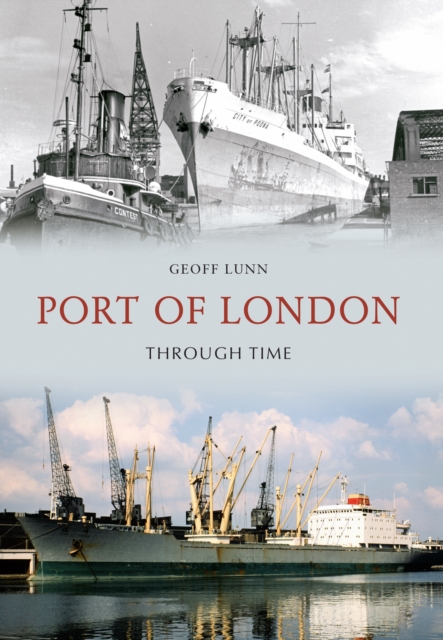
Commencing at the Nore, Thames-side Kent follows the course of a ship inward bound, presenting a nostalgic study of the southern bank of the River Thames as far as the county of Kent extends, the mouth of the River Darenth, also known as Dartford Creek.
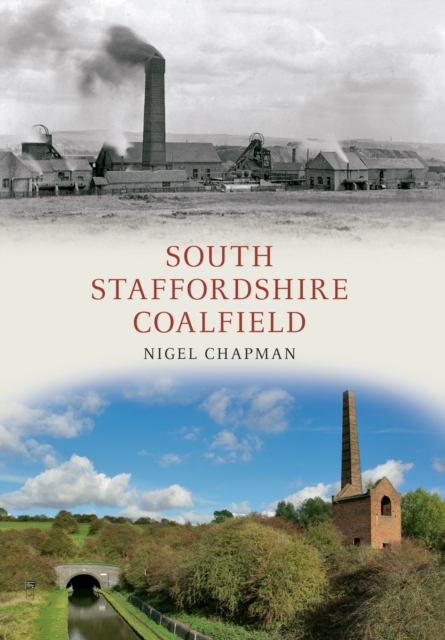
Reading some of the descriptions of the Black Country in the nineteenth century, one could be forgiven for believing the area stood at the gates of Hell.
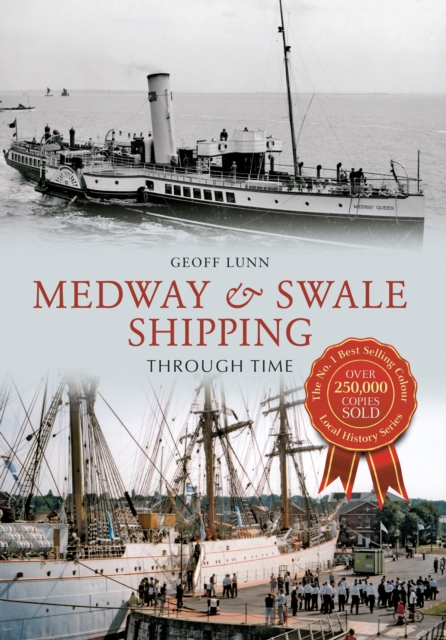
From Whitstable, with its oyster beds and fishing fleet, to Chatham and Rochester, the Medway and Swale areas have seen a diverse variety of shipping over the years, from the fishing smacks to men of war, Thames barges, sailing vessels, submarines, pleasure steamers, ferries and cargo ships.
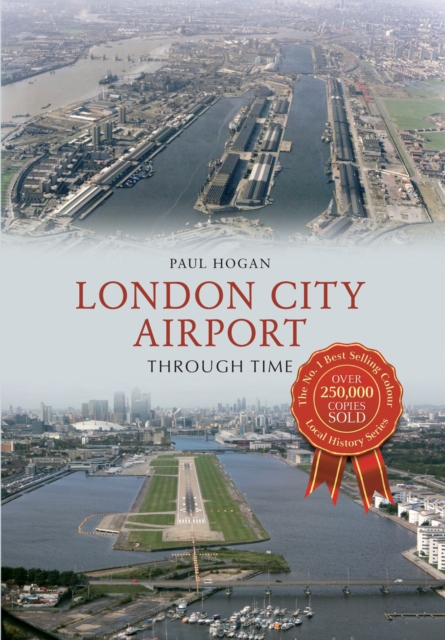
London City Airport was first conceived as part of the regeneration of the London Docklands at the start of the 1980s, a pilot landing on Heron Quays to prove it could be done.
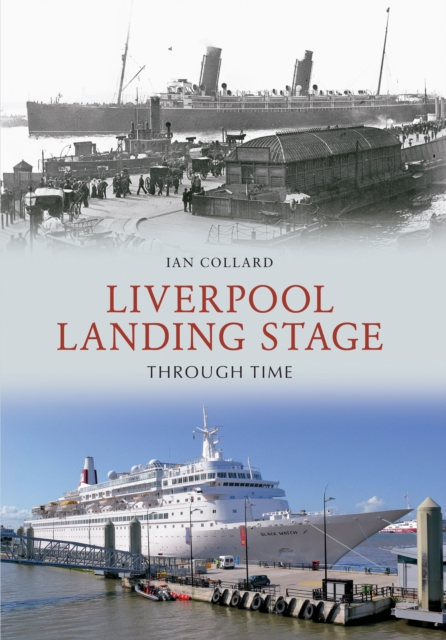
The Pier Head and landing stages have been places where the people of Liverpool have been able to view, participate in and enjoy many of the major maritime celebrations and events of the last hundred years.
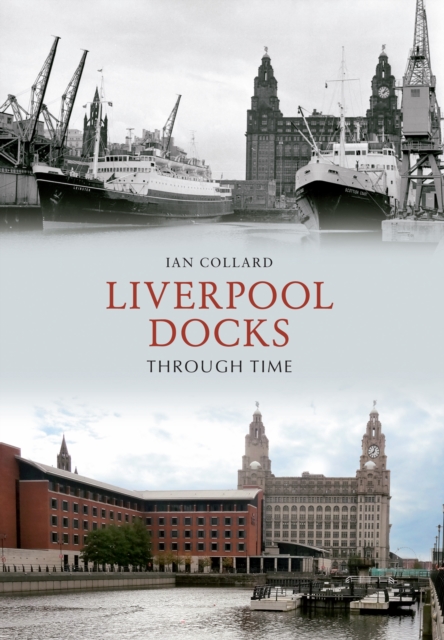
The Port of Liverpool handles more container trade with the United States than any other port in the UK and now also serves more than 100 other non-EU destinations, from China to Africa and the Middle East, and from Australia to South America.
Although Liverpool has existed as a port since the thirteenth century, it wasn't until the seventeenth century that it truly began to grow on the profits of trade with America, importing sugar from the West Indies and Virginia tobacco and exporting textiles from Lancashire.
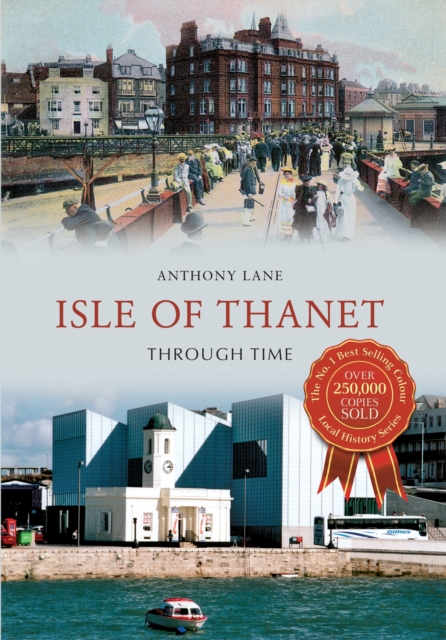
Dependent originally on fishing and farming, Margate and Ramsgate benefited as limbs of the Cinque Ports during the Middle Ages, shipping grain to London and elsewhere.
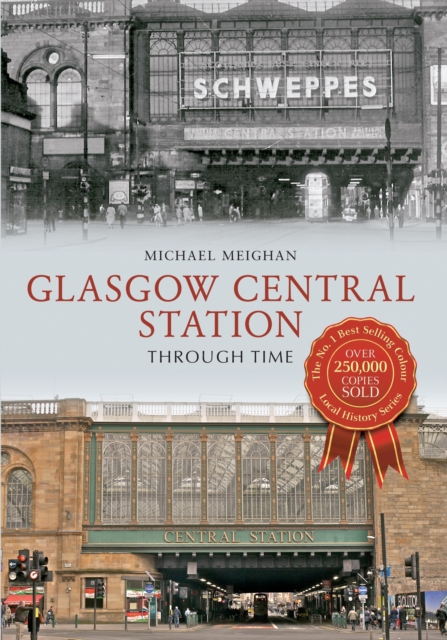
Originally opened in August 1879, Central Station became a Glasgow landmark and one of Scotland's great buildings following a rebuild between 1901 and 1905 supervised by Caledonian Railway chief engineer Donald Matheson.
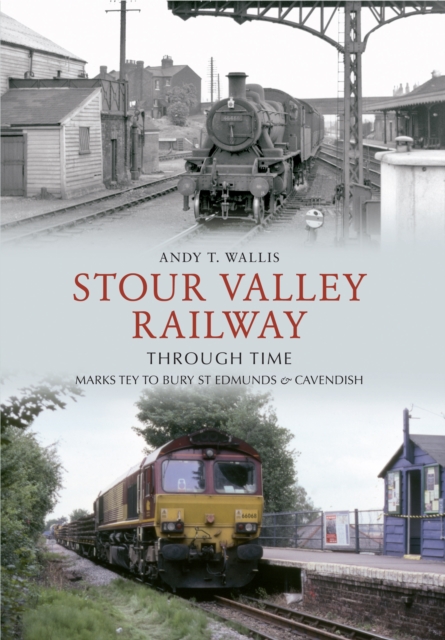
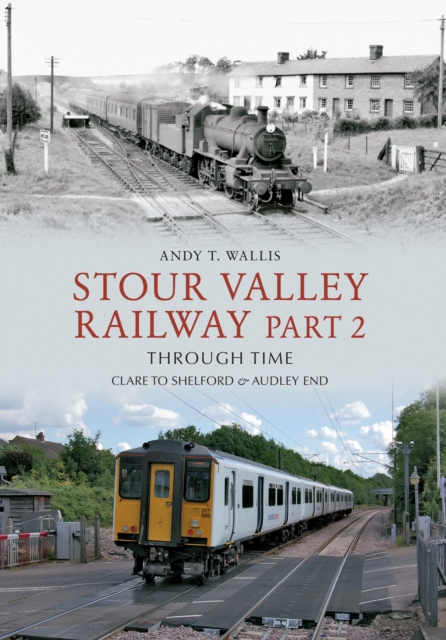
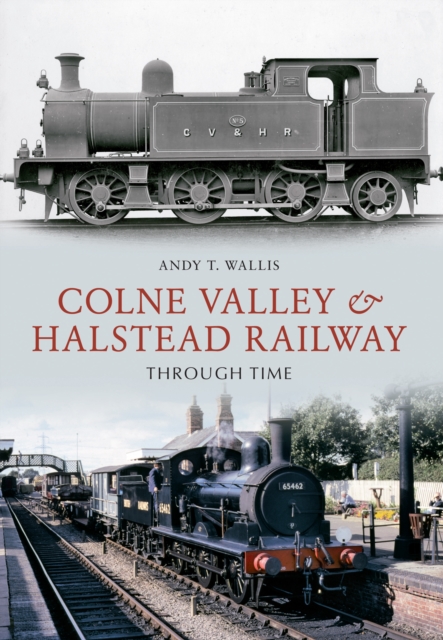
This book takes an in-depth look at the small independent railway that was financed and built by the good citizens of Halstead and its surrounding villages in Essex.
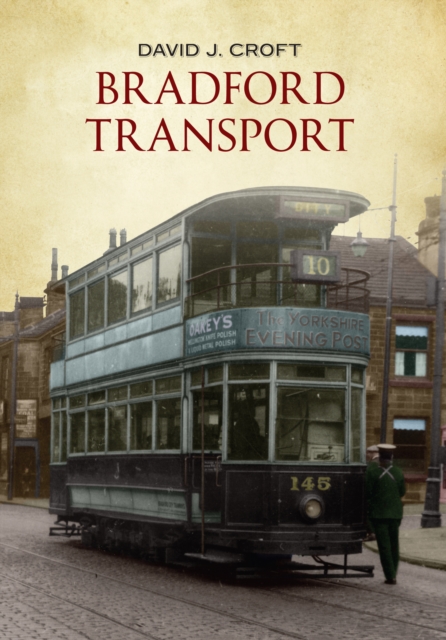
Organised transport services commenced in Bradford in 1882 and since then the streets have witnessed the passage of horse trams, steam trams, electric trams, trolleybuses and motor buses.
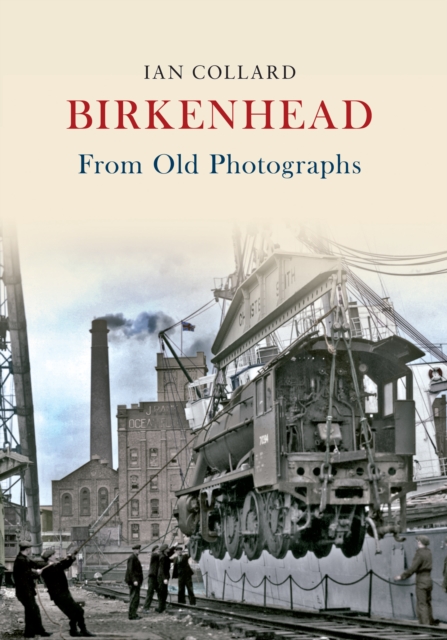
Birkenhead From Old Photographs offers a captivating glimpse into the history of Birkenhead, providing the reader with a visual representation of the town's intriguing and chequered history.
Gillingham was once an independent and separate borough with its own character and personality, but in 1998 it lost this separate identity when it joined Chatham, Rochester and Strood to become part of the unitary authority of Medway Council.
The history of Glasgow Airport goes back to 1932, when the present site at Abbotsinch was opened and then occupied by 602 (City of Glasgow) Squadron in early 1933.
Brighton's first suburb, London Road, was for its first century almost entirely domestic in character and the haunt of the genteel middle classes, whose gardens were praised by the Loudons.
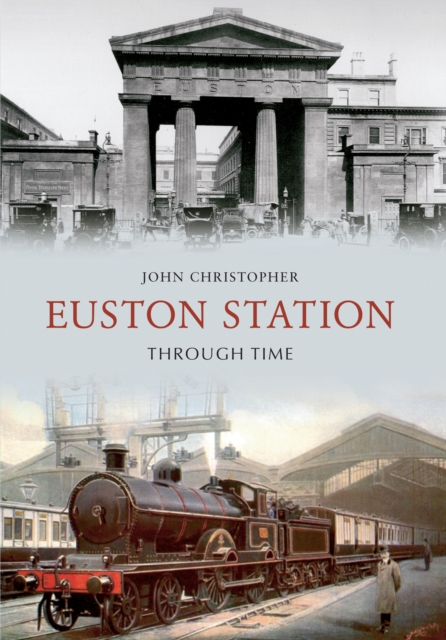
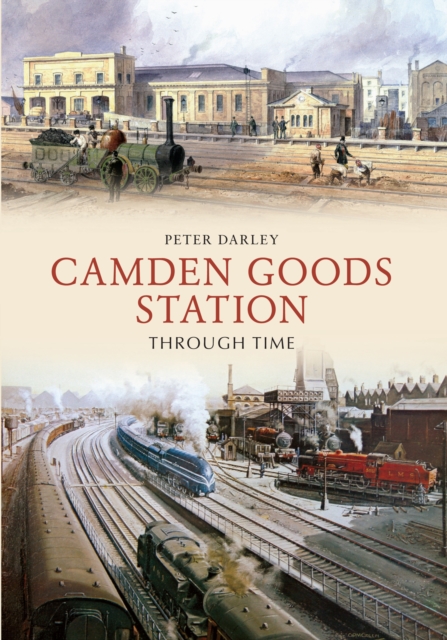
The London & Birmingham Railway was the major project of its day, designed by Robert Stephenson, one of the great railway pioneers, who also supervised its construction and its opening in 1837.