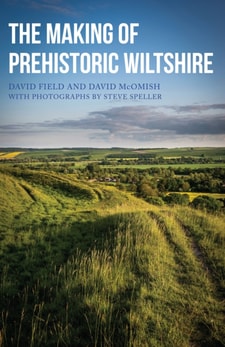
Well known for its World Heritage Sites of Stonehenge and Avebury, the prehistoric monuments of Wiltshire have long provided a focus of attention for archaeologists and visitors alike.
Newcastle in the Headlines tells the story of this great and vibrant city as seen through the stories and photographs from the renowned Chronicle, Journal and Sunday Sun newspapers.
Bucknall to Cellarhead Through Time follows a short stretch of the A52 from the ancient village of Bucknall, at the edge of the Stoke-on-Trent conurbation, to Cellarhead in the Staffordshire Moorlands.
Hartlepool's history is steeped shipbuilding, steel-making and fishing the sea; West Hartlepool and 'old' Hartlepool are the two towns which grew up to foster these industries in the nineteenth and twentieth centuries.
This attractive London suburb is known from many references in popular culture, frequent appearances on film and television and, of course, as the starting point of the Oxford & Cambridge Boat Race.
Oxford is known throughout the world as a great centre of history and learning, with hundreds of thousands of visitors coming every year to soak up the atmosphere of its colleges, museums, medieval streets and beautiful green spaces along the Thames and Cherwell rivers.
Featuring rare and historic photographs, this book takes a pictorial look at a lost world of Edwardian streets, shops, cinemas and canals in West London's Paddington.
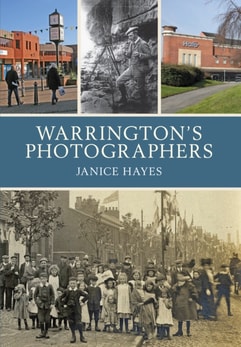
This fascinating volume is drawn from the extensive archives of Warrington Museum which was created in 1848 only nine years after the birth of this new medium.
The objects of our ancestors can tell us a lot about the past, from what was happening with the economy and changes in fashion to where people traded, lived and worked.
Old photographs allow us to relive the past and the lives of the people in it, and through 162 superbly preserved images Gateshead From Old Photographs provides a spectacular insight to the lives of those who lived in this popular north-east town.
Middlesbrough may have only been a hamlet in the early nineteenth century, but that all changed with the arrival of the Stockton & Darlington Railway, which led to the former farmstead soon becoming a cauldron of industrial activity.
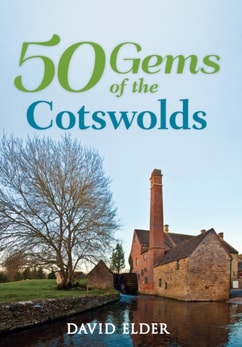
To many, the Cotswolds epitomise rural England at its best, conjuring up images of tranquil stone-built villages nestling beneath gently rolling hills or tucked away in evergreen secluded valleys.
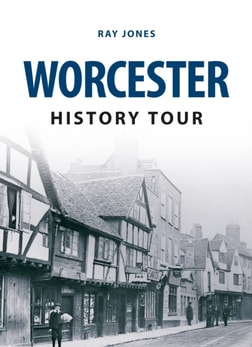
Worcester History Tour takes the reader on a journey through the town of Worcester, which became the focus of manufacturing success with the establishment of its numerous porcelain works.
Falkirk's strategic location, midway between Edinburgh and Glasgow at the crossroads of lowland Scotland, has been the main influence on the town's development and has contributed to its key role in Scotland's history.
Wakefield city centre has undergone a complete makeover during the twentieth century, something that still continues today as it tries to come to terms with modern building regulations, commercial and consumer needs, and the requirements of the motorist.
Hereford History Tour takes the reader on an exciting journey through the city's long history, which began with the establishment of the Saxon St Guthlac's monastery on the site of what is now Castle Green.
In its early years Kendal was well known for wool and cloth making, hence the motto on the town coat of arms 'Pannus Mihi Panis', which translates as 'Wool Is My Bread'.
From its origins as one of the foremost centres of learning in Christendom to its industrial triumph as the 'largest shipbuilding town in the world', Sunderland has a rich and varied history.
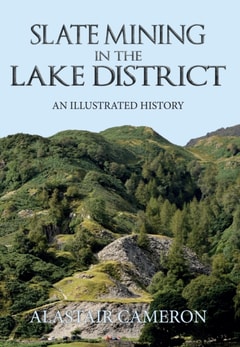
The remnants of slate mining and quarrying form as much a part of the Lakeland historic landscape as the stone walls, heathered moorlands and Lakeland farms do.