The 1950s proved to be a period of great change in South Shields, when residents were beginning to put their lives back together after the Second World War.
The historic walled city of York is home to a community rich in history, ambition and achievement, and has seen countless visitors, pilgrims and merchants walk its winding medieval streets over the centuries.
The Anglo-Saxon town of Preston, whose name comes from the Old English for 'priest settlement', boasts evidence of even earlier Roman activity, such as the Roman road that led to Walton-le-Dale.
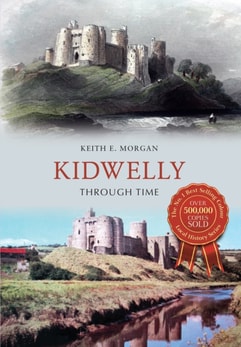
The ancient town of Kidwelly grew up around its thirteenth-century Norman castle, eventually expanding further during the Industrial Revolution that spread throughout South Wales.
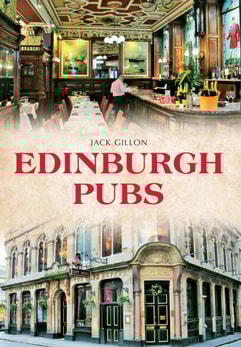
The teeming nature of life in eighteenth-century Edinburgh elevated the Old Town's taverns to a critical role in the city's social life, and there was 'no superabundance of sobriety in the town'.
Whitby is a beautiful fishing town on the North Yorkshire coast, best known for its fish and chip restaurants and its connections with the world's most famous vampire - Dracula.
Cardiff has an incredibly rich history, from its foundation as a Roman fort through its Norman occupation to its establishment as a county town following the Act of Union with England.
This classic guide examines in detail the vast landscape and the intricate history of Norfolk, from the Norfolk Broads to the winding alleys of Norwich.
This classic guide examines in detail the urban landscape and the rich history of London, from Bethnal Green to the contents of the Natural History Museum.
With emerging archaeological evidence pointing to its origins being as far back as the 'lost' centuries after the Roman era, Hitchin has a long and fascinating history.
When the author first moved to Southampton from Middlesex in 1985, he thought it was rather like a provincial town in comparison to London and its outer suburbs.
St Austell History Tour takes the reader on a journey through the Cornish town of St Austell, which became the focus of mining prosperity from the Polgooth tin mine era in the eighteenth century.
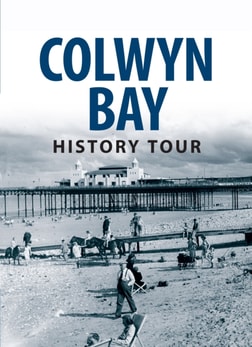
A new town established in the 1800s, Colwyn Bay thrived with the coming of the railway, growing over the last century into one of the largest communities in North Wales.
For generations of Londoners, a trip to the seaside aboard a pleasure steamer such as the Royal Eagle, Golden Eagle or Royal Daffodil was the highlight of the year and these 'Poor Man's Liners' were part of childhood and family life for huge numbers of people.
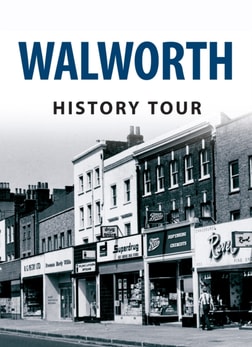
Described by the Anglo-Saxons as the 'Farm of Briton', the architecture of the Walworth now ranges from impressive eighteenth-century houses to more recent concrete tower blocks.
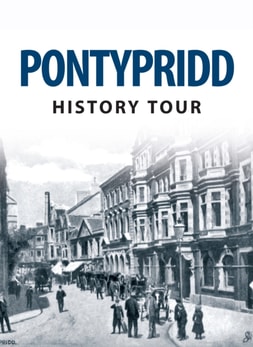
Pontypridd History Tour takes the reader on an exciting journey through this iconic market town, which sits at the gateway to three historic valleys of the South Wales coalfield.
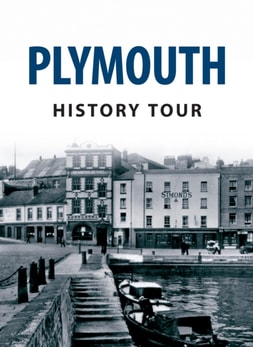
From the Barbican and the Hoe to the city centre and beyond, Derek Tait takes us on a tour of Plymouth, explaining the history behind the well-known landmarks of this fine city.
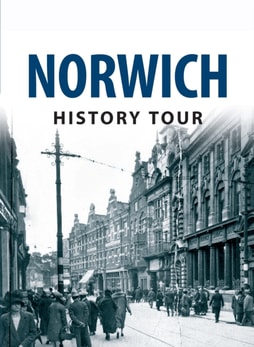
From Tombland to Carrow Road, Frank Meeres takes us on a tour of Norwich through the ages, explaining the history behind the well-known landmarks of this fine city.