Old Warden: Tales of Tenants & Squires traces the fascinating history of the village of Old Warden, its inhabitants and their relationship with the Ongley and Shuttleworth landowner families from the eighteenth century to the early twentieth century.
When you ask most people about Liverpool, you could be forgiven for thinking that the city is only famous for its maritime history, its two successful football teams or for being the birthplace of The Beatles - but there is so much more to this amazing city than meets the casual eye.
Rickmansworth, Croxley Green and Chorleywood Through Time takes the reader on a nostalgic journey back to an age when the pace of life was much slower and more tranquil than it is today.
During the 1,000-year history of Bury St Edmunds, the town has acquired a mix of unexpected, weird and wonderful examples of buildings and the people associated with them.
Herne Bay rose to prominence in the 1830s when a group of London investors recognised its potential and built a pleasure pier and promenade here, making it one of the UK's earliest seaside resorts.
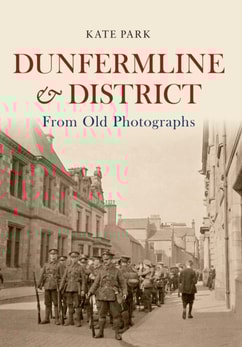
The ancient town of Dunfermline is one of the oldest settlements in Scotland and, from the eleventh to the seventeenth century, it was the residence of royalty and the final resting place for many of Scotland's Kings and Queens.
The Highlands and Islands today are a magnet for tourists from all over the world, but go back a few hundred years and it was a very different picture.
The Great War (1914-1918), later known as the First World War, brought together the major European countries and their empires into the world's greatest conflict so far seen.
Barnsley, Rotherham and Worksop sit on top of the Midland coalfield, stretching from Nottingham into Yorkshire and the mining industry in this area once supported tens of thousands of jobs in collieries dotted across the landscape.
Edinburgh's New Town, built between 1767 and 1850, is one of Europe's finest neoclassical neighbourhoods, a triumph of town planning, with UNESCO World Heritage status.
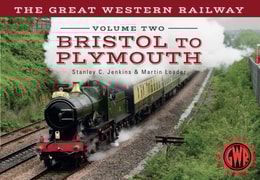
As authorised in 1835, the Great Western Railway extended from London to Bristol, but from the very earliest days, ambitious promoters were planning a whole series of extensions to destinations such as Birmingham, Wolverhampton, Cornwall and South Wales.
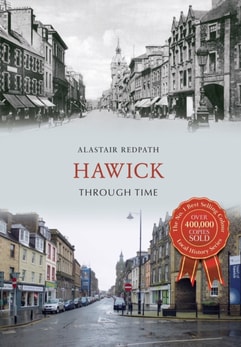
Nestled in the rolling Border hills, at the meeting of the River Teviot and Slitrig Water, Hawick is deserving of its title as 'Queen o' a' the Borders'.
Ind Coope & Samuel Allsopp Breweries: The History Of The Hand charts the fortunes of two Burton upon Trent brewing giants: Samuel Allsopp, founded in the town in 1742 by Benjamin Wilson (Senior) and Ind Coope, who expanded to Burton upon Trent from Romford in 1856.
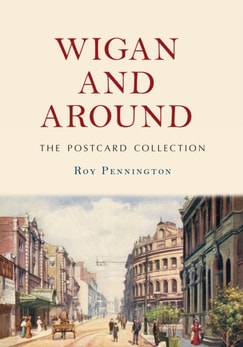
Wigan grew rapidly during the nineteenth century as a major cotton mill town and centre for coal mining, aided by the construction of the Leeds and Liverpool Canal which passed through the town.
One of the remnants of the great lost estates of the United Kingdom, Cassiobury Park is now the largest park in Hertfordshire, and the principal park of its primary town, Watford, covering an area twice the size of Hyde Park in London.