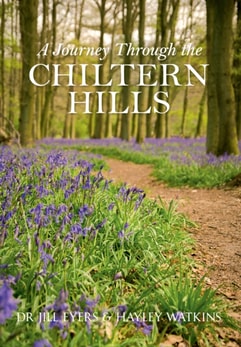
With rolling green hills and extensive woodlands, it's easy to see why the Chiltern Hills are one of the most beautiful and well visited of all England's natural wonders.
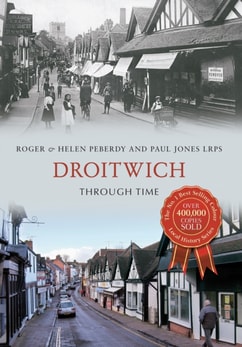
For more than 4,000 years, Droitwich based its existence on the unique, natural subterranean resource of Droitwich brine, one of the purest and most concentrated, naturally occurring solutions of salt in the world.
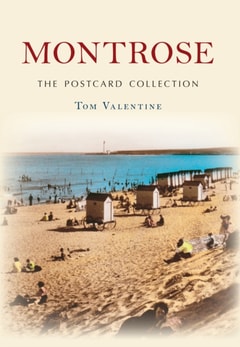
The picturesque market town of Montrose, located on the windswept coast of Angus between Dundee and Aberdeen, offers all the charm of a seaside resort alongside a range of impressive buildings.
Nearly doubling its population over the last twenty-five years, and with more growth still expected, Didcot has both a bright future and an interesting past.
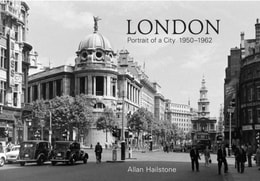
With over 120 unique images of people and places in London in the fifties and sixties, London: Portrait of a City 1950-1962 paints a picture of England's multifaceted capital in a decade of great change and development.
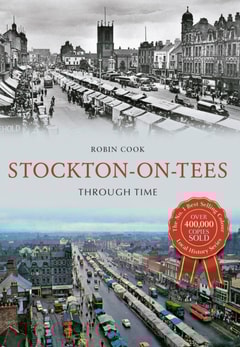
The market town of Stockton-on-Tees, or 'Stockton' as it is known locally, began life as an Anglo-Saxon settlement on the northern bank of the River Tees.
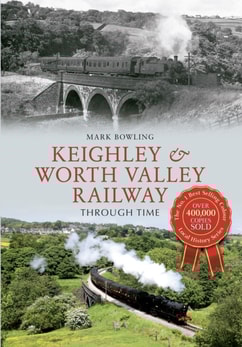
The Keighley & Worth Valley Railway is perhaps best known for its role in the 1970s film The Railway Children, based on Edith Nesbit's much-loved book.
East Lothian, previously known as Haddingtonshire, has both benefitted and suffered from its strategic location between Scotland's capital city and England's northernmost county.
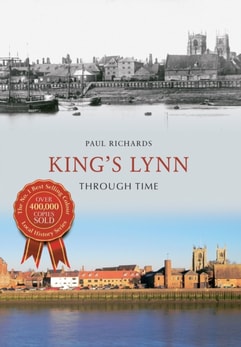
As important in the Middle Ages as Liverpool was to become in the Industrial Revolution, Lynn (as in local parlance) was a major English port and market town for centuries, with access to ten counties through the Great Ouse and its tributaries.
Stretching from the Ribble Estuary to the River Kent, the Lancashire coast provides both spectacular views and glimpses of the county's industrial heritage.
From the murderous cannibalism of Sawney Bean to the bodysnatching exploits of Burke and Hare, Edinburgh has seen its fair share of ghoulish happenings over the years.
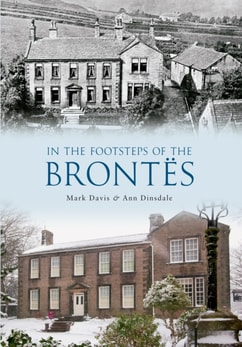
The lives and works of the celebrated Bronte family are so ingrained in our cultural psyche that we think we know them inside out - but walking in the footsteps of the literary greats and their characters offers a new perspective on their work.
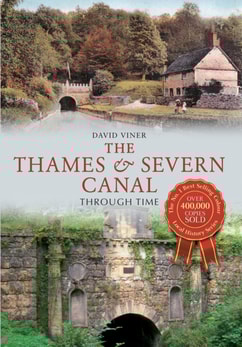
Crossing the Cotswolds and widely regarded as one of the most attractive locations for an historic canal, the Thames & Severn Canal is also one of the most interesting to trace and enjoy on the ground today.
Built between 1775 and 1779, the Stroudwater Navigation stretched from Framilode to Wallbridge in Stroud where it later connected with the Thames & Severn Canal to form a link between the River Severn and the River Thames.
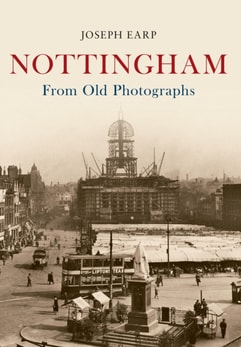
When an Anglo-Saxon chieftain named Snot settled in the area and built a wall around the town, he named it Snottingham, meaning homestead for his people.
This fascinating compilation of early Edinburgh photographs takes us on a tour of Scotland's historic capital city, but rather than picturing the historic scenes dating back to the 1850s in the traditional sepia and black and white monochrome, new realism is given here by reproducing the images in full colour.
For centuries, Sydenham was a small hamlet on the edge of a large tract of common land, known as Sydenham Common, in the parish of St Mary's, Lewisham.
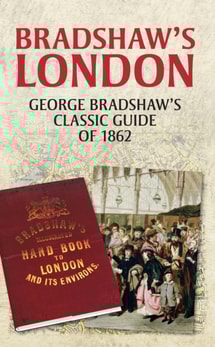
Famed for his railway hand-books - recently rediscovered through Michael Portillo's television series on the great railway journeys - George Bradshaw also produced this Hand Book to London, which was originally published in 1862.
Burton upon Trent Memories offers a nostalgic look back at the town's past through a selection of postcards, photographs, receipts and adverts from the author's own collection.
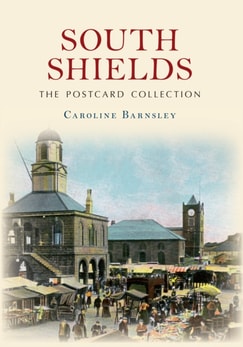
With its extensive beaches, breathtaking limestone cliff s and thriving local industries, South Shields has been a hub of activity since the time of the Romans.
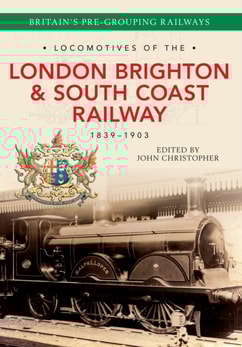
The London Brighton & South Coast Railway - also known as the 'Brighton Line' - was an important pre-grouping railway covering a triangular territory with London at its apex and the Sussex and Surrey coast at its base.
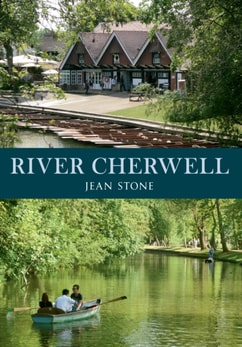
The River Cherwell carves its way through a broad, deep valley that runs north to south, starting a few miles above the market town of Banbury and continuing down as far as the university city of Oxford, bending and twisting, meeting up sometimes with the Oxford Canal and parting company again as they reach the city outskirts.
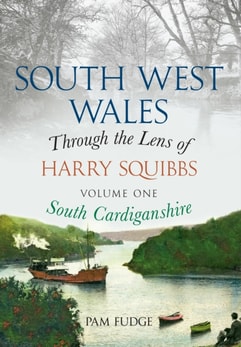
Nestled on Wales' west coast, Cardiganshire is a county of stunning natural beauty ranging from sandy beaches nestled in a picturesque landscape to views of imposing mountains to the north.
Great Railway Journeys: London to Sheffield is a fascinating record of forty different sites that can be seen from the window of a train travelling from London to Sheffield.