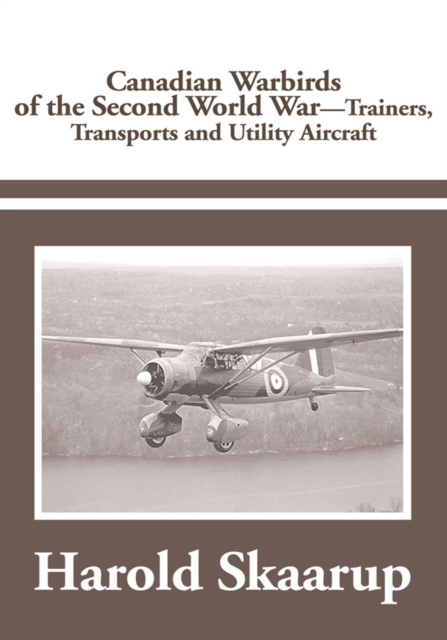
This aviation handbook is intended to provide the reader with a quick reference to identify military support aircraft flown by the Royal Canadian Air Force, the Royal Canadian Navy and the Canadian Army during the Second World War.
The purpose of this handbook is to provide aviation enthusiasts with a simple checklist on where to find the surviving retired military aircraft that are preserved in the state of Hawaii.
The purpose of this handbook is to provide aviation enthusiasts with a simple checklist on where to find the surviving retired military aircraft that are preserved in the state of Nebraska.
The purpose of this handbook is to provide aviation enthusiasts with a handbook on where to find the surviving retired military aircraft preserved in Canada.
Flying Canucks tells the fascinating story of aviation in Canada through this collection of 37 biographies of important aviators in our nation's history.
It is a cruel irony of history that as we celebrate the centenary of flight on December 17, 2003, aviation is in a tailspin and airlines are disappearing in Canada.
This is an extract from the main text)This book on aerotowing gliders was written because there is little reference material published about the subject worlwide.
With both fact and fiction mixed into this book you willrelive an intense moment in multiple lives and experiencewhat it felt like to live through a catastrophe.
The New York Times-bestselling icon of the techno-aviation thriller takes to the skies in this memoir of a great American adventure in an open-cockpit biplane.
In little over a hundred years America went from a country that lacked a national road system to become a world leader in all forms of fast transportation.
Follow along as the author relates his experiences from the time he enlists in the Army Air Force in 1942, thru training as an Aviation Cadet and finally as the pilot-in-command of a B-17 Flying Fortress as the 8th Air Force mounts its attack against Hitlers Germany.
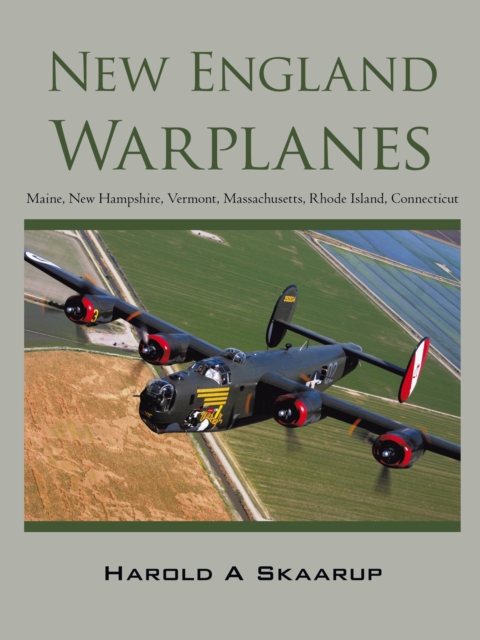
This aviation handbook is designed to be used as a quick reference to the classic military heritage aircraft that have been restored and preserved in the Maine, New Hampshire, Vermont, Massachusetts, Rhode Island, Connecticut.
This aviation handbook is designed to be used as a quick reference to the classic military heritage aircraft that have been restored and preserved in the state of Florida.
This aviation handbook is designed to be used as a quick reference to the classic military heritage aircraft that have been restored and preserved in the state of Arizona.
Alaskan Chronicles fans need look no further than the front cover, to know this book is a dramatic change from CloudDancer's first two humorous literary efforts.
Though there were airfields in Shropshire during the First World War, at Shawbury, Tern Hill and Monkmoor, it was in the late 1930s that a massive building programme began to dot the county with new RAF airfields, mostly for training purposes, until there were over sixteen - in some cases they were so close together that their circuits overlapped.
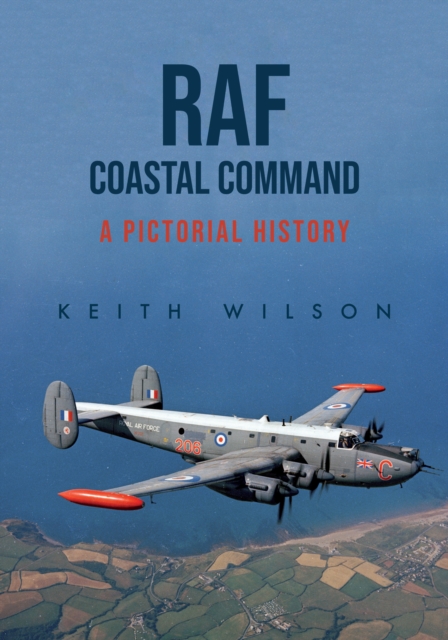
With its roots dating back to the late 1940s and the de Havilland Comet airliner, the Nimrod already had pedigree when it first appeared in the late 1960s in place of the Avro Shackleton in the Maritime Reconnaissance role.
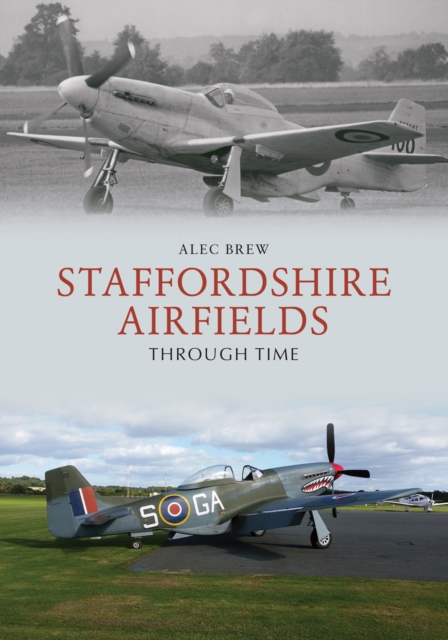
From some of the first ever airfields in Great Britain, through the municipal airports of Stoke, Walsall and Wolverhampton, to a total of eighteen RAF airfields in the Second World War, Staffordshire has always embraced aviation.
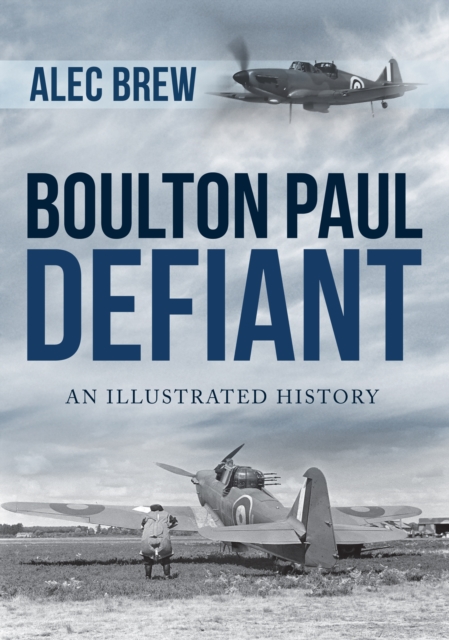
Fighting over the beaches of Dunkirk and in the Battle of Britain, guarding the night skies during the perilous months of the Blitz, pioneering electronic countermeasures, and serving air-sea rescue roles all around our coasts, the Boulton Paul Defiant played a vital part through most of the Second World War, finishing it in the important target-tug role.
The ideas behind the Grumman F-14 Tomcat first began to take shape back in the late 1950s when it was discovered that the Soviet Union was quickly developing an increasingly accurate airborne missile system that would pose a major threat to the US Navy's warships.
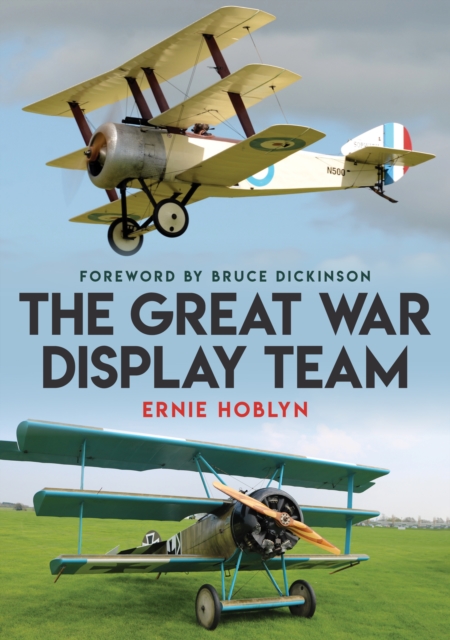
The Great War Display Team was founded in 1988 and has since gone on to become one of Britain's premier display teams, with a wealth of talented pilots passing through its ranks and amazing crowds with a variety of recreated aircraft including Fokker Dr1s, Royal Aircraft Factory S.
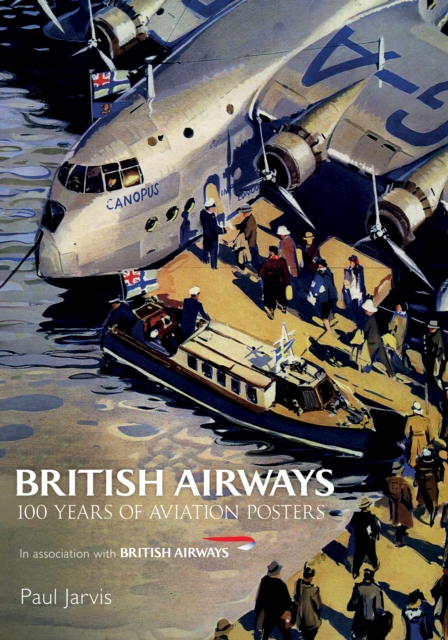
This collection of 200 posters from the archives of British Airways provides a stunning visual history of air travel from the earliest days to the present.
Initially designed and built by Hunting Percival, the Jet Provost was a jet-powered development of the piston Provost trainer, which only entered service five years before its more powerful younger sibling.
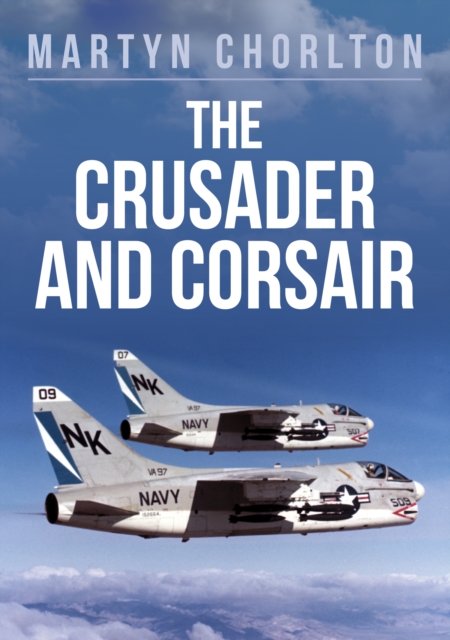
The Vought F-8 Crusader was a classic post-war aircraft; loved by its pilots, this big machine was nicknamed 'The Last of the Gunfighters' because of its primary armament of four 20 mm Colt cannon.