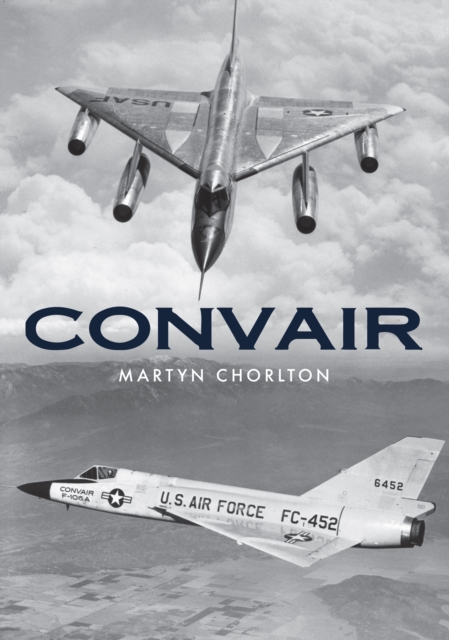
Becoming the fourth largest aircraft manufacturer in the United States when Consolidated merged with Vultee in 1943, Convair quickly built a reputation for designing and building some of the largest and most powerful aircraft in the world.
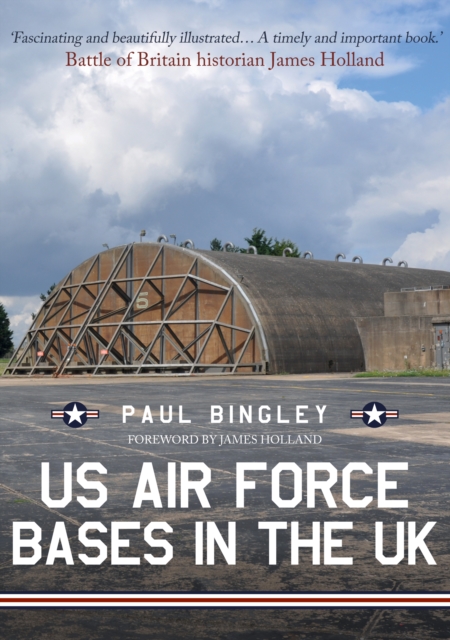
When Winston Churchill delivered his famous 'Iron Curtain' speech in 1946, he mentioned two words now engrained in Anglo-American terminology - 'special relationship'.
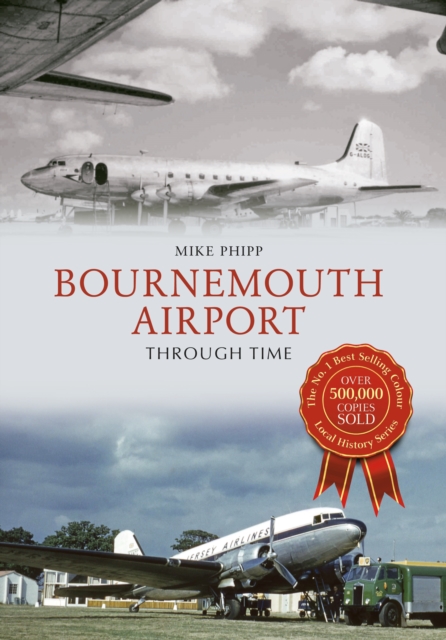
Bournemouth Airport was first opened as RAF Hurn on 1 August 1941, one of the bases established by the RAF to counter the Luftwaffe presence across the Channel in northern France.
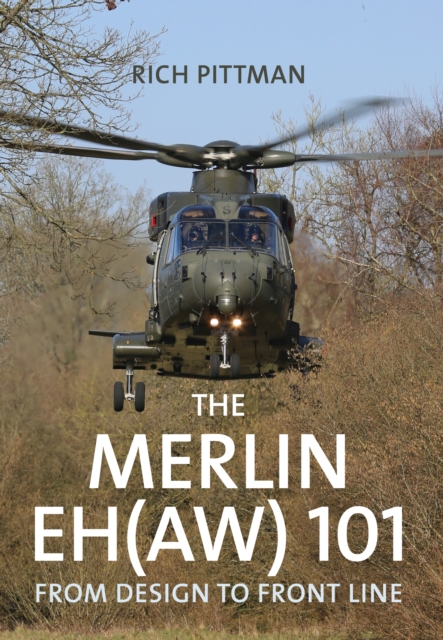
Designed by the European Helicopter Industries (EHI) partnership during the 1980s, initially as a naval helicopter to help combat the threat of an attack from Soviet missile submarines, the Merlin has evolved into a multi-role helicopter today.
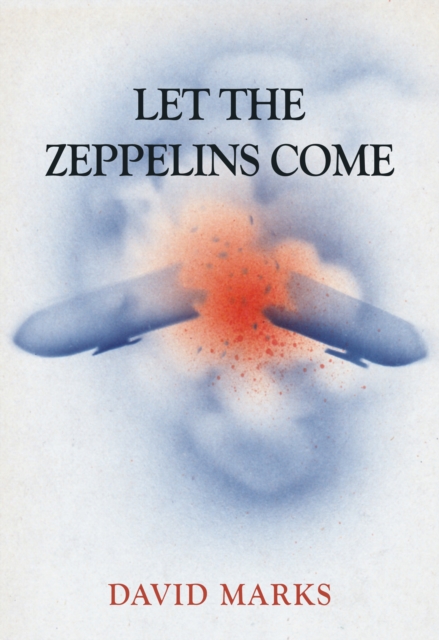
Drawing on a unique collection of postcards and other period memorabilia, David Marks tells the story of the Zeppelin raids during the First World War.
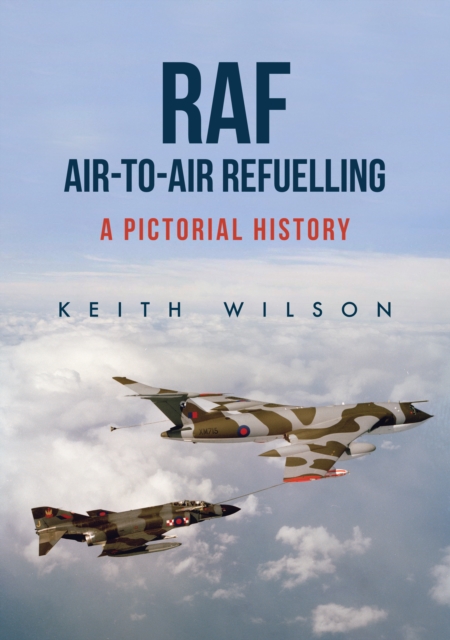
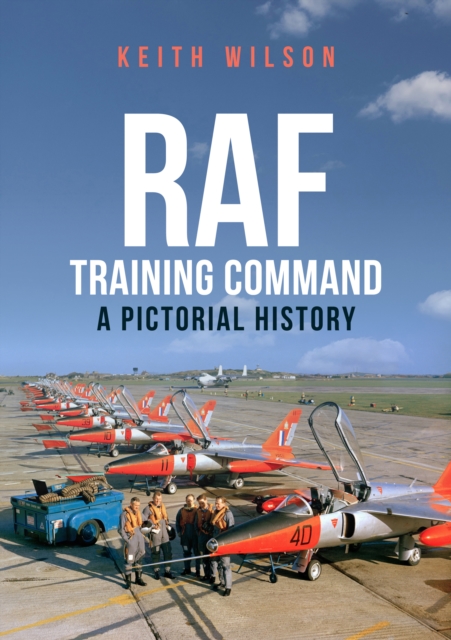
When the expansion of the RAF began in 1934, Air Commodore Tedder observed that the established order of school training not only failed to produce operational competence, but left so much to be done by the operational squadrons that they could only attain passable military efficiency after an uphill struggle.
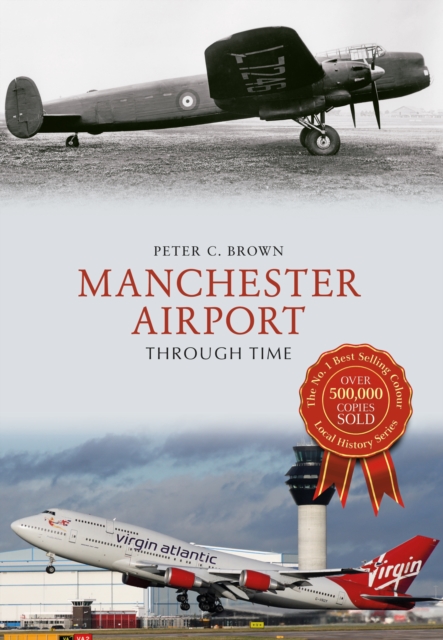
Manchester Airport (EGCC) is a Category 10 international passenger airport located in Lancashire, UK, comprising three passenger terminals and a world freight terminal.
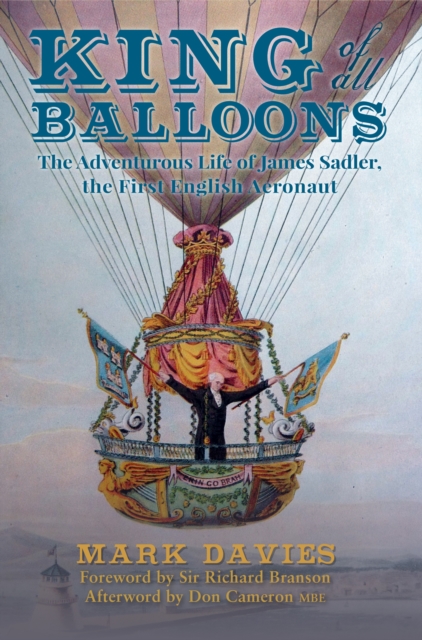
The daring flights of the early balloonists that were the first steps on mankind's upward journey to the Moon and beyond have been strangely neglected, and their names have been largely forgotten.
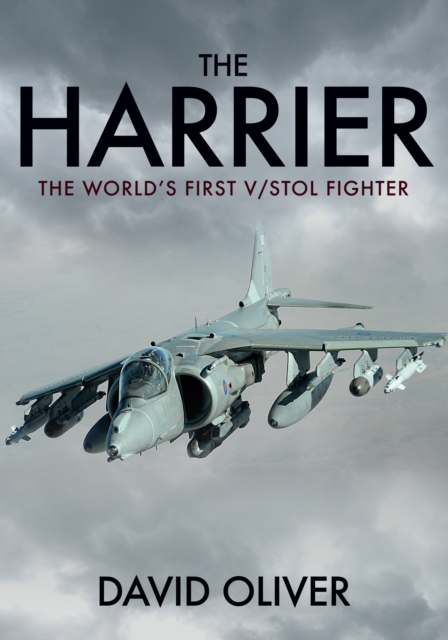
The iconic Hawker-Siddeley Harrier was designed to fight the Cold War from the fields of West Germany but won its battle spurs in the Falklands, Belize and Afghanistan.
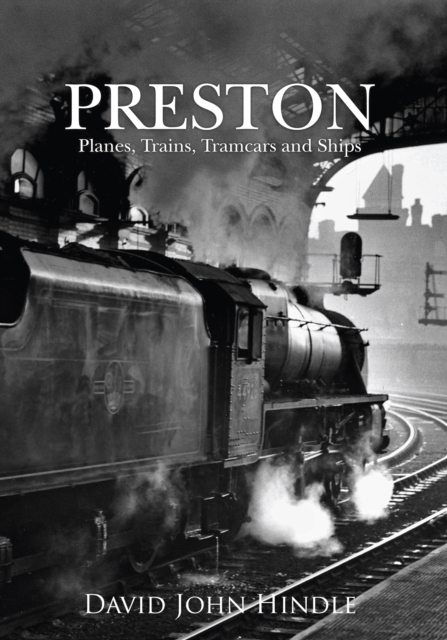
Growing up in Preston, with its eclectic range of transport, provided well-known local historian David John Hindle with the inspiration to write this book on the transport heritage of Preston.
During the Second World War, more than 9,000 flying boats were produced by the main protagonists, fulfilling a multitude of roles including maritime reconnaissance, bombing, fleet spotting, search and rescue, long-range transport and communications.
From its introduction in the mid-1960s, when the first aircraft were delivered, through the various humanitarian missions, the Falkland Islands conflict and operations in Iraq and Afghanistan, right up to the introduction of the J version, the Lockheed C-130 Hercules continues to give outstanding service with the RAF and with an expected retirement date of 2030, this would total a service career lasting for a staggering sixty-four years of continuous operations.
Weston-super-Mare and the Aeroplane 1910-2010 is the first book to provide a comprehensive account of the association between Weston-super-Mare and the aeroplane over the last one hundred years.
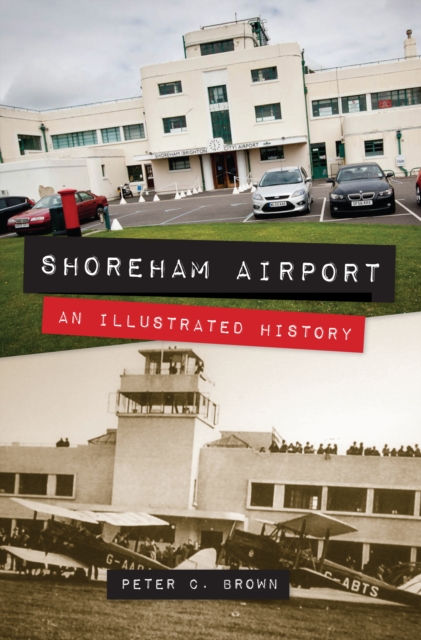
Shoreham is the oldest airport in the UK, aviator Harold Piffard first flying from there in 1910, although the aerodrome only officially opened on 20 June 1911.
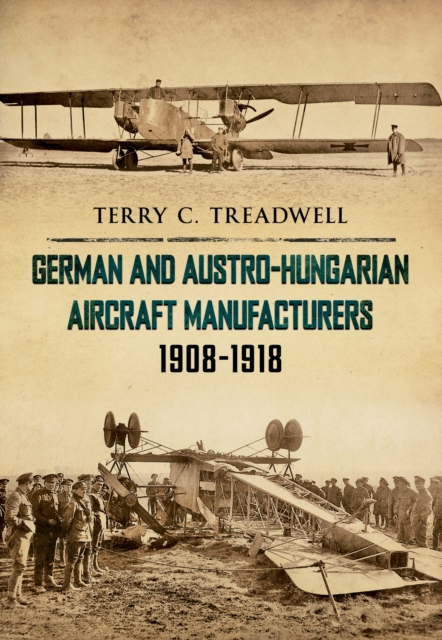
Much has been written about the British aircraft of the First World War, but little has surfaced about the aircraft of the Axis powers, Germany and Austria.
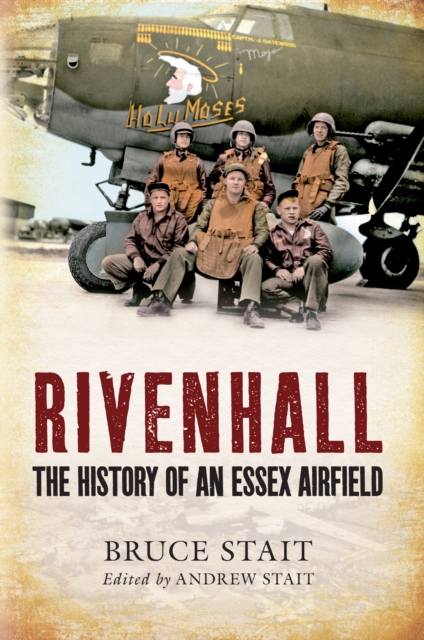
The wartime airfi eld at Rivenhall is typical of the many airbases that were hastily built in Britain following the entry of the US into the Second World War.
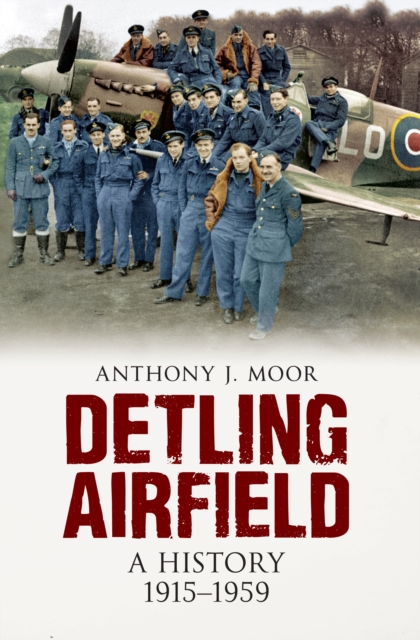
This is the story of Detling airfield, from its earliest days through its role in the Second World War - when several dramatic and tragic events occurred - and finally to more peaceful times, when the airfield became a popular base for recreational gliding.
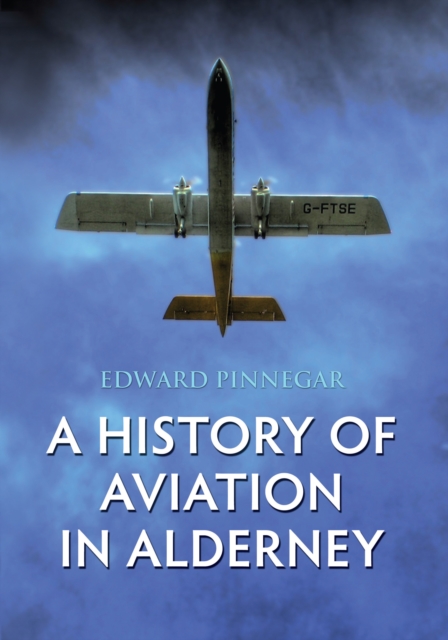
A History of Aviation in Alderney takes a brisk and affectionate look at a previously neglected topic: the lifetime of powered flight on this Channel Island.
Wessex - for our purposes Dorset and Wiltshire, along with the western parts of Hampshire and Berkshire - has been part of Britain's aviation industry for over a hundred years.
This book describes the heritage and development of the entire Piper Cherokee family; its safety and ownership characteristics; internal and external details; and a range of special variants from STOL modifications and new engines to seaplanes and tailwheel conversions.
London City Airport was first conceived as part of the regeneration of the London Docklands at the start of the 1980s, a pilot landing on Heron Quays to prove it could be done.