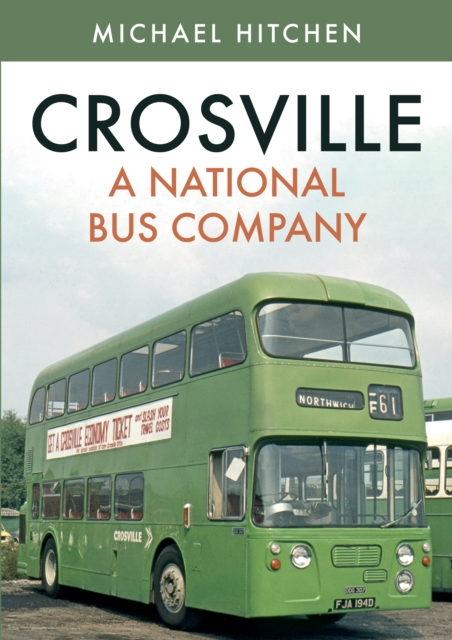
In the 1970s the state-owned National Bus Company operated services across England and Wales, and one of the largest of its thirty-six constituent bus companies was the huge Crosville Motor Services.
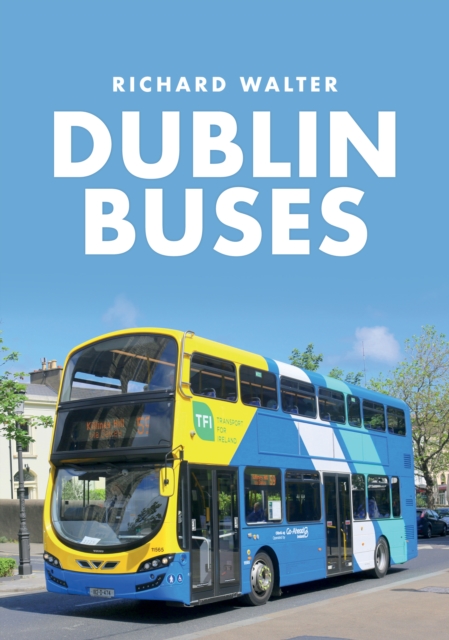
Dublin Bus was formed back in February 1987 when services were split out of Coras Iompair Eireann (CIE) and has, in time, become a modern and forward-thinking bus operator.
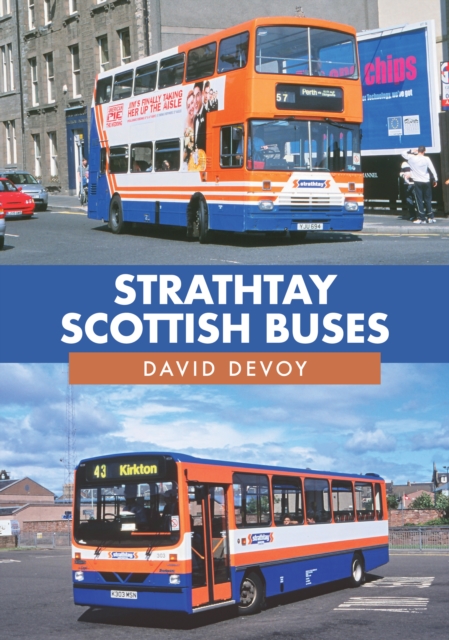
Strathtay Scottish was a product of the state-owned Scottish Bus Group's attempts to prepare for deregulation and possible privatisation in the mid-1980s.
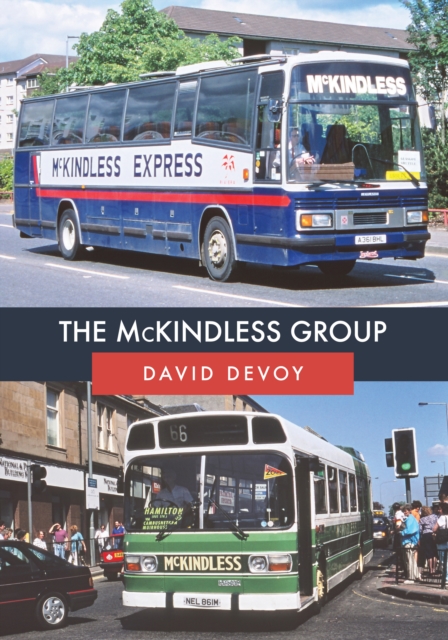
The McKindless bus company started off as a small operation of a few buses, a lorry and two coaches in 1987, and traded under the name of Chartered Coaches.
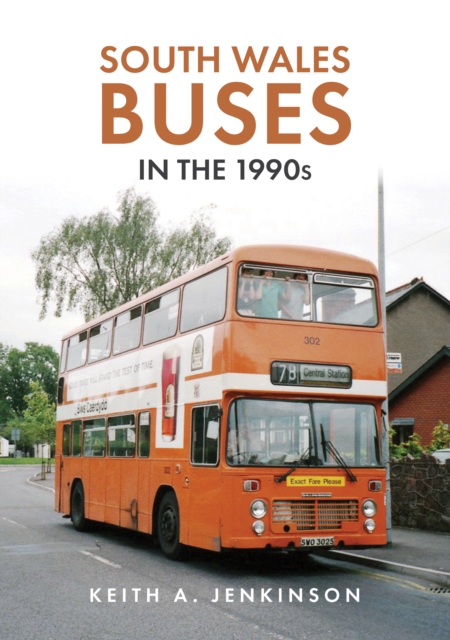
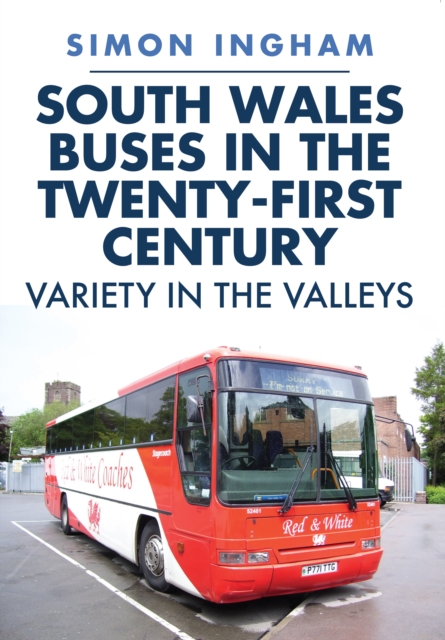
In addition to the major operators such as National Welsh, South Wales Transport, First Group and Stagecoach, South Wales boasted a number of municipal bus operators, most of which have since been acquired by the major groups.
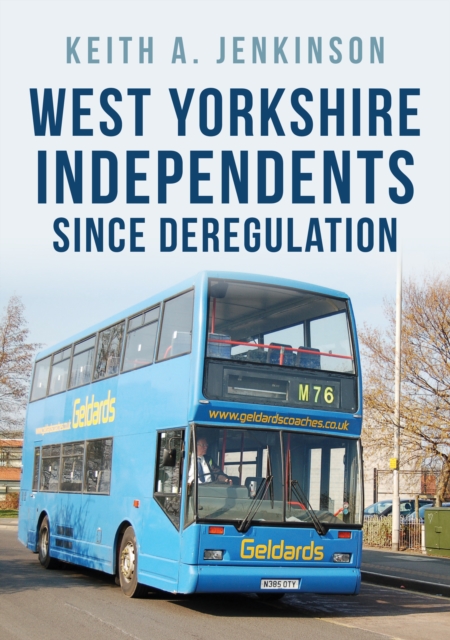
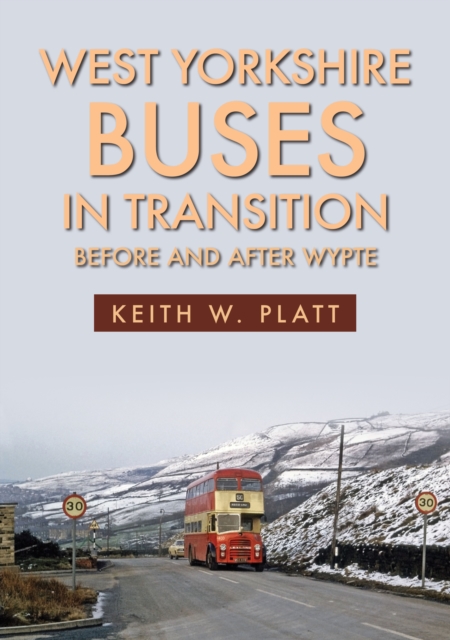
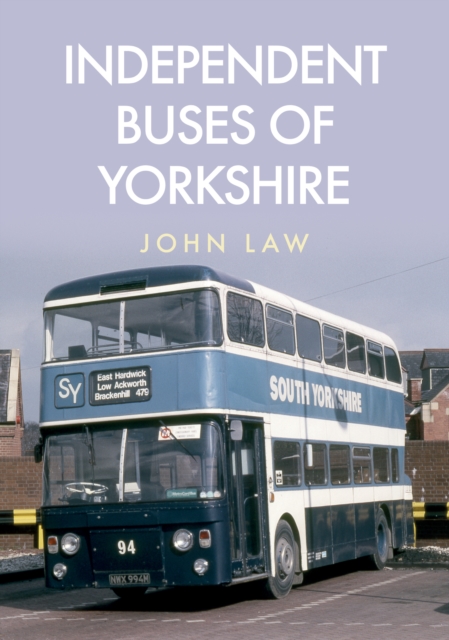
Following the deregulation of bus services in 1986, West Yorkshire became flooded by small independent operators, some of whom survived while others were swallowed up by larger companies.
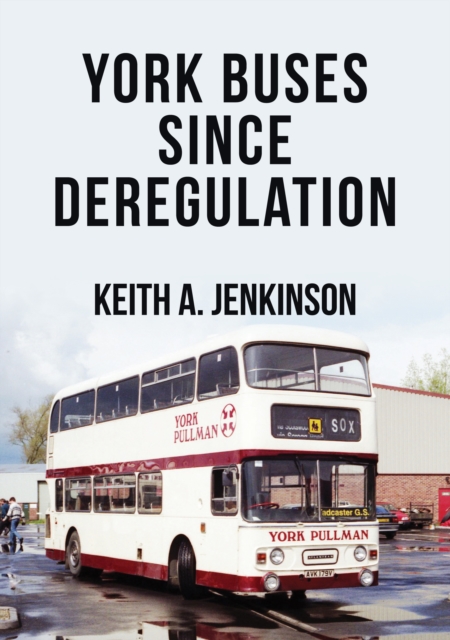
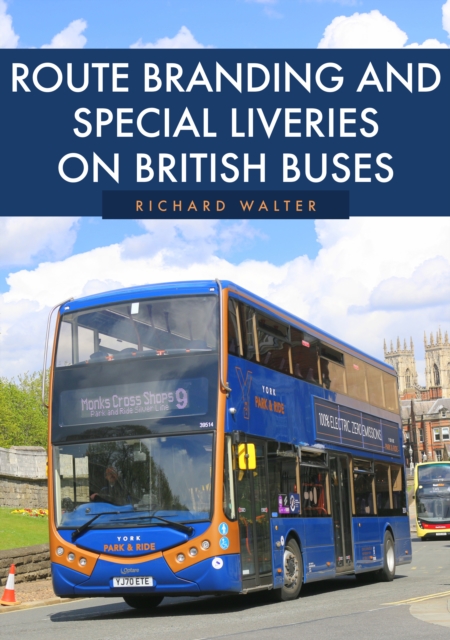
The transport scene in the historic city of York has seen numerous changes since 1986, with the breakup of the National Bus Company into a number of separate units whose ownership have since changed several times.
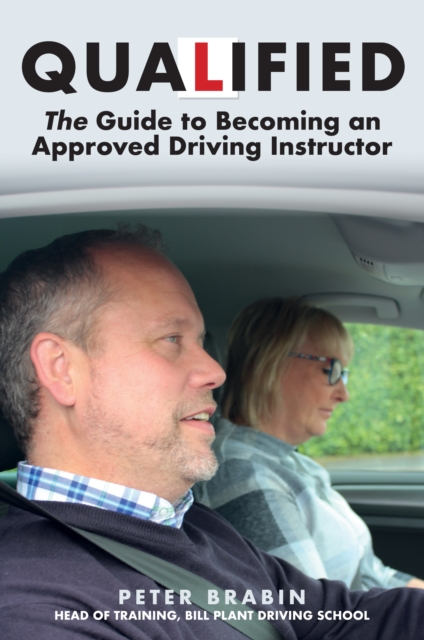
Qualified: The Guide to Becoming an Approved Driving Instructor is a comprehensive industry-standard guide for trainee driving instructors studying for the ADI part 1, 2 and 3 exams; qualified driving instructors looking for a reference guide; and those studying for their standards check.
On 1 April 1974, the West Yorkshire Passenger Transport Executive was created by merging the municipal bus fleets of Bradford City Transport, Halifax Corporation with Calderdale Joint Omnibus Committee, Huddersfield Joint Omnibus Committee and Leeds City Transport.
Around the early 2000s, there was a concern among transport enthusiasts that variety in terms of vehicle type and livery in the passenger transport industry in and around the South Wales Valleys would decline.
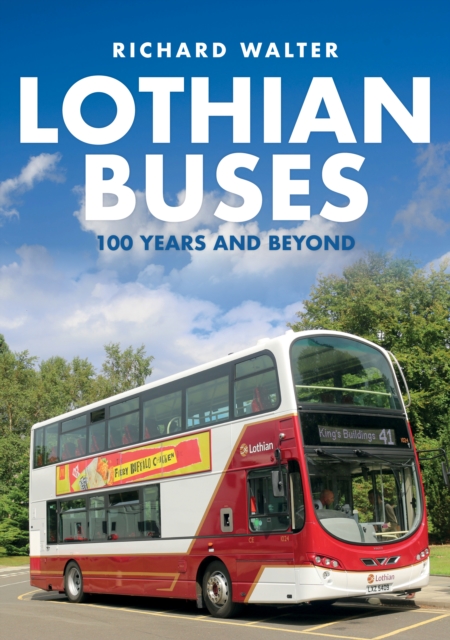
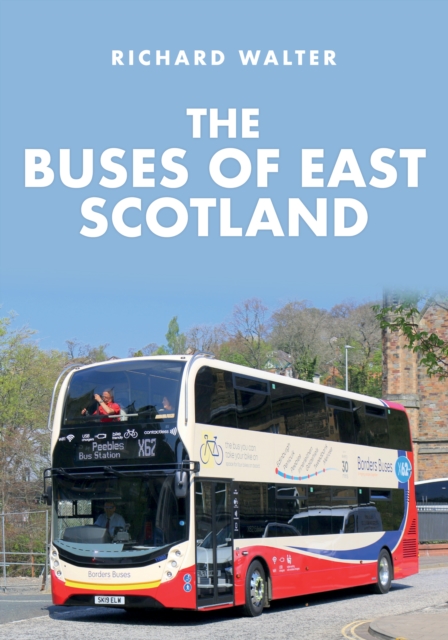
The exact definition of east Scotland can be difficult to define due to its wide geographical areas, but for the purpose of this book the bus services covered are from a wide range of destinations including Aberdeen, Dundee, Edinburgh, Perth, Fife, the Borders and the Lothians.
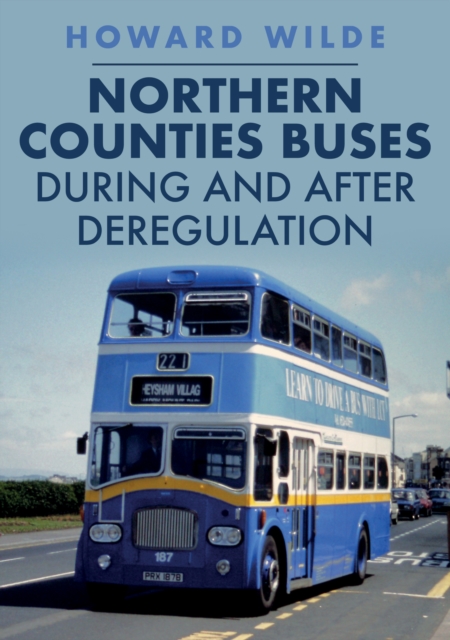
From its formation in 1919 in Wigan, Lancashire, Northern Counties Motor & Engineering Company Limited grew to become one of Britain's most prominent bus builders.
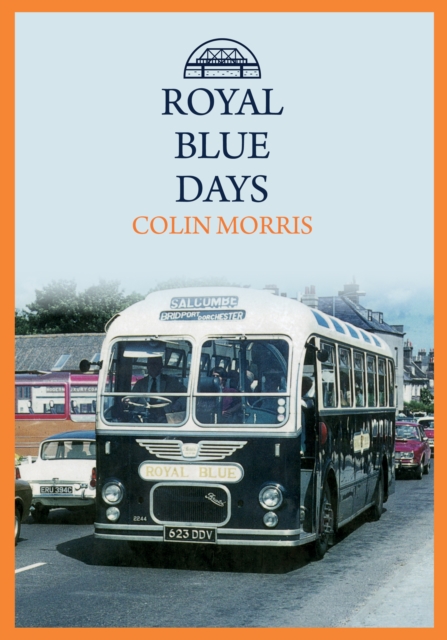
One of the great names of the British bus and coach industry was Royal Blue, whose vehicles were a familiar sight on the express routes between London and the West Country.
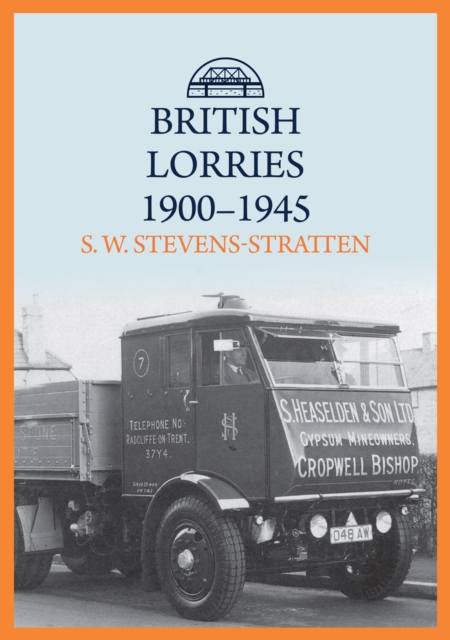
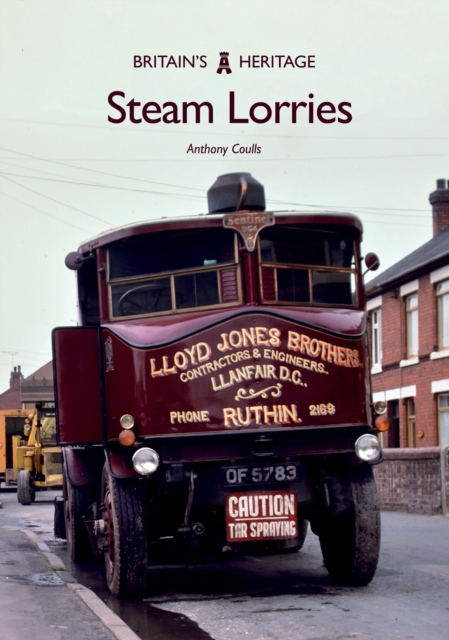
The first forty-five years of the twentieth century saw the most formative period in the history of commercial vehicles: in 1900 the mechanically powered lorry was a novelty, yet by 1945 the ancestors of today's 38-ton juggernauts were clearly identifiable.
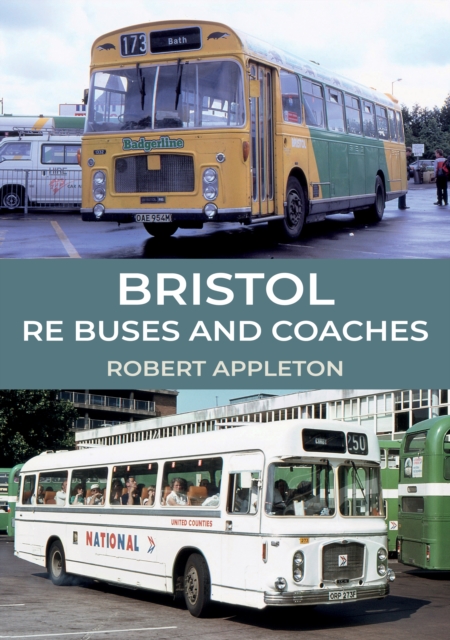
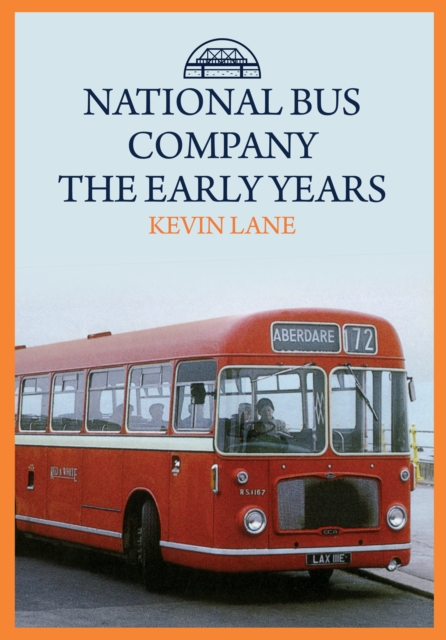
The years from 1969 to 1975 were a time of great change for buses in England and Wales as operations were consolidated and rationalised under the publicly owned National Bus Company.
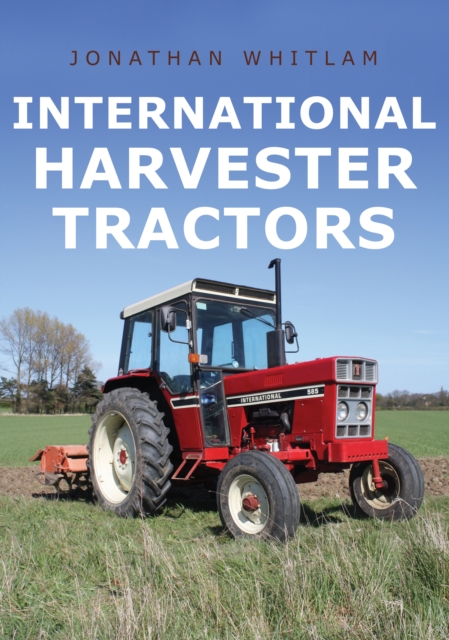
In this comprehensive and readable book, tractor expert Jonathan Whitlam tells the story of the development of International Harvester from its North American roots in the 1900s.
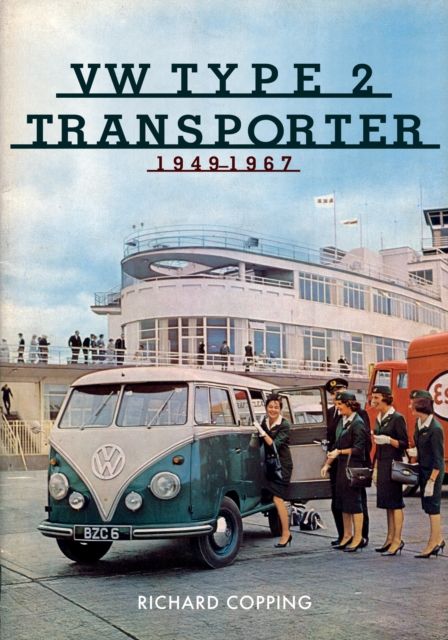
In this fascinating and engrossing book, VW expert Richard Copping covers the complete history of the first generation VW Transporter or 'Camper', probably the most famous commercial and leisure van of all time.
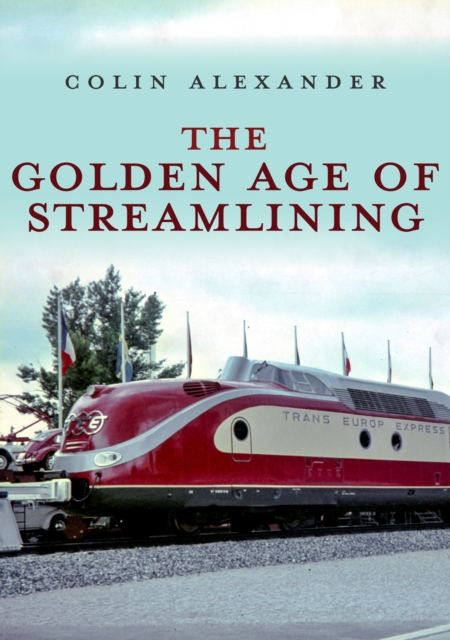
Between the two world wars there was a golden era of industrial design when the benefits of streamlining were realised, allowing for reduced wind resistance, faster transportation and a more efficient economy.