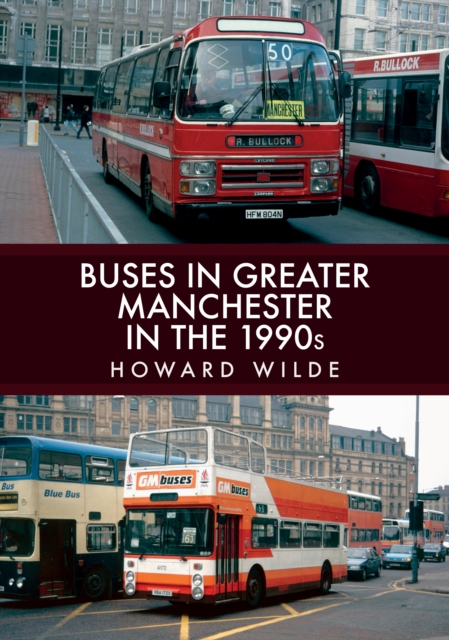
Like many of the conurbations across Britain, the Greater Manchester region in the 1990s offered a fascinating mixture of buses from operators both large and small, new and established.
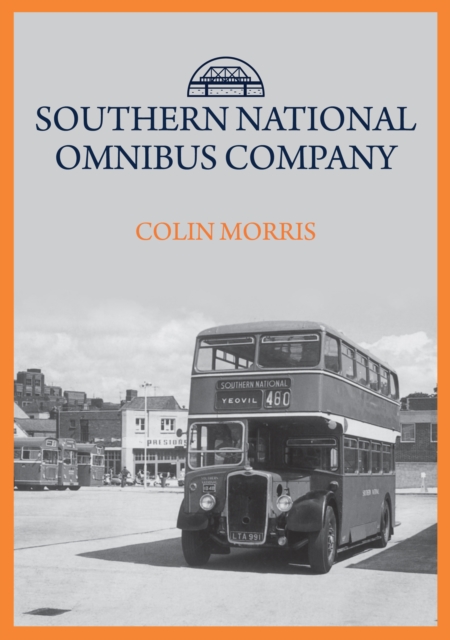
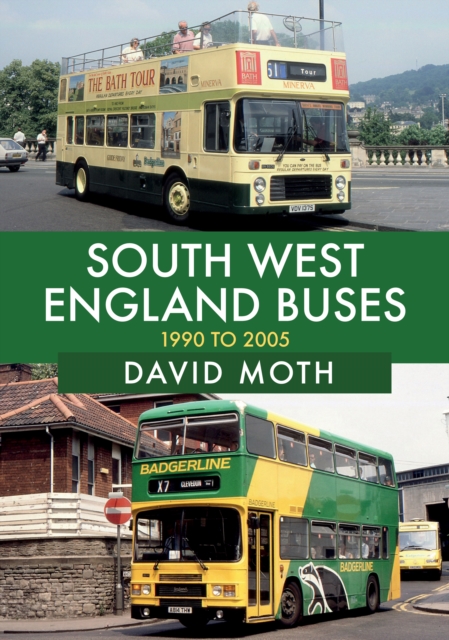
Nowhere had the nineteenth-century rivalry between competing railway companies had a more marked effect on the much later motor-omnibus industry than in the South West of England.
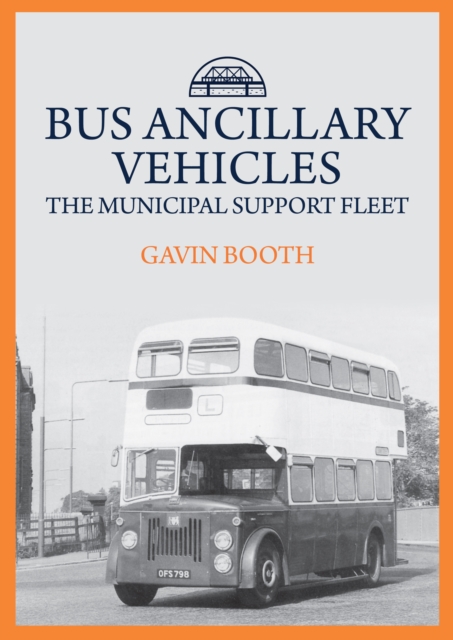
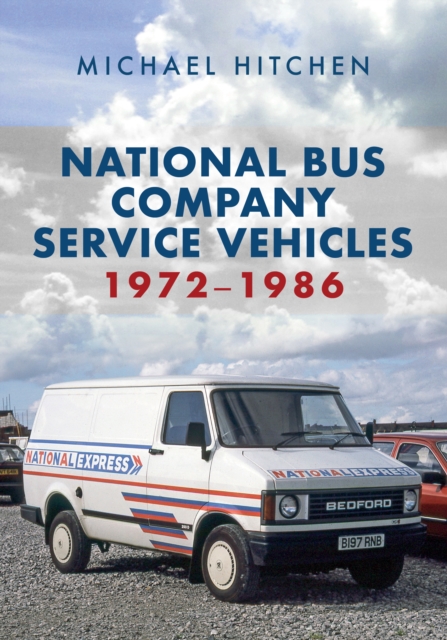
Although to many enthusiasts, municipal vehicles never extended beyond the trams, trolleybuses and buses that were required to provide the basic public service, behind them were a range of vehicles that were required to enable operations to proceed smoothly.
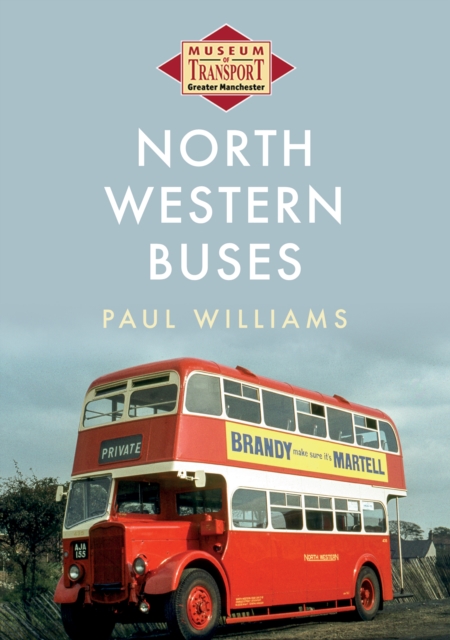
The North Western Road Car Company is just a fading memory now, but for fifty years its red and cream buses served a broad sweep of England's North West from the Cheshire plain to the Pennines, and from Manchester's industrial mills to the threshold of the Potteries.
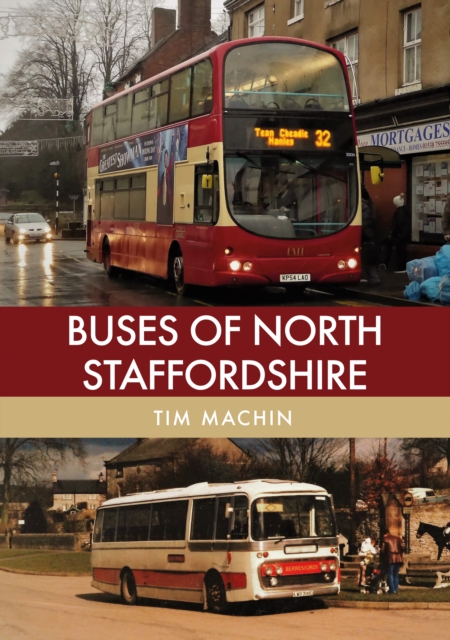
When the words Buses of North Staffordshire are used most people will think of PMT, and later First, running through the urban areas of Stoke-on-Trent, with additional vehicles from a few medium-sized family-owned operators thrown in for good measure.
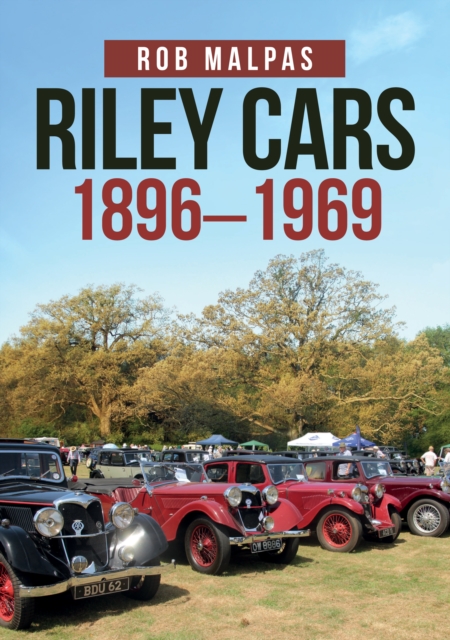
Riley is one of the most famous British car manufacturers and this book covers the entire history of the company, from its early beginnings as a bicycle manufacturer to ownership by the British Motor Corporation (BMC).
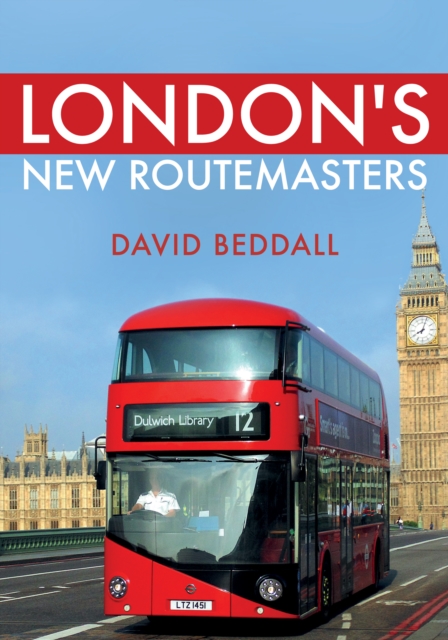
Inspired by the AEC Routemaster, the New Bus for London, later renamed the 'New Routemaster', was the first bus specifically built for use in London since 1968, when the last Routemaster machines were constructed.
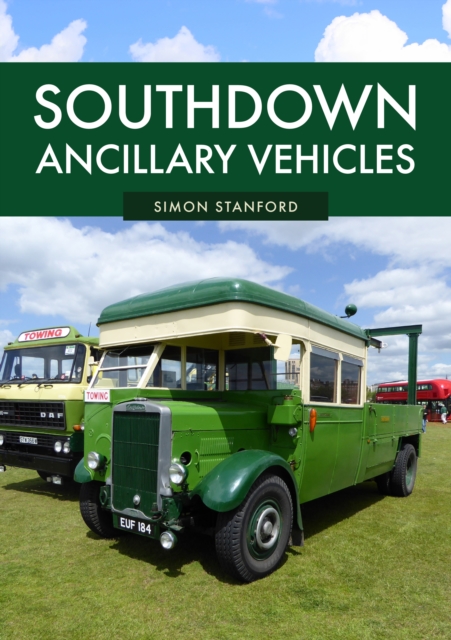
Southdown Motor Services, renowned for their impressive fleet of green and cream buses and coaches, also operated an impressive fleet of ancillary vehicles.
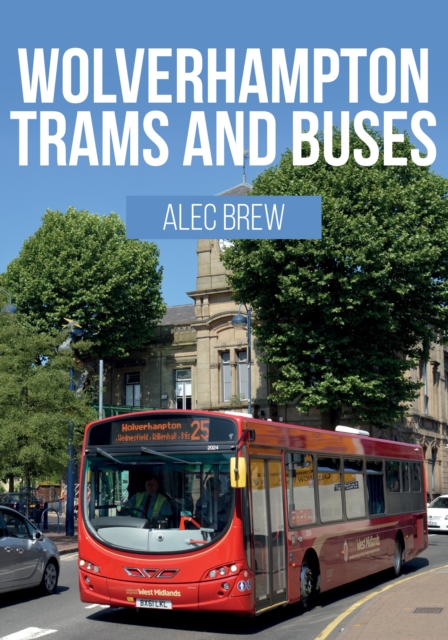
When Wolverhampton's horse-drawn trams were replaced by the unusual surface-contact Lorain system electric trams in 1902, it was one of the first such networks in the country.
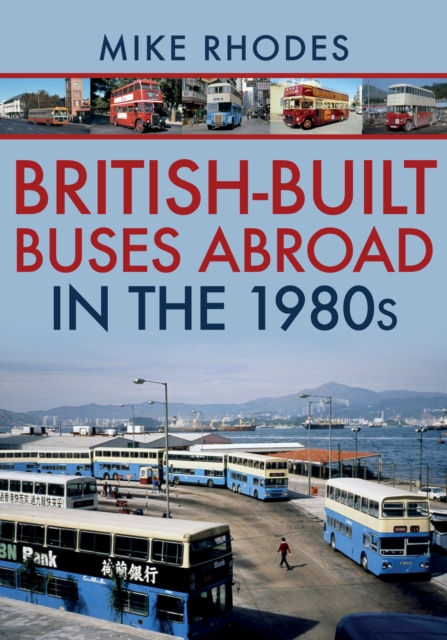
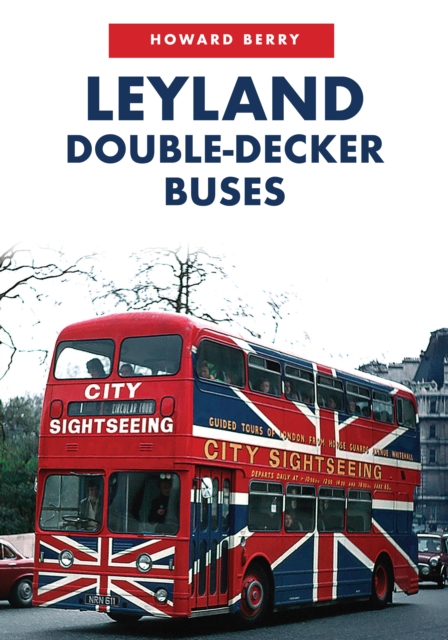
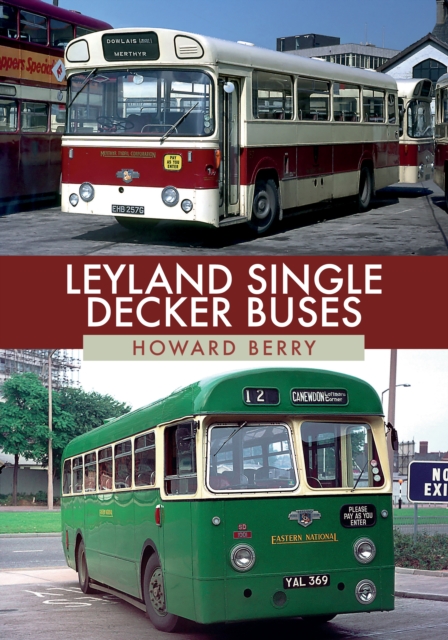
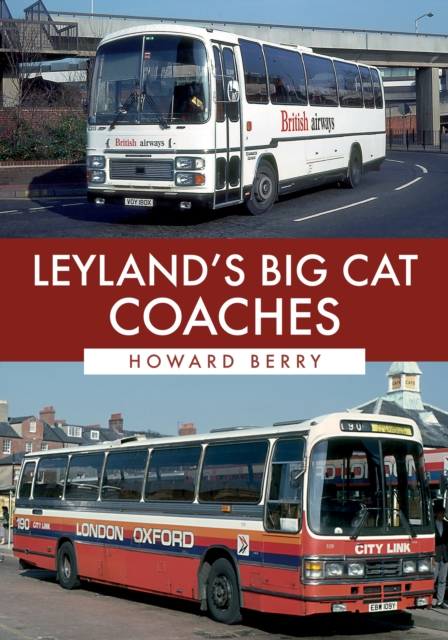
From demonstrating a petrol-engined double-decker at the 1905 Commercial Motor Show to building huge 100-seat Olympians for the overseas market, the Bus and Coach Division of Leyland built thousands of vehicles for markets all over the world.
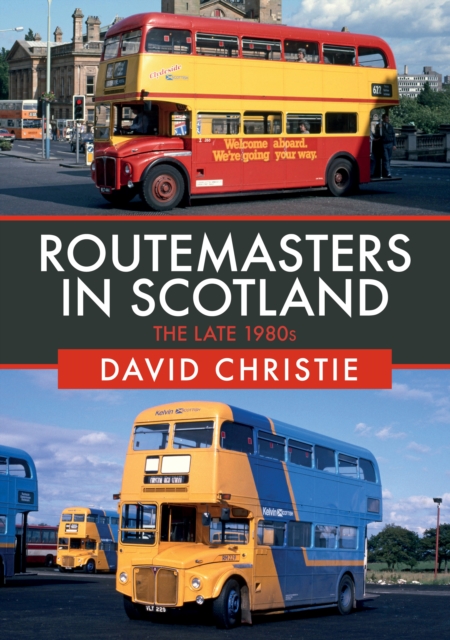
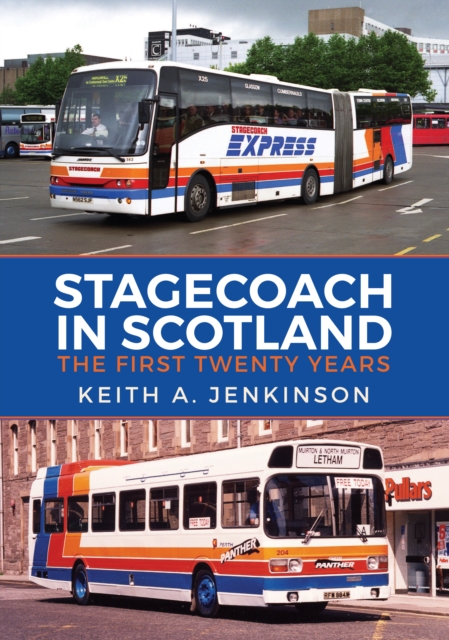
The deregulation of the bus industry in 1986 led to the formation of new bus companies in Central Scotland such as Clydeside, Kelvin, Strathtay and Magicbus (Stagecoach).
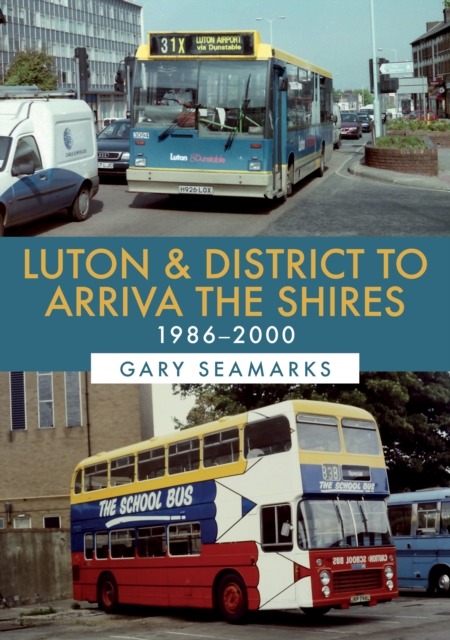
Luton & District was formed in 1986 to operate the former southern depots of United Counties; it was sold by NBC to its employees in 1987 (a first), then sold again in 1994 to British Bus.
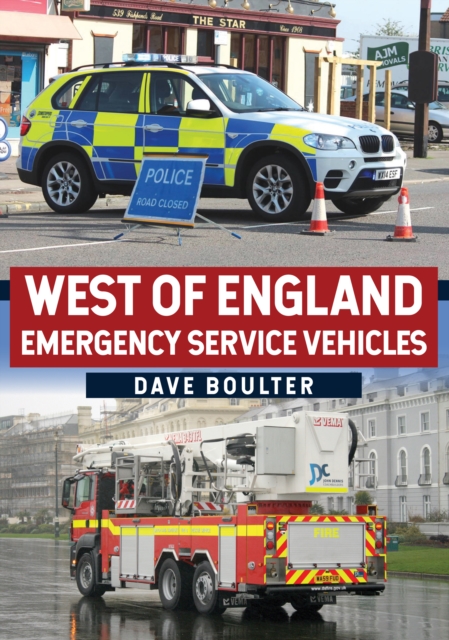
Whether your interest is police, fire, ambulance or associated emergency and rescue services, this fully illustrated book of nearly 200 images captures the 999 services of the west of England going about their daily business.
After the 1969 nationalisation, bus and coach companies had generally continued with their traditional liveries and, in 1971, it was decided the time had come to apply a corporate image to state-owned bus operations.
Roaring through the millennium into the twenty-first century we find the Transport Act 2000 that allows for increased cooperation between local authorities and operators, something that had not been allowed previously under competition legislation.
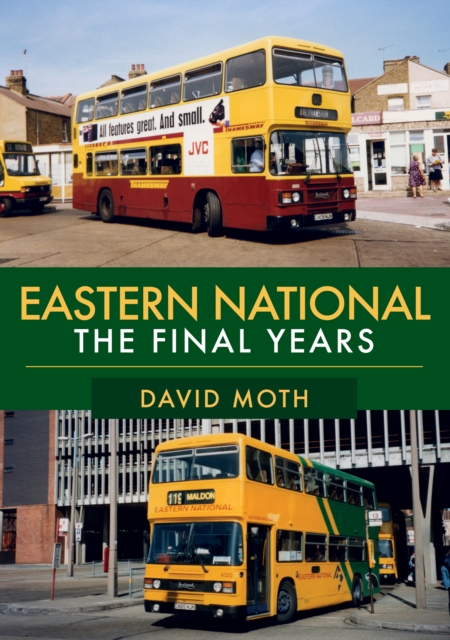
This book captures the final decade of the Eastern National name, starting with the company becoming part of the ever-expanding Badgerline Group in April 1990.
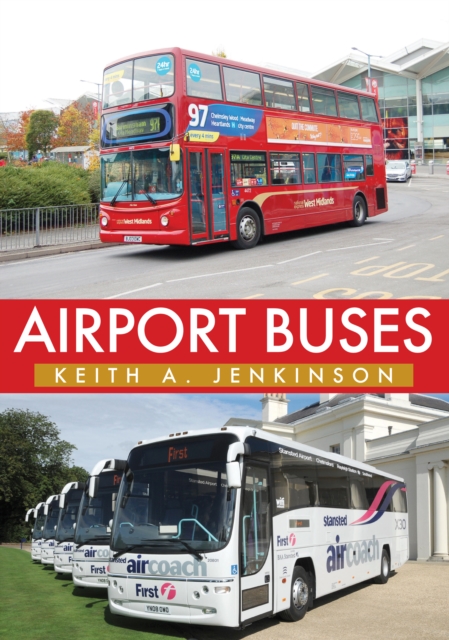
All of Britain's airports are served by buses and coaches in some form or other, whether it be by regular services from nearby towns and cities, those many miles away, or by buses connecting them with the airport's own long-stay or off-site car parks, and a few airports are also connected by rail and tram networks.
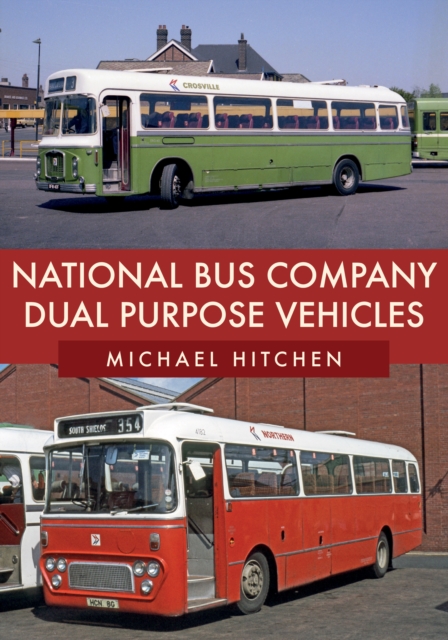
Throughout the 1970s and early 1980s the state-owned National Bus Company, with its familiar corporate livery, was a common sight across much of England and Wales.
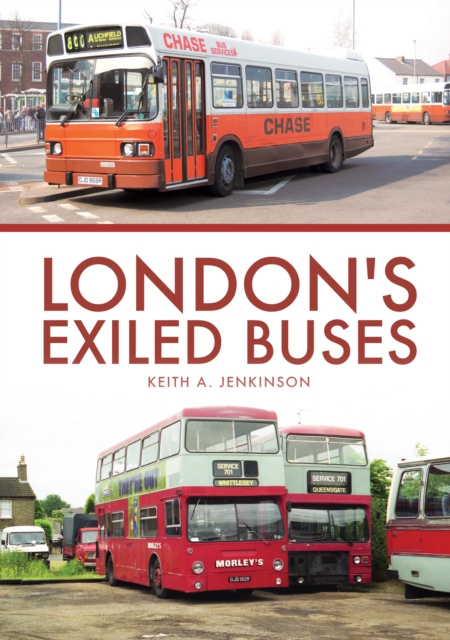
Since 1952 former London buses have found new homes across the whole of the UK as well as in over seventy countries across the world, and this book takes a wide look at those that gained new lives outside the capital.
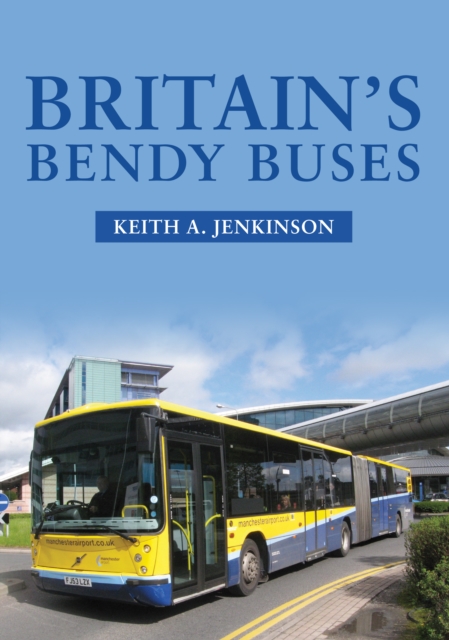
Unlike other parts of the world, Britain was slow to start operating bendy buses and, despite the first ones appearing in service in Sheffield in 1978, it was not until 1985 that the next examples made their appearance, again in Sheffield.
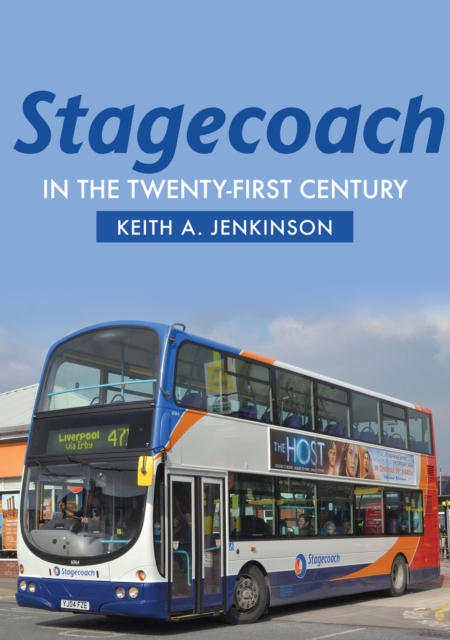
Carrying on the story of Stagecoach, this volume looks at the company's continuing growth across the UK and its various overseas ventures, which took it to Hong Kong, mainland Europe, the USA, Canada and New Zealand.
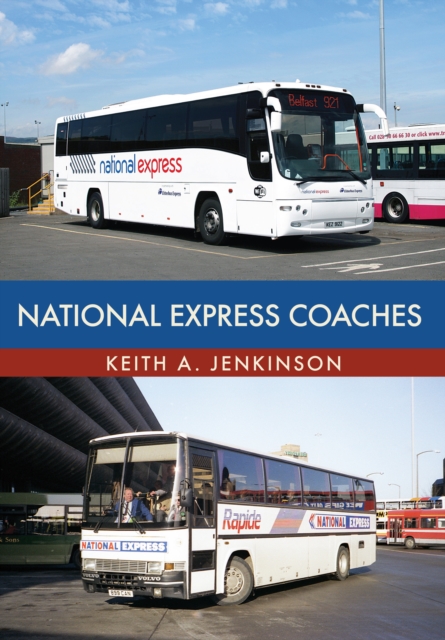
Although several coaching pools for express services were established in the late 1920s, it was not until 1972, three years after the formation of the National Bus Company, that a nationwide, fully coordinated express coach network came into being under the National banner.
Starting in October 1980 as a small coach operator with two coaches and a service from Glasgow to London, Stagecoach rapidly developed throughout Scotland in the 1980s and 1990s when it purchased three major Scottish Bus Group companies and a number of smaller independent operators before floating on the stock market as a plc.