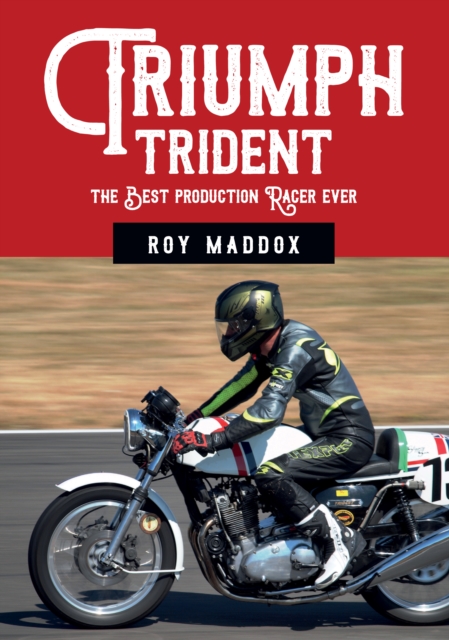
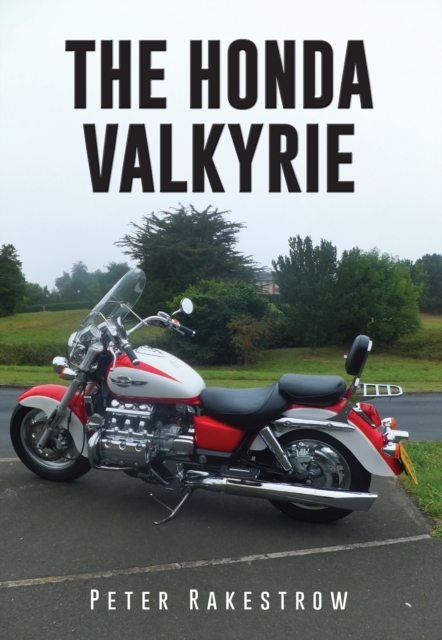
The Triumph Trident was a ground-breaking three-cylinder 750cc motorbike that was ahead of its time, though pipped to the production post by the Honda CB750 Four.
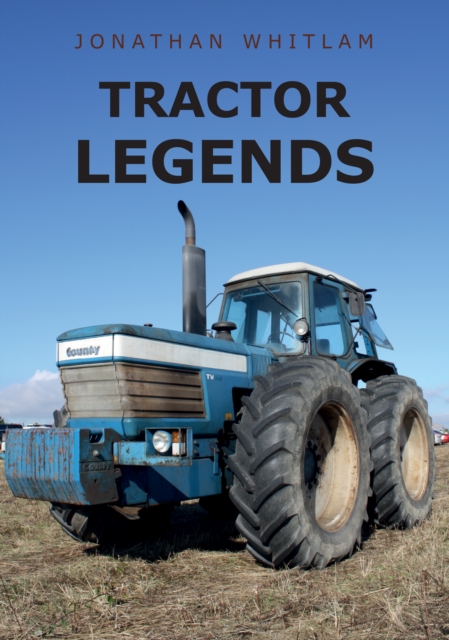
This book covers the tractor models that have stood out, from the early twentieth century to the present day, either because of their innovative design and engineering features or because they set new standards in reliability and popularity.
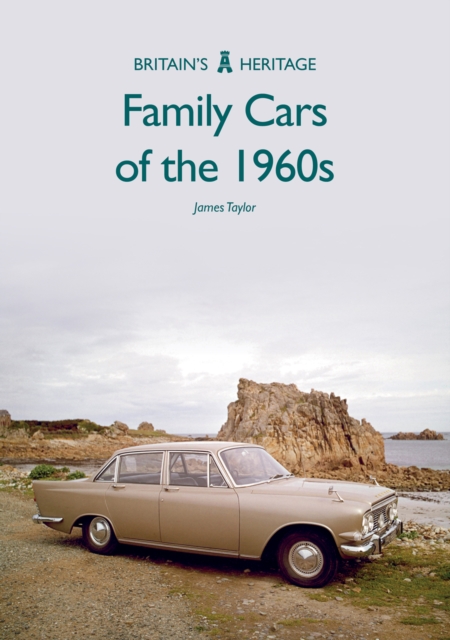
The 1960s saw car ownership take off in Britain, as the newly opened motorways created new opportunities for travel - on family holidays, to visit relatives, or for work.
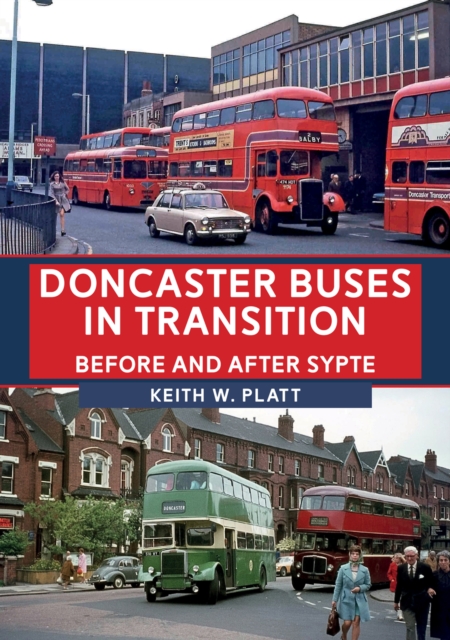
The period after April 1974 brought about major and irrevocable changes to bus operations in Doncaster and the surrounding communities to the north-east of the town.
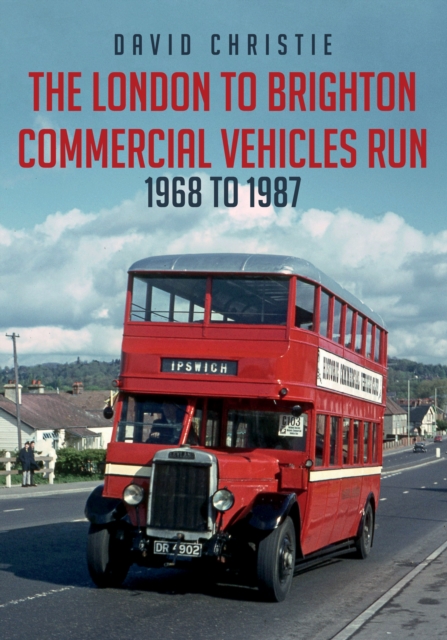
The London to Brighton run, held each year by the Historic Commercial Vehicle Society, is a key date in the diary of any vintage vehicle enthusiast or member of the preservation community.
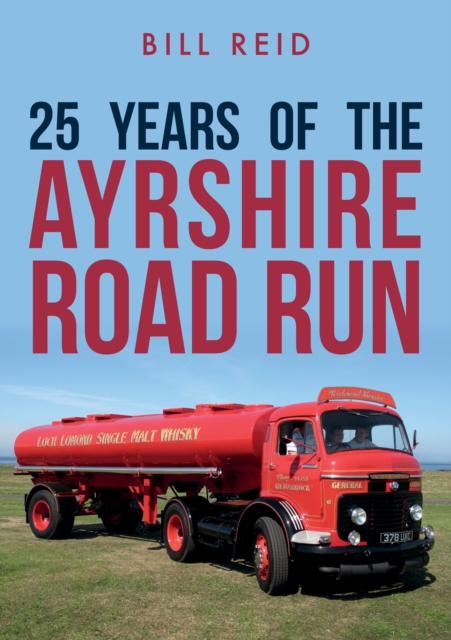
The Ayrshire Road Run was instigated in 1993 as an adjunct to the established annual vintage rally organised by the Ayrshire Vintage Tractor & Machinery Club (AVT&MC).
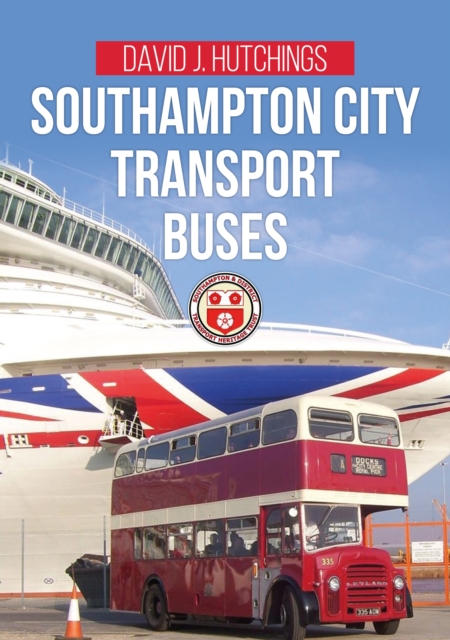
With a wealth of rare and previously unseen images, Southampton City Transport Buses illustrates the development of mainly diesel-powered buses operated by Southampton City Transport and its successors since the early years of the twentieth century until recent times.
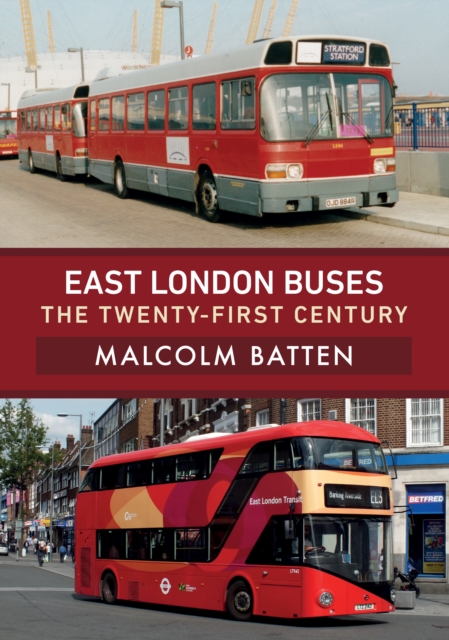
The start of the twenty-first century saw a flurry of bus activity at Stratford in East London to provide services to the Millennium Dome - this proved to be largely unneeded.
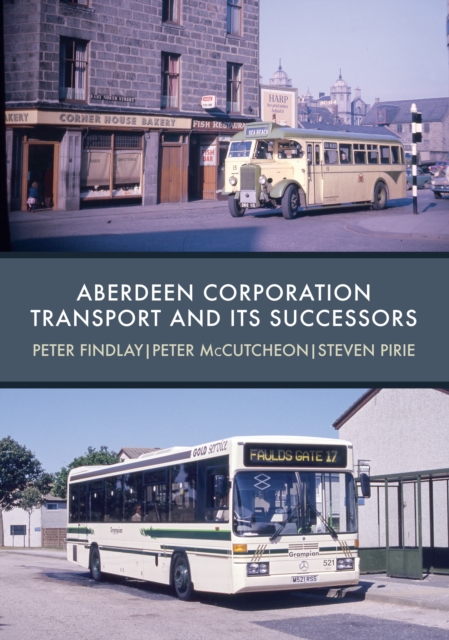
Aberdeen Corporation Transport and its successors, Grampian Transport and FirstBus/First Aberdeen, can trace their history back to 1898 when they commenced tram operation within the city of Aberdeen.
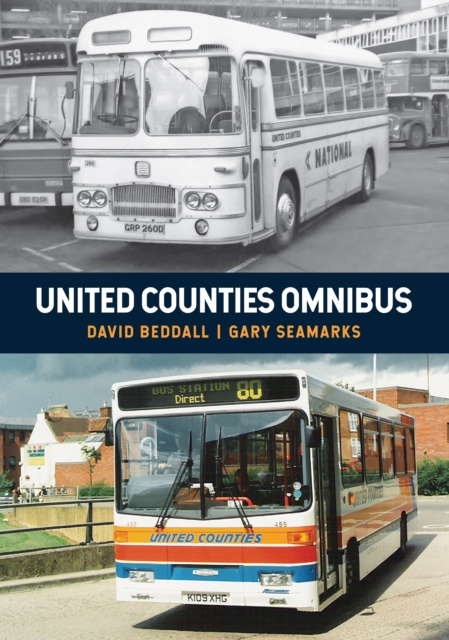
Dating back to 1921 and originally operating from a base in the small Northamptonshire town of Irthlingborough, United Counties expanded significantly during the 1920s and 1930s, firmly establishing themselves in the county of Northamptonshire, as well as a network of services in south Lincolnshire, south Leicestershire and the Stony Stratford area of Buckinghamshire.
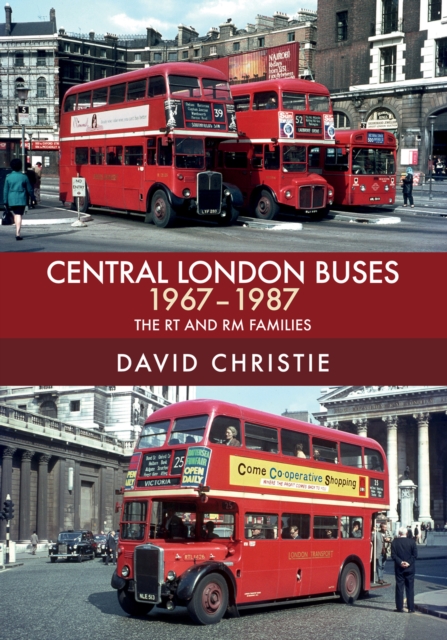
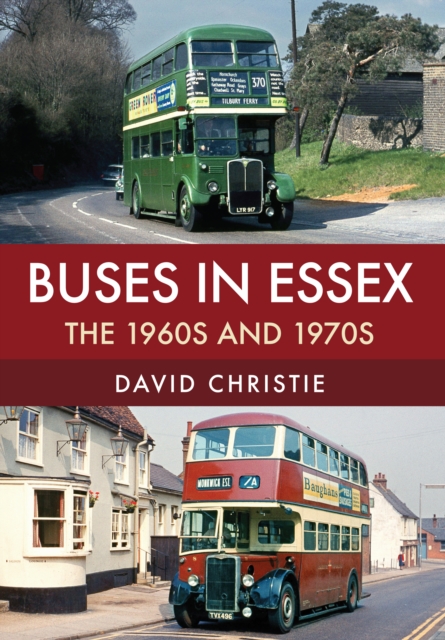
From author David Christie's home town in Essex, the Green Line route 721 (by RCL) was the usual way of getting to London - into Aldgate, one of his haunts as a young spotter in the '50s.
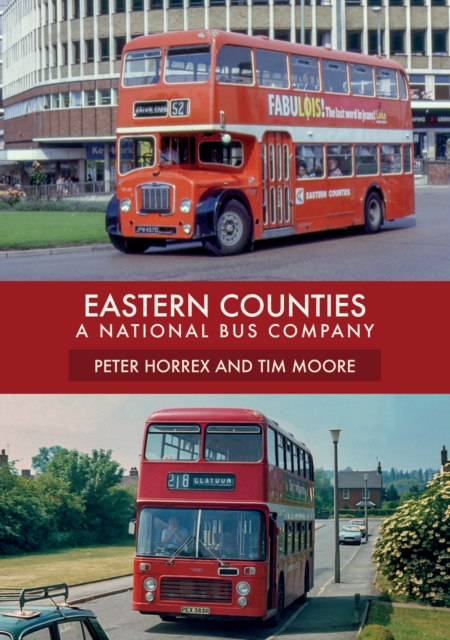
The Eastern Counties Omnibus Company came about by the amalgamation of four companies - the Peterborough Electric Traction Company, Ortona Motor Company Limited, the eastern operating area of United Automobile Services and the Eastern Counties Road Car Company of Ipswich.
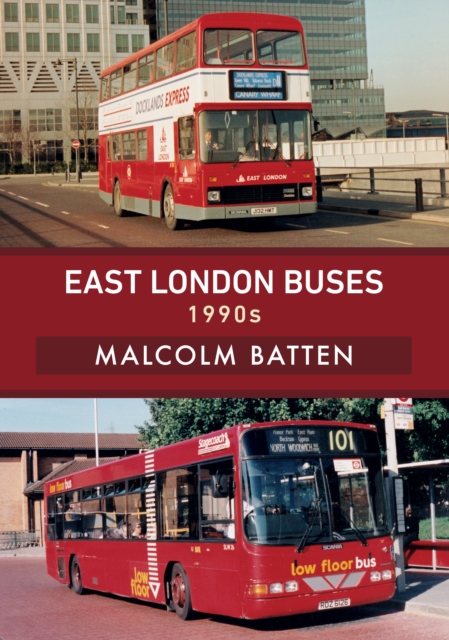
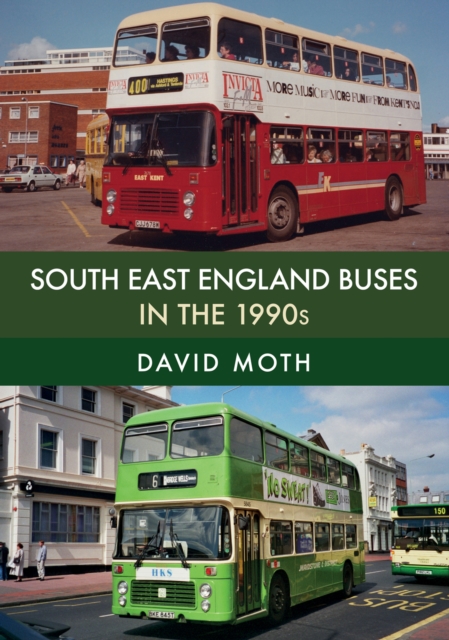
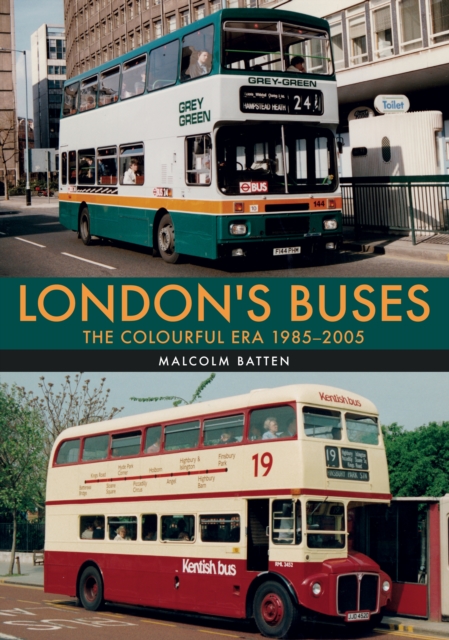
The 1990s was a period that saw the last vestiges of old company liveries and fleet names and also saw the slow (at first) dawning of the era of the low-floor bus.
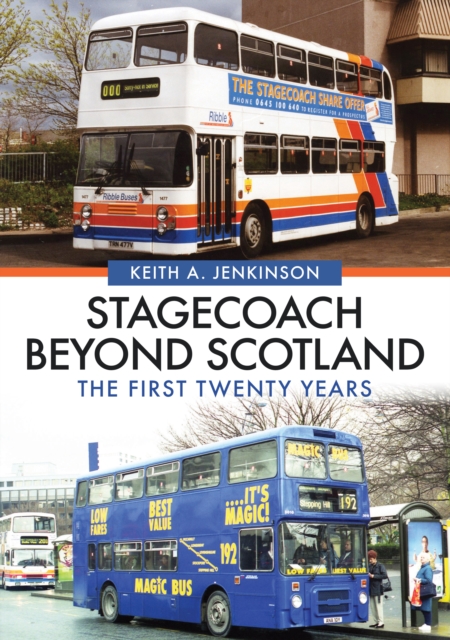
Keen to quickly expand during the 1980s, Stagecoach purchased three former National Bus Company subsidiaries during its sell-off in 1986/7 to give it a foothold in the English bus market.
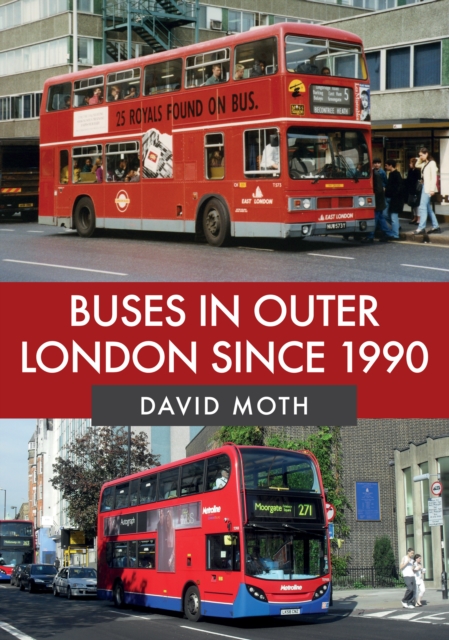
Adhering to what is considered statutory Outer London, this collection of images covers various vehicle types, operators and locations in Outer London since 1990.
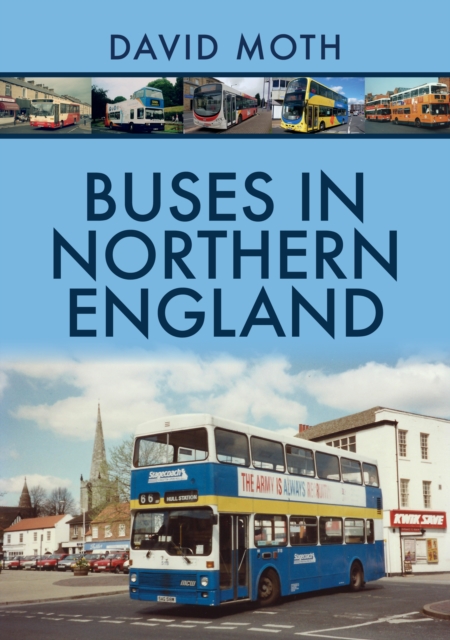
This collection features images of buses taken throughout most of Northern England although it mainly concentrates on the historic counties of Lancashire and Yorkshire.
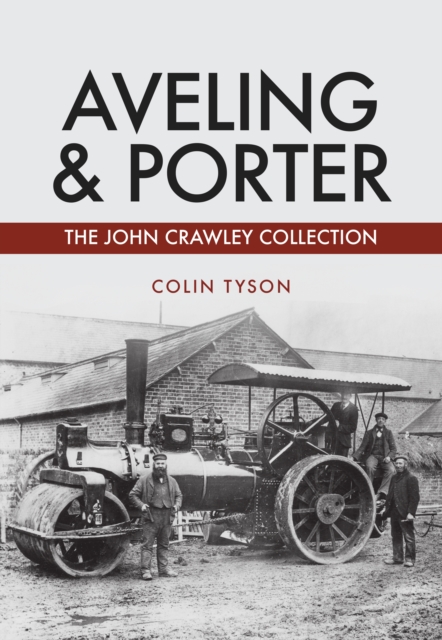
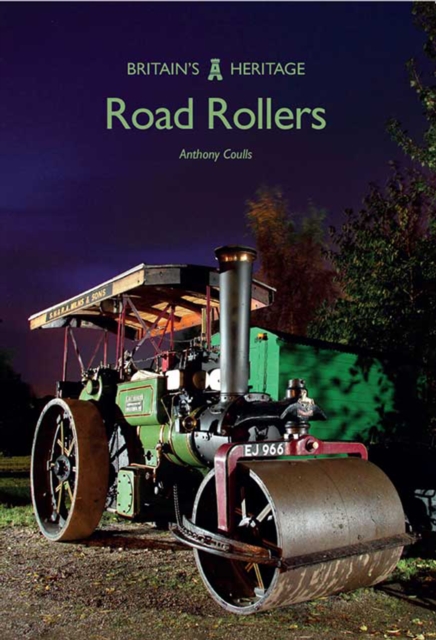
An eminent early preservationist, John Crawley was able to amass an enviable photographic archive of steam traction engines and road rollers in their working days, of which this Aveling & Porter selection formed just a part.
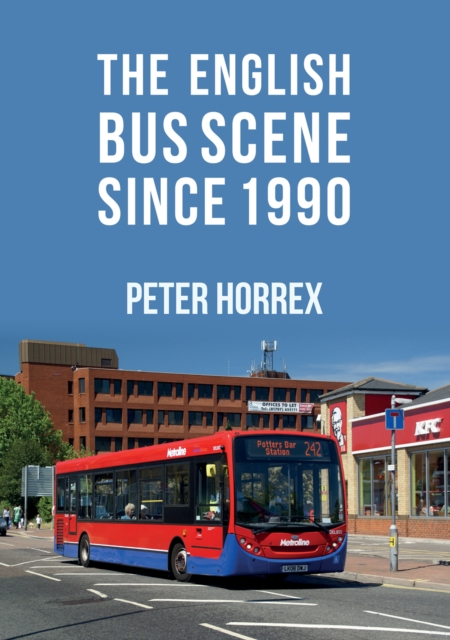
With photos taken in Yorkshire, Greater Manchester, the West Country, London and beyond, Peter Horrex takes the reader on an illuminating tour around England's modern bus scene, covering a period of almost thirty years.
This book tells the full story of one of the newest and most successful tractor manufacturers, which has roots in the classic Ford and Fiat brands of years gone by.
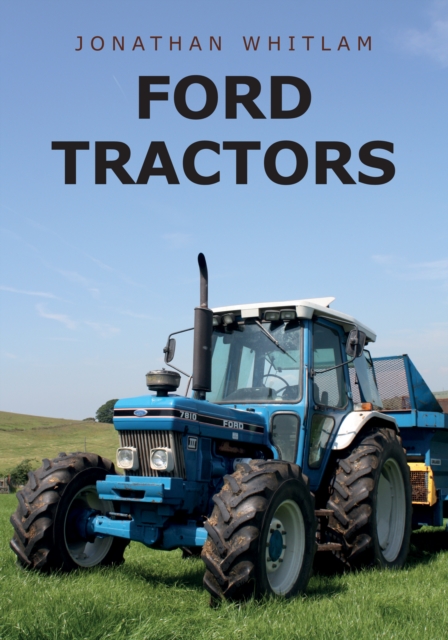
Beginning with the development of the first Ford tractors in 1917 and finishing in 1991 with the purchase of the Ford tractor brand by Fiat, this is one of the few books to tell the complete story of Ford and Fordson tractors.
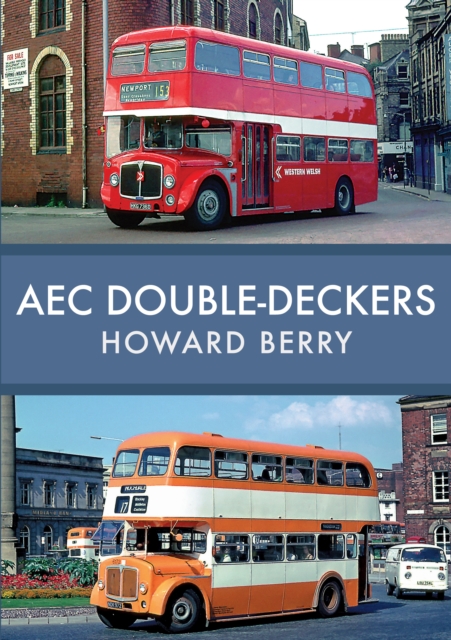
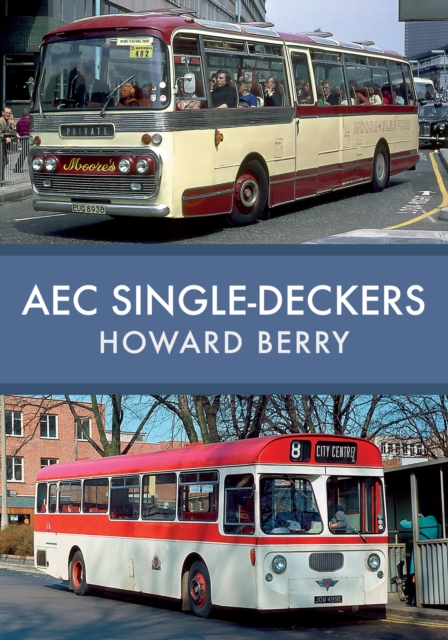
Even though it is nearly forty years since the last vehicles left the Southall factory, the products of the Associated Equipment Company, more commonly known as AEC, are still synonymous with quality and reliability.
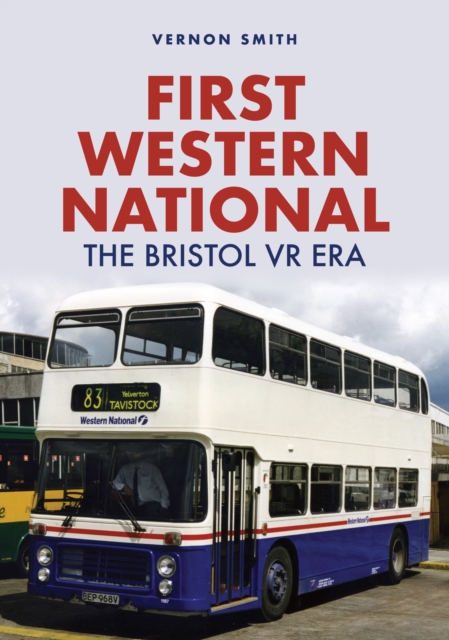
Western National is a company with a long history, and upon privatisation in 1987 introduced a striking new livery to replace the all-conquering NBC green.
In the early days of tram operations, the local borough or corporation would lay tracks that would carry the trams, while the cars would be operated by private enterprise.
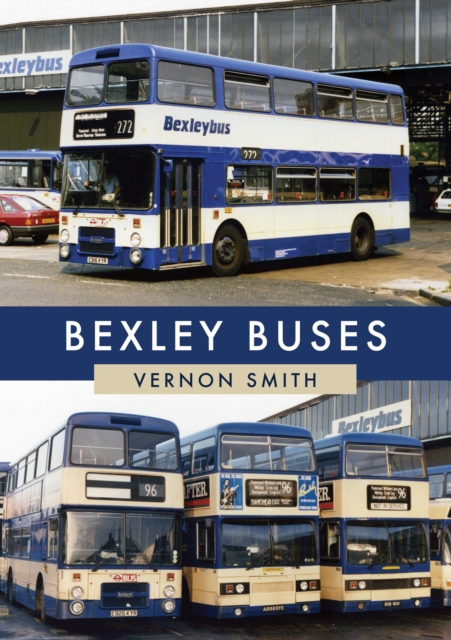
On 16 January 1988 bus services in the Bexley area underwent enormous changes - long-established routes were altered or absorbed into other routes and Sidcup Garage closed, while Bexleyheath Garage re-opened.
Even though it is nearly forty years since the last vehicles left the Southall factory, the products of the Associated Equipment Company, more commonly known as AEC, are still synonymous with quality and reliability.
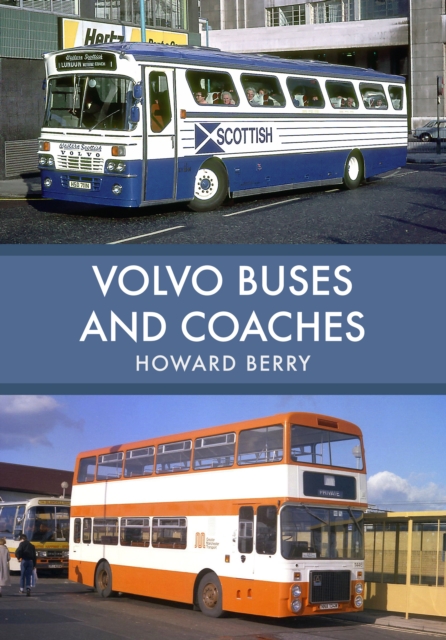
It seems impossible to think that a company who imported their first passenger vehicle into Britain in 1972 would, less than twenty years later, take over what was once Britain's largest passenger and commercial vehicle manufacturer.
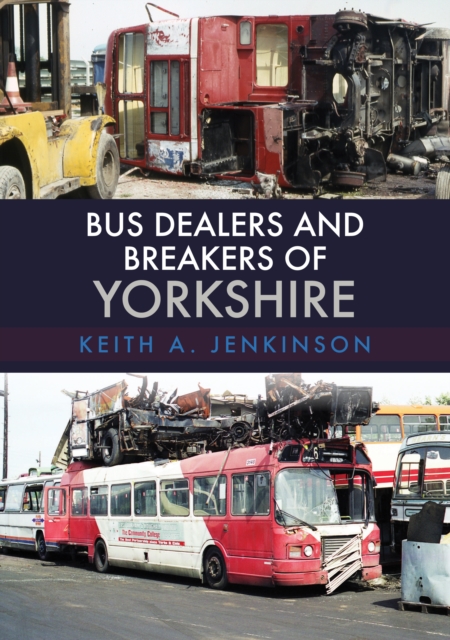
Since the late 1920s Yorkshire has played a major role in the sale of second-hand buses and coaches, as well as their ultimate end-of-life destruction.
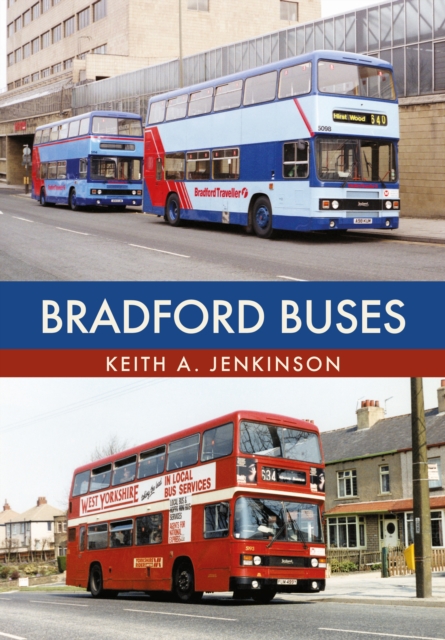
Set in the Aire Valley of West Yorkshire and surrounded by several towns, Bradford maintains a proud transport history and was the first - and last - city in the UK to operate trolleybuses.
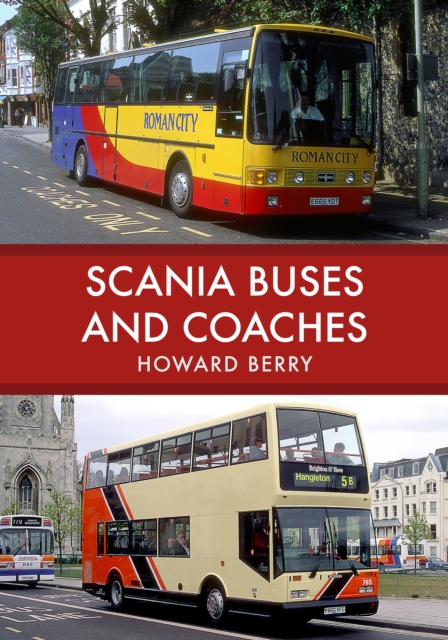
From a collaboration with MCW to produce buses in the 1970s through to the powerful luxury coaches of today, Scania vehicles are a familiar sight on the roads of Britain.
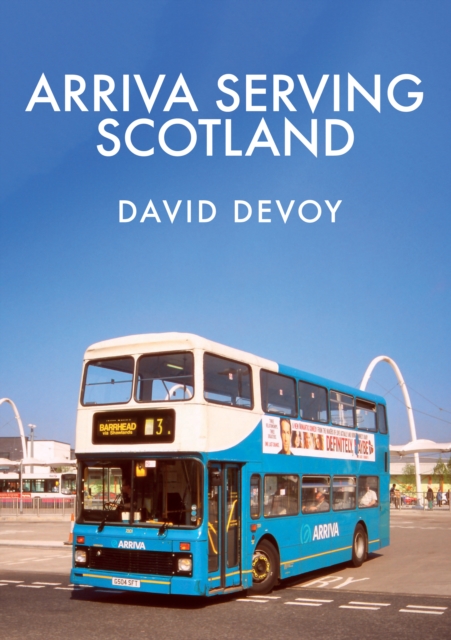
Arriva came to have a presence in Scotland as a result of several purchases and mergers, with a management buyout of Clydeside Scottish eventually leading to that company becoming a part of the giant Arriva group.