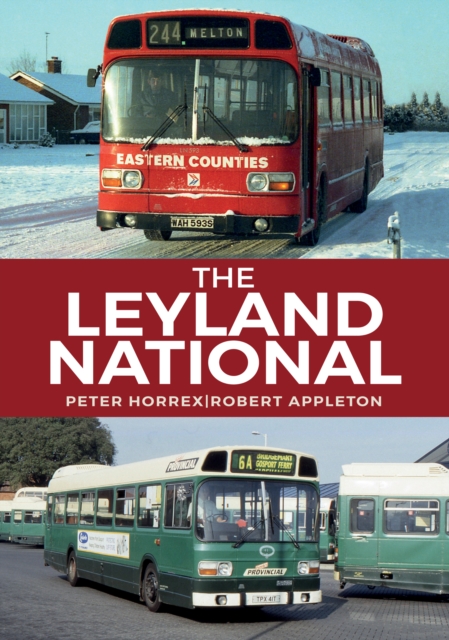
The Leyland National was conceived as a joint venture between British Leyland and the National Bus Company to replace all the rear-engined single-deckers in the British Leyland Group - the AEC Swift, Leyland Panther, Daimler Roadliner, single-deck Daimler Fleetline, and Bristol RE.
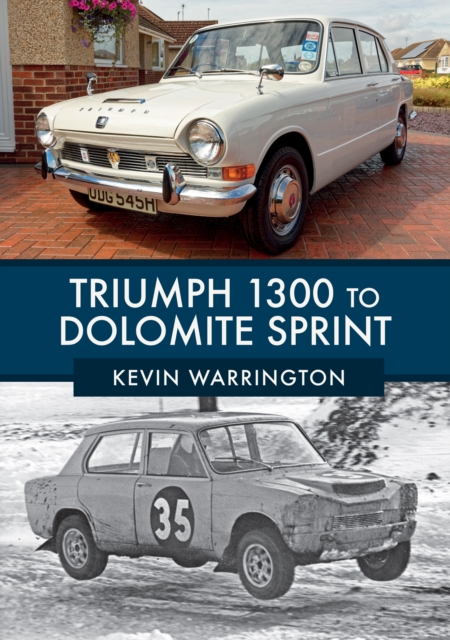
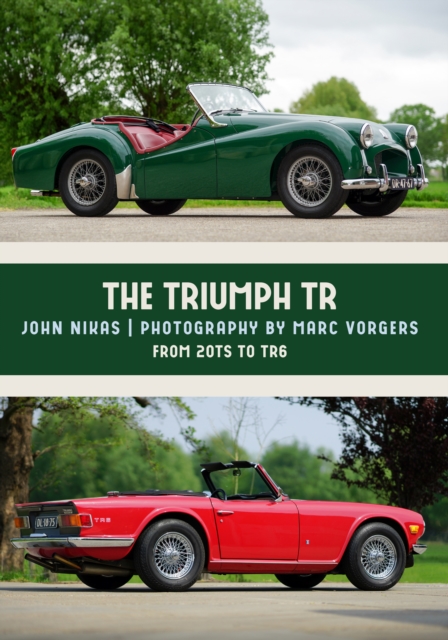
This engaging book begins with the history of Triumph, its rescue by the Standard Motor Company and the quest to replace the bestselling Herald with a more modern design, including the strong influence of the Italian designer Giovanni Michelotti.
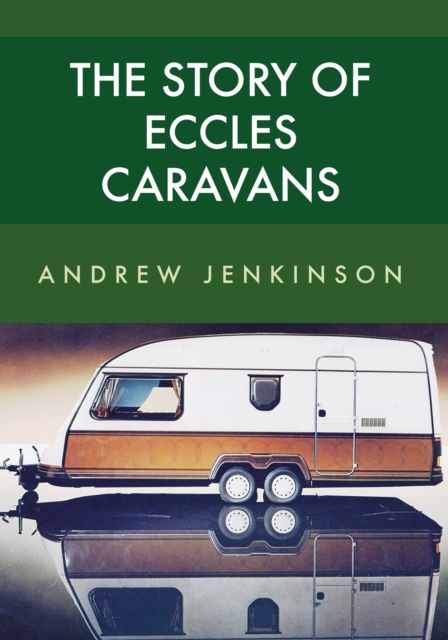
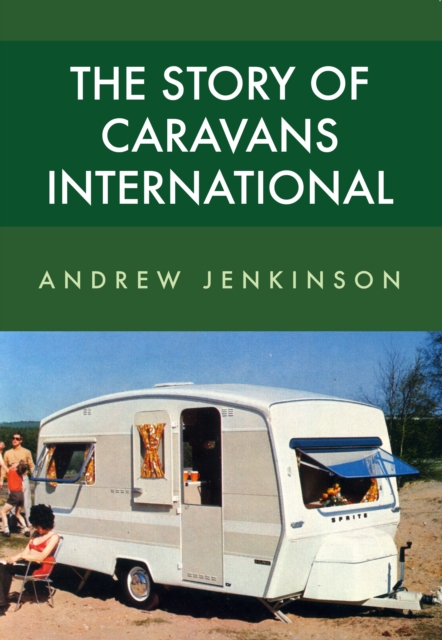
Founded in 1963 with the merger of three leading brands - Sprite, Eccles and Bluebird - Caravans International was a formidable combination of British caravan heritage.
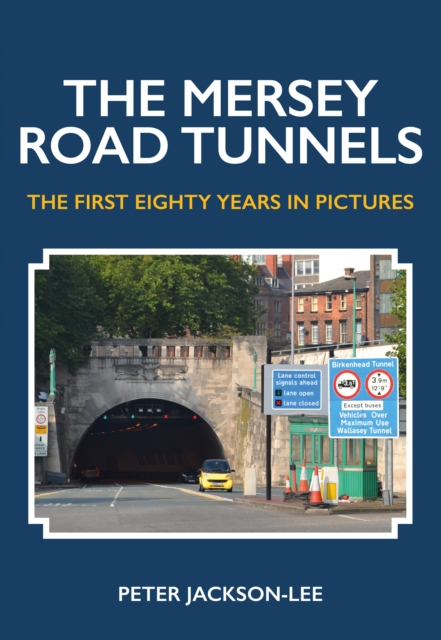
The story of the Queensway and Kingsway road tunnels, together known as the Mersey Road Tunnels, is a story of progress and growth as the area around them developed and changed.
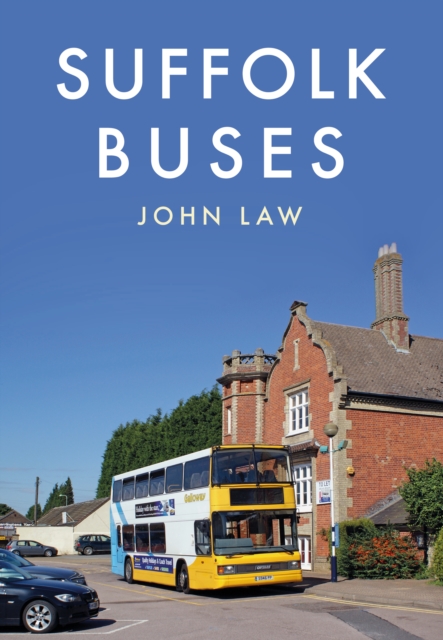
Suffolk was once the territory of the Eastern Counties Omnibus Company, with two municipal operators and several notable independents also running bus services in the county.
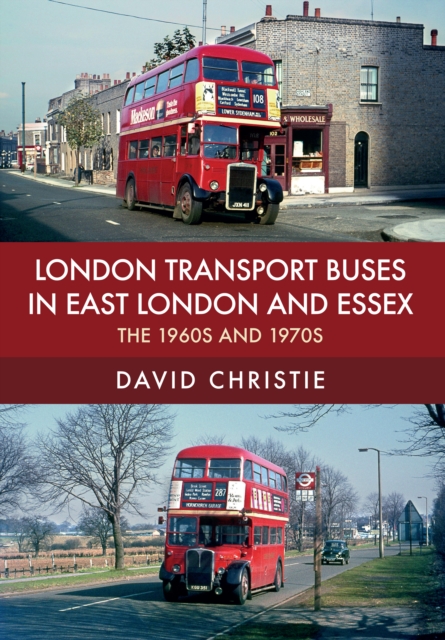
Starting at London City's eastern terminus, Aldgate, this book begins with the red central bus routes radiating out to Essex, featured together with the Green Line coach services.
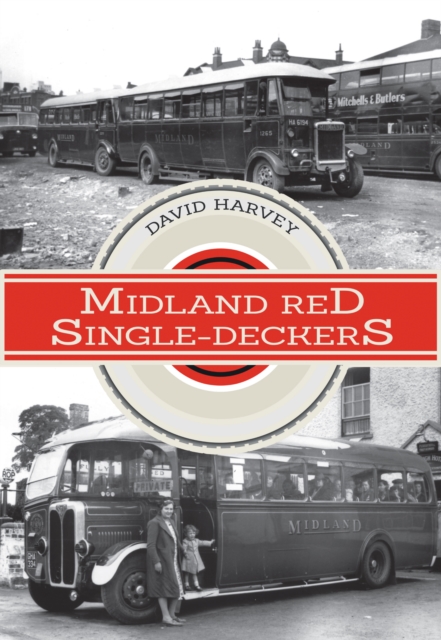
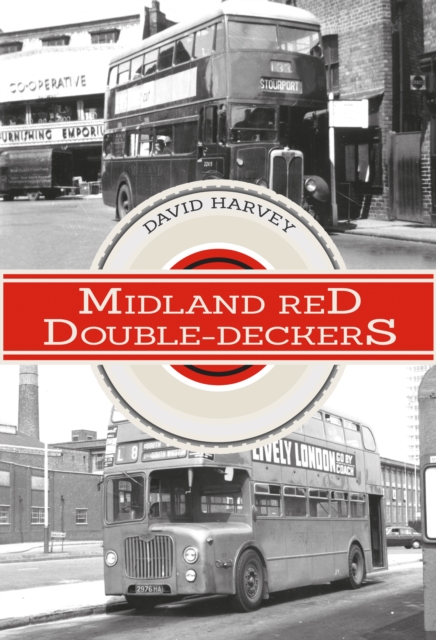
Throughout their existence from 1904 until 1981, the Birmingham & Midland Motor Omnibus Company were an idiosyncratic operator whose area of operations ranged from the Welsh Marches and Shropshire in the West to Northamptonshire and Rutland in the East and from Oxfordshire and Gloucestershire in the South to Staffordshire and Derbyshire in the North.
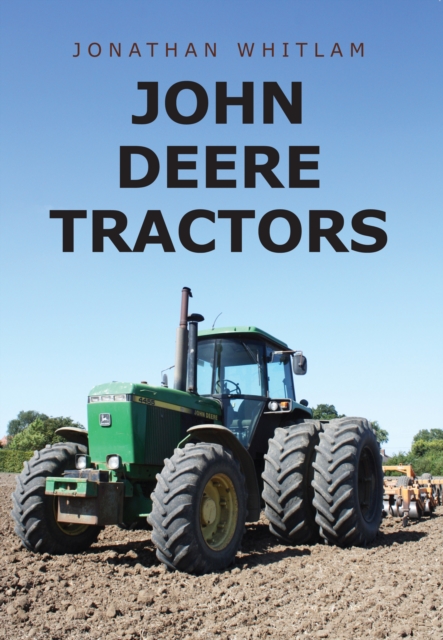
John Deere is one of the world's leading tractor companies and this fascinating book brings together the full account of production in both the United States and in Europe.
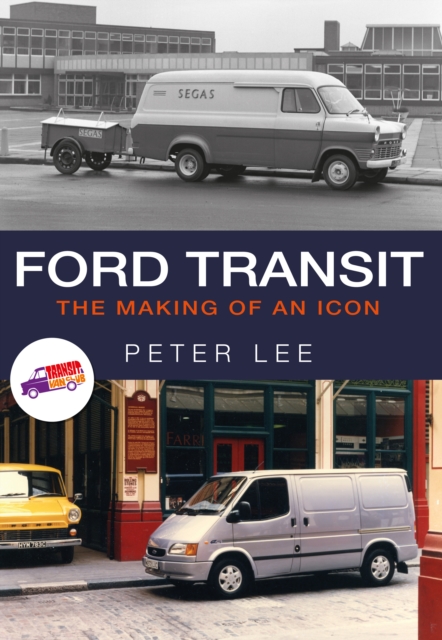
The Ford Transit is one of the most successful commercial light vans of all time and it has been the best selling light van in the UK and other parts of the world for over fifty-two years.
Commercial Cars Limited was the name of a new company set up in 1906 in south London to build a motor lorry, using what was then known as the Linley gearbox, which had degree of pre-selection in its use.
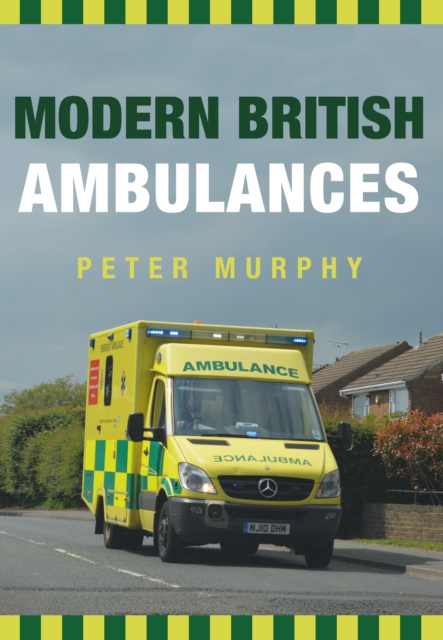
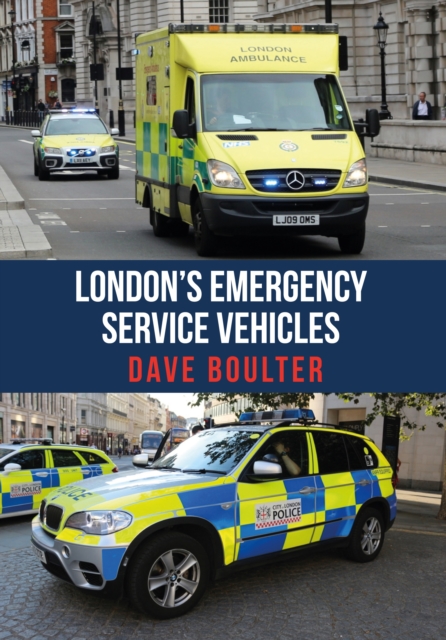
Whether your interest is police, fire, ambulance, or associated emergency and rescue services, this fully illustrated book of nearly 200 images captures central London's many 999 services going about their daily business.
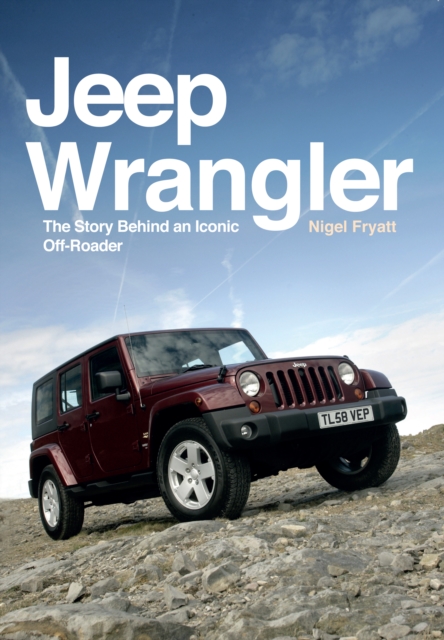
The story of today's Jeep Wrangler has an intriguing and unusual beginning, when the demands of the American army during the Second World War led to the production of a simple, yet multi-purpose, go-anywhere vehicle that could easily (and cheaply) be mass-produced.
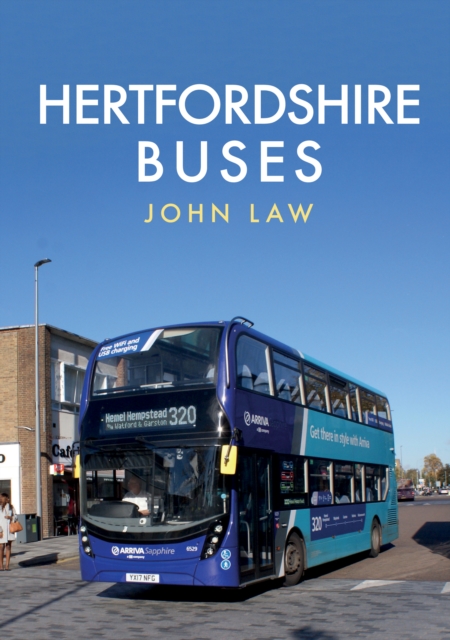
From 1933 to the end of the 1960s, most of the bus services in Hertfordshire were in the hands of London Transport's country services, with standardised green buses.
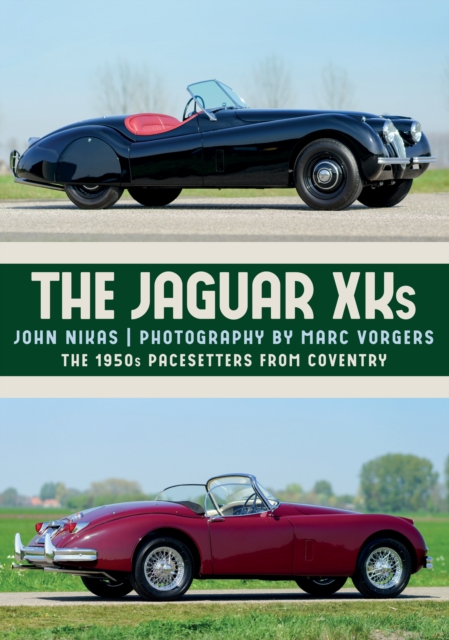
The Jaguar XK120 caused a sensation at the 1948 London Motor Show with its stunning appearance and the startling performance on tap from the innovative XK engine.
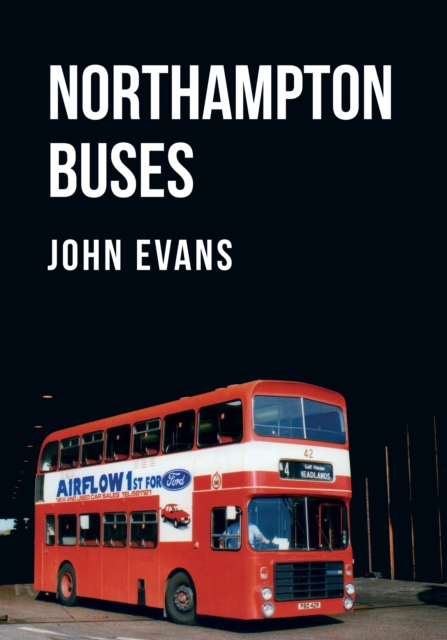
The first buses started running in Northampton in the 1920s and as the years progressed they were synonymous with high standards of maintenance and good service.
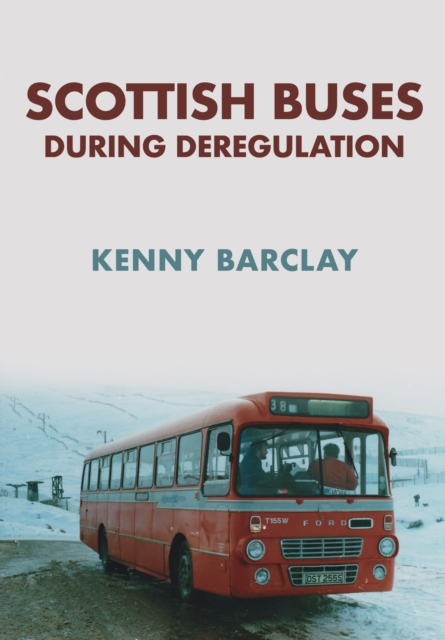
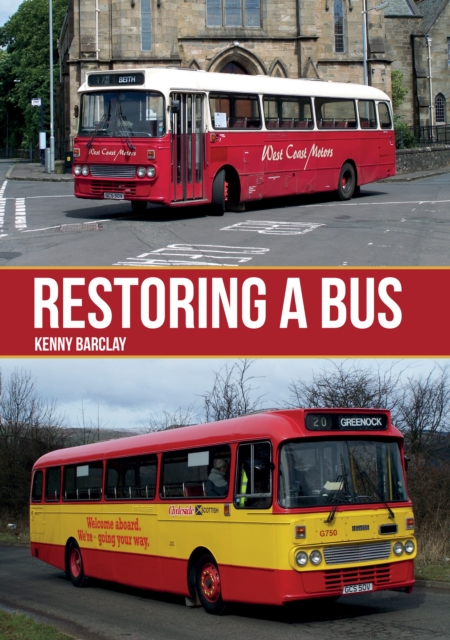
In the late 1980s, when he first took an interest in the buses he was travelling on, Kenny Barclay wouldn't have imagined in his wildest dreams that he would ever own one.
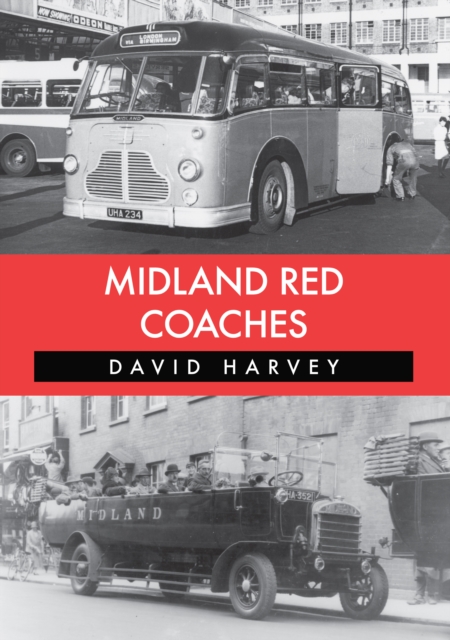
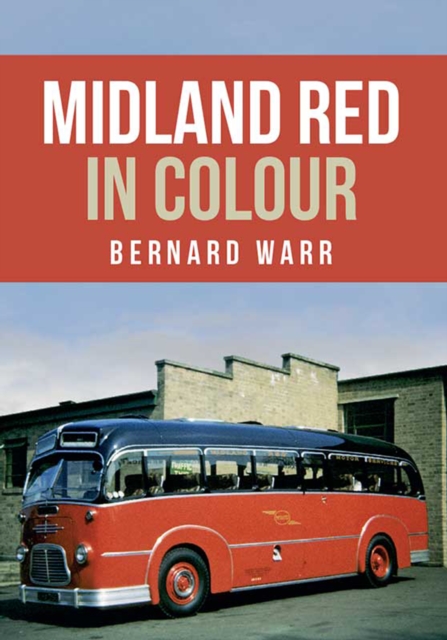
The story of Midland Red is well known in enthusiast circles, and those lucky enough to have experienced the company at its peak can well remember the fleet of nearly 2,000 bright red vehicles not only cheering up the industrial areas of the Black Country and the East Midlands but blending seamlessly with the bucolic charms of the Vale of Evesham, Warwickshire, Worcestershire and Shropshire.
Considered among the most desirable sports cars ever built, Triumph's TR series were renowned for their strong performance, rugged construction and iconic styling.
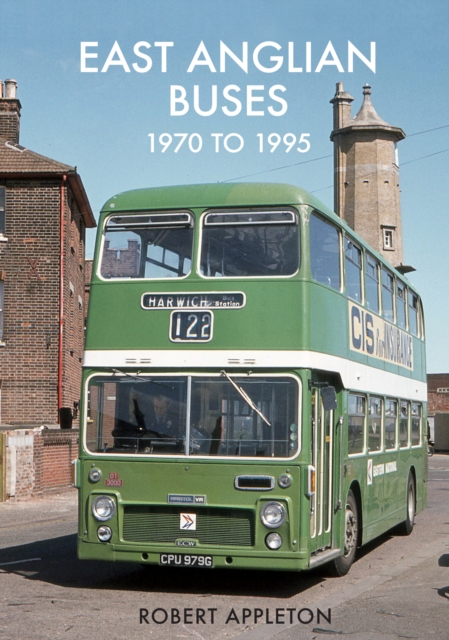
Robert Appleton's superb images stretch back to 1970, featuring the buses of the Eastern Counties Omnibus Company Ltd and the Eastern National Omnibus Company Ltd.