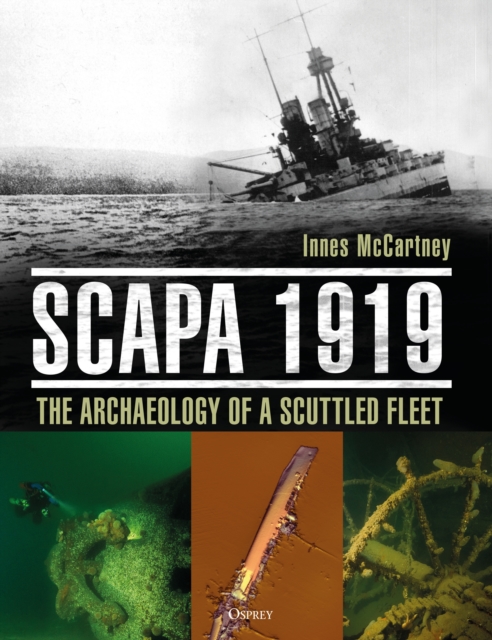
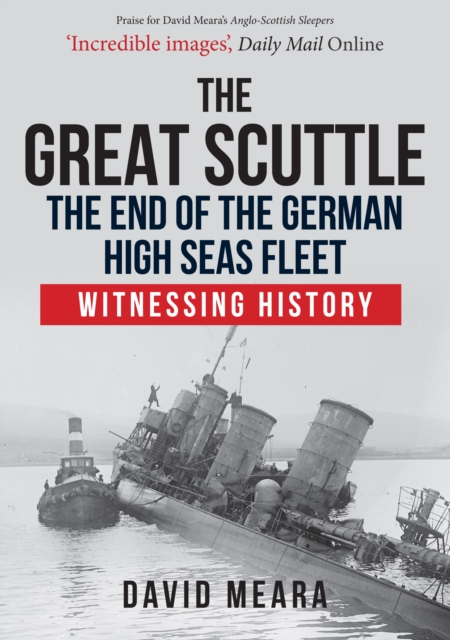
Marine archaeologist Dr Innes McCartney reveals for the first time the location and state of the wrecks of all 25 warships sunk in the scuttling of the German fleet at Scapa Flow.
Marine archaeologist Dr Innes McCartney reveals for the first time the location and state of the wrecks of all 25 warships sunk in the scuttling of the German fleet at Scapa Flow.
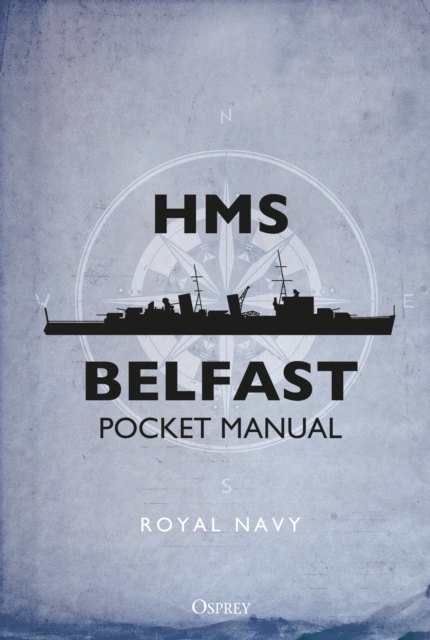
A unique guide to this famous warship, collating authentic period sources including design notes and information for sailors to provide a unique guide to this famous warship.
A unique guide to this famous warship, collating authentic period sources including design notes and information for sailors to provide a unique guide to this famous warship.
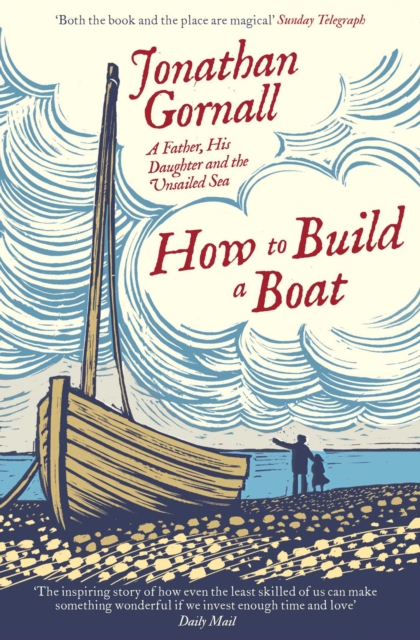
';The passages he addresses directly to Phoebe are as tender as the father-daughter letters in Karl Ove Knausgaard's Seasons Quartet' Times Literary Supplement ';This book tells the inspiring story of how even the least skilled of us can make something wonderful if we invest enough time and love' The Daily Mail Both the book, and place, are magical The Sunday Telegraph When Jonathan Gornall decided to build a boat for his daughter, he had no experience and no practical skills.
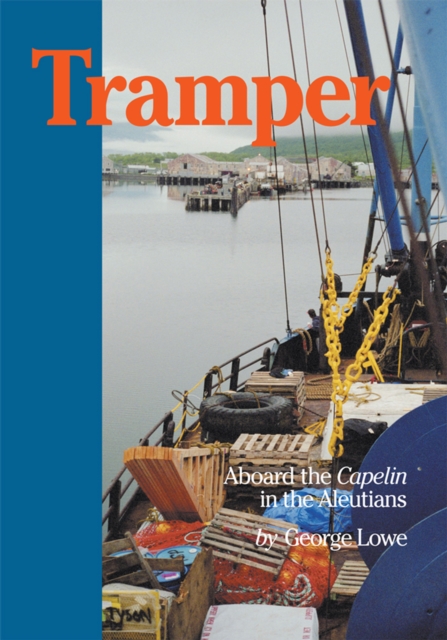
TRAMPER tells the story of the Capelin, a battered old World War II supply ship that earns its keep crossing the stormy North Pacific between Seattle and the Aleutian Islands delivering cargo to the remote fishing villages of Western Alaska.
Following the structure of previous editions, Volume 2 of this Sixth Edition proceeds through four individual chapters on geomembranes, geosynthetic clay liners, geofoam and geocomposites.
Winner for the 2010 SOS Marine Heritage Award The steamer Wexford, with her flared bow, tall masts, and her open, canvas-sided hurricane deck, charmed spectators as she carried cargo across the Great Lakes.
Originally published London 1931, this is a well illustrated book that will prove invaluable to the class of yachtsmen for whom it is intended, with much information that will still be found practical and relevant to the modern reader.
Hobbs of Henley is not only one of the best-known businesses in Henley-on-Thames, it also boasts one of the most exclusive and recognisable fleets of boats plying the river today.
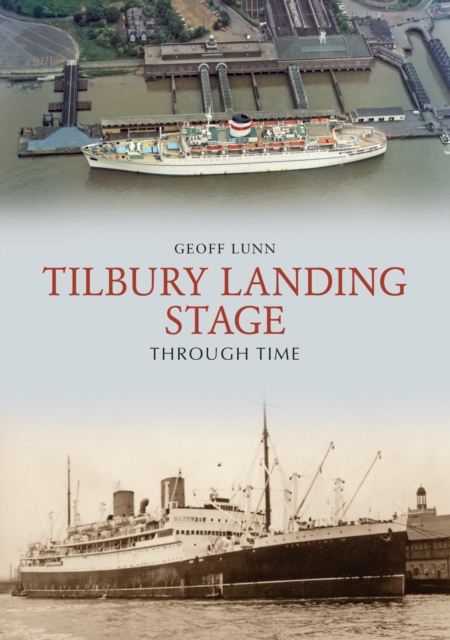
Located on the north bank of the River Thames opposite Gravesend, with which there has been a ferry link for centuries, Tilbury Landing Stage is a fine vantage point for viewing shipping passing to and from upriver berths.
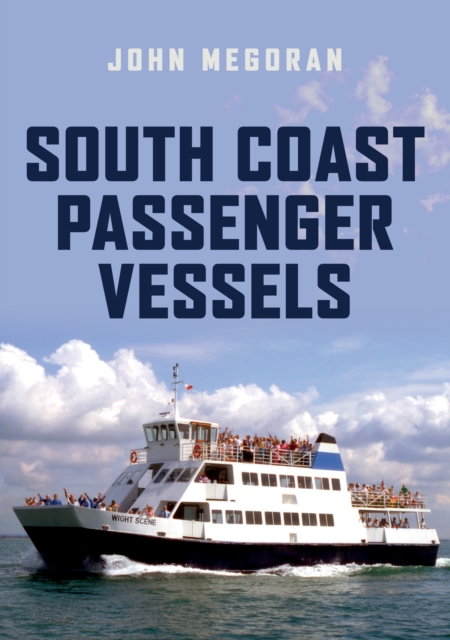
Any who think that the end of the long coastal excursions by paddle steamers of yesteryear brought a halt to a trip on the briny may be surprised to learn that there are still more than eighty vessels with Maritime and Coastguard Agency passenger certificates offering cruises on the South Coast today.
After the German surrender in November 1918, the German High Seas Fleet was interned at Scapa Flow in the Orkney Islands, the anchorage for the Royal Navy's Grand Fleet throughout the First World War.
Two things made the battleship possible: the harnessing of steam for propulsion and Britain's vast industrial power in the late eighteenth and early nineteenth centuries.