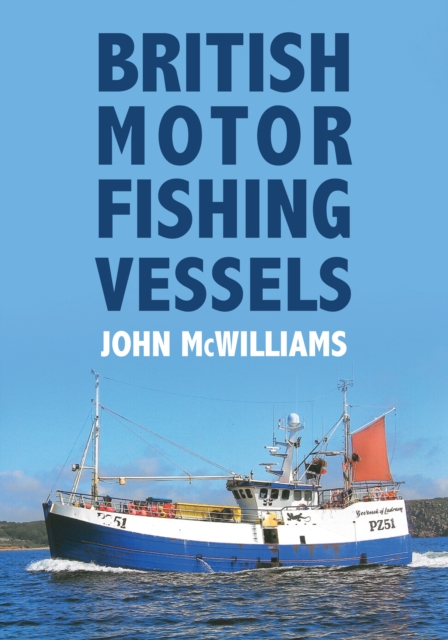
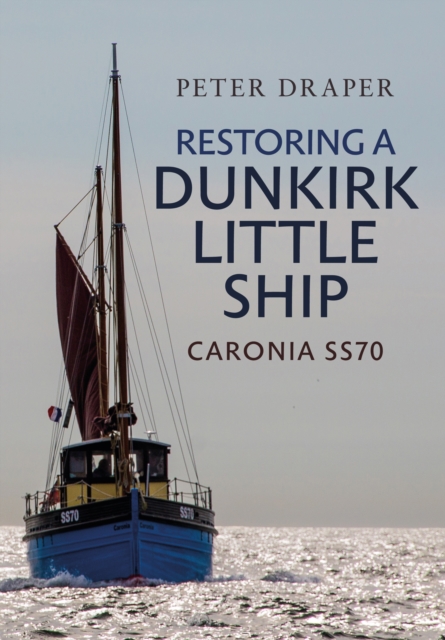
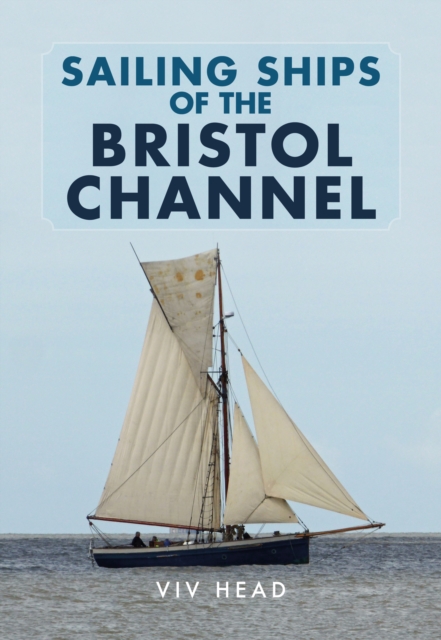
British traditional working boats are famous - Morecambe Bay prawners, Manx luggers, Scots fifies and zulus, Lowestoft and Yarmouth drifters, Yorkshire cobles, Colchester smacks, Hastings beach boats, Brixham trawlers, and many others.
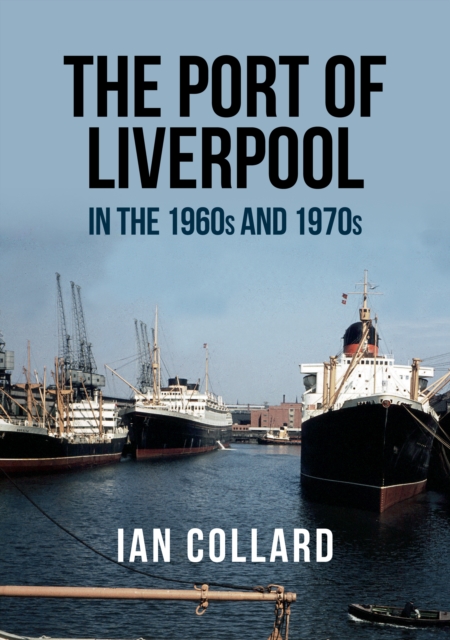
In the 1960s and 1970s, many of the traditional shipping companies trading or based in Liverpool slowly vanished because of containerisation or competition from passenger aircraft.
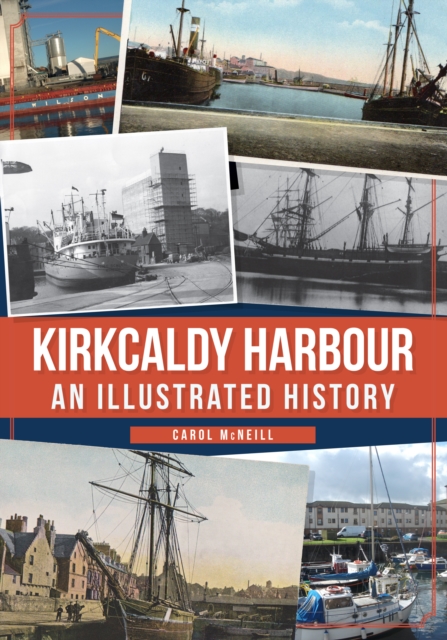
Kirkcaldy Harbour: An Illustrated History traces the story of Kirkcaldy harbour from its sixteenth-century royal connections, through the boom years of commercial shipping, to its recent rescue from dereliction by the international grain ships servicing the huge flour mill.
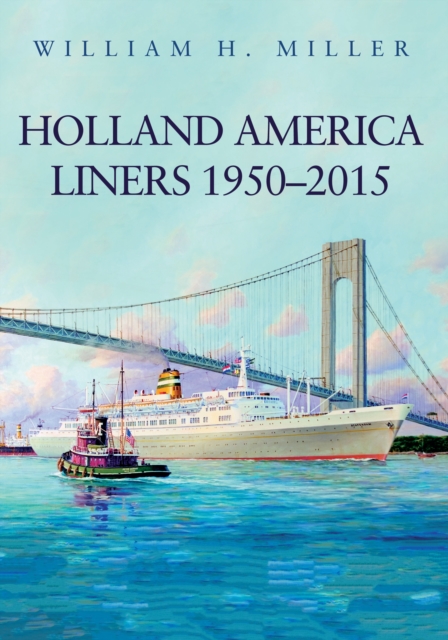
The Holland America Line was founded in 1873 and operated a fleet of passenger and cargo vessels from the Netherlands to the east and west coasts of America.
P&O was established in 1837 and maintained a schedule of routes to India, the Far East and Australia, being the first choice for the majority of passengers travelling to that part of the world.
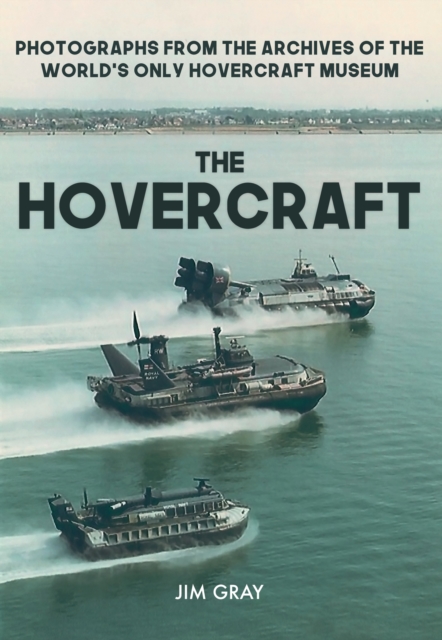
Lee-on-the-Solent is synonymous with planes and seaplanes, but it is also the home of another, slightly more unusual form of transport - the hovercraft.
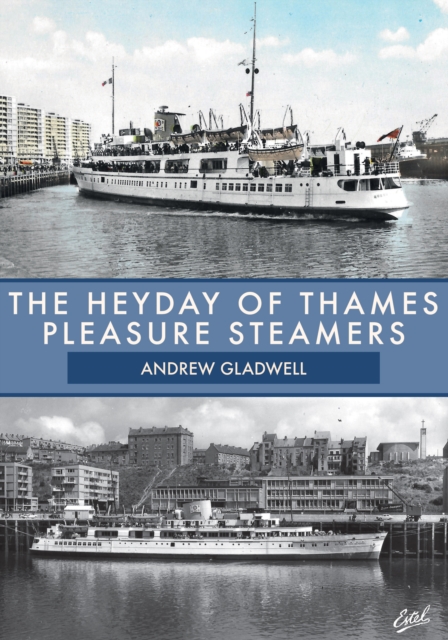
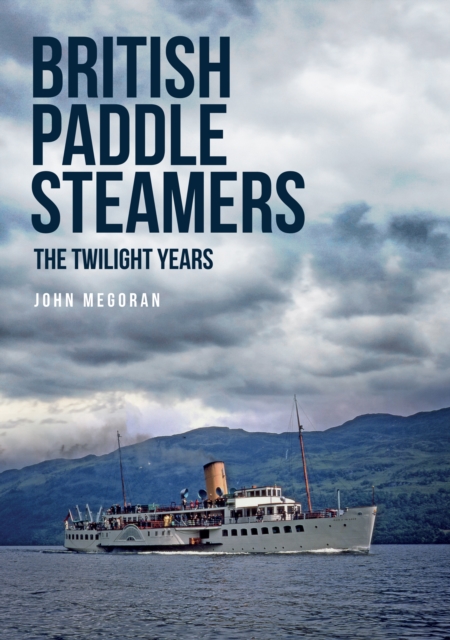
In the aftermath of the Second World War, paddle steamers in Britain initially did rather well, with four new ones built between 1946 and 1953 and about sixty still in service nationwide.
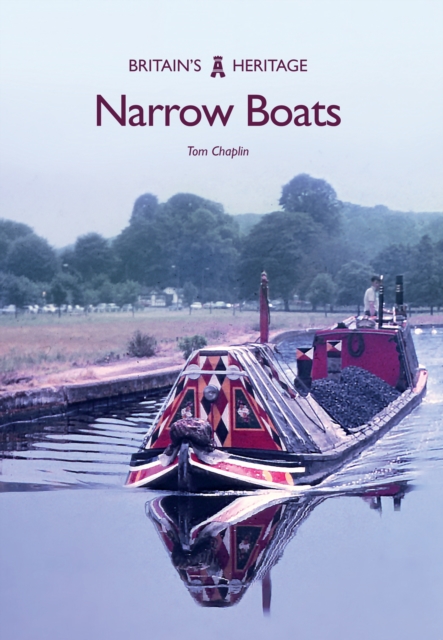
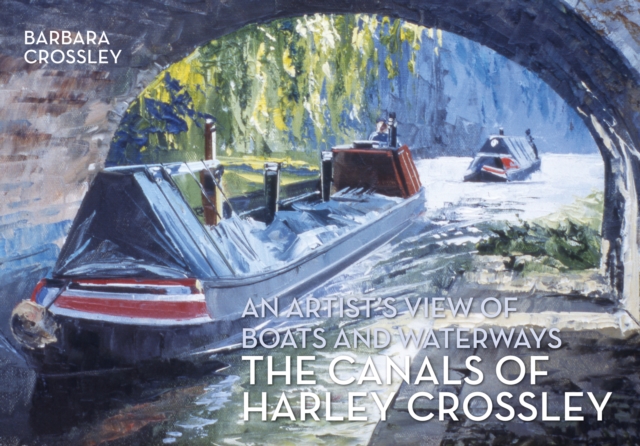
The traditional cargo-carrying narrowboat - recently voted one of the 100 icons of England - emerged with the construction of the narrow canal network and lasted in until 1970 when the last regular long-distance contract was lost.
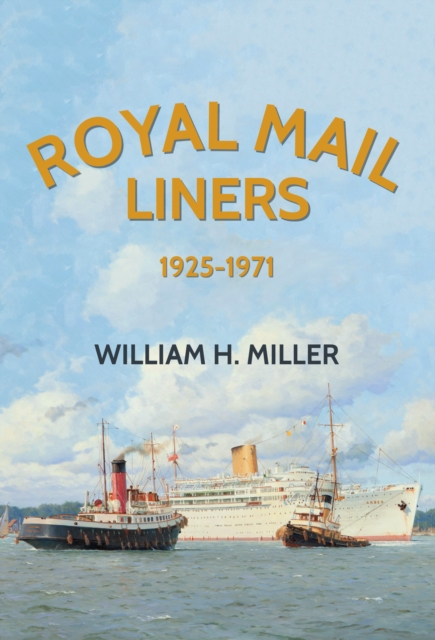
In the post-war era, there was still a demand for ocean-going travel, not just on the glamorous large liners and mail ships, but also on much smaller ships.
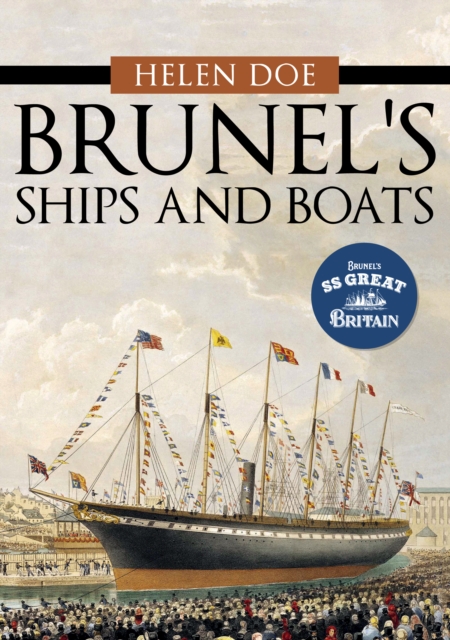
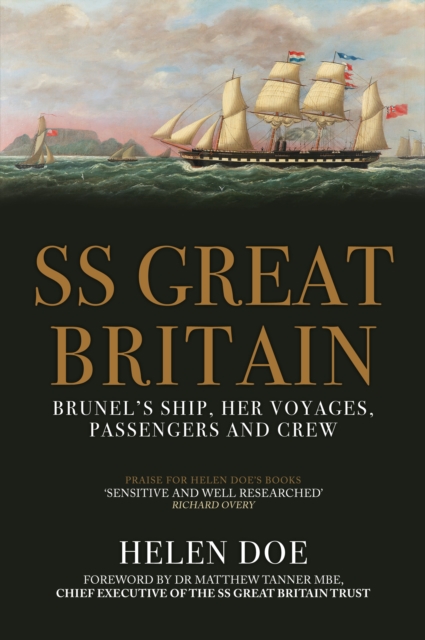
The Great Western is the least known of Isambard Kingdom Brunel's three ships, being overshadowed by the later careers of the Great Britain and the Great Eastern.
Featuring 180 wonderful images, Classic Boats offers an accessible, beautifully illustrated guide to some of the stunning craft that can be seen around the shores of Europe today.
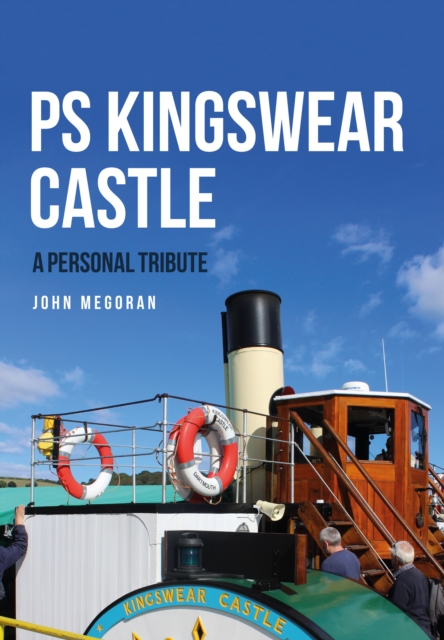
Kingswear Castle is one of a number of smaller paddle steamers built in the nineteenth and early twentieth centuries to provide transport and excursions along some of Britain's most beautiful rivers.
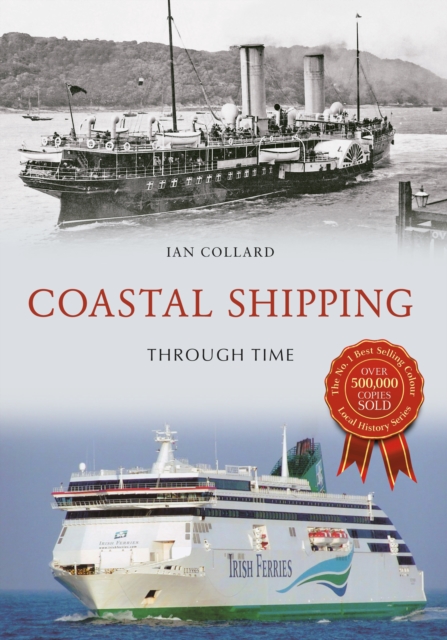
Before the development of canals, railways or metalled roads, the quickest and most effective means of transporting goods from one point to another in Britain was by the use of coastal shipping, shallow-draught boats travelling between the ports of the British Isles.
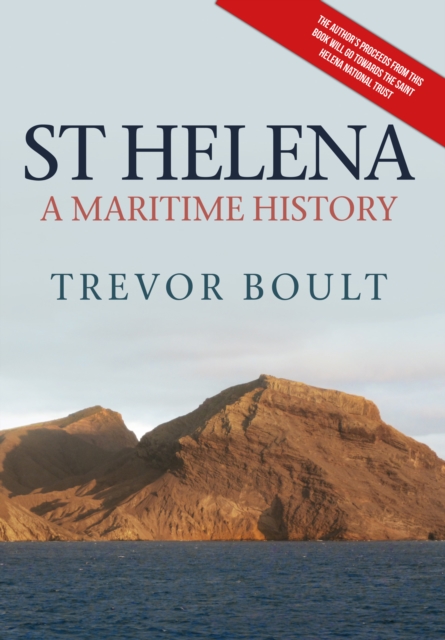
In 1977, the remote British island of St Helena in the South Atlantic, host to Napoleon and Captain Bligh, and Boer War prisoner-of-war camp, was first served by a lifeline motorship dedicated to the purpose.
The 1954 film On the Waterfront brought to life the New York docks of the 1950s, when it was often said that a ship, usually a freighter, arrived or departed every 24 minutes, around the clock.
For a hundred years excursion paddle steamers gave all the social classes the opportunity to enjoy a cruise on the briny from ports, resorts and piers around the UK.
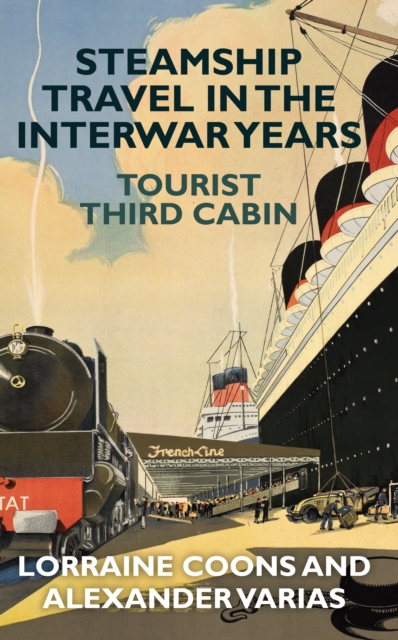
Steamship Travel in the Interwar Years: Tourist Third Cabin offers a window into a bygone era in which modern steamships like the Queen Mary, the Normandie, and the Olympic transported new breeds of tourists between Europe and North America, and dazzled them with their technological marvels and palatial interiors.
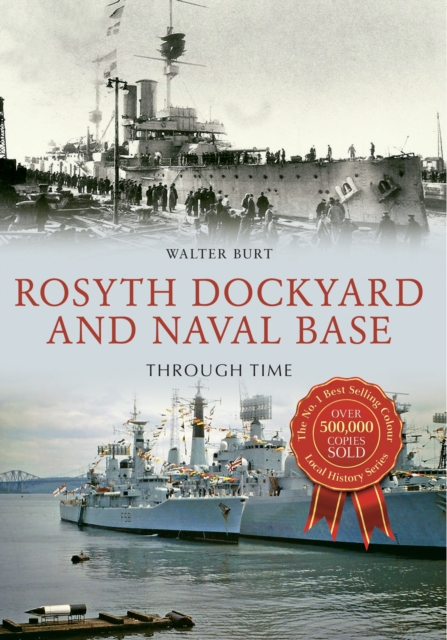
With the coming of the naval arms race with Germany, in 1903 the Admiralty decided to establish a naval base and dockyard at Rosyth, taking advantage of deep tidal water there.
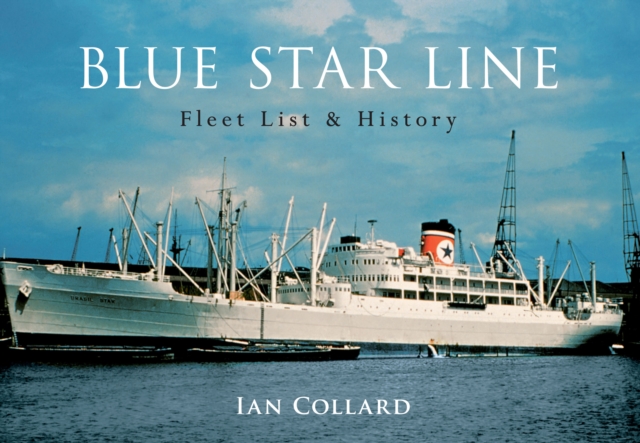
The Blue Star Line was founded by brothers William and Edmund Vestey in 1911 to ship meat in refrigerated vessels from Australia, New Zealand and South America to the UK.
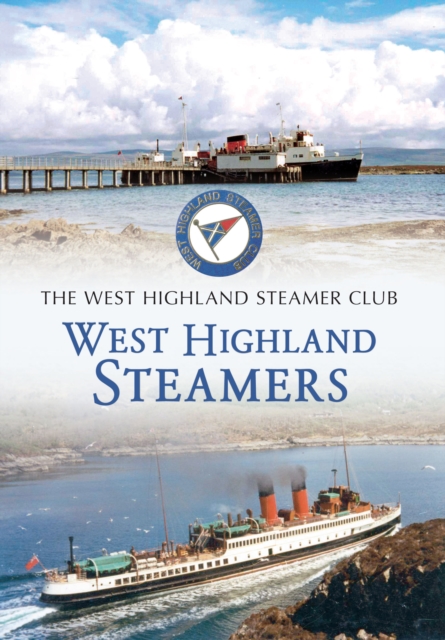
The Red Book, the twice-yearly newsletter, now the Journal of the West Highland Steamer Club, regularly contained a collection of ship photographs of both everyday and special events in the lives of the MacBrayne vessels which plied the waters of the west coast of Scotland, from charters of vessels like the pioneering 1920s turbine steamer King George V and delivery voyages through the Caledonian Canal to regular ferry voyages.
Growing up in Preston, with its eclectic range of transport, provided well-known local historian David John Hindle with the inspiration to write this book on the transport heritage of Preston.