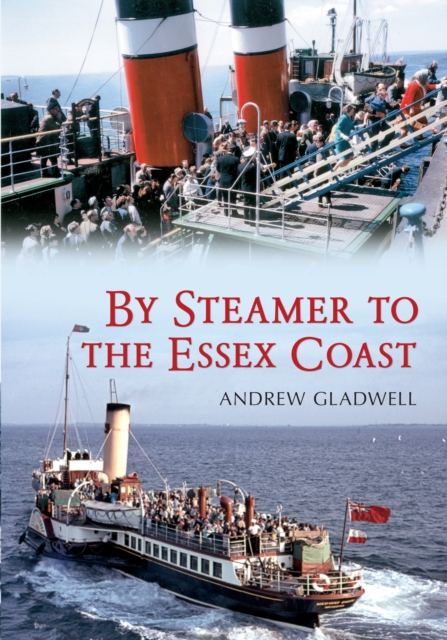
Cruises by pleasure steamer along the Essex coast have been a popular day out since the Victorian age, and are still going strong today despite a plunge in popularity in the 1960s and 1970s and several tragic fires.
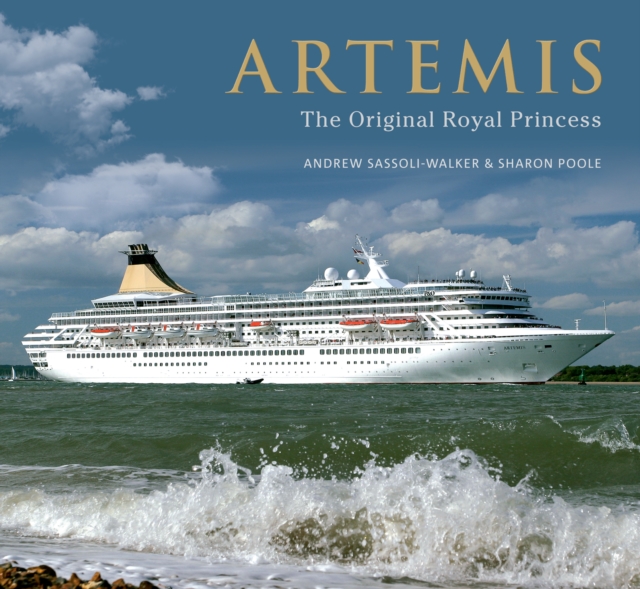
When Royal Princess was named in Southampton by HRH The Princess of Wales in November 1984, she was the most advanced purpose-built luxury cruise ship ever conceived and constructed.
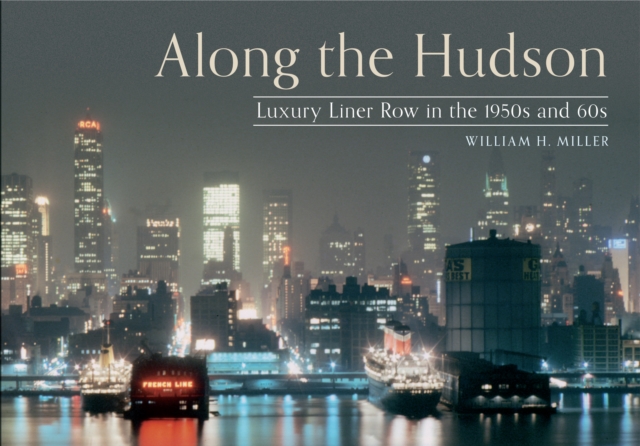
On both sides of the Hudson River, along the Manhattan and Hoboken waterfronts, for the best part of a century, millions of people teemed out of ocean liners, bound for a new life in North America.
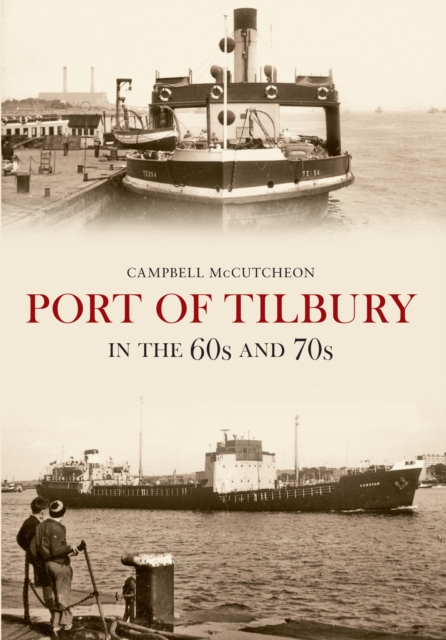
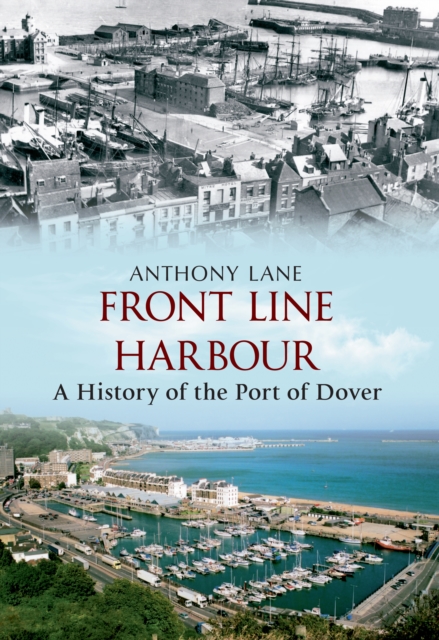
The 1960s saw a gradual movement of shipping from central London and the quays, wharves and docks of the upper River Thames down river to Tilbury and Harwich.
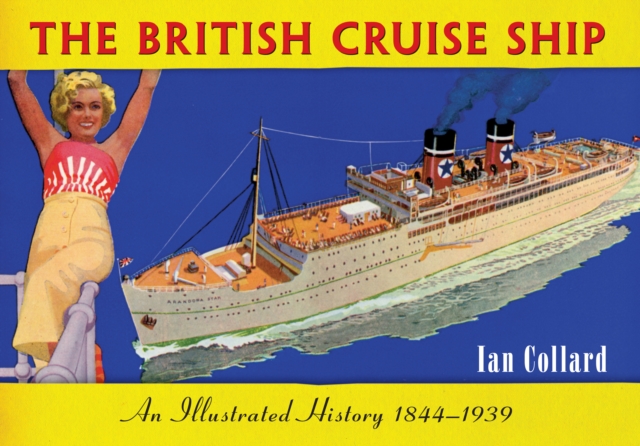
When Arthur Anderson invited William Makepeace Thackeray to take a cruise in 1844, and to write about it, British shipping lines offered passage on their vessels for no other reason than leisure.
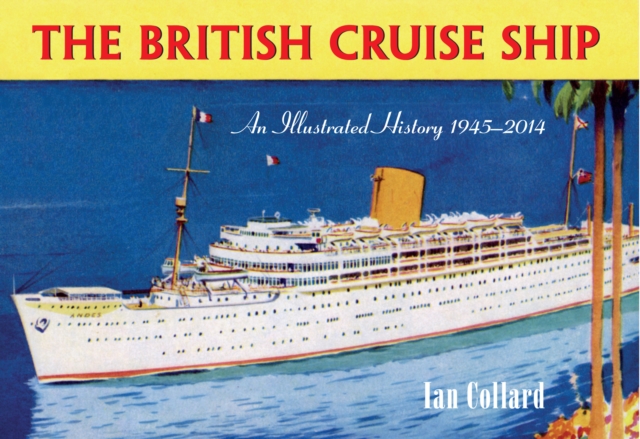
Since Arthur Anderson invited William Makepeace Thackeray to take a cruise in 1844, and to write about it, British shipping lines have offered passage for no other reason than leisure on their vessels.
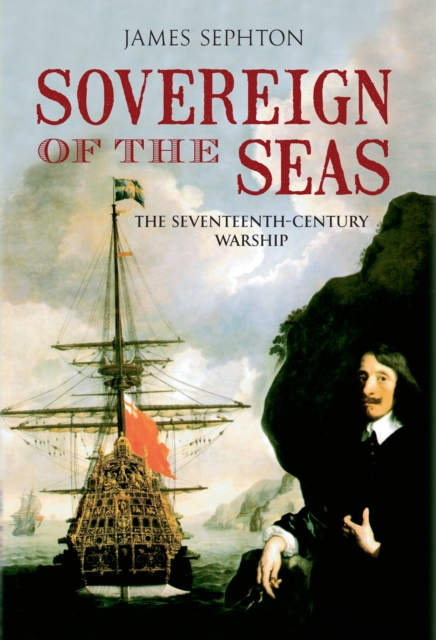
Charles I's authoritative and intolerant rule as monarch, and the unpopular Ship Money tax which he initiated, were instrumental in creating the most splendid and controversial warship in English history.
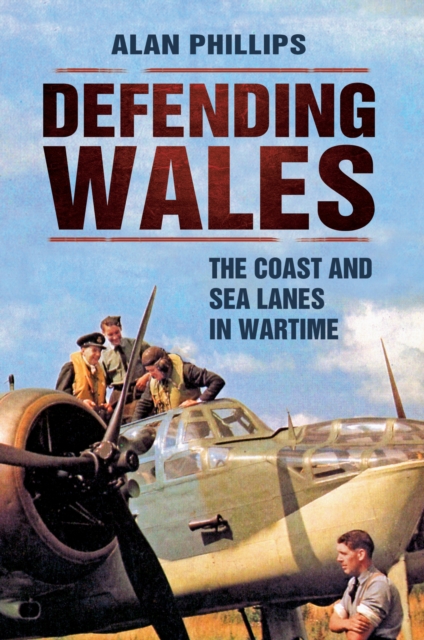
The arrival of the U-boat in the First War, and the addition of the bomber in the Second brought the Welsh coast and sea lanes into range of German attack.
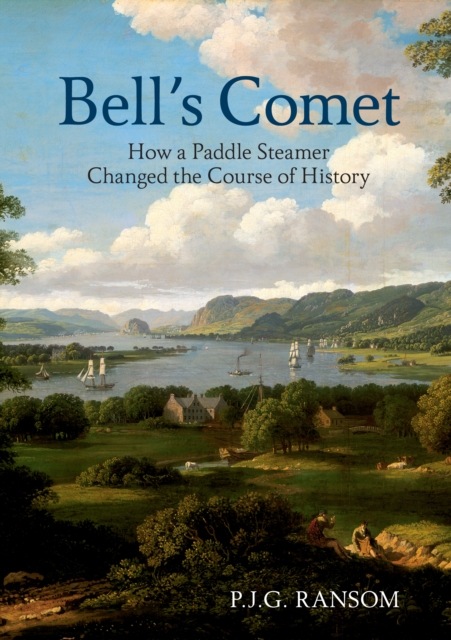
The passenger steamer burst upon the early nineteenth century with all the suddenness and immediate widespread popularity of electronic communications in our own time.
'In Sweet Thames Run Softly Robert Gibbings describes how in 1939 he saw a window of Blackwell's Bookshop in Broad Street, Oxford full of books on the Thames.
When we think of our seagoing past, it tends to be about the harbours, docks, and quaysides through which trade passed, or the famous ships such as the Grand Fleet of the Royal Navy, and the great liners that graced the oceans up to the end of the twentieth century.
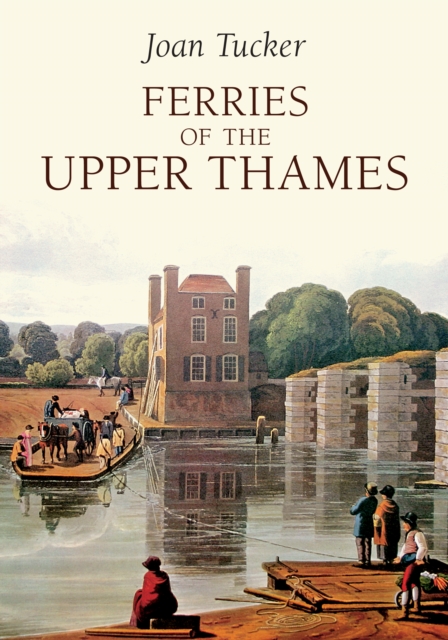
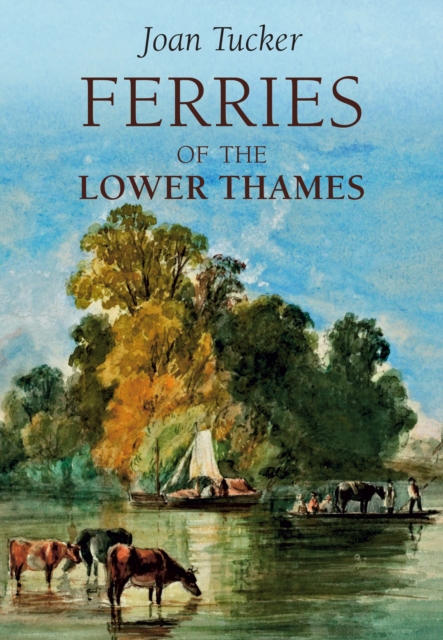
Many books have been written about the River Thames, some of them devoted to bridges, but not one has been specifically devoted to ferries on the river, until now.
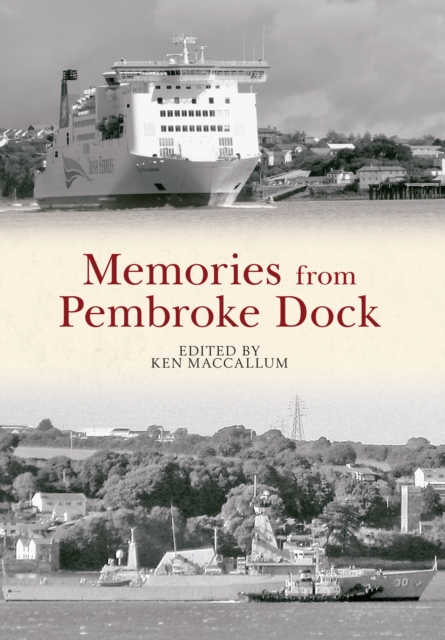
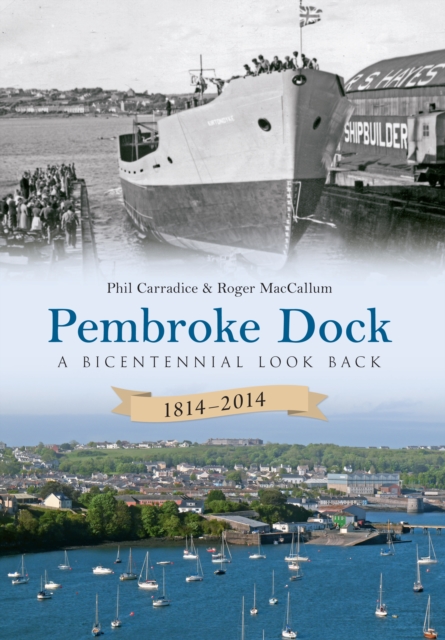
In 2014 Pembroke Dock celebrates 200 years since its founding, when a Royal Dockyard - the only one ever to exist in Wales - was established here on the banks of Milford Haven.
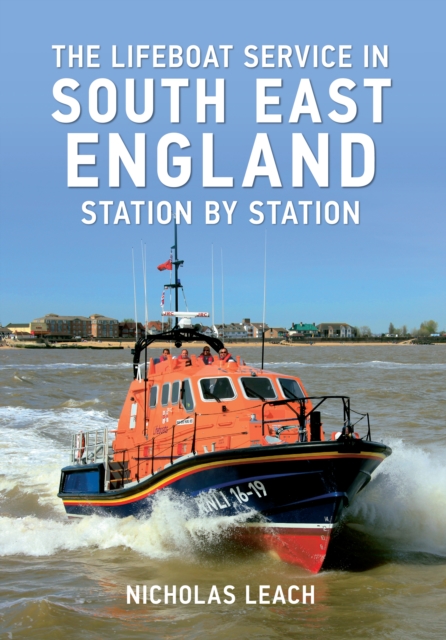
The Royal National Lifeboat Institution was established in 1824, and has a long and proud tradition of saving life at sea; nowhere is this more evident than in the south-east of England.
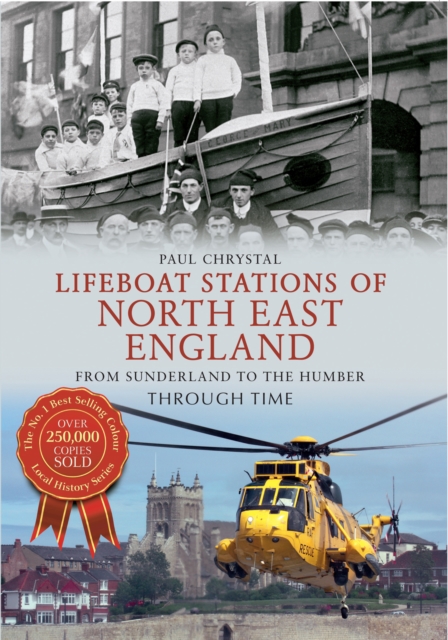
This is the first book to be published that takes a 'then and now' view of the fourteen lifeboat stations on the north east coast between Sunderland and the Humber estuary.
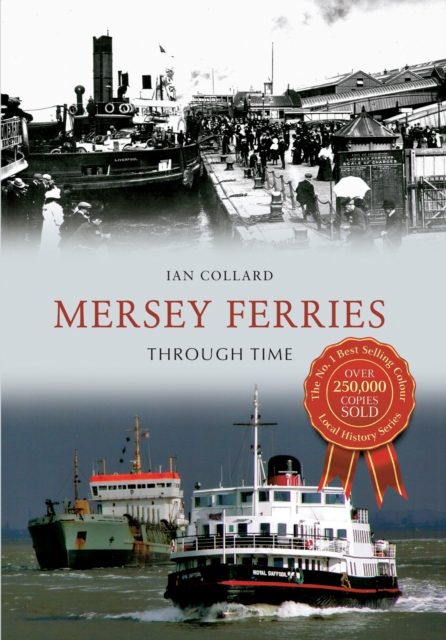
A Mersey ferry was recorded in the Domesday Book, and for around a thousand years, they have plied between Birkenhead and Wallasey on the Wirral and Liverpool.
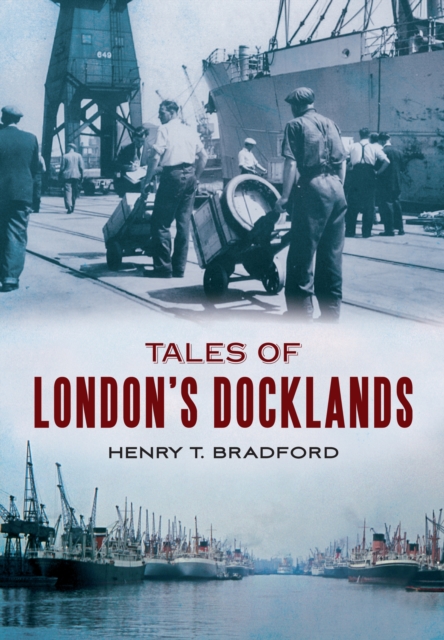
Tales of London's Docklands is an engaging and endearing account of the day-to-day experiences of hardworking dockers in the Port of London after the Second World War.
On a blustery, West Highland summer's day in the early 1950s, a black-hulled mail steamer ploughed its way northwards from Mallaig up through the Sound of Sleat between the mainland of Scotland and the Isle of Skye.
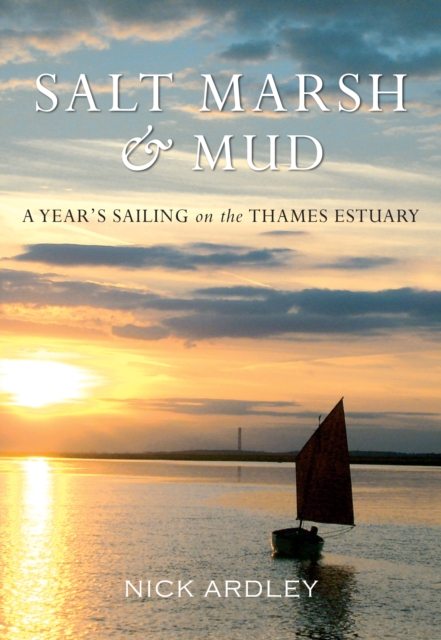
Salt Marsh and Mud - Tales through a sailing year, is a compilation of interlinked stories about cruising around the Lower Thames, Swale and River Medway.
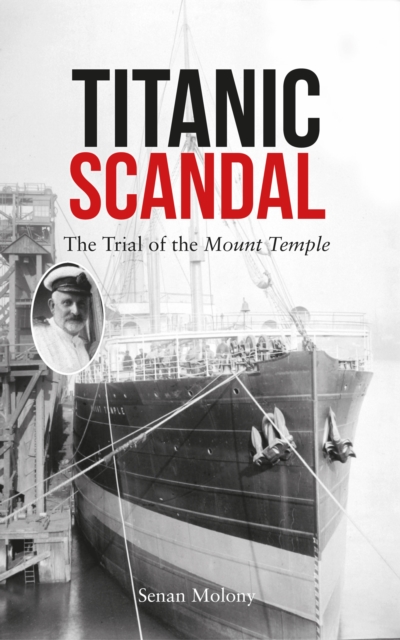
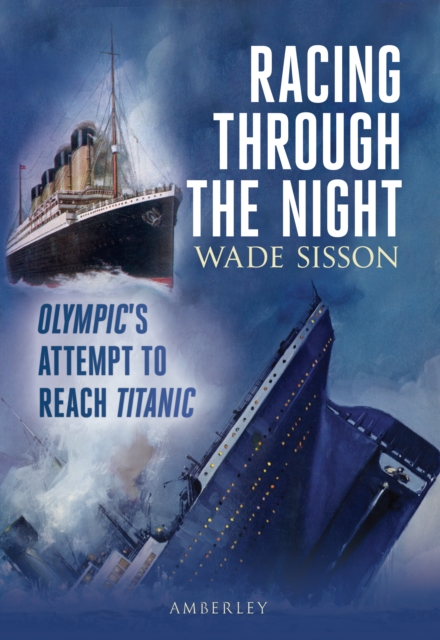
A steamer lay within sight of the RMS Titanic as she sank, according to ample witnesses - including highly experienced crew who studied this potential saviour through marine binoculars.
Entering service a full ten months ahead of Titanic, the Olympic was a near identical sister ship,the fi rst of a class of three liners, two of which would sink.
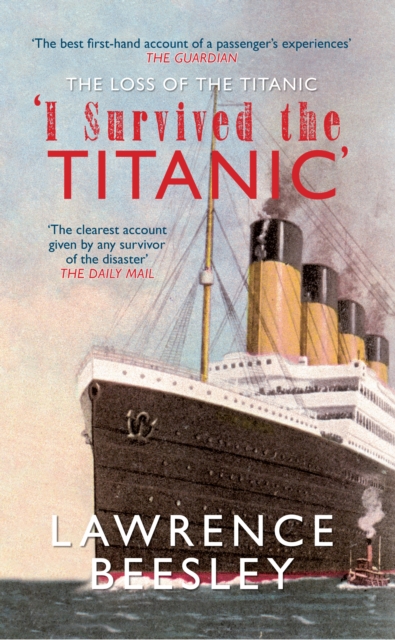
Originally published in 1912, and long out of print in the UK, this new edition has been reset and newly illustrated with over 100 contemporary photos and illustrations.