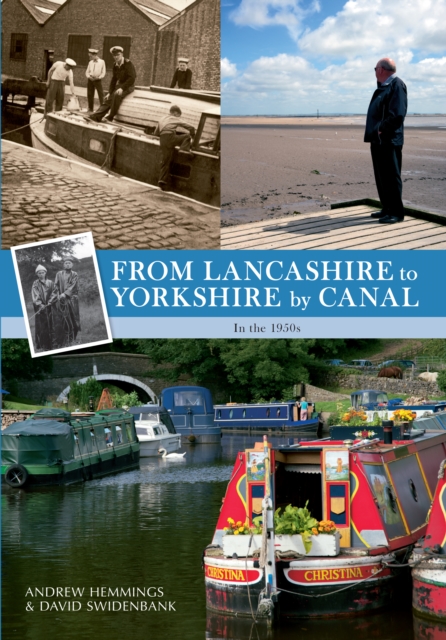
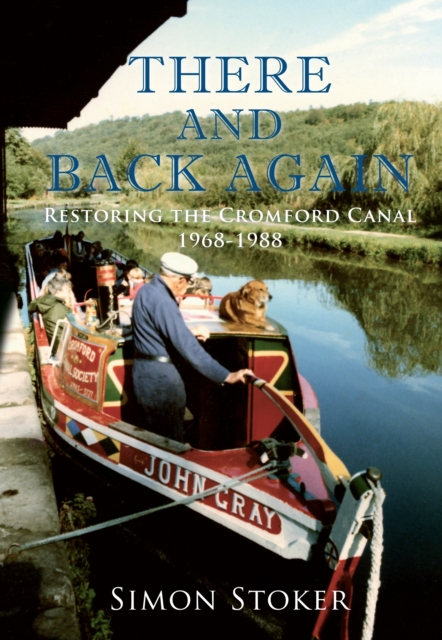
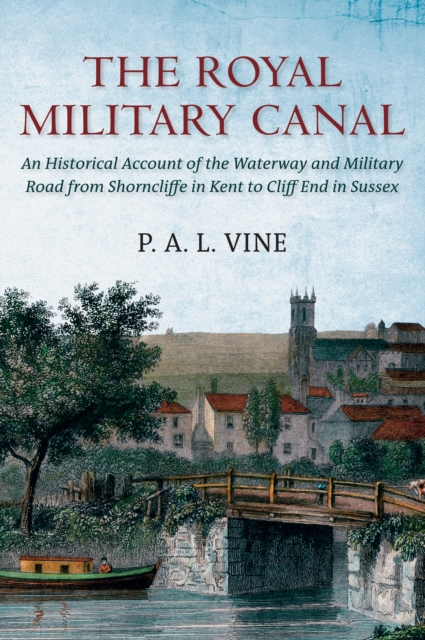
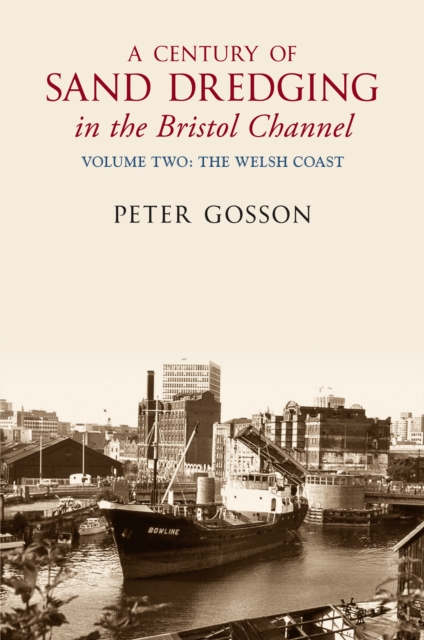
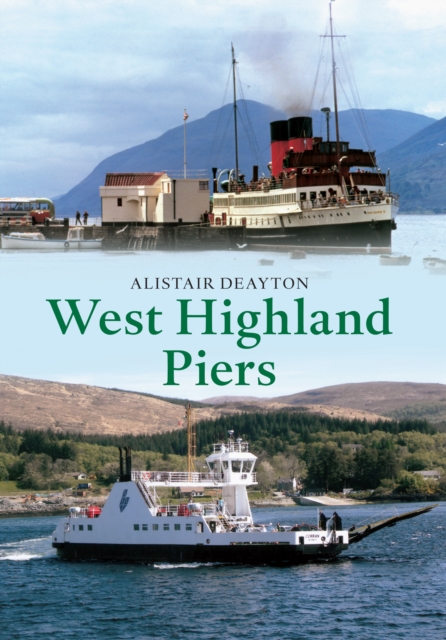
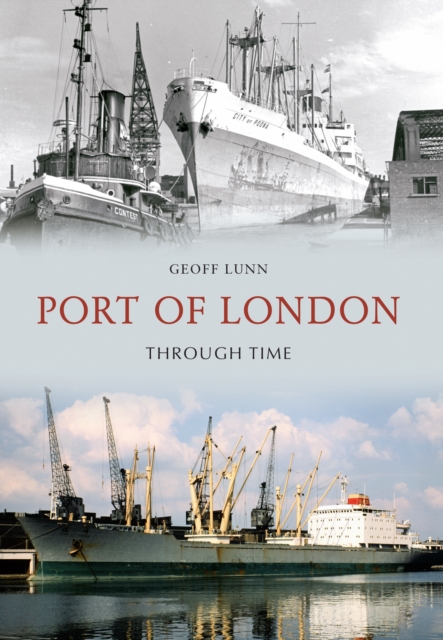
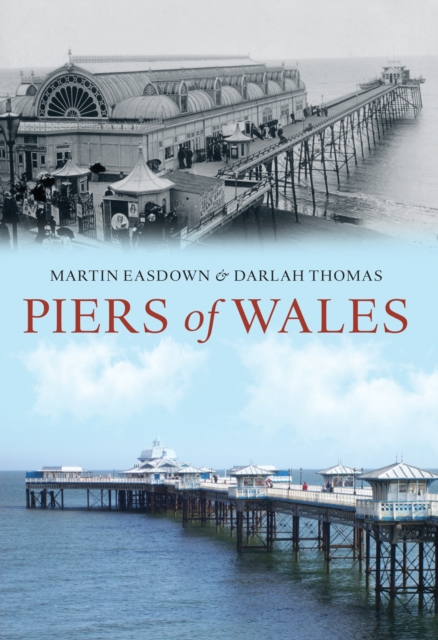
In the 1950s, Britain's waterways were still full of commercial traffic and lined with the mills, factories and ports of a then-leading industrial nation.
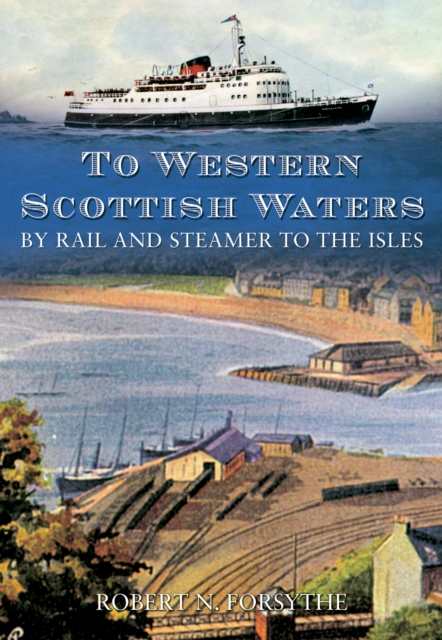
To Western Scottish Waters: By Rail & Steamer to the Isles is a pictorial tour through the decades and a peek into how both people and goods have travelled to the Isles over the years.
Telling the story of the once-ubiquitous Lancashire Nobby, a handsome sailing trawler that was once found in every harbour from West Wales to the West Coast of Scotland.
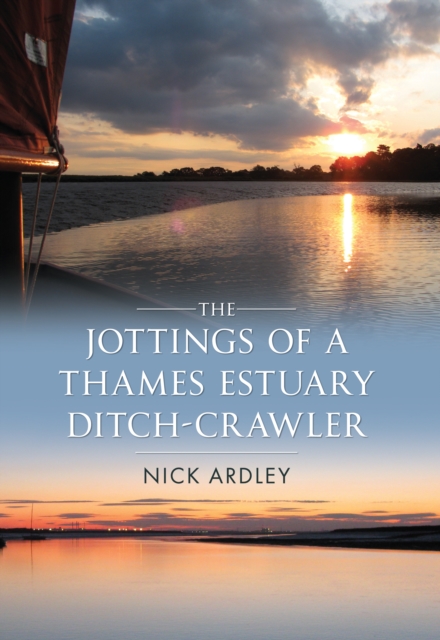
Sailing, boat owning and living on a Thames spritsail barge have coursed through the veins of the skipper's family since the early 1930s, and it instilled in him a profound love for salt, marsh and mud.
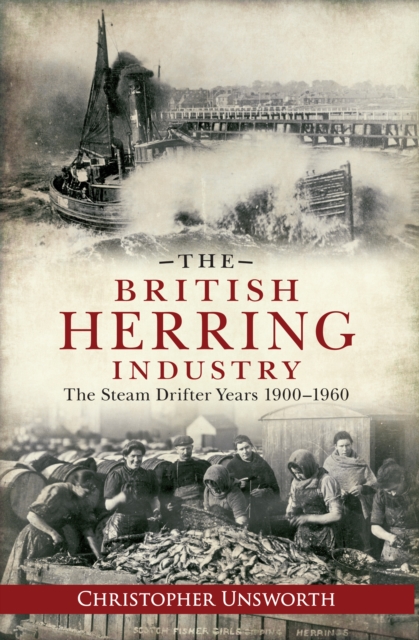
At different times of the year, herring were found in commercial numbers in the North Sea, the Moray Firth, the Minches, the Firth of Clyde, the Irish Sea and the English Channel.
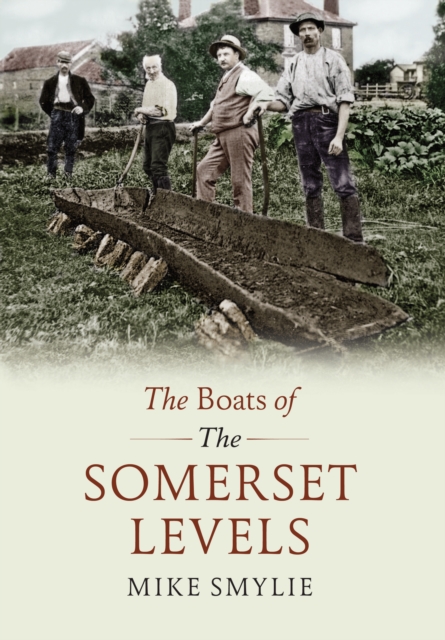
Flat-bottom craft have always been fascinating, largely because they appear so simple in their construction at first glance, made by the farmers and fishermen who used them.
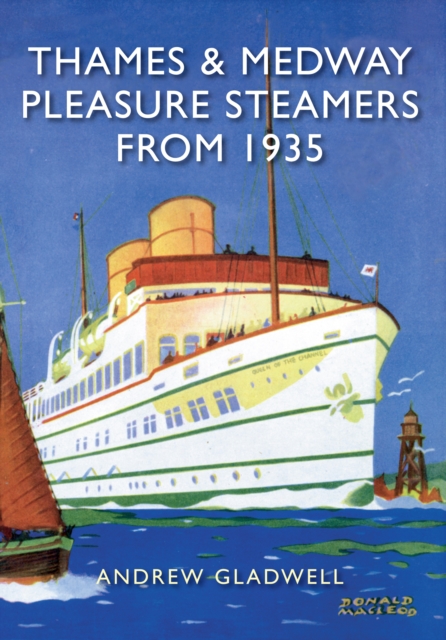
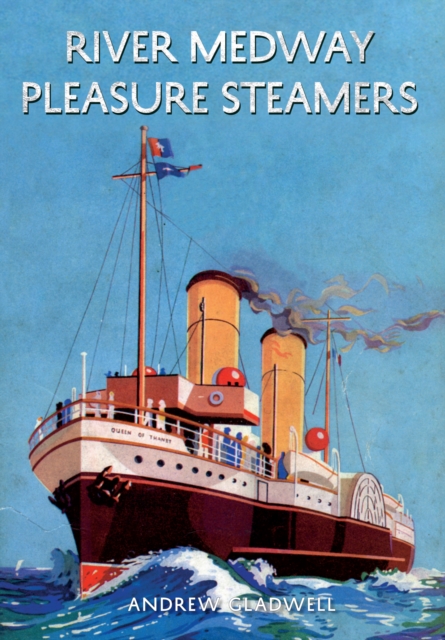
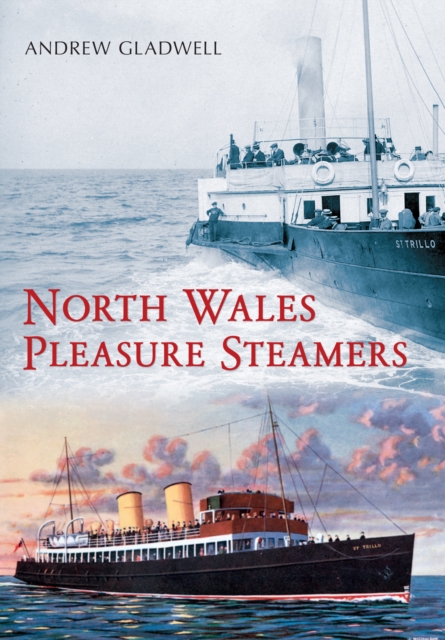
If you mention the subject of pleasure steamers on the rivers Thames and Medway, you can be certain that most people will remember with fond nostalgia the well-loved steamers Royal Daffodil, Royal Sovereign and Queen of the Channel.
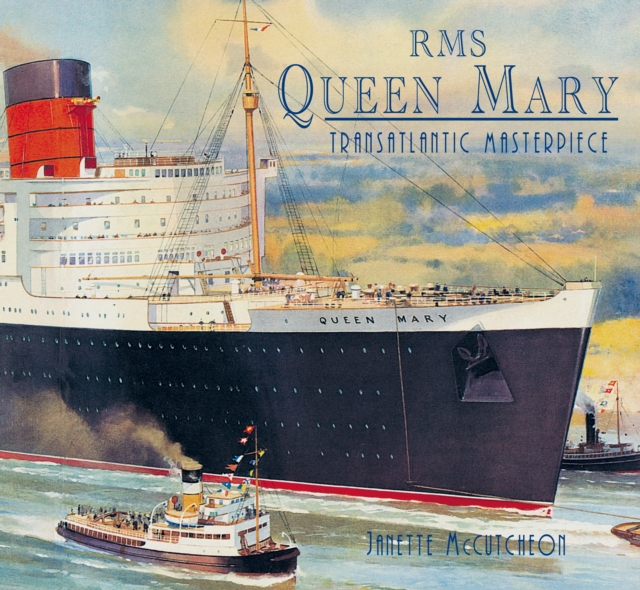
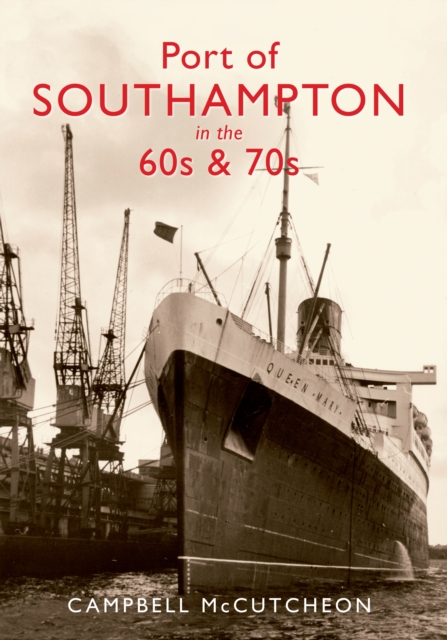
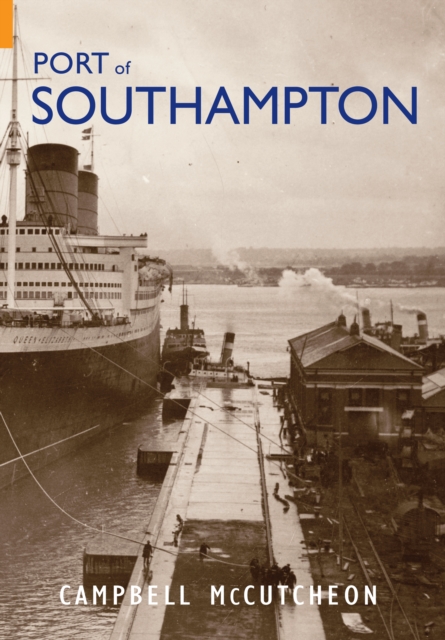
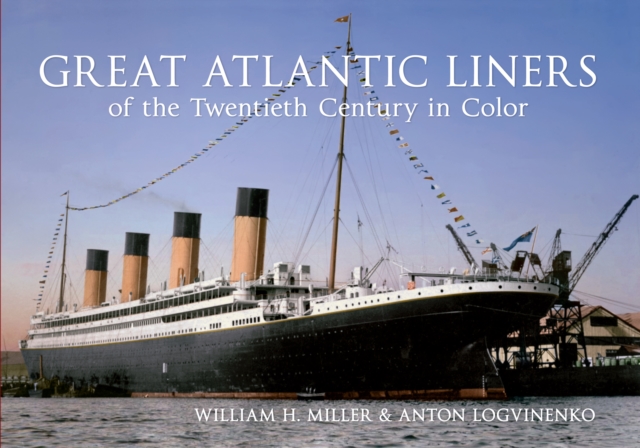
'Port of Southampton' is the story of the Hampshire port from Roman times to the present day, illustrated by a colelction of images showing everything from seaman's strikes to shipwrecks, the Titanic and Queen Mary, as well as the other famous ocean liners that have called at the port since the 1840s.
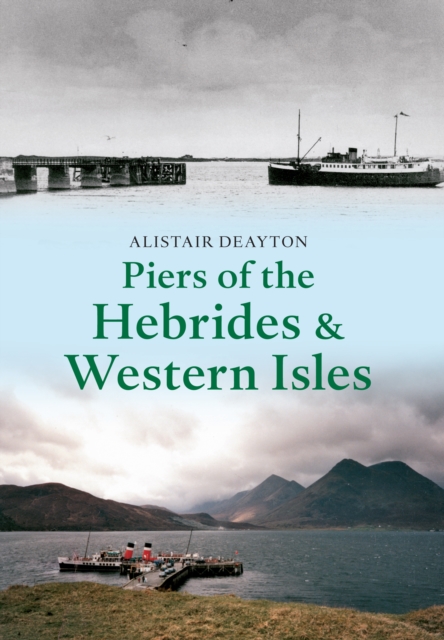
From Gigha in the south to Lewis in the north and St Kilda in the west, Alistair Deayton covers the piers of the Hebrides and other outlying islands in the companion volume to his West Highland Piers.
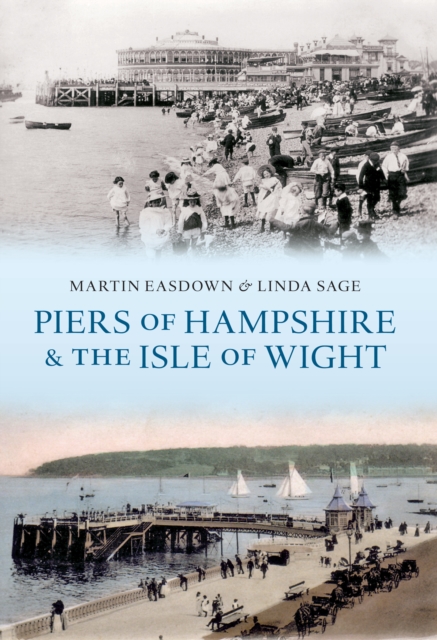
Despite their popular association with fun and frivolity, the function of piers as both an amusement centre and landing stage was varied, and nowhere was this better illustrated than on the coasts of Hampshire, the Isle of Wight and east Dorset.
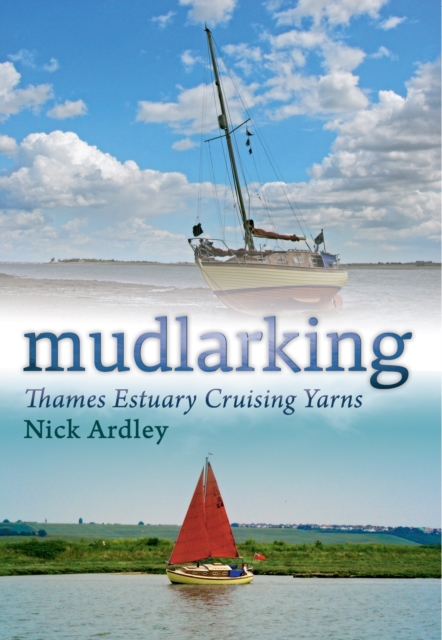
In this charming sequel to the successful local best-seller Salt Marsh & Mud, the skipper and his mate meander gently around the coastline of East Anglia, exploring the marshland from North Kent to Suffolk in their tan-sailed, wooden clinker sloop, Whimbrel.
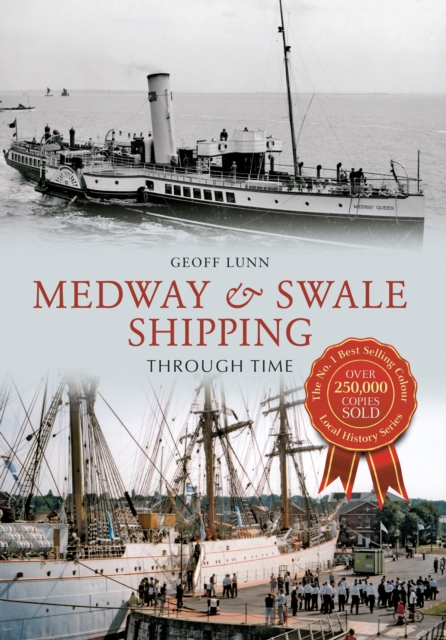
From Whitstable, with its oyster beds and fishing fleet, to Chatham and Rochester, the Medway and Swale areas have seen a diverse variety of shipping over the years, from the fishing smacks to men of war, Thames barges, sailing vessels, submarines, pleasure steamers, ferries and cargo ships.
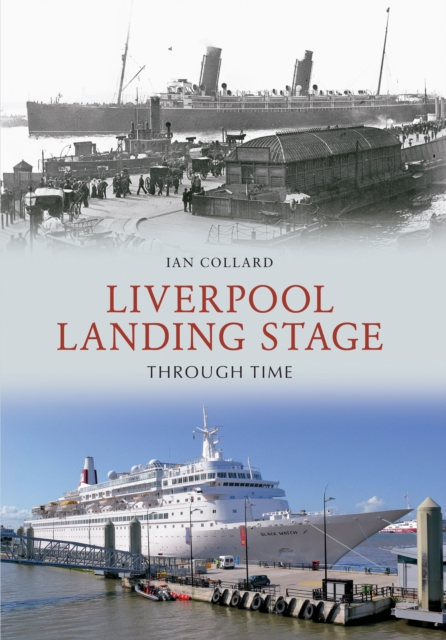
The Pier Head and landing stages have been places where the people of Liverpool have been able to view, participate in and enjoy many of the major maritime celebrations and events of the last hundred years.
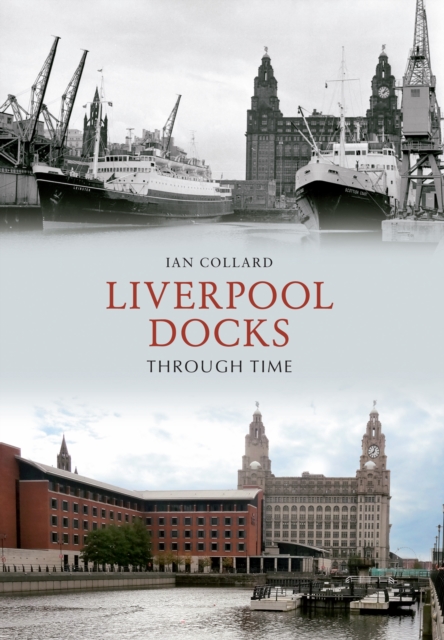
The Port of Liverpool handles more container trade with the United States than any other port in the UK and now also serves more than 100 other non-EU destinations, from China to Africa and the Middle East, and from Australia to South America.