Set against a landscape of rail yards and skate parks, Kai Carlson-Wee's debut collection captures a spiritual journey of wanderlust, depression, brotherhood, and survival.
American transportation has undergone many technological revolutions: from sailing ships to steamships; canals to railroads; steam to diesel; horsecars to electric streetcars; passenger trains and urban rail transit to airplanes and automobiles.
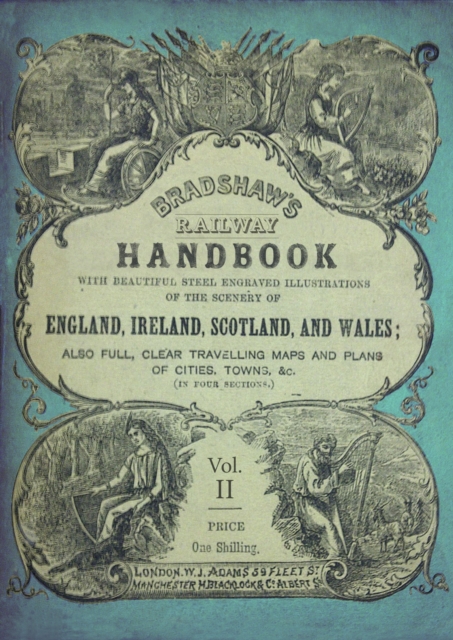
Collector's item, landmark in the history of the tour guide, snapshot of Britain in the 1860s Bradshaw's Handbook deserves a place on the bookshelf of any traveller, railway enthusiast, historian or anglophile.
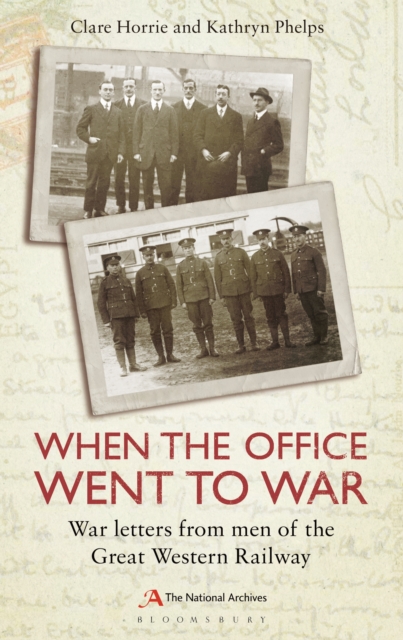
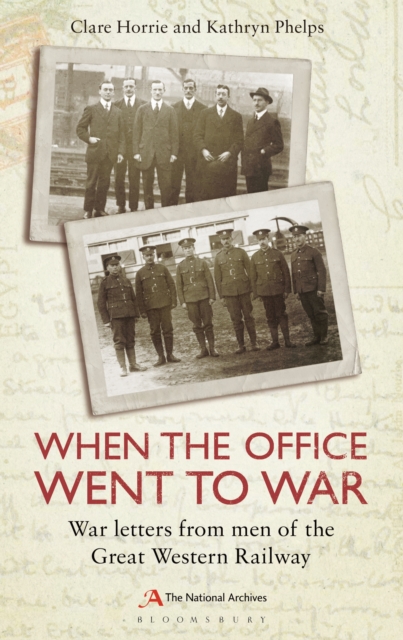
During the course of the First World War, staff of the Great Western Railway's Audit Office sent letters and photographs back to their employer in Paddington, which were in turn collated into monthly “newsletters” by those who stayed at home to keep Britain moving.
During the course of the First World War, staff of the Great Western Railway's Audit Office sent letters and photographs back to their employer in Paddington, which were in turn collated into monthly “newsletters” by those who stayed at home to keep Britain moving.
The aim of the Watching series is to draw attention to some of the very interesting items around us, things that perhaps we don't notice as much as we might.
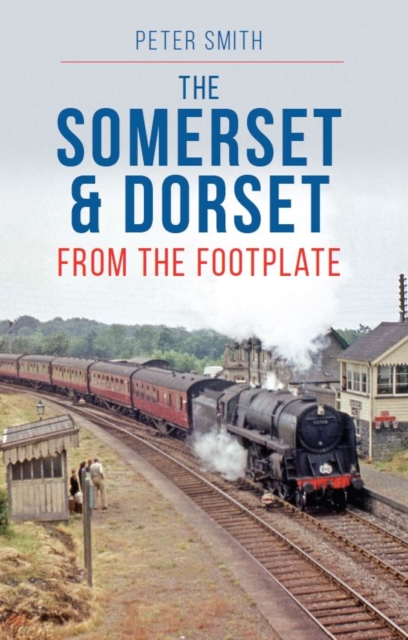
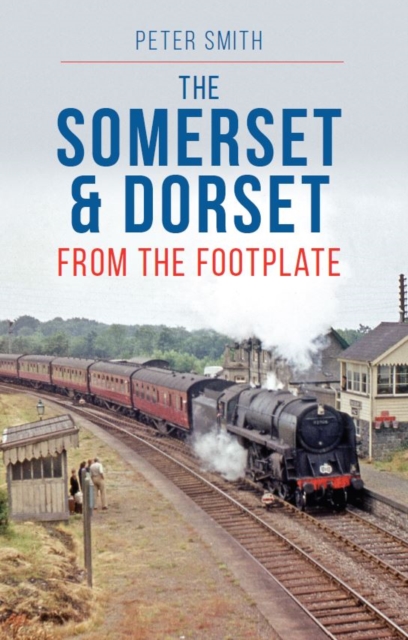
In the 1980s the Oxford Publishing Company produced an amalgam of two books written by former Branksome fireman Peter Smith entitled Mendips Engineman and Footplate over the Mendips.
In the 1980s the Oxford Publishing Company produced an amalgam of two books written by former Branksome fireman Peter Smith entitled Mendips Engineman and Footplate over the Mendips.
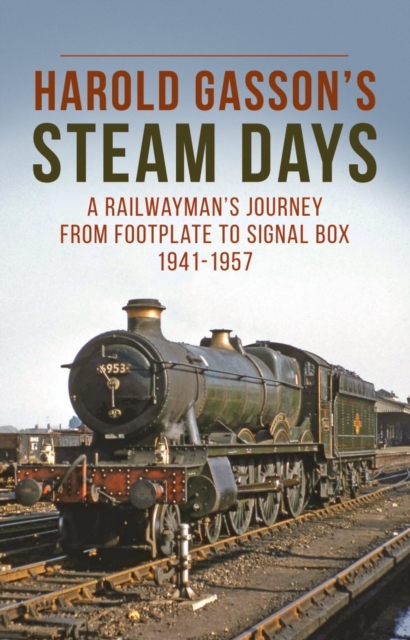
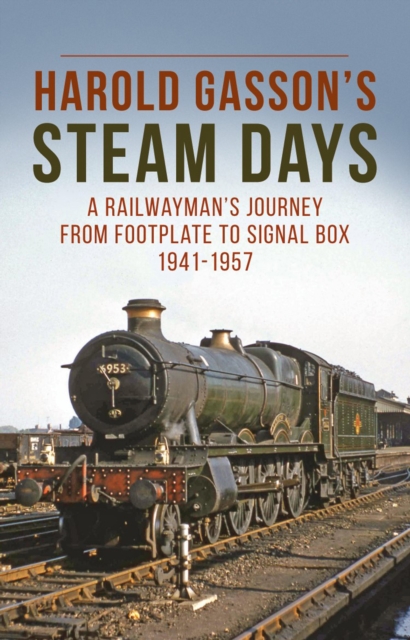
When Harold Gasson first put pen to paper more than forty years ago, it was at a time when there was a growing resurgence of interest in the steam railway.
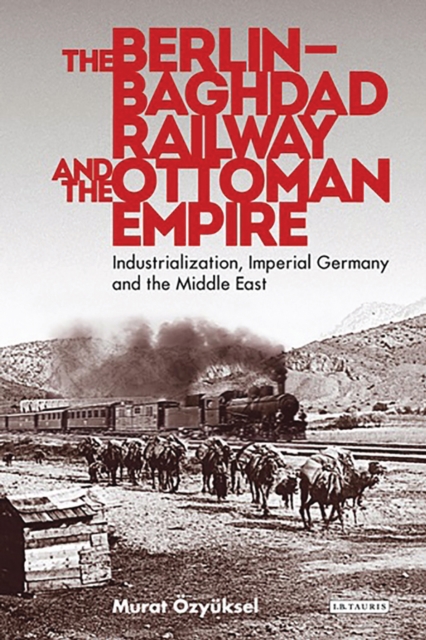
Railway expansion was the great industrial project of the late 19th century, and the Great Powers built railways at speed and reaped great commercial benefits.
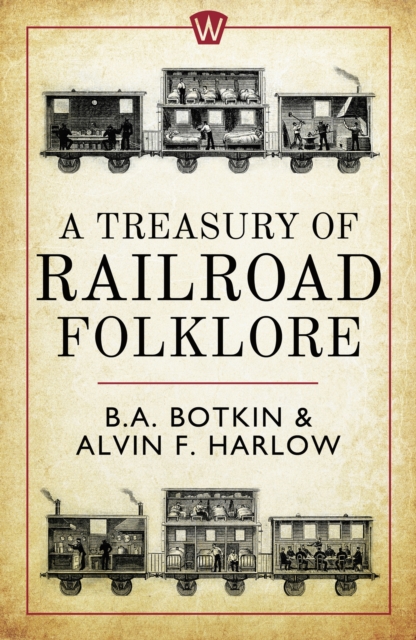
The biggest cargo of high iron lore and legend ever hauled in one load, A TREASURY OF RAILROAD FOLKLORE contains over a century of the greatest stories, traditions and songs of the American railroad.
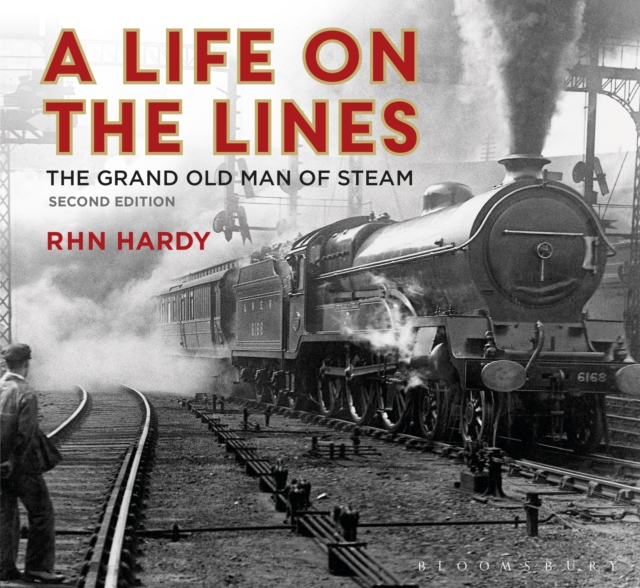
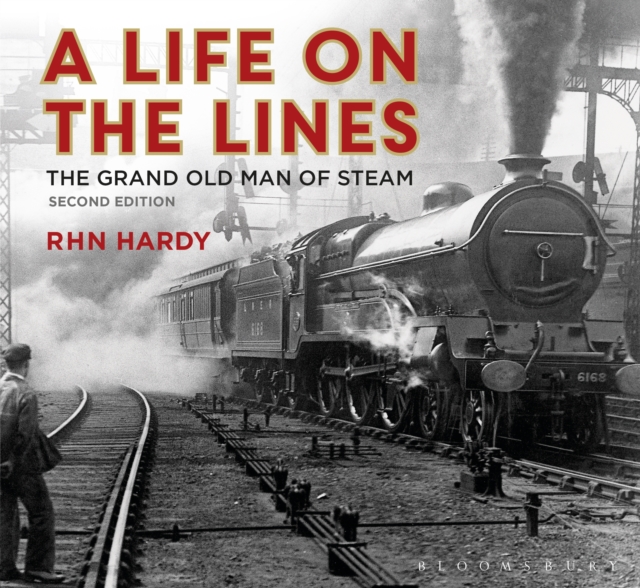
During much of his early career, from 1944 through to the early 1960s, Richard Hardy took hundreds of pictures of life on the railways and the men he knew and worked with on a daily basis, using his trusty Brownie 620 box camera.
During much of his early career, from 1944 through to the early 1960s, Richard Hardy took hundreds of pictures of life on the railways and the men he knew and worked with on a daily basis, using his trusty Brownie 620 box camera.
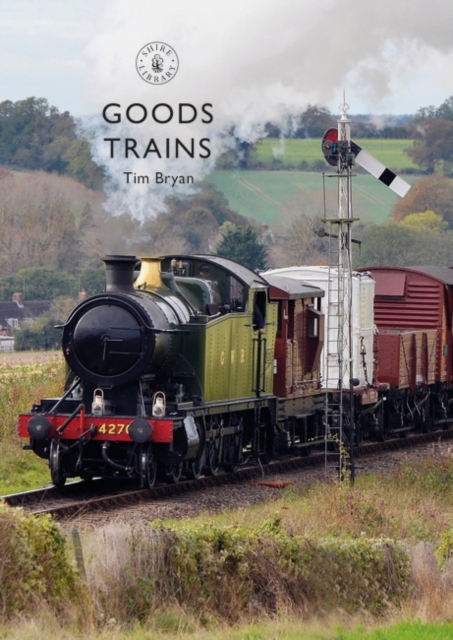
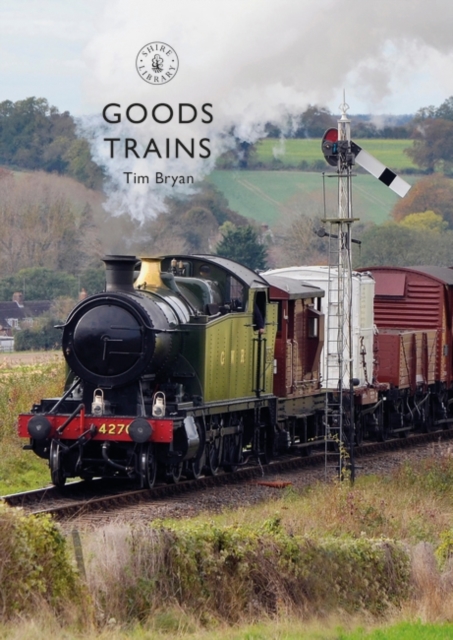
Have you ever watched wagon after wagon of a goods train thunder past and wondered where it is heading, what it is carrying, and how it works its way between the passenger services?
Have you ever watched wagon after wagon of a goods train thunder past and wondered where it is heading, what it is carrying, and how it works its way between the passenger services?
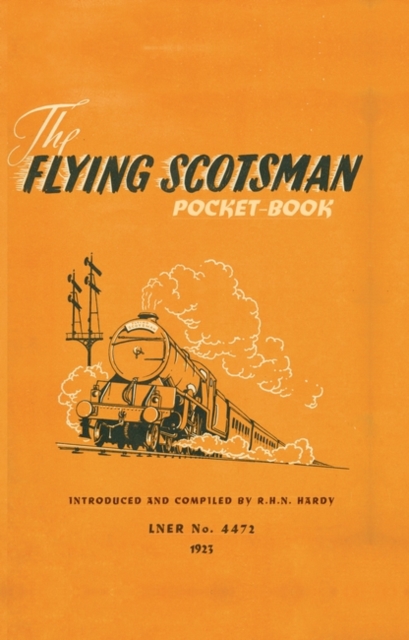
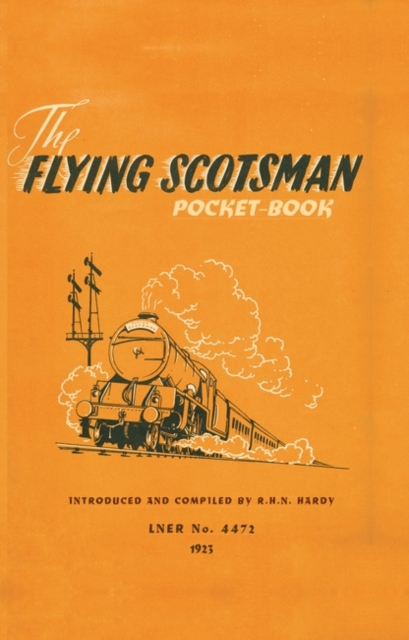
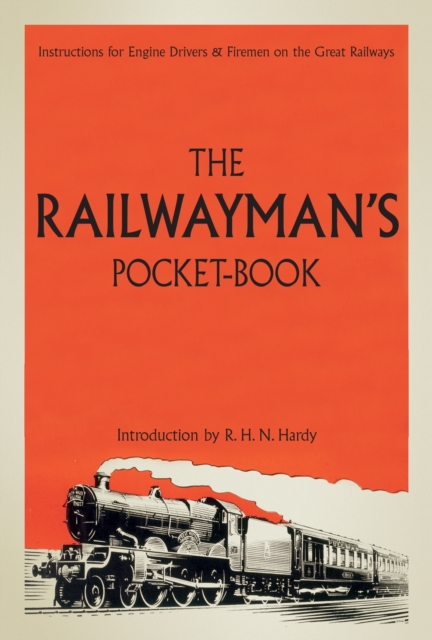
This fascinating pocket book draws on numerous primary sources from the early days of the rail network through to the Big Four, British Railways and beyond to present a unique guide to the knowledge and skills required for locomotive drivers, engineers and firemen.
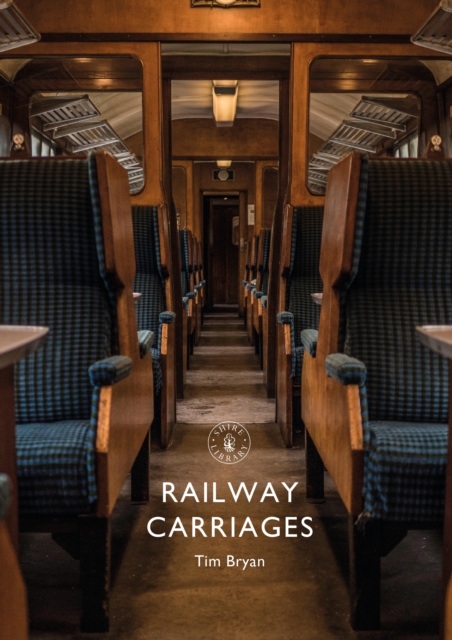
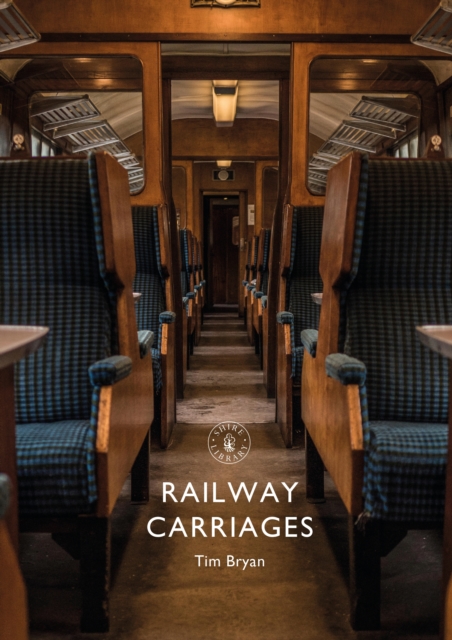
Evolving from the horse-drawn stage coaches that they soon eclipsed, railway carriages steadily grew in sophistication so that by the end of the nineteenth century the railway passenger travelled in comfortable rolling stock of a design familiar to many until the 1960s.
Evolving from the horse-drawn stage coaches that they soon eclipsed, railway carriages steadily grew in sophistication so that by the end of the nineteenth century the railway passenger travelled in comfortable rolling stock of a design familiar to many until the 1960s.
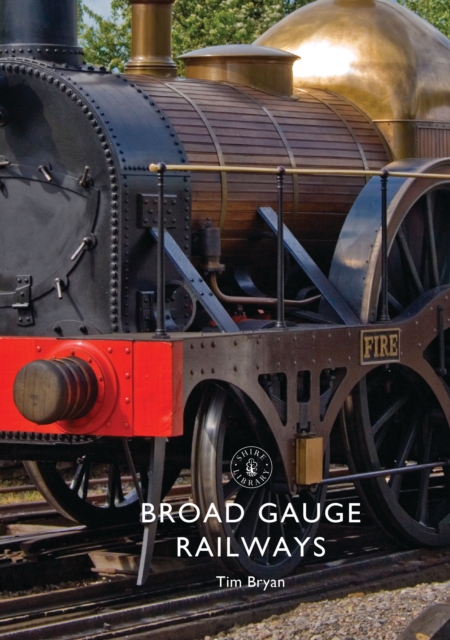
Isambard Kingdom Brunel considered the Great Western Railway the 'finest work in England' and he contributed many groundbreaking features, none so unorthodox as the decision not to adopt the 'standard' track gauge of 4ft 8½in and instead introduce the new 'broad gauge' of 7ft ¼in.