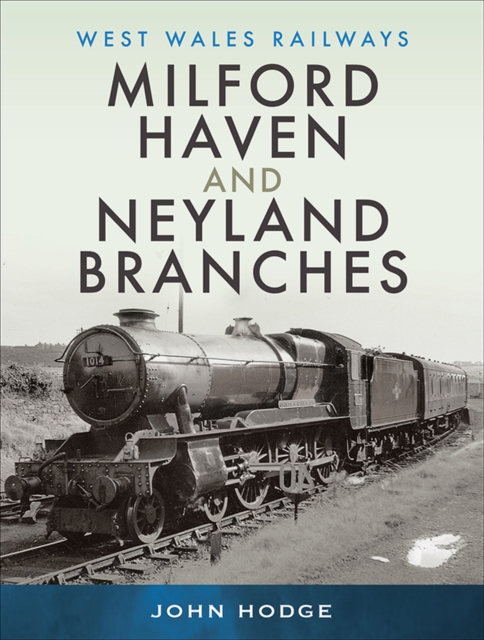
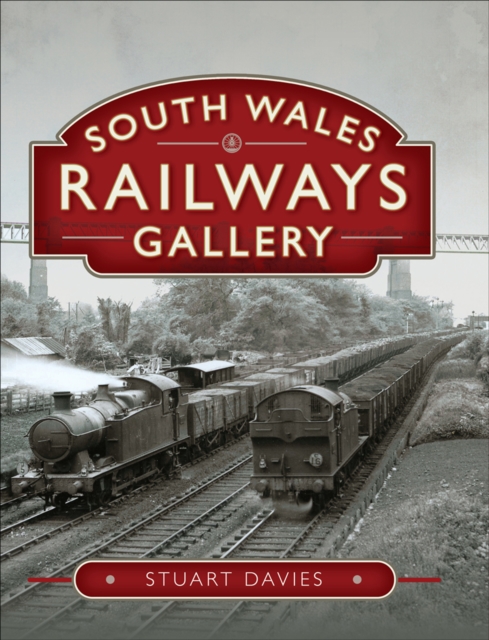
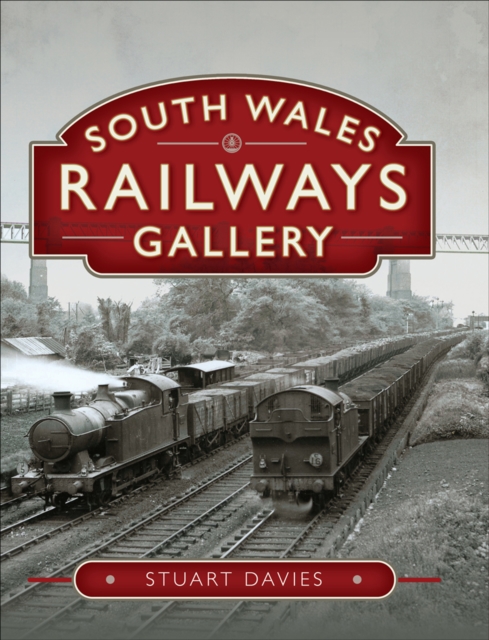
Part of the West Wales Railways series, this book starts at Clarbeston Road, covers the oil-rich town of Milford Haven, where oil refineries were opened mostly in the 1960s in association with the deep-water port, to accommodate super tankers from the Middle East, though the development of other products and pipelines in the oil world has seen the number of oil terminals there currently reduced to one at Robeston.
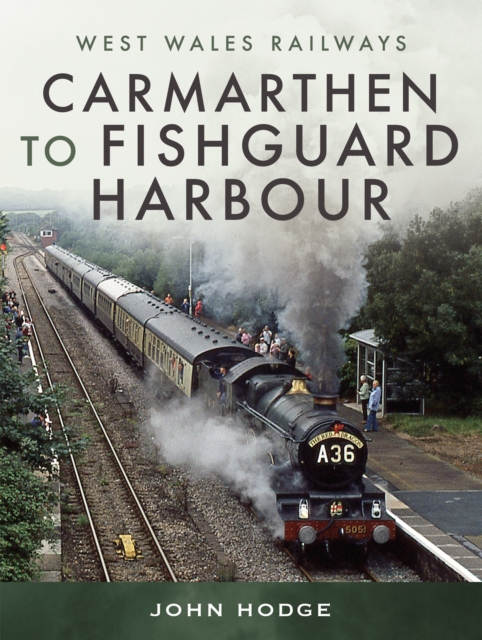
This volume covers the important main line section of line between Carmarthen and Fishguard Harbour, the terminus station opening in 1906 and replacing New Milford (later Neyland) as the previous main line terminus.
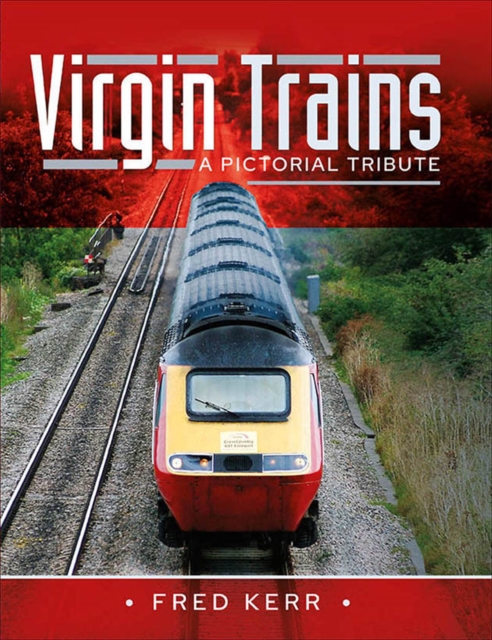
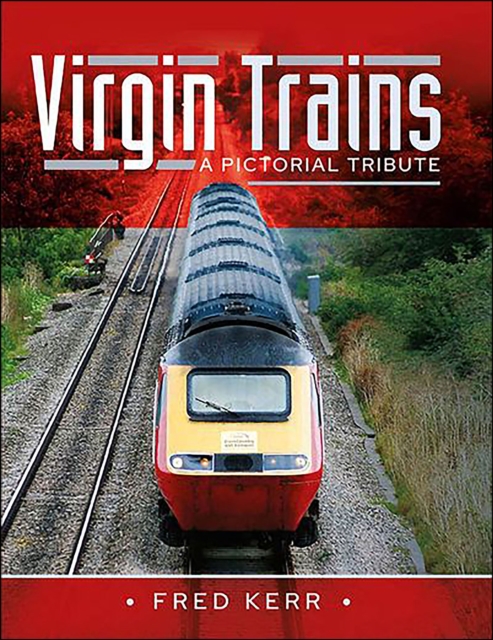
When British Railways (BR) was privatised in April 1994 a series of passenger franchises was created that included services on both the East Coast Main Line (ECML) and competing West Coast Main Line (WCML) routes.
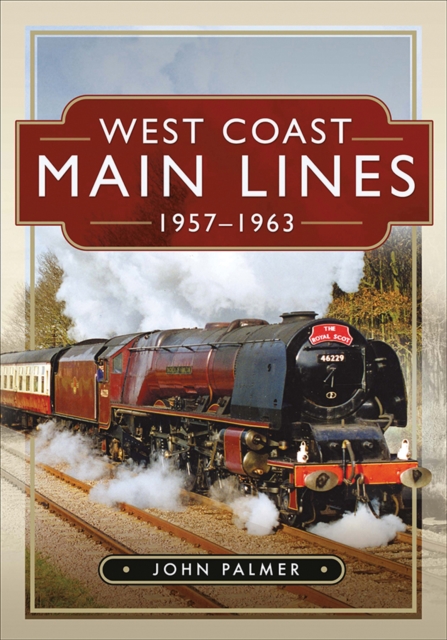
Throughout its length from London to Glasgow via Crewe and Carlisle, with a loop through the West Midlands and spurs to Holyhead,Liverpool and Manchester, the West Coast Main Line has consistently provided interest for those many with more than a passing interest in trains and travel.
Throughout its length from London to Glasgow via Crewe and Carlisle, with a loop through the West Midlands and spurs to Holyhead,Liverpool and Manchester, the West Coast Main Line has consistently provided interest for those many with more than a passing interest in trains and travel.
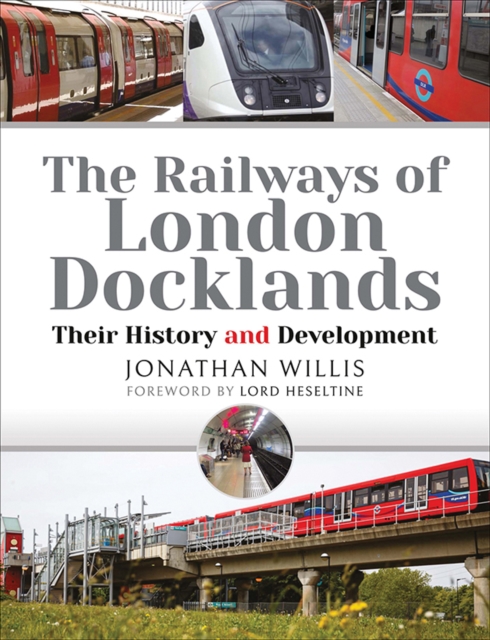
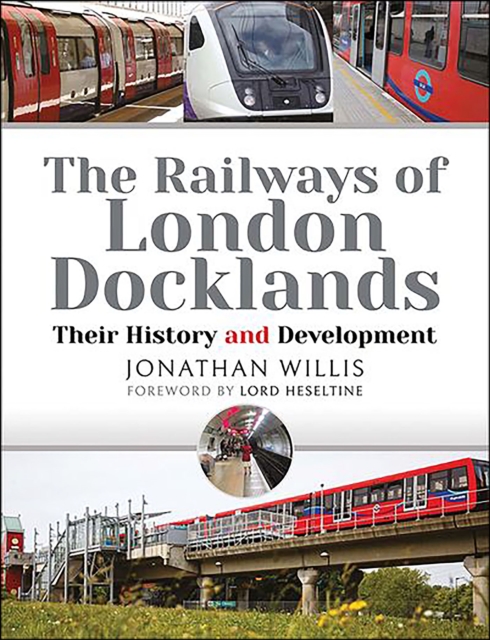
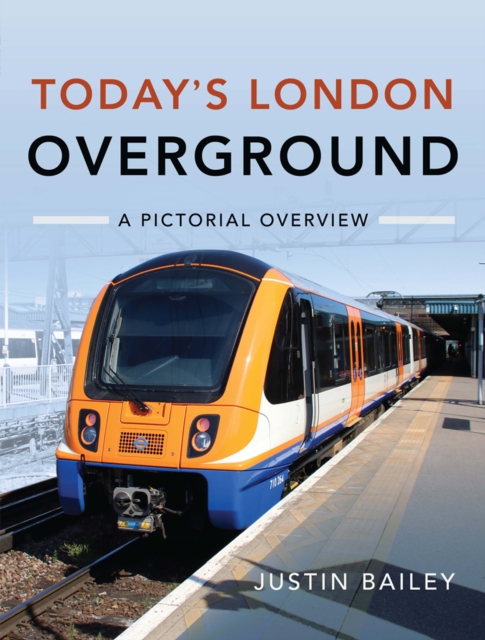
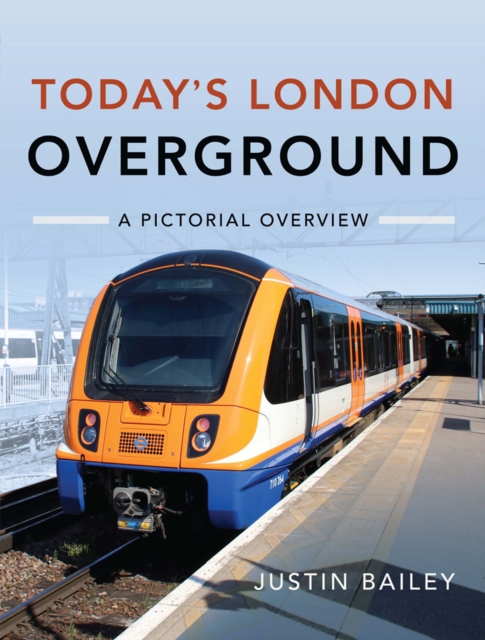
This book provides a comprehensive study of the planning and building of railways in London's Docklands, reflecting on the past 180 years of railway development.
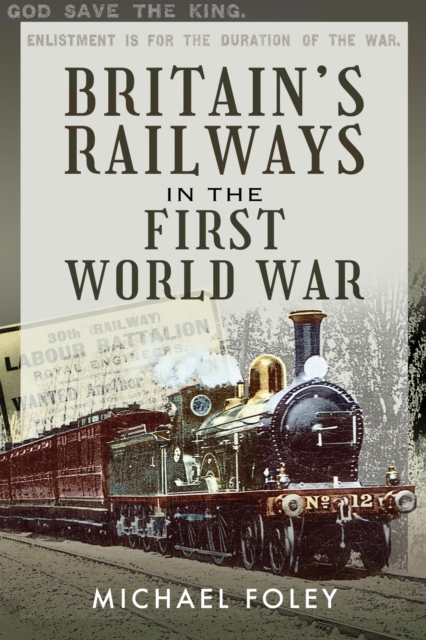
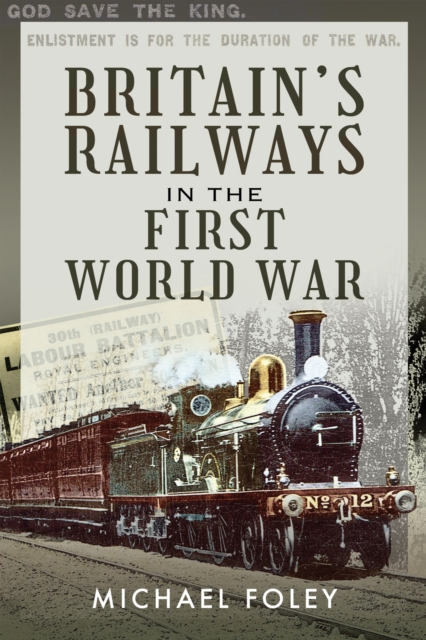
It is easy to believe that the only part that Britain's railways played in the First World War was to carry the soldiers to the ships that would take them to France.
It is easy to believe that the only part that Britain's railways played in the First World War was to carry the soldiers to the ships that would take them to France.
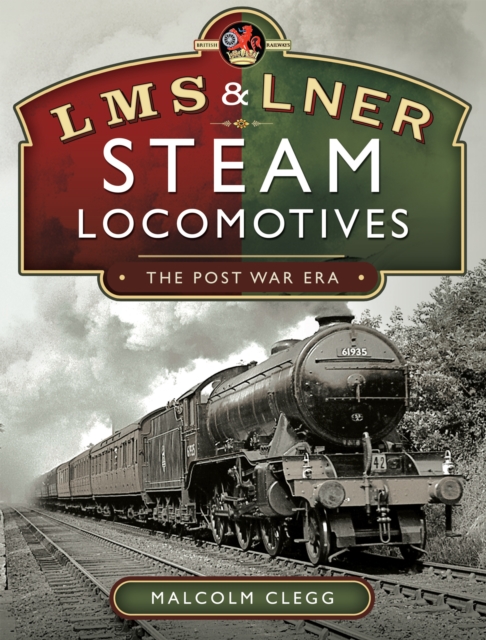
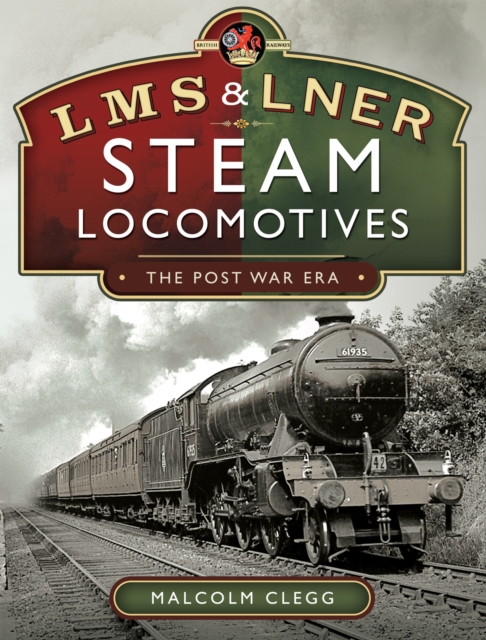
L M S & L N E R Steam Locomotives, is the result of over two decades of photographing steam locomotives in action in many parts of Britain covered by the former LMS and LNER Railway Companies.
L M S & L N E R Steam Locomotives, is the result of over two decades of photographing steam locomotives in action in many parts of Britain covered by the former LMS and LNER Railway Companies.
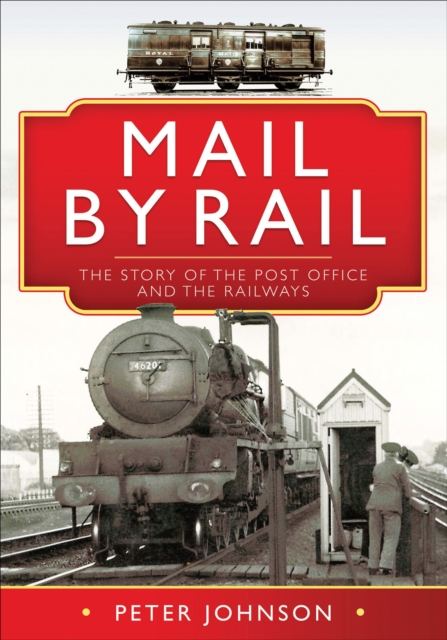
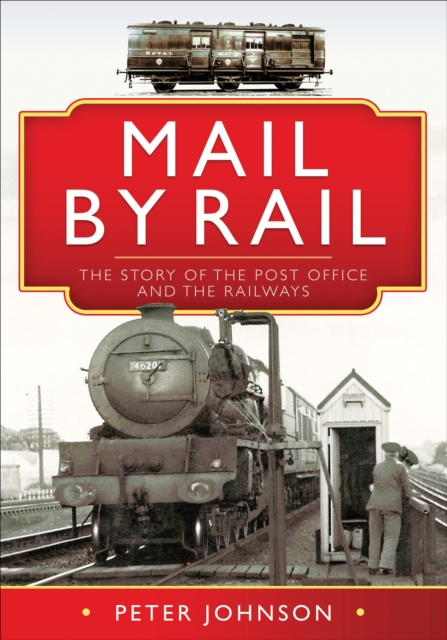
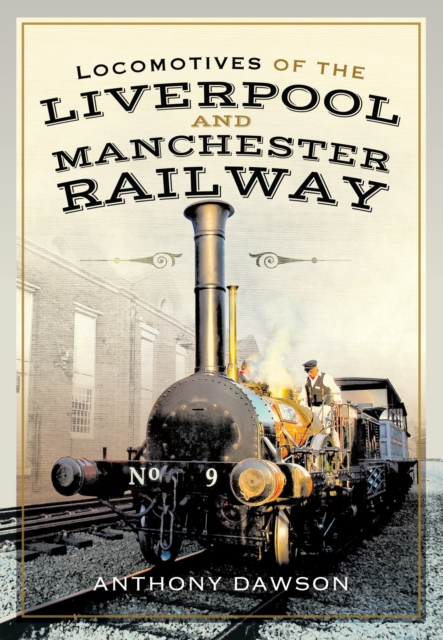
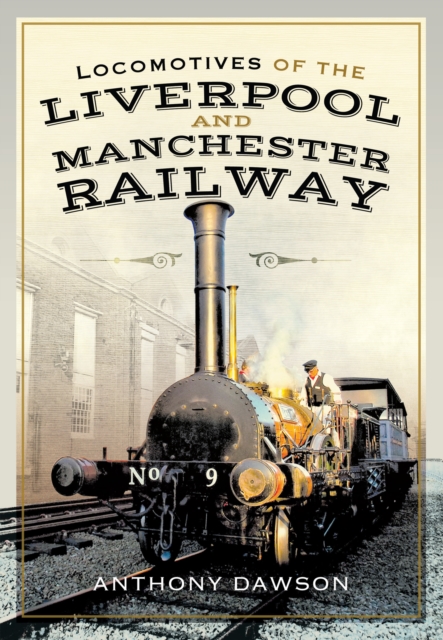
Railways have been used for the carriage of mail since soon after the Liverpool & Manchester Railway opened in 1830, the development of the first travelling post offices following, enabling the Post Office to achieve maximum efficiencies in mail transportation.
The story of the "e;traveling post offices"e; and the trains that have served as an essential part of Britain's mail delivery system for almost two centuries.
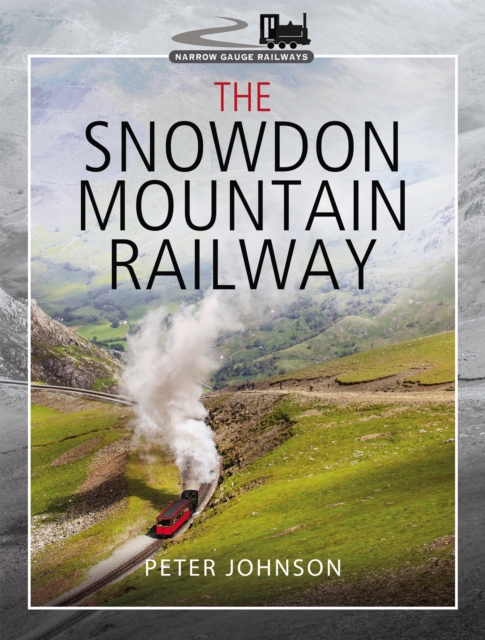
The Snowdon Mountain Railway is one of the great narrow gauge railways of North Wales, with thousands of visitors travelling to the summit of Mount Snowdon along the line each year.
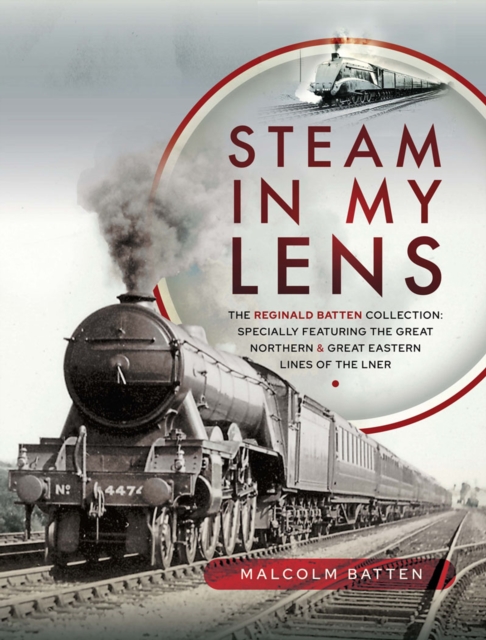
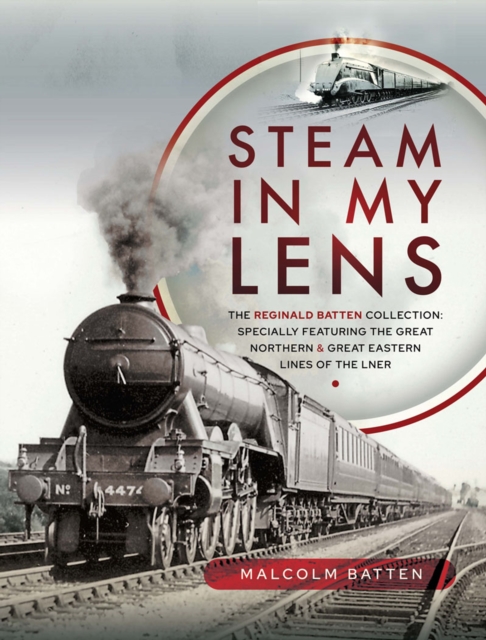
Reg Batten was a railway and transport photographer, who started taking pictures in the early 1930s, mostly on the Great Northern and Great Eastern sections of the L N E R.
Reg Batten was a railway and transport photographer, who started taking pictures in the early 1930s, mostly on the Great Northern and Great Eastern sections of the L N E R.
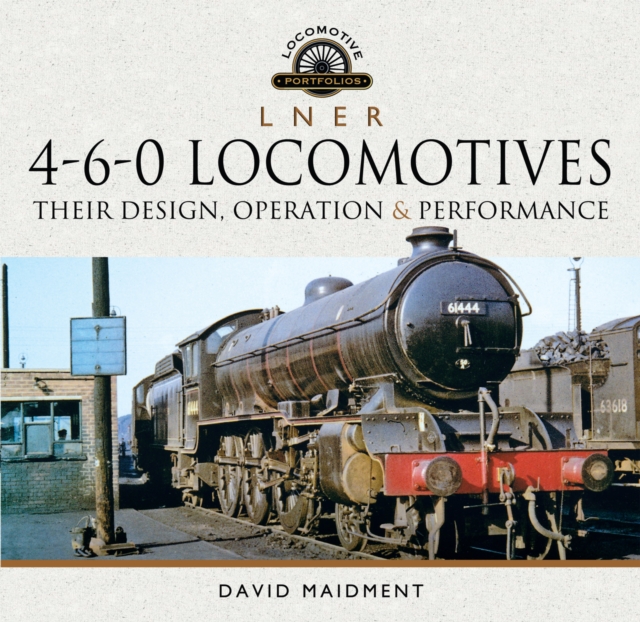
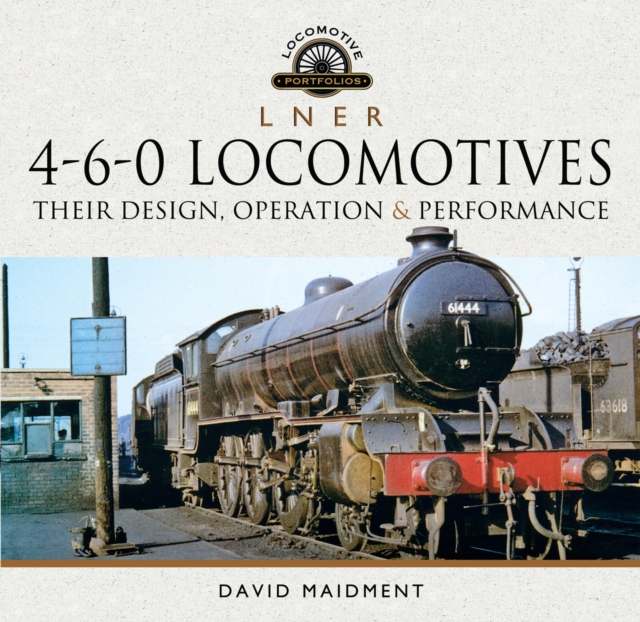
L N E R 4-6-0 Tender Mixed Traffic Locomotives covers the design, construction, operation and performance of all 4-6-0 locomotives that ran on the London & North Eastern Railway between 1923 and 1947 and the LNER designed engines that ran on BR's Eastern Region until the end of BR steam in 1968.
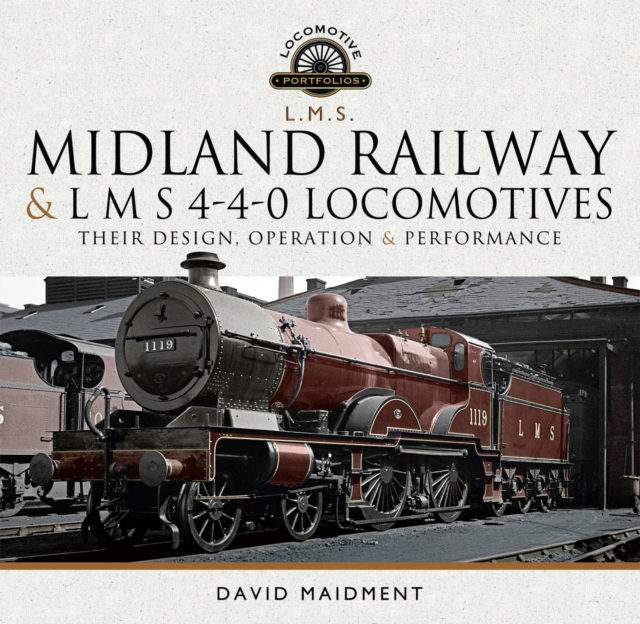
David Maidment has unravelled the complex history of the Johnson, Deeley and Fowler 4-4-0 locomotives of the Midland Railway and its LMS successor, covering their design, construction, operation and performance in this book with over 400 black and white photographs.
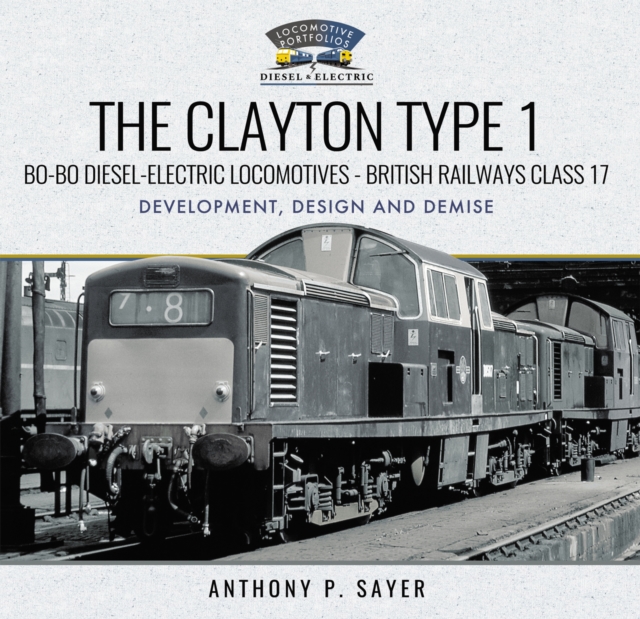
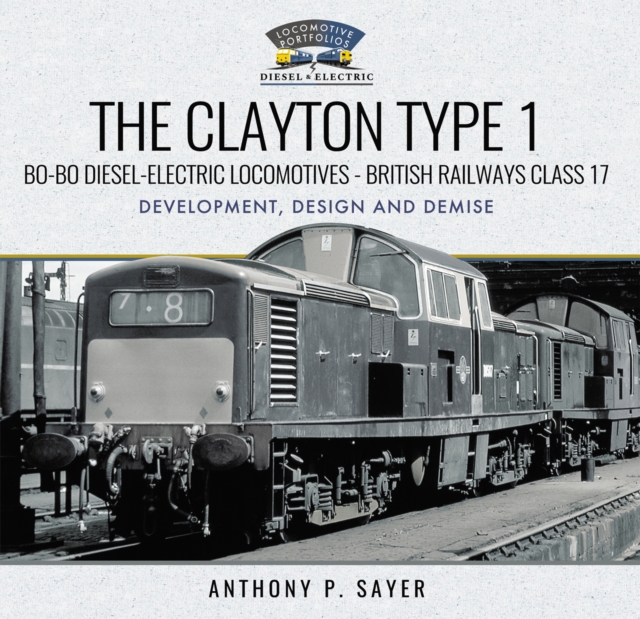
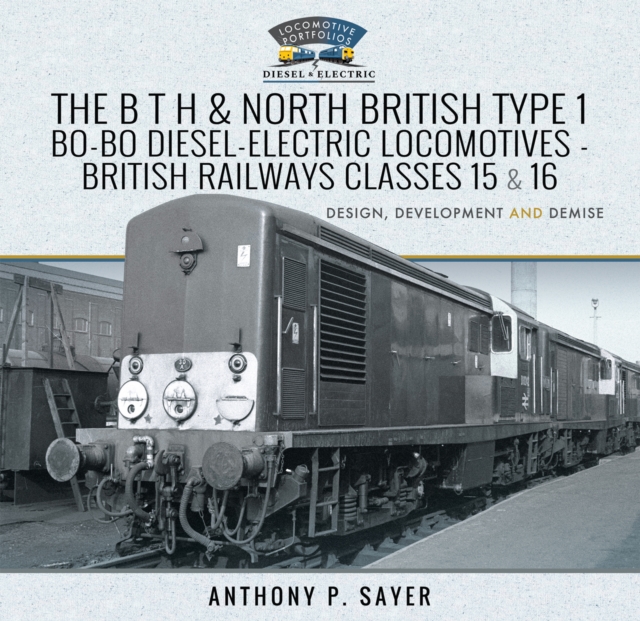
The British Railways 'Pilot Scheme' orders of 1955 included ten BTH and ten NBL Type 1 locomotives, these being introduced during 1957-61 for use in East London, and on the Great Eastern and London, Tilbury & Southend lines.
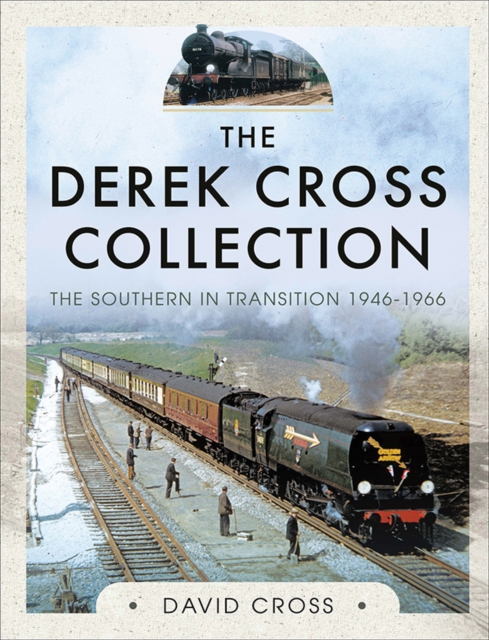
Derek Cross was one of a group of outstanding railway photographers, who mostly took pictures during the steam and early modern traction era, 1950s and 1960s.